Mystic Fish
Mystic Fish occupies a specific address on Tampa Road in Palm Harbor, placing it within the Gulf Coast corridor where seafood traditions run deep and the line between casual and serious cooking has always been deliberately blurred. The restaurant draws on Florida's position as a crossroads of Atlantic, Gulf, and Caribbean influences, making it a reference point for understanding how the region's waterfront dining culture has developed beyond the raw bar and the fish sandwich.
Pearl is the En Primeur Club membership app — saves, bookings, and concierge access live there. Same editors, same standards.
- Address
- 3253 Tampa Rd, Palm Harbor, FL 34684
- Phone
- +17277711800
- Website
- mystic-fish.com
- Directions
- Get directions
 Saves & bookings on Pearl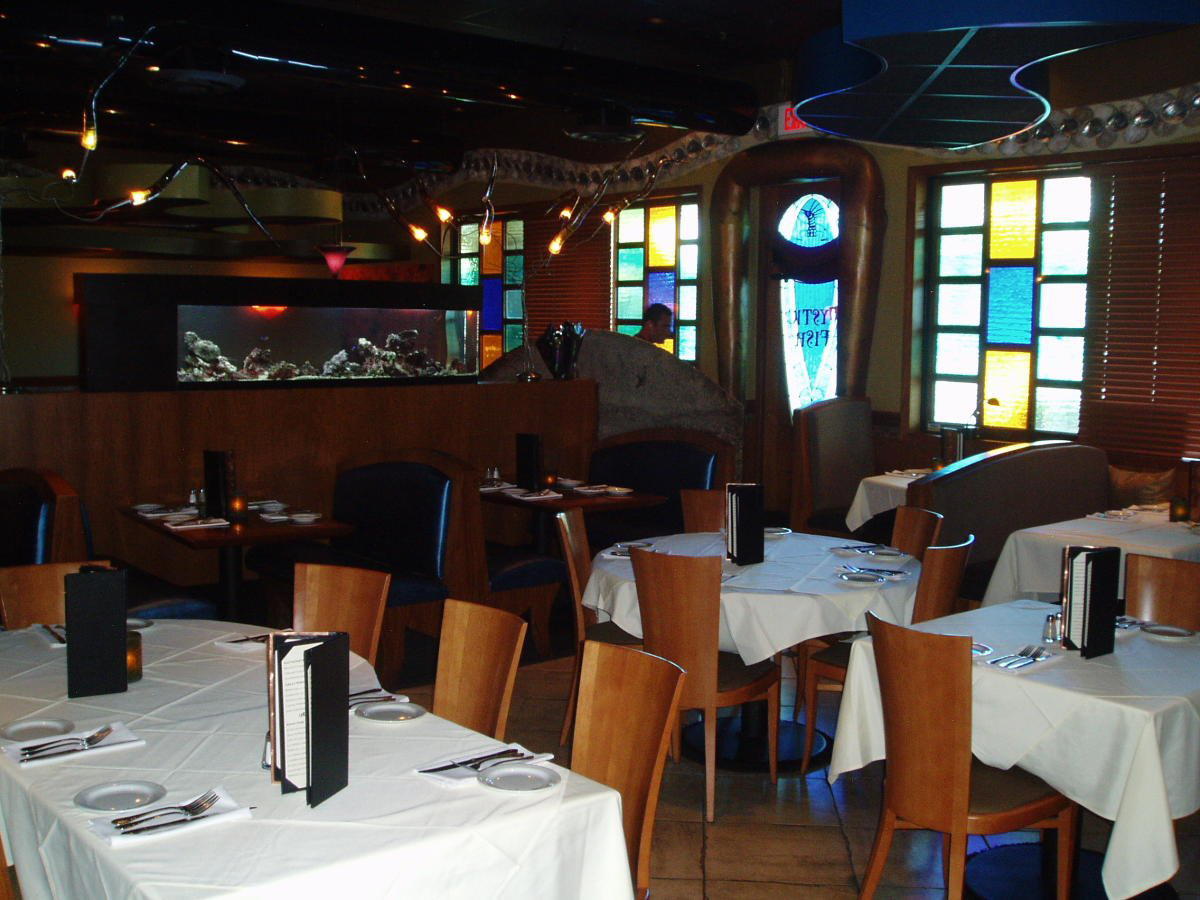
Gulf Coast Seafood and the Palm Harbor Dining Scene
Along Florida's Pinellas County coastline, the relationship between local fishermen and restaurant kitchens has historically been closer than in most American markets. The Gulf of Mexico delivers a rotating cast of seasonal catch, grouper, snook, amberjack, stone crab, that changes the character of a menu depending on what came off the boats that week. Palm Harbor sits in this supply chain, positioned between the commercial fishing docks of Tarpon Springs to the north and the broader Tampa Bay restaurant market to the south. What that geography produces, at its better addresses, is a style of seafood cooking that is less about importation and more about interpretation of what is already close at hand.
Mystic Fish, at 3253 Tampa Road, operates within this context. The address places it in a commercial strip that belies what the Gulf Coast seafood tradition actually looks like when it is working properly: not waterfront theater, but a kitchen that takes proximity to source seriously. In a county where the dominant seafood narrative is still the casual fish shack or the all-you-can-eat buffet, a restaurant that treats the Gulf's seasonal catch with real culinary attention occupies a different tier.
What Florida Seafood Culture Actually Looks Like
The cultural roots of Gulf Coast seafood cooking in Florida draw from at least four directions simultaneously. Greek sponge fishermen settled Tarpon Springs in the late nineteenth century and brought a Mediterranean approach to whole fish, lemon, and olive oil that persists in the area's tavernas. Cuban and Caribbean influences arrived through Tampa's Ybor City, introducing citrus-acid cooking and spiced preparations that filtered into the broader regional vocabulary. The old Florida cracker tradition contributed a simpler, fire-forward approach to freshwater and inshore species. And more recently, the influence of fine-dining technique, the kind practiced at places like Le Bernardin in New York City or Providence in Los Angeles, has pushed certain Gulf Coast kitchens toward precision cookery with locally sourced fish.
What makes the Tampa Bay corridor interesting as a dining region is that these traditions do not sit in separate restaurants; they overlap. A serious Gulf Coast seafood kitchen is often drawing from all of them at once, which is why the category resists easy classification. Mystic Fish's name itself gestures toward something between the mythological weight of the sea and the unpredictability of the catch, a positioning that fits the ambiguity of the local tradition rather than fighting it.
Palm Harbor's Place in the Regional Restaurant Picture
Palm Harbor is not a dining destination in the way that St. Petersburg's Central Avenue corridor has become, with its concentration of chef-driven concepts and national press attention. It functions instead as a suburban residential market with a handful of restaurants that punch above the neighborhood's modest culinary profile. La Dolce Vita Trattoria and Positano's Ristorante represent the Italian-American thread that runs through Pinellas County's dining culture, while Massimo's Eclectic Fine Dining and The Lucky Dill show the range between formal and casual that defines the market. Seafood, however, remains the category where the Tampa Bay area can make one credible claim to regional identity, and that gives a well-executed Gulf Coast seafood concept a natural advantage in a market like Palm Harbor.
For context on how Florida seafood kitchens compare to the nationally recognized tier, consider that places like The French Laundry in Napa, Single Thread Farm in Healdsburg, or Blue Hill at Stone Barns in Tarrytown have built their reputations partly on the same sourcing logic, proximity, seasonality, regional specificity, that Gulf Coast cooking already had as a structural advantage. The difference is execution.
The Seafood Dining Tradition and What to Expect
Gulf Coast seafood menus in this part of Florida tend to follow the seasons in ways that inland menus do not. Stone crab claws, for instance, are available from mid-October through mid-May under Florida Fish and Wildlife regulations, a hard seasonal window that shapes how any serious local seafood kitchen builds its identity around the calendar. Grouper and snapper, the region's most commercially significant species, appear year-round but vary in quality and availability depending on regulatory closures and seasonal feeding patterns. A kitchen that tracks this cycle communicates something different from one that relies on frozen or farmed imports.
Comparisons to nationally recognized seafood programs, Emeril's in New Orleans with its Gulf South tradition, or Addison in San Diego with its Pacific sourcing discipline, are instructive for understanding what regional seafood can achieve when the supply chain is treated as a culinary resource rather than a commodity. The Florida Gulf Coast has the supply; the question for any individual restaurant is whether the kitchen is using it with that level of intention.
Planning Your Visit
Mystic Fish is located at 3253 Tampa Road in Palm Harbor, Florida 34684. The restaurant is recommended for reservations and keeps regular hours Monday through Thursday and Sunday from 4 to 8 PM, and Friday and Saturday from 4 to 9 PM. The Tampa Road address sits within the broader Pinellas County road network.
Readers with interest in how the American fine dining tier treats seafood at the national level will find useful reference points at Alinea in Chicago, Lazy Bear in San Francisco, Atomix in New York City, Bacchanalia in Atlanta, The Inn at Little Washington, and 8 1/2 Otto e Mezzo Bombana in Hong Kong, each of which demonstrates what a regional identity, taken seriously, can produce at the highest level of execution.
Cost Snapshot
Comparable venues nearby, for context on price, style, and recognition.
| Venue | Cuisine | Price | Notes |
|---|---|---|---|
| Mystic FishThis venue — the venue you are viewing | Palm Harbor, Contemporary Seafood Grill | $$ | Not listed |
| The Lucky Dill | Palm Harbor, NYC-Style Deli | $$ | Not listed |
| La Dolce Vita Trattoria | Palm Harbor, Authentic Italian Trattoria | $$ | Not listed |
| Positano's Ristorante | Not listed | $$ | Palm Harbor, Traditional Italian Ristorante |
| Massimo's Eclectic Fine Dining | Not listed | $$$ | Palm Harbor, Italian and Mediterranean Fine Dining |
| Crabby Bill's | Not listed | $$ | St. Pete Beach, Fresh Beachfront Seafood |
Continue exploring
More in Palm Harbor
Restaurants in Palm Harbor
Browse all →
Bars in Palm Harbor
Browse all →
At a Glance
- Elegant
- Intimate
- Cozy
- Sophisticated
- Date Night
- Special Occasion
- Celebration
- Open Kitchen
- Extensive Wine List
- Craft Cocktails
- Local Sourcing
- Sustainable Seafood
Current opening hours
- Monday
- 4–8 PM
- Tuesday
- 4–8 PM
- Wednesday
- 4–8 PM
- Thursday
- 4–8 PM
- Friday
- 4–9 PM
- Saturday
- 4–9 PM
- Sunday
- 4–8 PM
Hours can change for holidays and private events. Last verified .
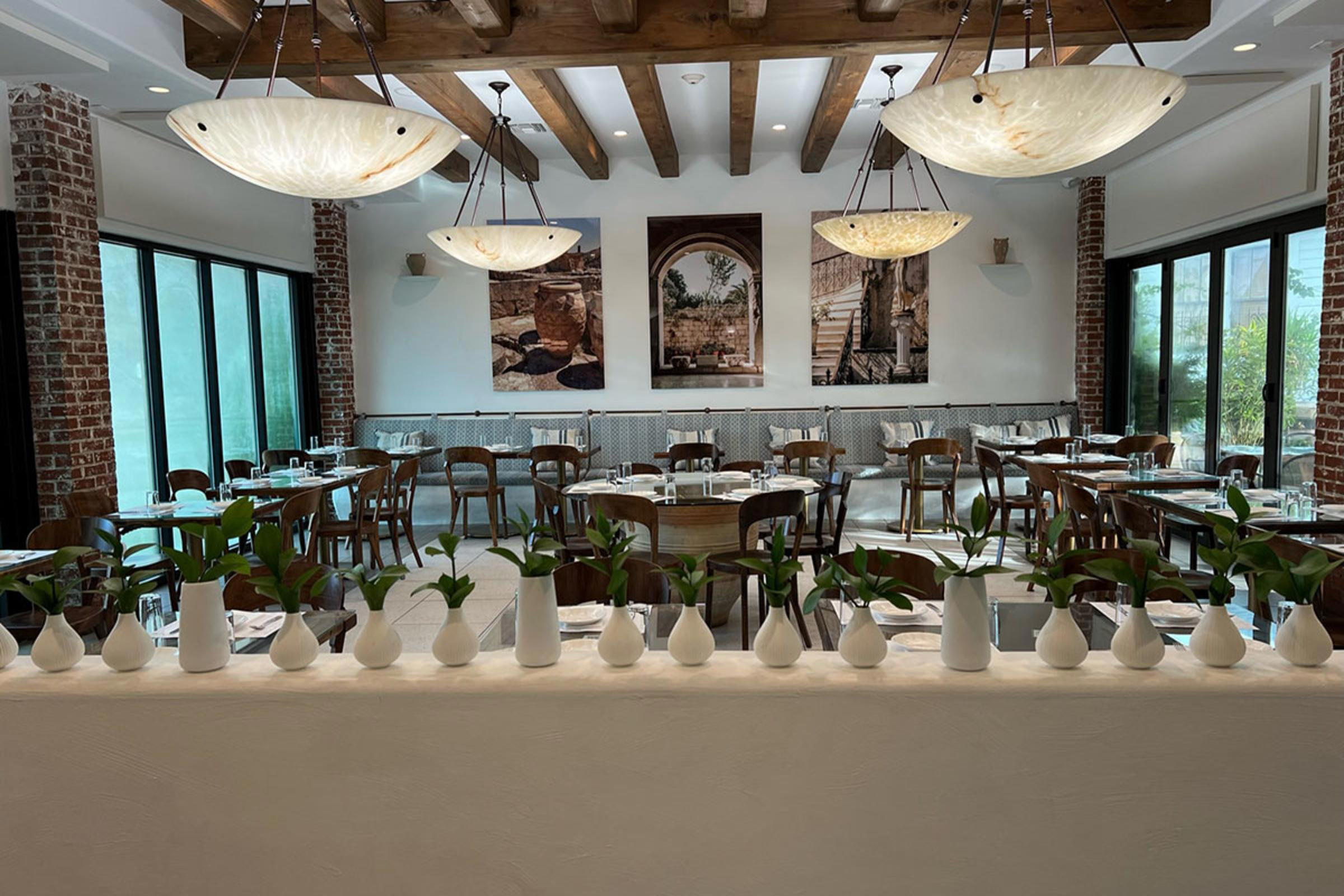
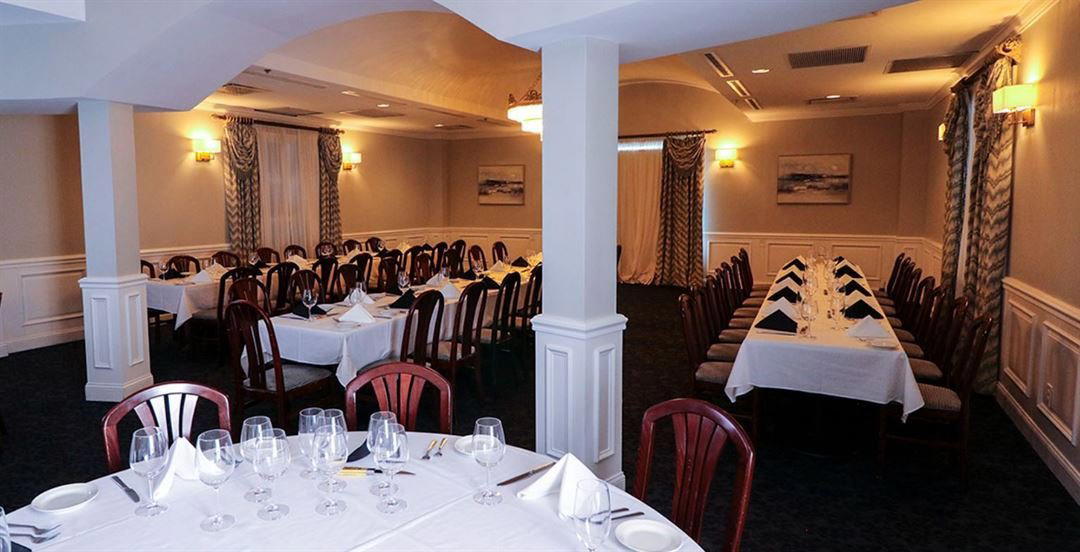
Stylish decor featuring film sculptures, abalone shells, and custom fish tanks creating an intimate, cozy, and upscale atmosphere designed to minimize noise.