Opal Sands Resort & Spa
On Clearwater Beach's Gulf-facing strip, Opal Sands Resort & Spa positions itself where the water is the architecture, floor-to-ceiling glass frames the Gulf of Mexico from nearly every angle. The property sits at 430 S Gulfview Blvd, placing guests steps from one of Florida's most photographed shorelines, with a design sensibility that treats the horizon as the primary design element rather than an afterthought.
Pearl is the En Primeur Club membership app — saves, bookings, and concierge access live there. Same editors, same standards.
- Address
- 430 S Gulfview Blvd, Clearwater Beach, FL 33767
- Phone
- +1 727 450 0380
- Website
- opalcollection.com
- Directions
- Get directions
 Saves & bookings on Pearl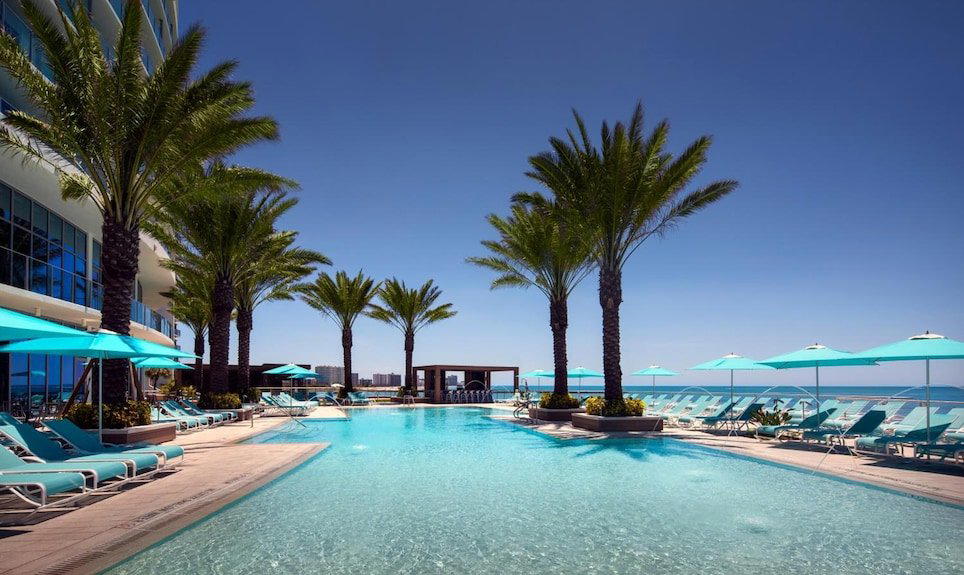
When the Gulf Becomes the Room
Clearwater Beach has long operated in two registers: the loud, multi-property stretch serving spring break volume, and a quieter tier of Gulf-front addresses where the physical relationship between building and water is the central design decision. Opal Sands Resort & Spa is a 4-star hotel in Clearwater Beach, Florida, at 430 S Gulfview Blvd. Opal Sands Resort & Spa, at 430 S Gulfview Blvd, belongs firmly to the second category. The property's defining architectural move is its commitment to glass, floor-to-ceiling spans that dissolve the boundary between interior space and the Gulf of Mexico beyond. This is not an incidental feature. It is the organizing principle around which every guest-facing space is arranged.
Clearwater Beach competes in a Florida coastal market that increasingly demands properties justify their Gulf-front position through design rather than proximity alone. Properties like Sandpearl Resort have staked a similar claim on the northern end of the beach. What separates the tier of Gulf-front properties that hold their own against major Florida coastal competitors, including the Four Seasons at The Surf Club in Surfside and Little Palm Island Resort & Spa in Little Torch Key, is how consistently the physical environment reinforces the promise of place. At Opal Sands, the Gulf is never decorative. It is structural.
Architecture as Orientation
The resort's design philosophy belongs to a school that has grown more deliberate across American beach properties over the past decade. Where earlier Gulf Coast hotel design often treated water views as a premium add-on, a balcony here, a corner suite there, the current generation of purposeful coastal builds treats orientation as the ground-level commitment. Every public space, every corridor angle, every restaurant sightline at Opal Sands is calibrated toward the water. This mirrors an approach seen at desert-facing properties like Amangiri in Canyon Point and Ambiente, A Landscape Hotel in Sedona, where the surrounding landscape is not backdrop but the primary spatial reference.
The result at a property like Opal Sands is that the time of day becomes the guest's interior design. Sunrise reads differently from the east-facing corridors than the late-afternoon Gulf light that arrives through west-facing glass. This kind of temporal variation in a building's character is the mark of architecture that was conceived with the site's specific solar and aquatic conditions in mind, rather than imposed on them. It places the property in a distinct tier from chain hotels that apply a standard design package regardless of geography.
Clearwater Beach in Context
Florida's Gulf Coast has developed a recognizable premium hospitality typology: mid-rise structures with generous floor plates, spa programs positioned as destination amenities rather than afterthoughts, and food and beverage operations calibrated to both resident guests and the wider beach community. This model has been refined at properties across the state's west coast, and Clearwater Beach's version of it sits comfortably alongside offerings in Sarasota, Naples, and the broader Tampa Bay region.
Clearwater Beach itself draws from the Tampa metro area, roughly 30 miles west of downtown Tampa via the Memorial Causeway, and from a national and international visitor base that uses Tampa International Airport as a gateway. The beach's geography, a barrier island arrangement with the Gulf to the west and Clearwater Harbor to the east, creates a built environment that is inherently water-defined. Hotels that understand this geography architecturally rather than merely commercially tend to hold a stronger position in the market.
The comparison set for a Gulf-front resort with a spa program and design-forward positioning extends well beyond Florida. The conversation includes Canyon Ranch Tucson in Tucson for wellness-anchored resort programming, and Bernardus Lodge & Spa in Carmel Valley for properties where the spa identity is as load-bearing as the accommodation offer. On the urban end of the premium American hotel spectrum, addresses like The Fifth Avenue Hotel in New York City, Raffles Boston in Boston, and Aman New York in New York City define one pole of the American luxury hotel register. Opal Sands operates at the other pole, coastal, horizontal, light-dependent, and the comparison is useful precisely because it clarifies what each type of property is optimized for.
The Spa and the Scene
Spa-anchored Gulf Coast resorts occupy a specific position in the American leisure travel market. They are not wellness retreats in the dedicated sense that Canyon Ranch or Blackberry Farm in Walland represent, nor are they purely amenity-stacked beach hotels. They sit in a middle band where the spa program is a genuine differentiator but the beach experience remains the primary draw. Properties in this category attract guests who want both: the physical reset of a proper spa alongside immediate Gulf access. This dual-anchor format has proven durable across Florida's west coast market.
For travelers calibrating between this type of Gulf-front spa resort and more remotely situated alternatives, say, Post Ranch Inn in Big Sur or Sage Lodge in Pray, the decision often turns on how much the surrounding environment needs to be managed versus how much it can be surrendered to. At Clearwater Beach, the environment is present and legible; the Gulf is accessible, the sunsets are dependable between October and April, and the broader beach strip provides activity and F&B options that a more isolated property cannot. That accessibility is a feature, not a compromise.
Planning a Stay
The Opal Sands address on South Gulfview Boulevard places the property within walking distance of the beach's main commercial stretch, including Pier 60, while remaining far enough south to avoid the densest pedestrian and vehicle traffic at peak hours. For travelers mapping a broader Florida coastal itinerary that includes the Keys or South Florida's design-driven properties, the Four Seasons at The Surf Club and Little Palm Island represent natural extensions of a Gulf and Atlantic coastal circuit.
Side-by-Side Snapshot
Comparable venues nearby, for context on price, style, and recognition.
| Venue | Cuisine | Price | Awards | Notes |
|---|---|---|---|---|
| Opal Sands Resort & SpaThis venue — the venue you are viewing | modern beachfront high-rise | $$$$ | 4-Star | Not listed |
| Sandpearl Resort | Coastal-inspired luxury resort blending modern comfort with beachfront tranquility. | $$$$ | 4-Star | Clearwater Beach |
| The Vinoy Resort & Golf Club, Autograph Collection | Historic Mediterranean Revival resort blending old-Florida hospitality with modern sophistication. | $$$$ | 4-Star | downtown St. Petersburg |
| Iberostar Waves Berkeley Shore | Boutique Art Deco hotel in a renovated 1940 building with a contemporary, upscale feel steps from the beach. | $$$ | 4-Star | South Beach |
| SLS LUX Brickell | Contemporary luxury hotel-residences with artistic flair | $$$$ | 5-Star | Brickell |
| Isla Bella Beach Resort | modern luxury resort with classic Keys design elements like decorative archways and reclaimed ship wood | $$$$ | 5-Star | Marathon |
Continue exploring
More in Clearwater
Hotels in Clearwater
Browse all →
Bars in Clearwater
Browse all →
Restaurants in Clearwater
Browse all →
At a Glance
- Modern
- Elegant
- Scenic
- Sophisticated
- Romantic Getaway
- Family Vacation
- Wellness Retreat
- Weekend Escape
- Beachfront
- Infinity Pool
- Destination Spa
- Panoramic View
- Pool
- Spa
- Fitness Center
- Beach Access
- Room Service
- Concierge
- Waterfront
- Pool
- Spa
- Fitness Center
- Beach Access
- Room Service
- Concierge
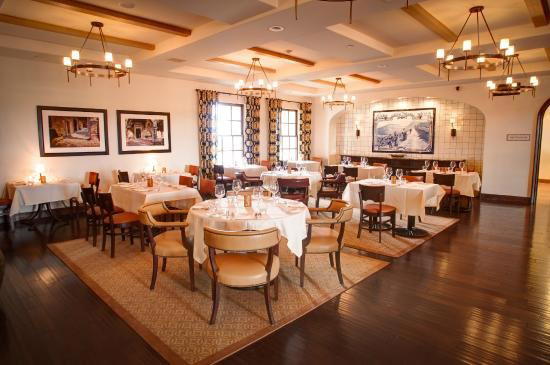
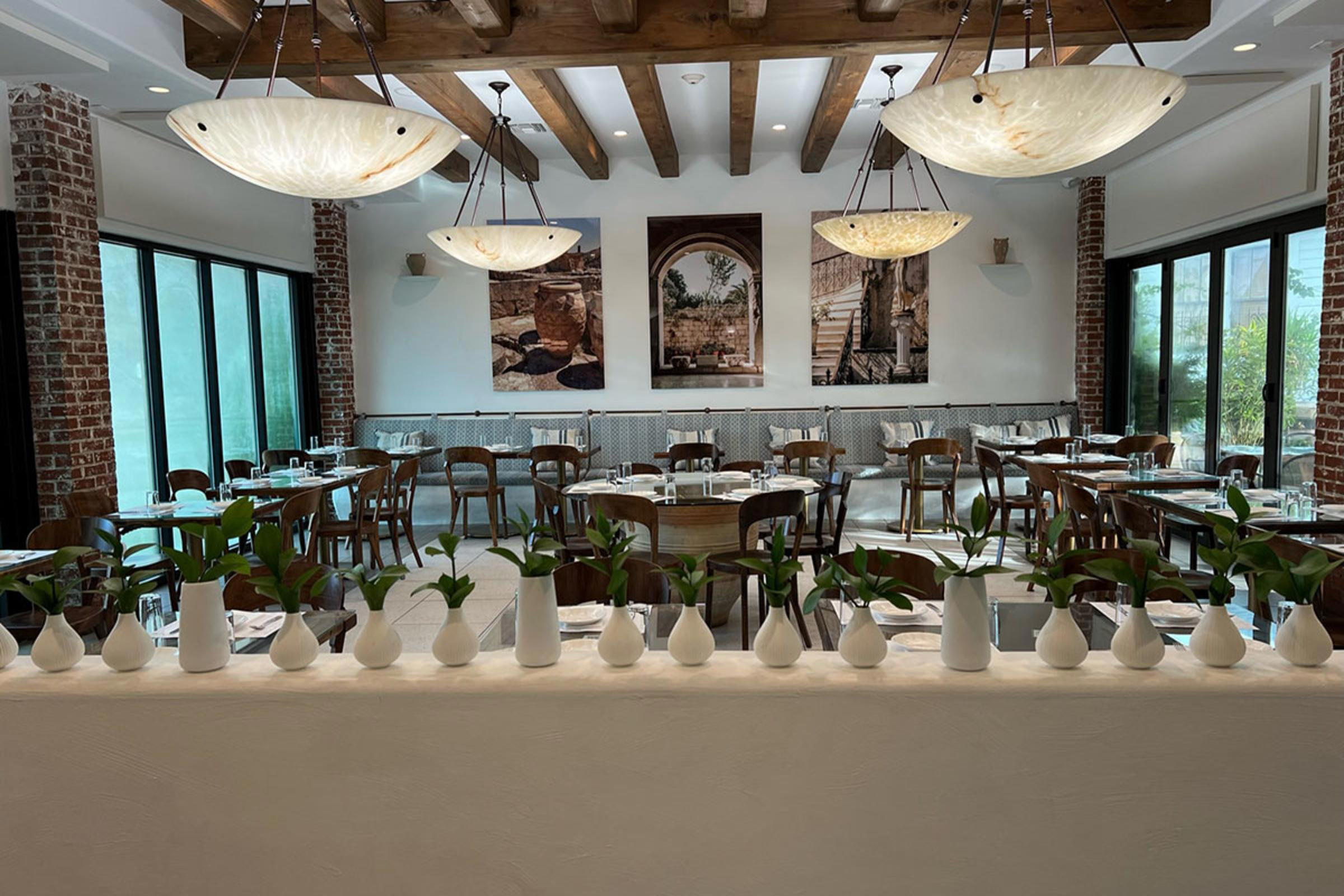
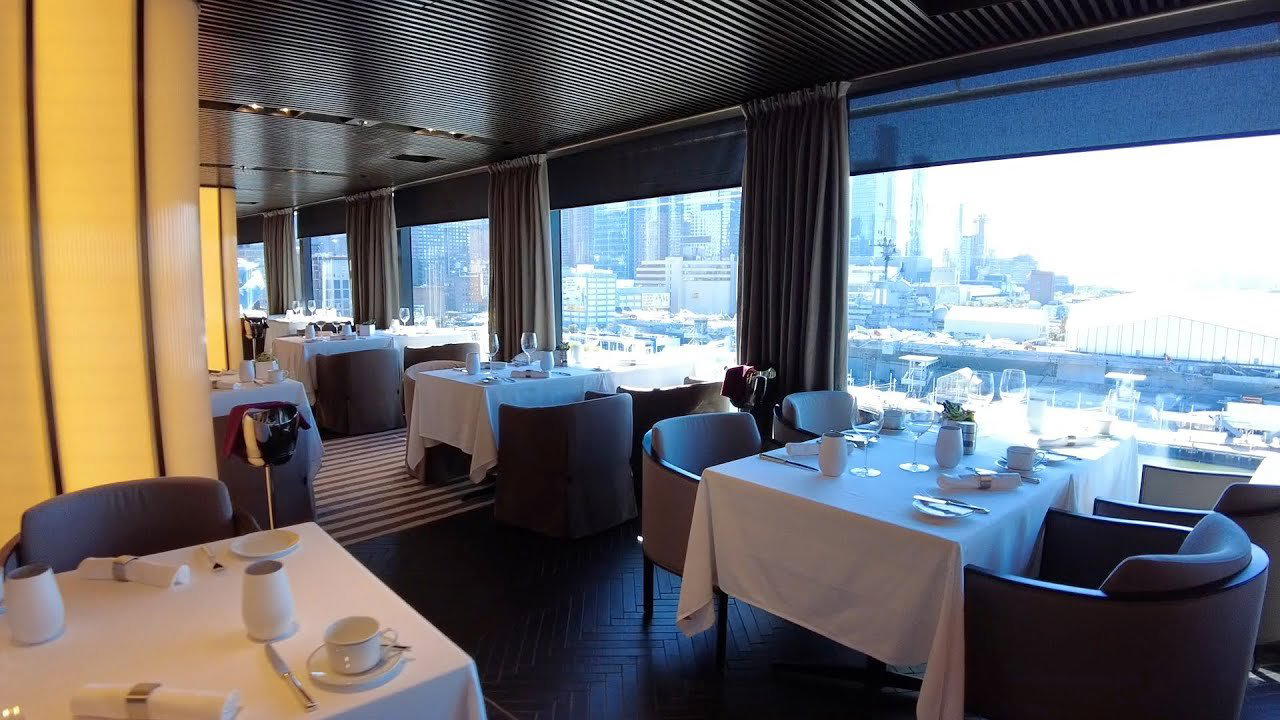
Contemporary beach-chic with ocean-inspired palette, floor-to-ceiling windows, and coastal artwork creating a serene, luxurious coastal atmosphere.