On Rue des Tourneurs in central Toulouse, La Cendrée occupies a quietly considered position in the city's mid-to-upper dining tier, where the emphasis falls on atmosphere and craft rather than spectacle. The address sits within easy reach of the pink-stone quarter that defines the city's character, placing it alongside a generation of Toulouse restaurants rethinking what refined dining means in southwest France.
Pearl is the En Primeur Club membership app — saves, bookings, and concierge access live there. Same editors, same standards.
- Address
- 11 Rue des Tourneurs, 31000 Toulouse, France
- Phone
- +33561257697
- Website
- lacendree.com
- Directions
- Get directions
 Saves & bookings on Pearl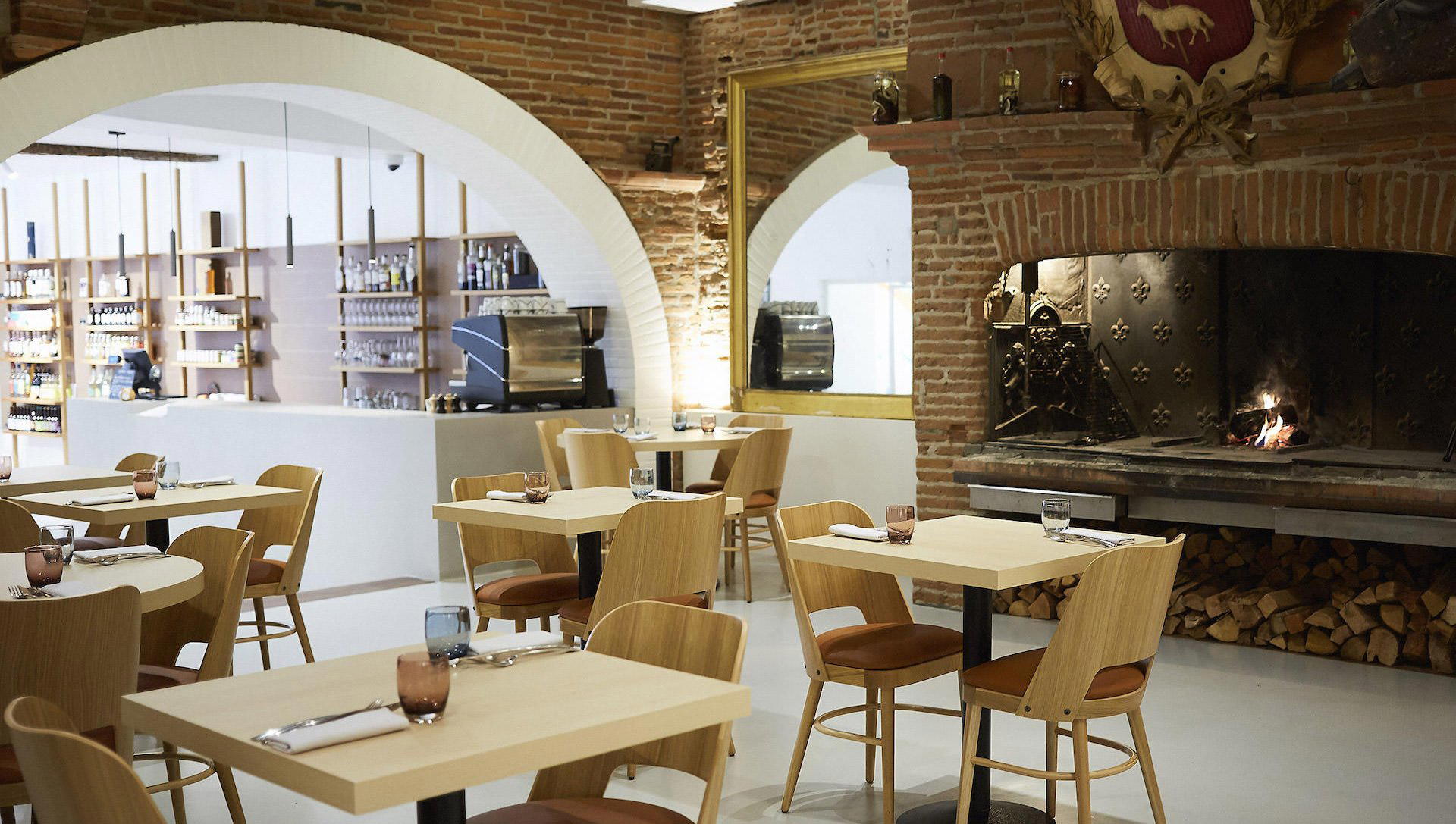
Stone, Warmth, and the Quiet Architecture of a Toulouse Dining Room
Rue des Tourneurs runs through the dense medieval grid of central Toulouse, where the city's characteristic rose-brick facades absorb afternoon light and release it slowly into the evening. It is the kind of street that rewards those who walk it without a precise agenda: narrow enough to feel sheltered, old enough to carry the weight of centuries of commerce and conversation. La Cendrée sits at number 11, and the address alone tells you something about the register it operates in. This is not a restaurant that announces itself from the boulevard. The approach is measured, the entrance understated, and the interior — from what the street suggests — is built around the logic of warmth over visual drama.
In a city where dining culture has been shaped by the produce of the southwest, from the duck confit traditions of the Gers to the black truffle routes of the Périgord, the restaurants that last tend to be those that understand restraint. The loudest rooms in Toulouse are rarely the ones that endure. La Cendrée's position on this particular street, in this particular arrondissement, signals a deliberate removal from the more tourist-facing zones around the Place du Capitole, a choice that the city's more attentive diners tend to read as a statement of intent.
Where La Cendrée Sits in Toulouse's Dining Tier
Toulouse has developed a layered restaurant scene over the past decade, and the clearest way to read it is by price point and editorial ambition. At the upper end, Michel Sarran (French, Creative, €€€€) sets the benchmark for formal haute cuisine in the city, with a kitchen that has held serious recognition for years. Py-r (Creative, €€€€) operates in the same price tier with a more contemporary format. One level below, Acte 2 Yannick Delpech and SEPT represent the Modern Cuisine bracket at €€€, where technical ambition meets a slightly more accessible format. Agapes holds a similar position with its own editorial identity.
La Cendrée's address and character suggest it belongs somewhere in that mid-to-upper register: not the full ceremony of a starred room, but a step beyond the casual. This is a tier that has grown considerably in French provincial cities since the mid-2010s, as a generation of chefs trained in formal kitchens began opening smaller, more personal rooms where the food carried weight without the formality of tableside theatre. Toulouse has benefited from that shift more than most regional cities, partly because its proximity to the produce of the southwest gives even modest kitchens access to ingredients that larger urban markets have to import.
The Sensory Register of a Room Like This
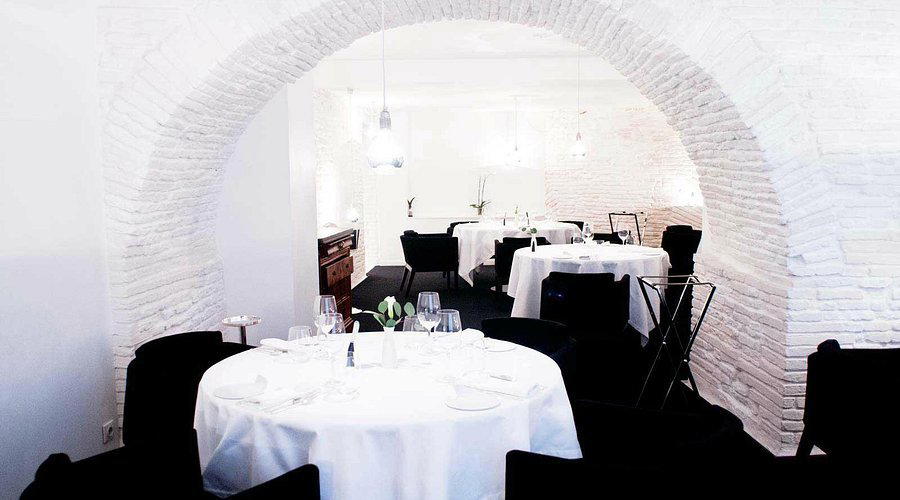
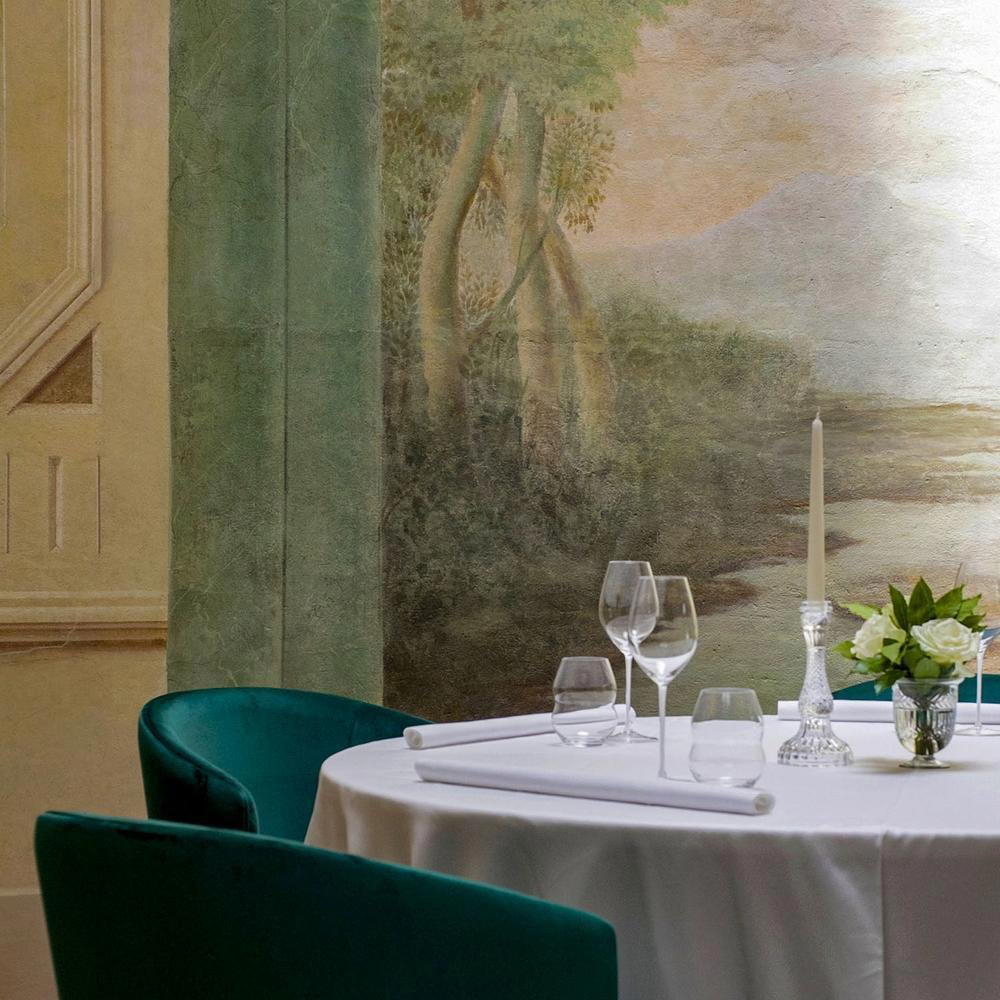
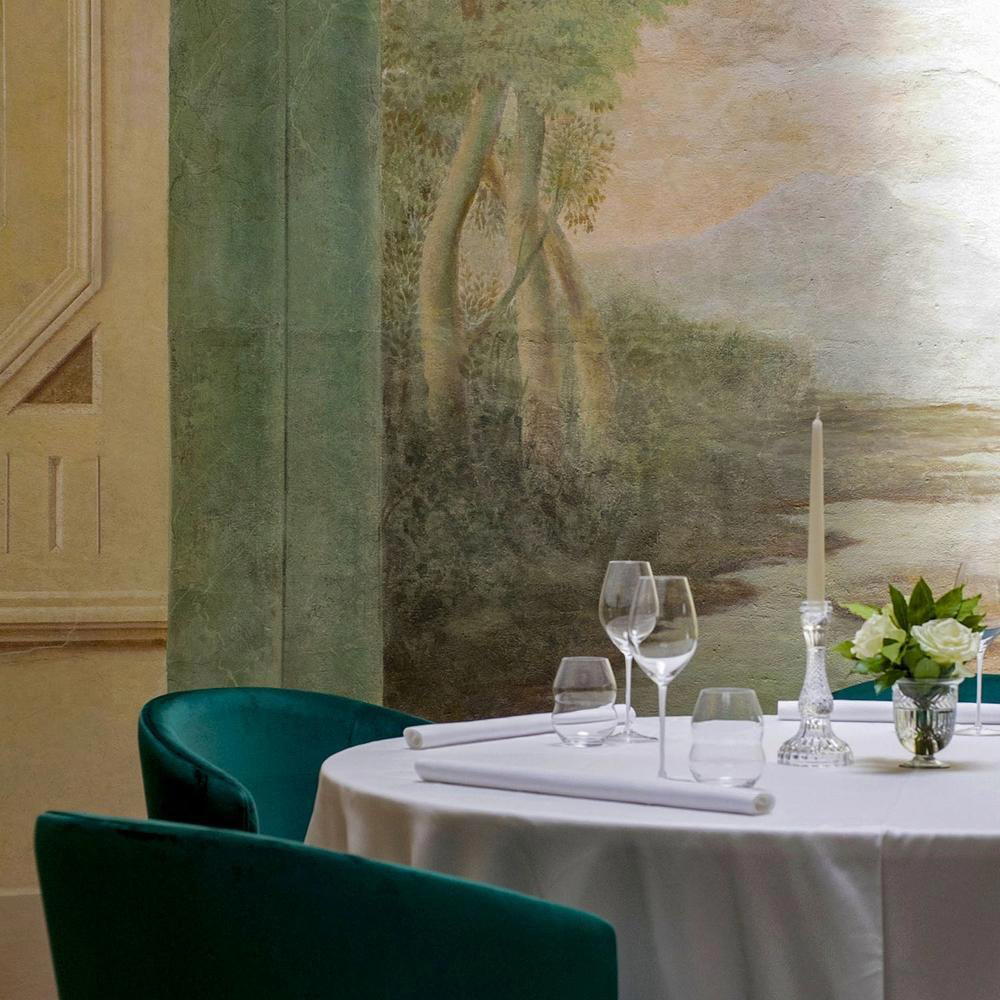
The editorial angle that matters here is not what La Cendrée looks like in a photograph but what it feels like to be inside it. French dining rooms of this type, on streets like Rue des Tourneurs, tend to share certain atmospheric qualities that distinguish them from both the white-tablecloth formality of the grand restaurant and the deliberate casualness of the natural wine bar. The light is usually warm and indirect. The sound level sits at a pitch where conversation is possible without effort. Stone or plaster walls, if present, absorb rather than reflect sound, and the temperature tends toward comfort rather than the clinical cool of a room designed to impress on arrival.
What this sensory environment produces, when it works, is a kind of attentiveness in the diner. Without visual spectacle competing for attention, the food becomes the primary event. In southwest France, that is a reasonable bet: the region's produce, from Basque peppers to Aveyron lamb, from Armagnac-braised dishes to the dairy traditions of the Pyrenean foothills, offers a kitchen enough to work with that the plate can carry the room. The leading dining experiences in French provincial cities often operate on exactly this logic: the room creates the conditions; the kitchen delivers the content.
For readers building a broader picture of how this kind of French dining compares at the national level, the reference points extend well beyond Toulouse. Houses like Bras in Laguiole and Flocons de Sel in Megève represent the form at its most developed in the French provinces, where landscape and produce inform the kitchen's language. Mirazur in Menton and Auberge de l'Ill in Illhaeusern show how deeply rooted, regionally specific cooking can anchor a restaurant's identity across decades. Closer to the formal end, Alléno Paris au Pavillon Ledoyen, Assiette Champenoise in Reims, Au Crocodile in Strasbourg, and Troisgros in Ouches define what French institutional cooking looks like when it commits to a single direction over generations. And for readers who follow French-trained cooking internationally, Le Bernardin in New York City, Atomix, and AM par Alexandre Mazzia in Marseille show the range of directions that technical French foundations can travel. Paul Bocuse in Collonges-au-Mont-d'Or remains the most historically documented reference point for understanding how French regional cooking became an international language.
Planning a Visit: Timing, Location, and What to Expect
La Cendrée is at 11 Rue des Tourneurs, 31000 Toulouse. The street sits within the historic centre, making it accessible on foot from the main transport nodes of the city. For visitors arriving by rail, Toulouse Matabiau connects the city to Paris Montparnasse in roughly four hours by TGV, and the walk or short Metro ride from the station to this part of the old city takes under twenty minutes.
The seasonal consideration that matters most for a restaurant in this position is the rhythm of southwest French produce. Autumn brings the region's truffle and game calendar into full swing; late spring and early summer are when the vegetable gardens of the Lauragais and Tarn valleys deliver at their most varied. Booking ahead is advisable for weekend evenings in both seasons, when the city's own dining population competes with visitors for covers in the better rooms. Midweek lunches, where available, tend to offer the most relaxed version of this kind of experience. Current hours and booking routes are best confirmed directly via the restaurant or a current reservations platform, as these details shift by season.
For a broader view of where La Cendrée sits in Toulouse's dining culture, our full Toulouse restaurants guide maps the city's scene across price tiers and neighbourhoods.
How La Cendrée Toulouse compares with similar nearby venues.
| Venue | Cuisine | Price |
|---|---|---|
| Genty Magre | Classic Cuisine | €€ |
| L'Air de Famille | Traditional Cuisine | €€ |
Continue exploring
More in Toulouse
Restaurants in Toulouse
Browse all →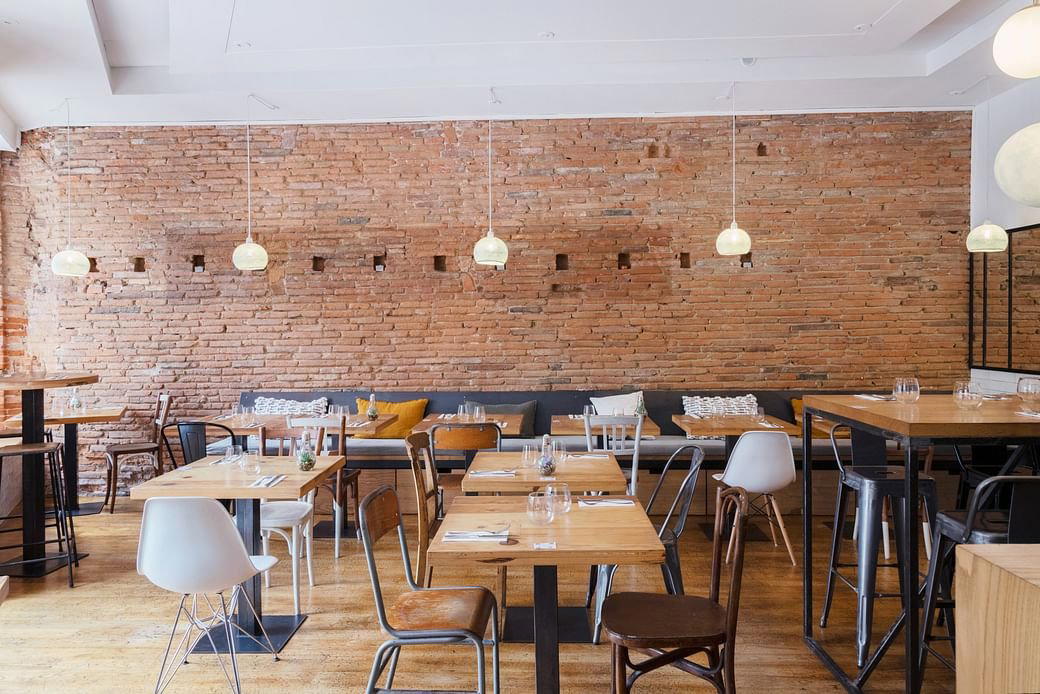
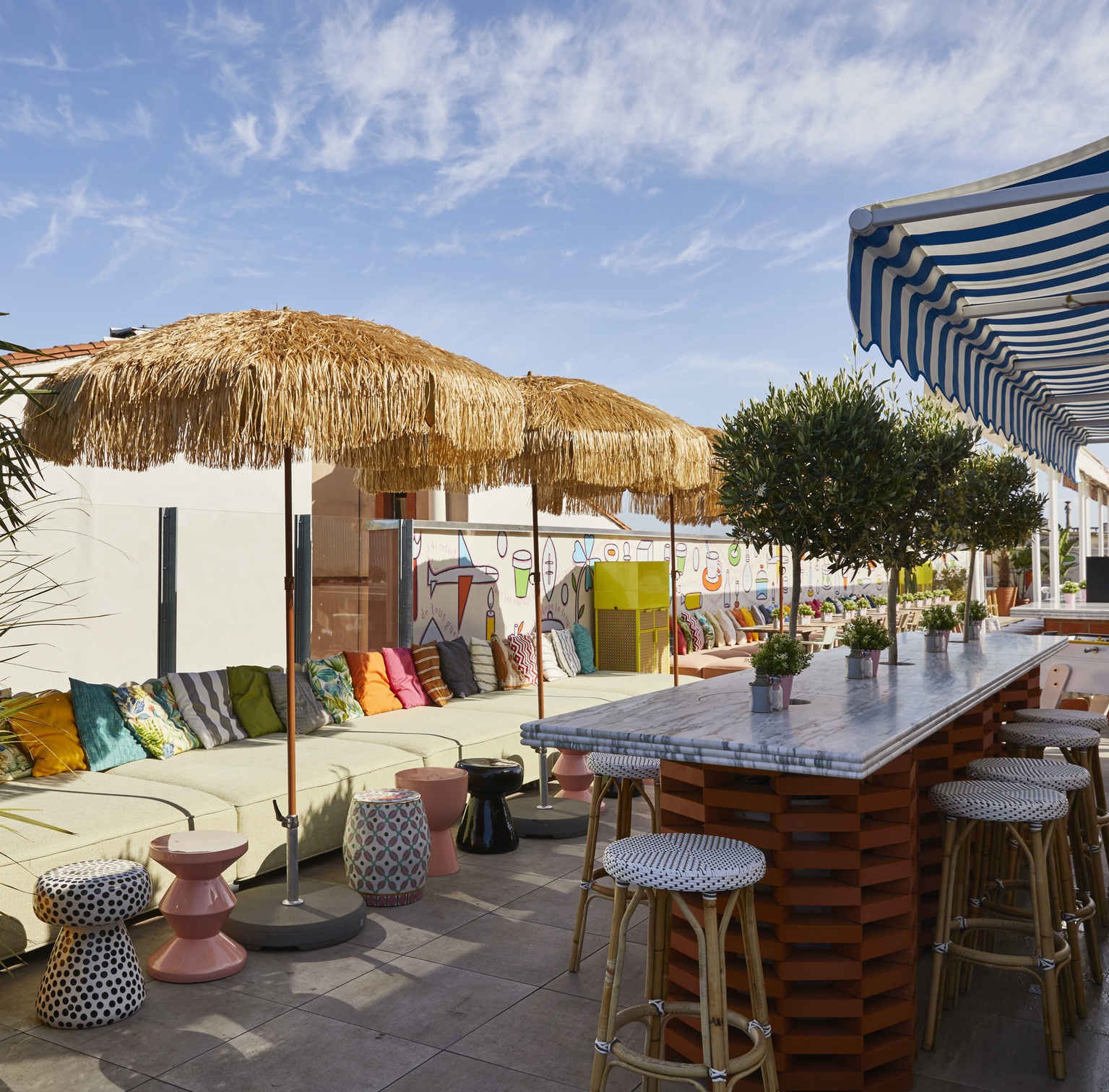
Bars in Toulouse
Browse all →
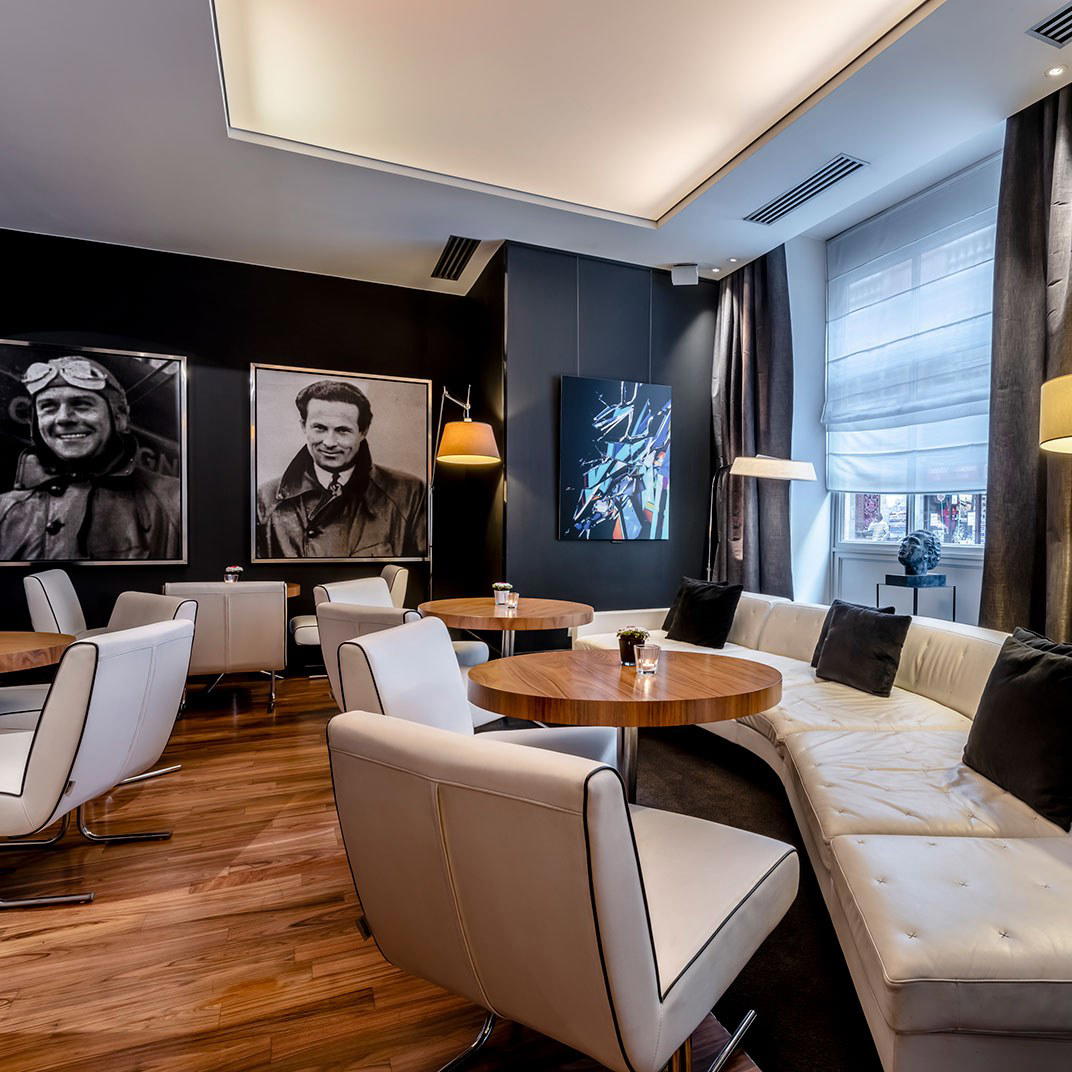
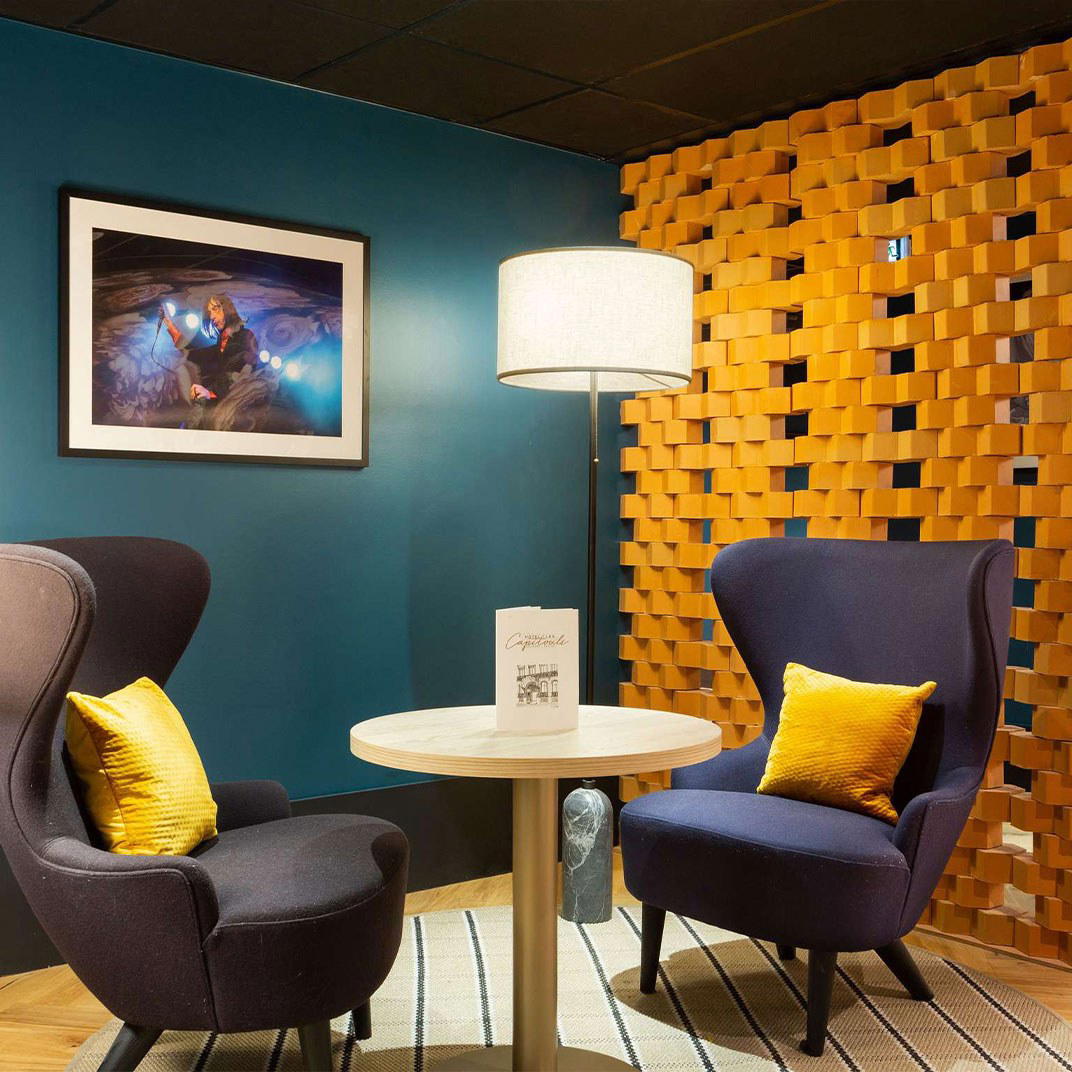
Hotels in Toulouse
Browse all →
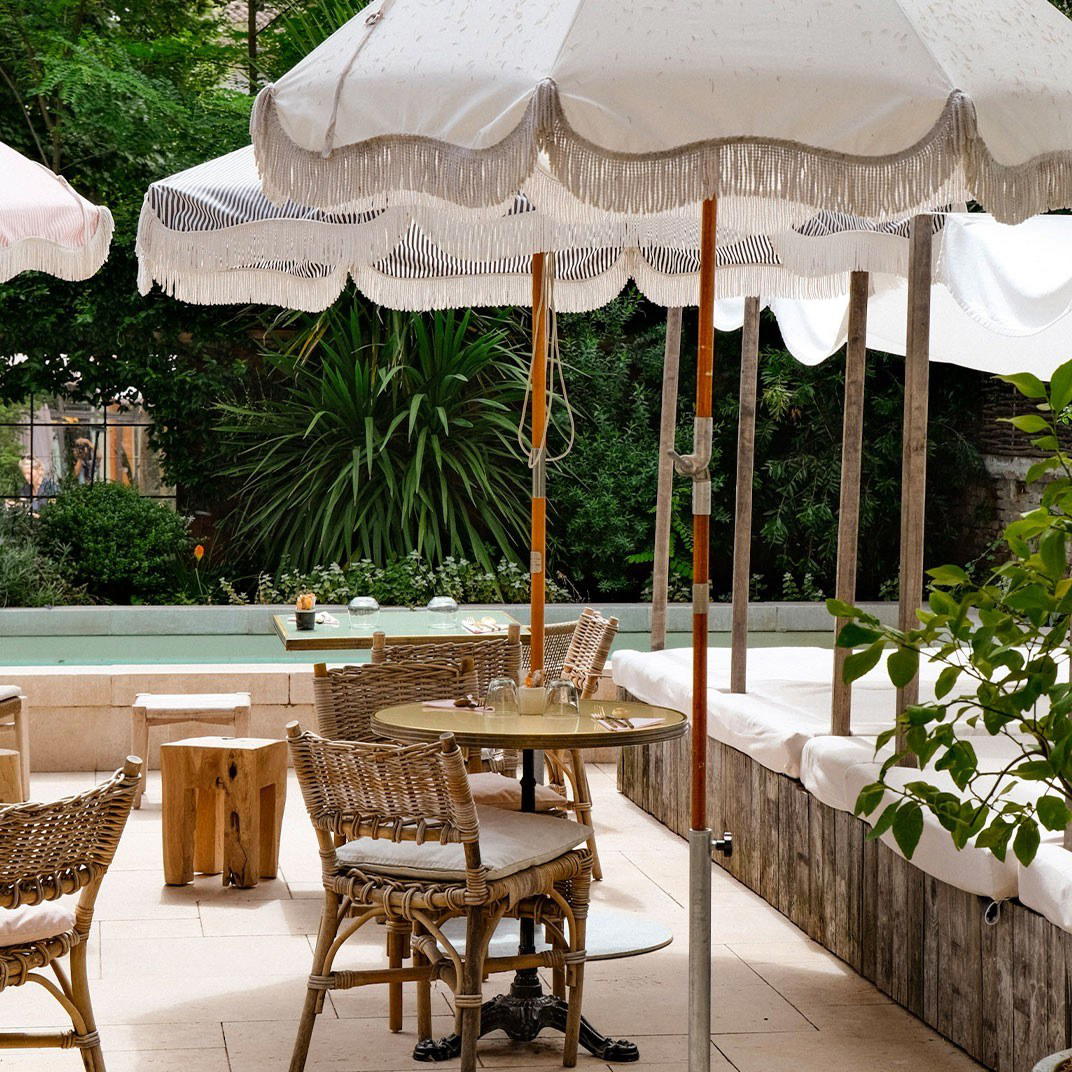
Wineries in Toulouse
Browse all →

At a Glance
- Cozy
- Classic
- Intimate
- Historic
- Date Night
- Special Occasion
- Historic Building
- Open Kitchen
- Local Sourcing
Current opening hours
- Monday
- Closed
- Tuesday
- 12–2 PM, 7:30–9:30 PM
- Wednesday
- 12–2 PM, 7:30–9:30 PM
- Thursday
- 12–2 PM, 7:30–9:30 PM
- Friday
- 12–2 PM, 7:30–9:30 PM
- Saturday
- 12–2 PM, 7:30–9:30 PM
- Sunday
- Closed
Hours can change for holidays and private events. Last verified .
Warm and cozy atmosphere with historic charm, old-fashioned style, and meals by the fireside.
Know Before You Go
- Getting there
- 11 Rue des Tourneurs, 31000 Toulouse, France