Krok occupies a corner of Toulouse's 31300 postcode where sourcing-led cooking has been quietly gaining ground against the city's more established fine-dining addresses. The room and the approach sit closer to the ingredient-first tradition than to the Michelin formality of peers like Michel Sarran or Py-r. For visitors planning around the Occitan food scene, it represents a useful counterpoint to the city's better-known tables.
Pearl is the En Primeur Club membership app — saves, bookings, and concierge access live there. Same editors, same standards.
- Address
- 12 Av. Etienne Billières, 31300 Toulouse, France
- Phone
- +33624227871
- Website
- krok-toulouse.fr
- Directions
- Get directions
 Saves & bookings on Pearl
Where Toulouse's Sourcing-Led Dining Has Room to Breathe
The stretch of Avenue Etienne Billières in the 31300 district sits at some distance from the postcard version of Toulouse: the pink-brick riverfront, the weekend crowds pressing through the old quarter. That physical remove is, in dining terms, rarely an accident. Across French cities of comparable size, the restaurants that prioritise ingredient provenance over spectacle tend to settle in neighbourhoods where rents allow the kitchen to spend more on produce. Krok, at number 12 on that avenue, follows that pattern.
The broader context matters here. Toulouse has spent the past decade building a serious modern-dining identity beyond its cassoulet tradition. Michel Sarran anchors the city's high-end creative French tier at the €€€€ level. Py-r operates in the same price bracket with a similarly refined creative approach. Further down the register, Acte 2 Yannick Delpech and SEPT represent the modern-cuisine middle tier at €€€. Krok sits within this expanding ecosystem, occupying a position where the editorial interest is less about formal credentials and more about what arrives on the plate and where it came from.
The Sourcing Tradition Krok Connects To
Southern France has one of the most argument-worthy ingredient geographies in the country. The Gers to the west supplies duck fat, foie gras, and Gascon pork of genuine quality. The Pyrenean foothills to the south contribute lamb, mountain cheeses, and wild mushrooms with a seasonal rhythm that is well-documented in regional cooking. The Tarn and Aveyron valleys feed into Toulouse's markets with vegetables and river produce that rarely make it north to Paris. Restaurants that actually engage with this supply network, rather than treating it as a branding exercise, tend to cook differently: menus shift on shorter cycles, preparations follow what the market week allows rather than a fixed repertoire.
This model has precedent at the highest levels of French cooking. Bras in Laguiole, roughly 200 kilometres northeast of Toulouse, built its three-Michelin-star reputation almost entirely on the proposition that the Aubrac plateau's own flora and fauna were sufficient subject matter for a serious kitchen. Flocons de Sel in Megève does comparable work with Alpine terroir. In Menton, Mirazur has made its garden the explicit organising principle of the tasting menu. These are the reference points for what ingredient-led cooking can mean at its most deliberate. Krok operates at a different scale, in a neighbourhood rather than a destination setting, but the underlying question it engages with is the same: does the sourcing argument hold up in the cooking?
The Room and the Register
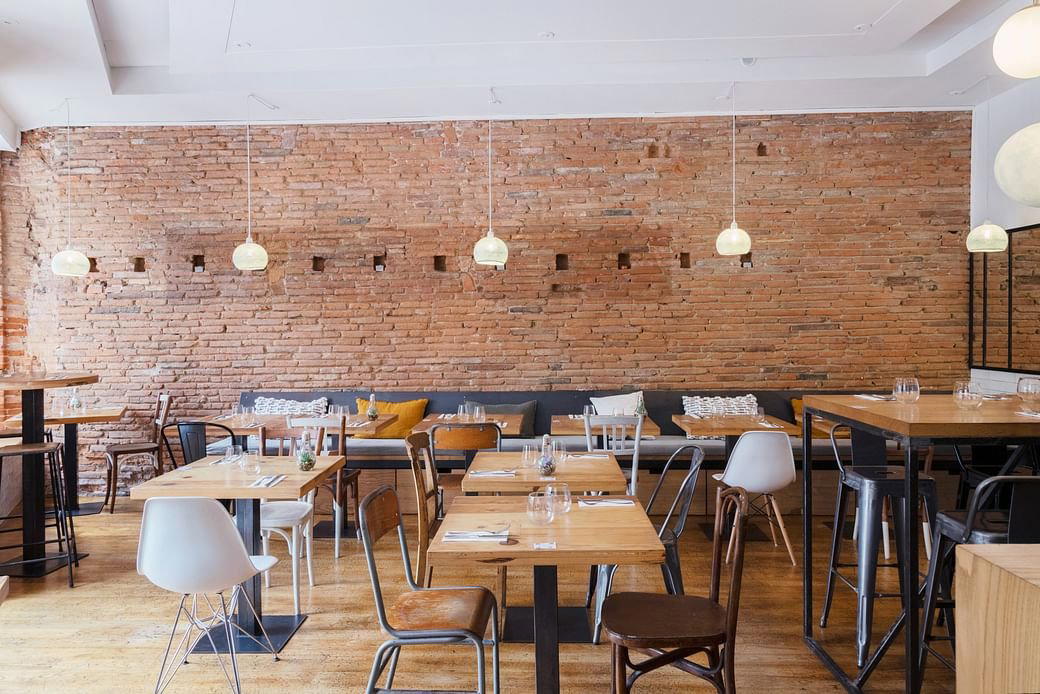
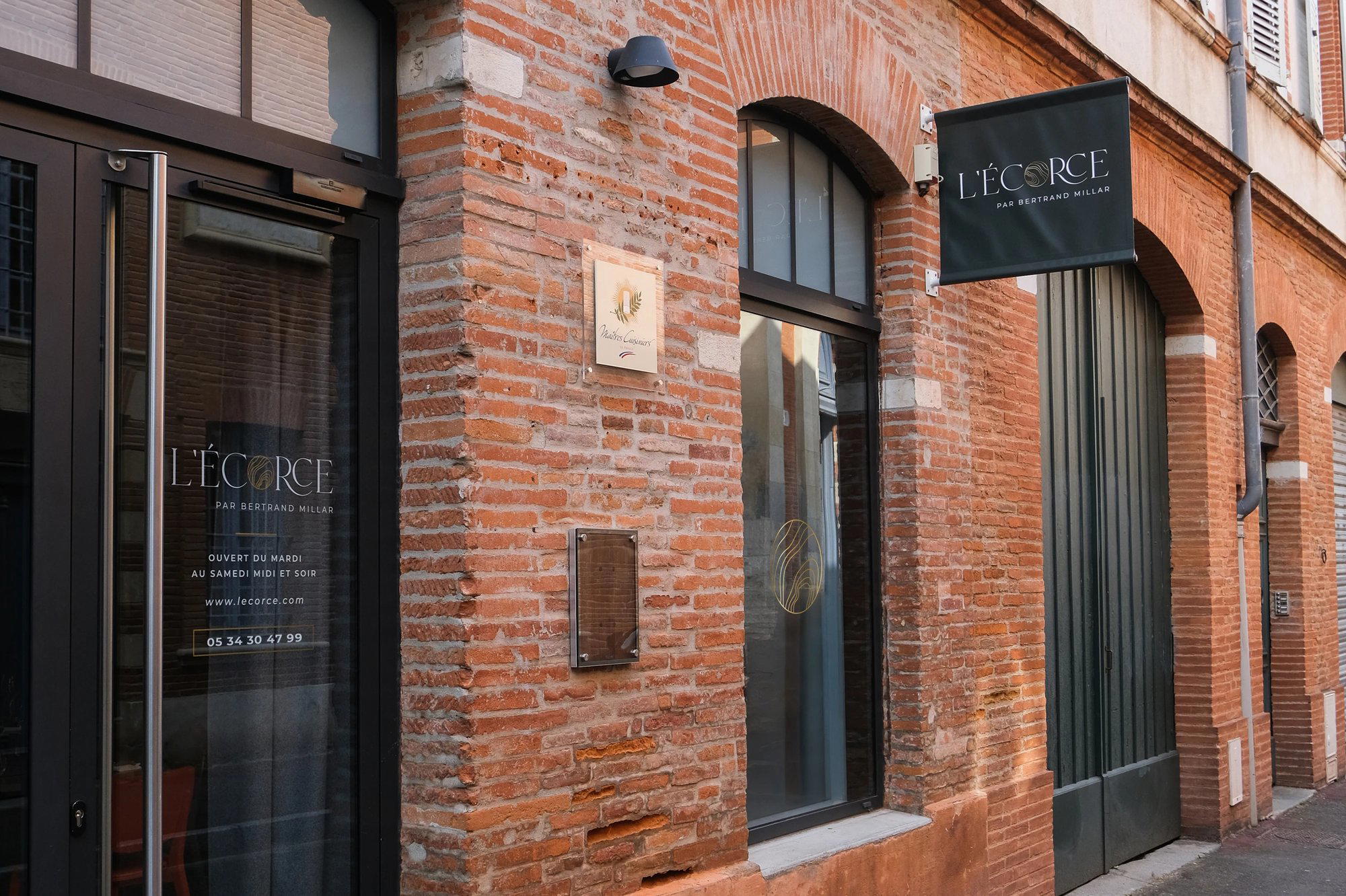
The physical approach to Krok along Avenue Etienne Billières is more functional than atmospheric in the conventional sense. The street is a working urban artery, not a dining destination boulevard. That sobriety in setting tends to concentrate attention on the table itself, which in ingredient-led cooking is where it belongs. French dining rooms of this character, found in neighbourhood arrondissements in Lyon or in the less-trafficked quarters of Bordeaux, usually telegraph their priorities through a certain restraint: spare tables, a short written menu, a wine list weighted towards regional and natural producers.
For comparison within Toulouse, Agapes works in a similar modern-cuisine register and gives a sense of what this tier of the city's dining looks like when it is operating with precision. The sourcing-led, farm-to-table model also appears at addresses like L'Alouette at the €€ level, suggesting that Toulouse's appetite for produce-forward cooking runs across price points.
Where This Sits Against French Fine Dining
French restaurant cooking is not one thing, even within a single category. The formal grandes maisons tradition, represented nationally by addresses like Paul Bocuse's Auberge du Pont de Collonges or Auberge de l'Ill in Illhaeusern, prioritises technical continuity and classical form. The chef-driven creative tier, exemplified by Alléno Paris au Pavillon Ledoyen or Assiette Champenoise in Reims, makes the kitchen itself the argument. The ingredient-sourcing tier asks a different question: does the provenance of what is cooked justify the meal? Troisgros in Ouches holds Michelin's highest recognition while working with local producers in the Loire; AM par Alexandre Mazzia in Marseille draws on Mediterranean market rhythms for its three-star tasting format. Krok participates in the same conversation at a neighbourhood scale, which is a legitimate and often more accessible entry point into that culinary logic.
For readers who follow this tradition across international borders, the sourcing argument appears in different forms at Le Bernardin in New York, where product quality is the stated foundation of the seafood-led format, and at Atomix in New York, where Korean ingredient philosophy governs a tasting menu of considerable technical refinement. Au Crocodile in Strasbourg applies Alsatian regional sourcing to a formal French structure. The common thread across all of these, regardless of cuisine or price tier, is that the kitchen's relationship with its supply chain shapes the cooking in ways that a static, repertoire-led menu cannot.
Planning a Visit
Krok is located at 12 Avenue Etienne Billières in the 31300 district of Toulouse, reachable from the city centre by a short tram or taxi ride. Given the absence of published booking data, contacting the restaurant directly for reservation availability is the advisable approach, particularly for weekend evenings when Toulouse's neighbourhood dining rooms across all price tiers tend to fill. For visitors building a wider itinerary across the city's modern-cuisine tier, the full Toulouse restaurants guide maps the competitive set in detail, from the €€€€ creative addresses through to the farm-to-table end of the spectrum.
Frequently Asked Questions
What should I eat at Krok?
The editorial case for Krok rests on its sourcing-led approach rather than a fixed signature repertoire, which means the menu's most reliable guide is whatever reflects the regional season at the time of your visit. Southern France's ingredient calendar is well-defined: Gascon duck and mountain lamb dominate autumn and winter menus across the region, while the spring and summer windows bring Tarn valley vegetables and Pyrenean produce into play. Arriving with that seasonal framework in mind, rather than expecting a set list of dishes, tends to produce the more satisfying outcome at restaurants of this type.
How far ahead should I plan for Krok?
Toulouse's neighbourhood dining rooms, particularly those operating in the modern-cuisine and sourcing-led registers, book faster on weekends than the city's higher-profile fine-dining addresses, where the higher price point naturally moderates demand. Without published capacity or booking-window data for Krok specifically, a reasonable planning horizon is one to two weeks for midweek sittings and two to three weeks for weekend evenings. If you are building a broader Toulouse itinerary around the city's €€€€ tier, addresses like Michel Sarran or Py-r typically require longer lead times and formal reservation channels.
Is Krok a good choice for visitors already familiar with Toulouse's established fine-dining scene?
For visitors who have already covered the city's higher-profile creative-French addresses, Krok represents a different register of the same regional conversation, one focused on provenance and neighbourhood character rather than tasting-menu formality. The 31300 location places it outside the usual tourist circuit, which is part of the point: ingredient-led cooking in a working-district setting gives a more accurate reading of how Toulouse's food culture operates day to day. It pairs well as a contrast to a meal at one of the €€€€ addresses in the city's centre.
Quick Comparison
| Venue | Cuisine | Price | Awards |
|---|---|---|---|
| KrokThis venue — the venue you are viewing | This venue | Not listed | Not listed |
| Michel Sarran | French, Creative | €€€€ | Michelin 1 Star |
| Py-r | Creative | €€€€ | Michelin 2 Star |
| Acte 2 Yannick Delpech | Modern Cuisine | €€€ | Michelin 1 Star |
| Chez Loustic | Modern Cuisine | €€ | Modern Cuisine, €€ |
| L'alouette | Farm to table | €€ | Farm to table, €€ |
Continue exploring
More in Toulouse
Restaurants in Toulouse
Browse all →
Bars in Toulouse
Browse all →
Hotels in Toulouse
Browse all →
Wineries in Toulouse
Browse all →
At a Glance
- Cozy
- Casual Hangout
Casual counter-service spot with friendly service.
Know Before You Go
- Getting there
- 12 Av. Etienne Billières, 31300 Toulouse, France