On Rue Saint-Léon in Toulouse's Saint-Cyprien quarter, Le Pic Saint Loup occupies a city where Gascon tradition and modern French ambition compete for the same dining room.
Pearl is the En Primeur Club membership app — saves, bookings, and concierge access live there. Same editors, same standards.
- Address
- 7 Rue Saint-Léon, 31400 Toulouse, France
- Phone
- +33 5 61 53 81 51
- Website
- restaurantlepicsaintloup.com
- Directions
- Get directions
 Saves & bookings on Pearl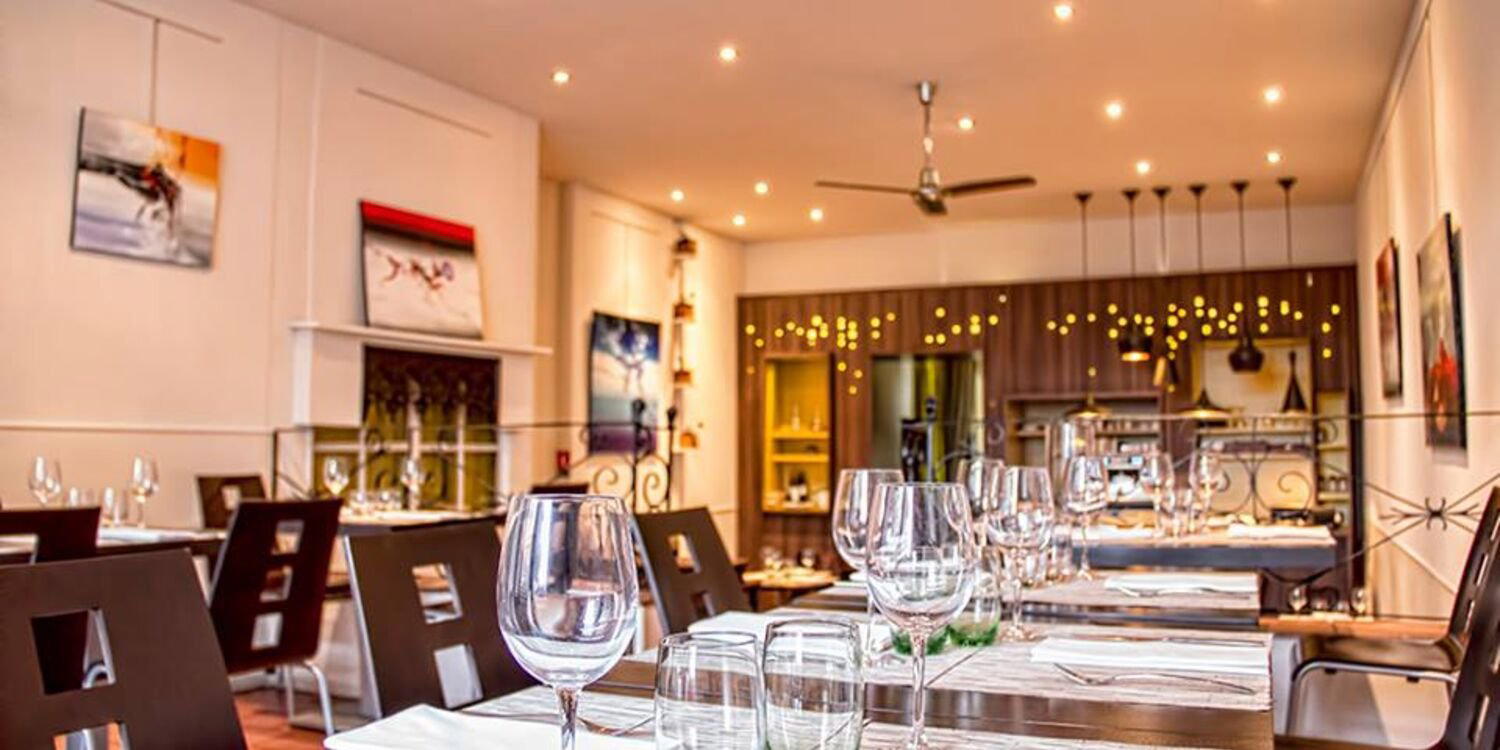
Saint-Cyprien and the Street-Level Architecture of Toulouse Dining
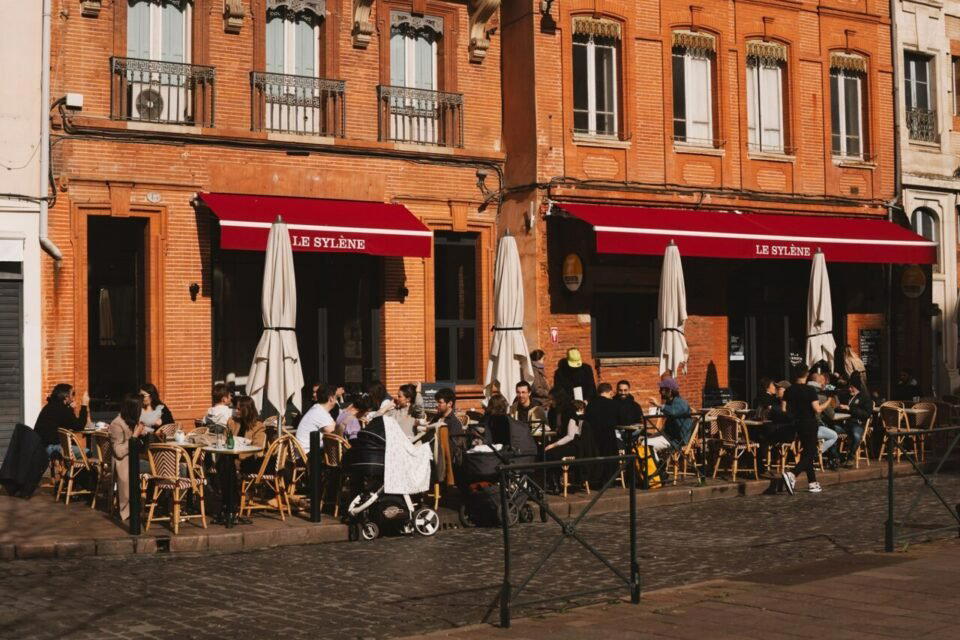
Rue Saint-Léon sits on the left bank of the Garonne, in Toulouse's Saint-Cyprien quarter — a neighbourhood that has, over the past decade, shifted from working-class periphery to one of the city's more considered dining corridors. The streets here are narrow and residential in feel, with ground-floor restaurant fronts that announce themselves through windows rather than signage. It is a format that rewards the pedestrian who is paying attention rather than the visitor scanning a map for a landmark. Le Pic Saint Loup occupies that same physical logic: address 7 Rue Saint-Léon, in a building whose exterior operates at the scale of the street around it.
This kind of embedded urban positioning is worth reading carefully. In Toulouse, as in Lyon or Bordeaux, the restaurants that have earned long-term neighbourhood credibility tend not to occupy grand purpose-built dining rooms. They are housed in converted ground floors, in spaces that carry the proportions of residential architecture — lower ceilings, smaller windows, room dimensions that were never designed for a brigade kitchen. Working within those constraints defines a certain kind of French restaurant experience, one where the intimacy of the space is structural rather than designed.
The Physical Container and What It Implies
In French provincial dining, the spatial relationship between guest and kitchen is a reliable signal of ambition and format. Larger, more formally arranged rooms, the kind you find at a table like Michel Sarran, Toulouse's two-star benchmark, tend to operate with a degree of choreographed distance between service and diner. The room is a stage. At street-level neighbourhood addresses, the dynamic compresses: tables sit closer together, the kitchen is more audible, and the service rhythm is less ceremonial.
That compression creates a particular kind of atmosphere that is common across the better independent restaurants of southwest France. It is not casual in the sense of being informal about food, but it is relaxed about the formality of the dining ritual itself. Py-r, another creative address in the city, occupies a similar spatial register, a room that communicates seriousness through restraint rather than grandeur. SEPT and Agapes follow comparable logic, each operating in spaces where the architecture does not do the convincing, the plate does.
Where Le Pic Saint Loup Sits in Toulouse's Dining Tiers
Toulouse's restaurant scene has a legible structure. At the summit, Michel Sarran holds two Michelin stars and prices accordingly, operating as the city's clearest reference point for formal haute cuisine. One tier below, addresses like Acte 2 Yannick Delpech (€€€) pursue modern cuisine with serious technical ambition but without the full ceremonial apparatus of a two-star room. Below that, a broader cohort of neighbourhood restaurants competes on value, product quality, and consistency rather than on awards positioning.
Le Pic Saint Loup's address and neighbourhood context place it within the independent dining culture of Saint-Cyprien, a quarter where the dominant mode is engaged, ingredient-led cooking rather than grand-format tasting menus. The restaurants that have found sustained audiences in this part of the city tend to be the ones that have understood the neighbourhood's appetite for good food without occasion-dining price points. That is a competitive dynamic found across French cities with active left-bank or outlying-quarter dining cultures, from Lyon's Croix-Rousse to Bordeaux's Saint-Pierre.
For broader context on French fine dining benchmarks, the range is wide. At one end sit institutions like Paul Bocuse - L'Auberge du Pont de Collonges and Auberge de l'Ill, which function as historical anchors for the French canon. At the other end of the contemporary register, tables like Mirazur in Menton and AM par Alexandre Mazzia in Marseille represent a more experimental southern French mode. Toulouse's dining scene, by contrast, has historically been grounded in Gascon product, duck, foie gras, cassoulet, with modern technique arriving more gradually and with less institutional backing than in France's other major gastronomic cities.
The Southwest French Ingredient Context
What defines the cooking culture that Le Pic Saint Loup operates within is the extraordinary raw material base of the southwest. The Gers, the Aveyron, and the Pyrénées-Atlantiques collectively supply a larder, duck confit, black Périgord truffles in winter, aged Ossau-Iraty, Bigorre black pork, that gives even modestly positioned kitchens access to products that would read as luxury ingredients in other French regions. This is the same logic that makes Bras in Laguiole so regionally coherent: the Aubrac plateau is both the setting and the source. In Toulouse, the product tradition is urban rather than estate-based, arriving through market networks at the Marché Victor Hugo and the Marché des Carmes, both within reach of the Saint-Cyprien quarter.
This ingredient culture creates a base expectation across the city's restaurants: quality of produce is a given, not a distinction. The distinction, at any tier of Toulouse dining, tends to come from what a kitchen does with that produce, whether it operates in a classical Gascon register, pursues a more contemporary French idiom, or navigates both simultaneously.
Planning a Visit
Le Pic Saint Loup is located at 7 Rue Saint-Léon, 31400 Toulouse, in the Saint-Cyprien neighbourhood, accessible on foot from the city centre via the Pont Saint-Pierre or the Pont Neuf. For a broader view of where this address sits within the city's dining options, our full Toulouse restaurants guide maps the scene across price tiers and neighbourhoods. Visitors planning a wider circuit of southern French tables may also consider Flocons de Sel in Megève, Assiette Champenoise in Reims, or Au Crocodile in Strasbourg as regional counterpoints. For transatlantic comparison, Le Bernardin in New York City and Atomix in New York City represent the kind of precision-format dining that Toulouse's leading tables increasingly benchmark against. Alléno Paris au Pavillon Ledoyen and Troisgros - Le Bois sans Feuilles offer a sense of where the formal French tradition sits at its most elaborated.
How Le Pic Saint Loup Toulouse compares with similar nearby venues.
| Venue | Cuisine | Price |
|---|---|---|
| Les Têtes d'Ail | Modern Cuisine | €€ |
| SEPT | Modern Cuisine | €€€€ |
Continue exploring
More in Toulouse
Restaurants in Toulouse
Browse all →
Bars in Toulouse
Browse all →
Hotels in Toulouse
Browse all →
Wineries in Toulouse
Browse all →

At a Glance
- Cozy
- Rustic
- Intimate
- Date Night
- Casual Hangout
- Terrace
- Garden
- Extensive Wine List
- Local Sourcing
- Garden
Current opening hours
- Monday
- Closed
- Tuesday
- 12–1:30 PM, 7:45–9:30 PM
- Wednesday
- 12–1:30 PM, 7:45–9:30 PM
- Thursday
- 12–1:30 PM, 7:45–9:30 PM
- Friday
- 12–1:30 PM, 7:45–9:30 PM
- Saturday
- 12–1:30 PM, 7:45–9:30 PM
- Sunday
- Closed
Hours can change for holidays and private events. Last verified .
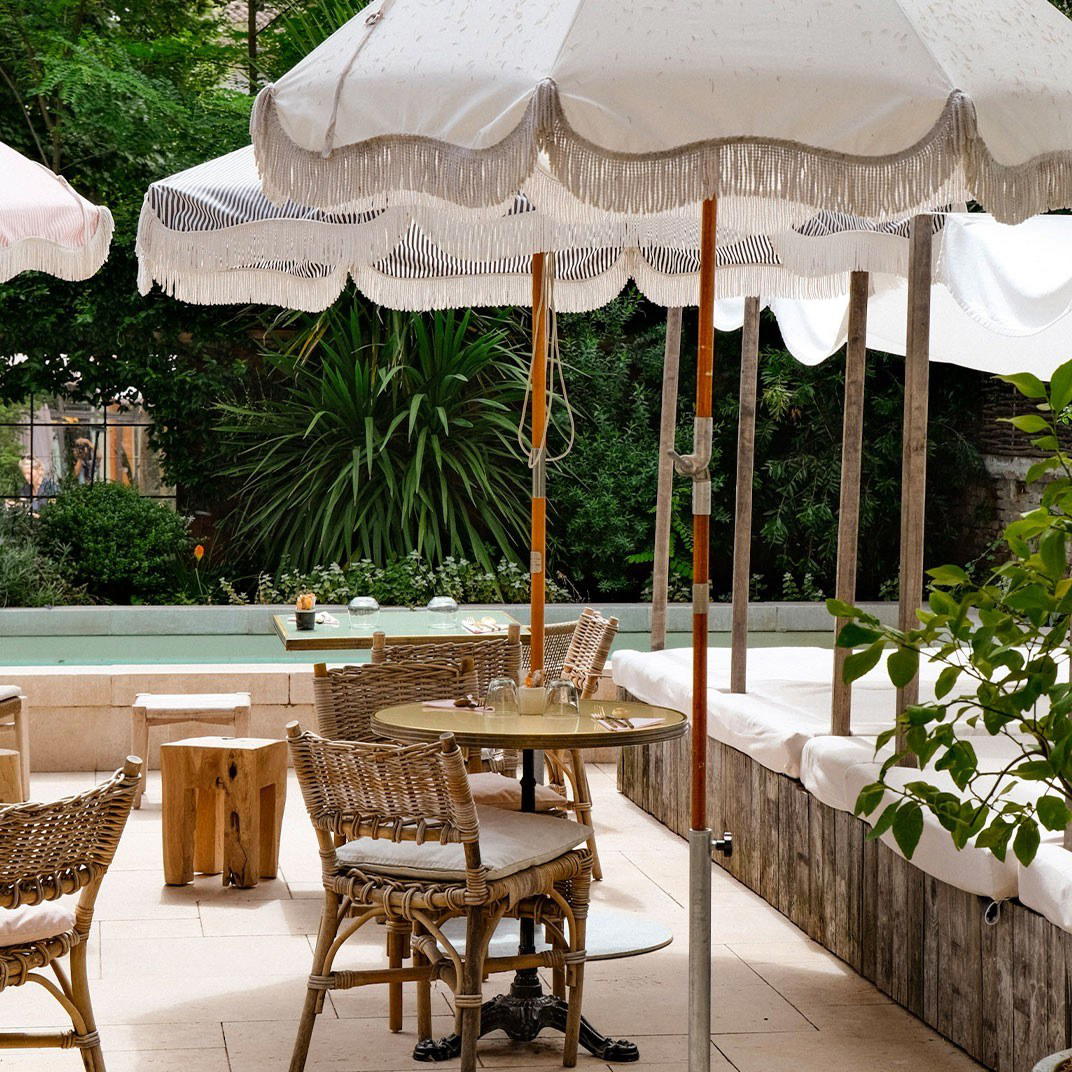
Convivial indoor room in winter with a soothing garden terrace in summer, featuring warm lighting and a welcoming atmosphere.
Know Before You Go
- Getting there
- 7 Rue Saint-Léon, 31400 Toulouse, France