1 Michelin Star
Our verdict
SEPT holds a Michelin star earned in both 2024 and 2025, placing it among Toulouse's most consistent addresses for modern cuisine. Chef Frederik Rüssel works from a room on Rue Théodore Ozenne in the Saint-Étienne quarter, where the pacing and structure of the meal are as considered as what arrives on the plate. For a city building a credible fine-dining tier, SEPT is one of the clearer reference points.

Pearl is the En Primeur Club membership app — saves, bookings, and concierge access live there. Same editors, same standards.
- Address
- 11 Rue Théodore Ozenne, 31000 Toulouse, France
- Phone
- +33 7 56 92 18 06
- Hours
- Mon ClosedTue–Thu 8–9 PMFri–Sat 12–1 PM, 8–9 PMSun Closed
- Website
- restaurant-sept.fr
- Directions
- Get directions
- Booking
- Book on the venue's website
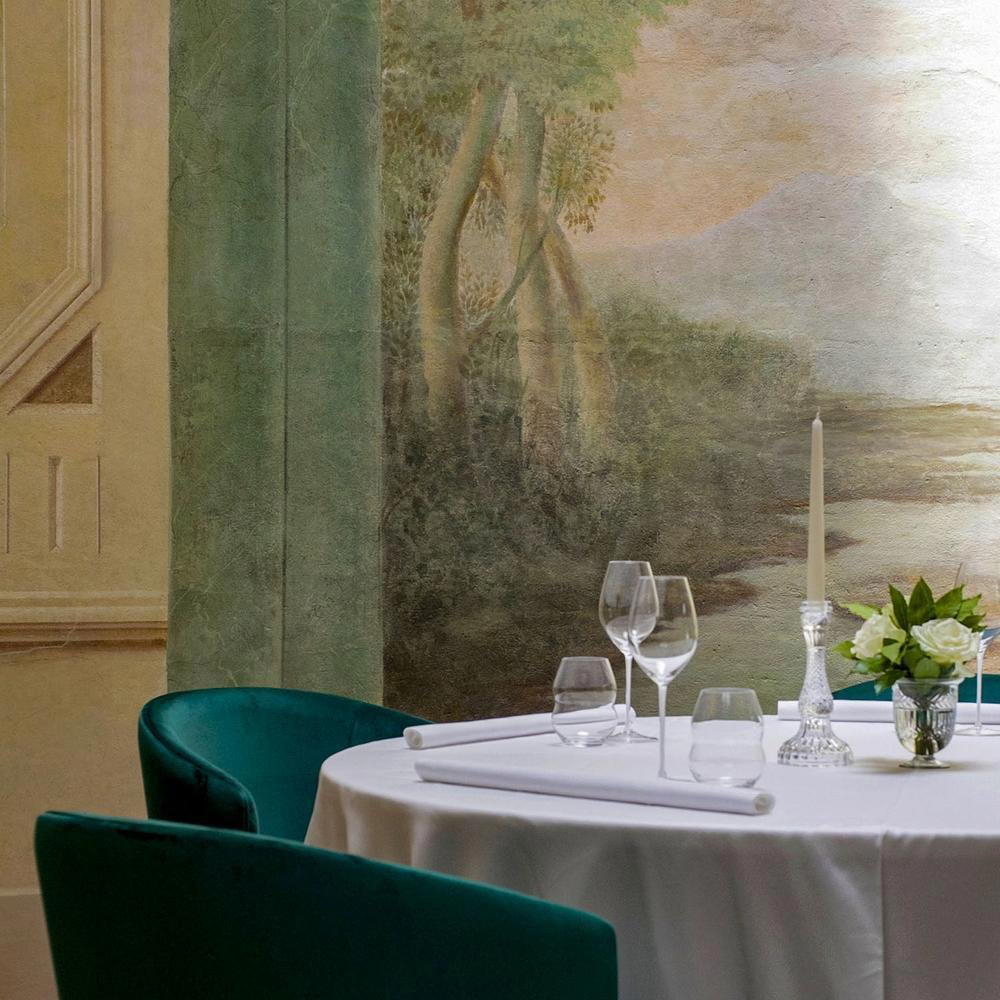
A Street in Saint-Étienne, and What Happens Inside
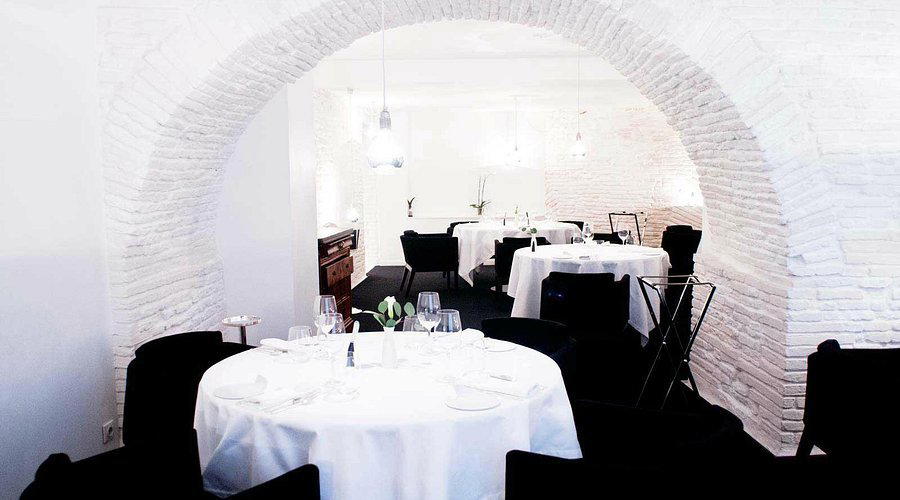
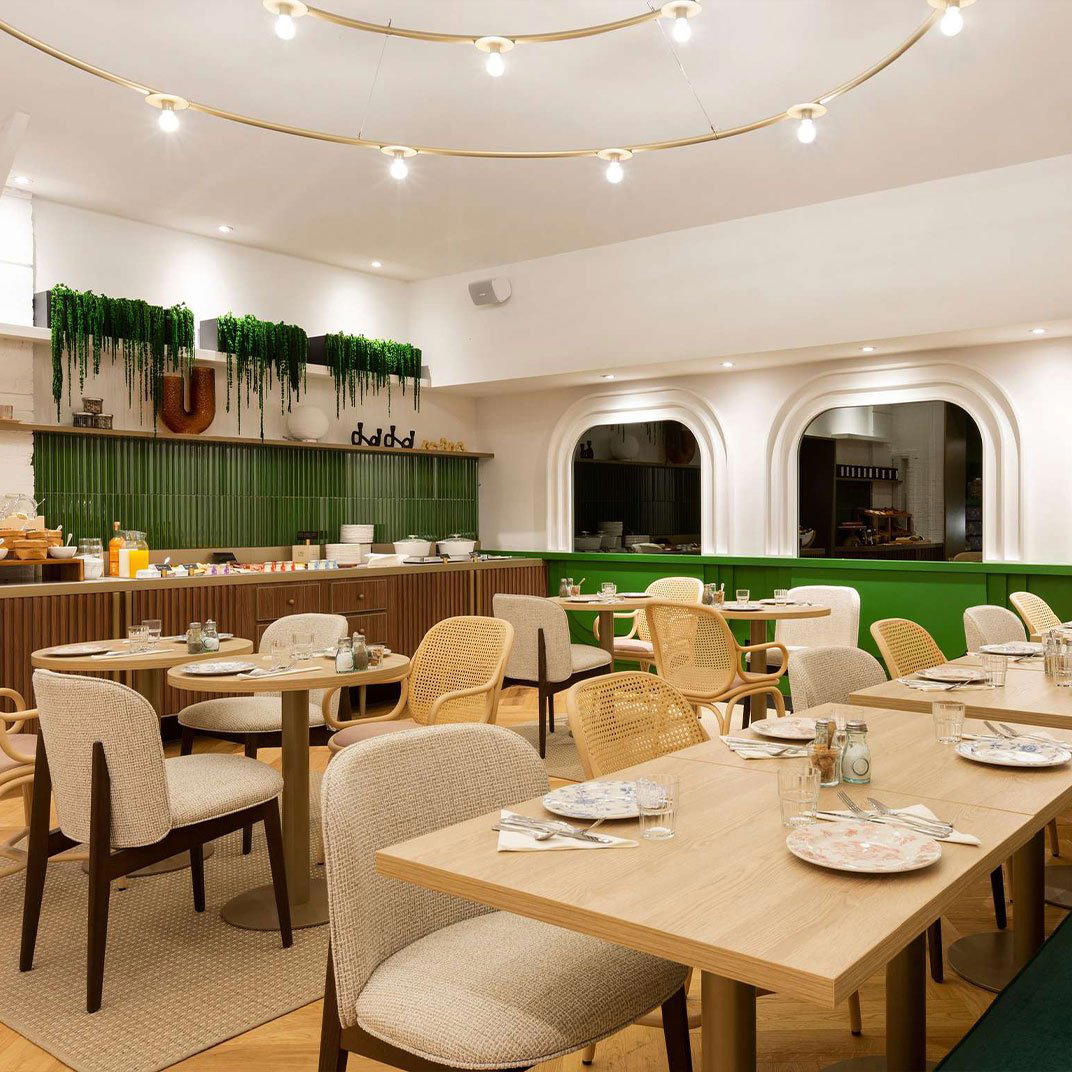
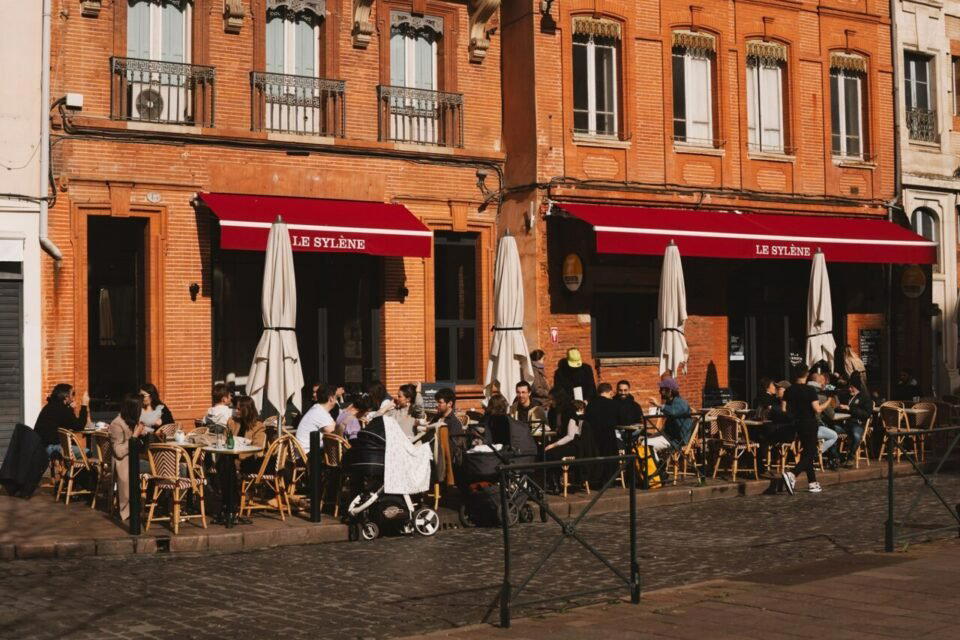
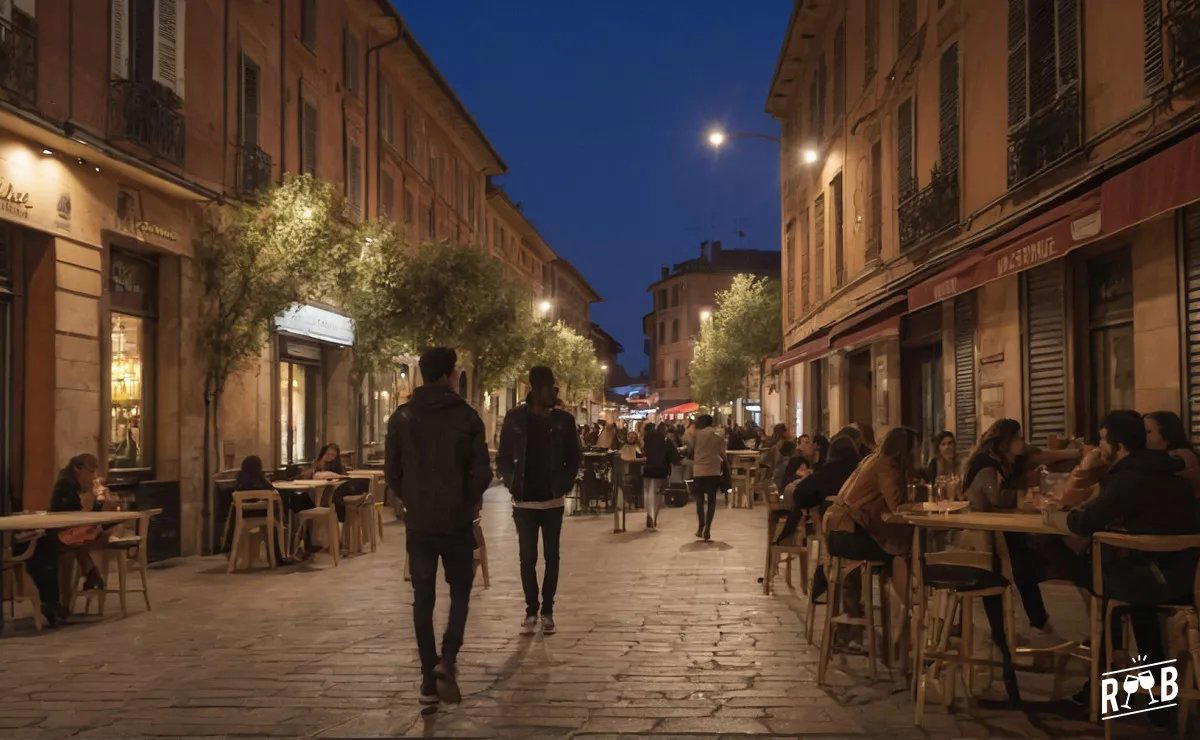
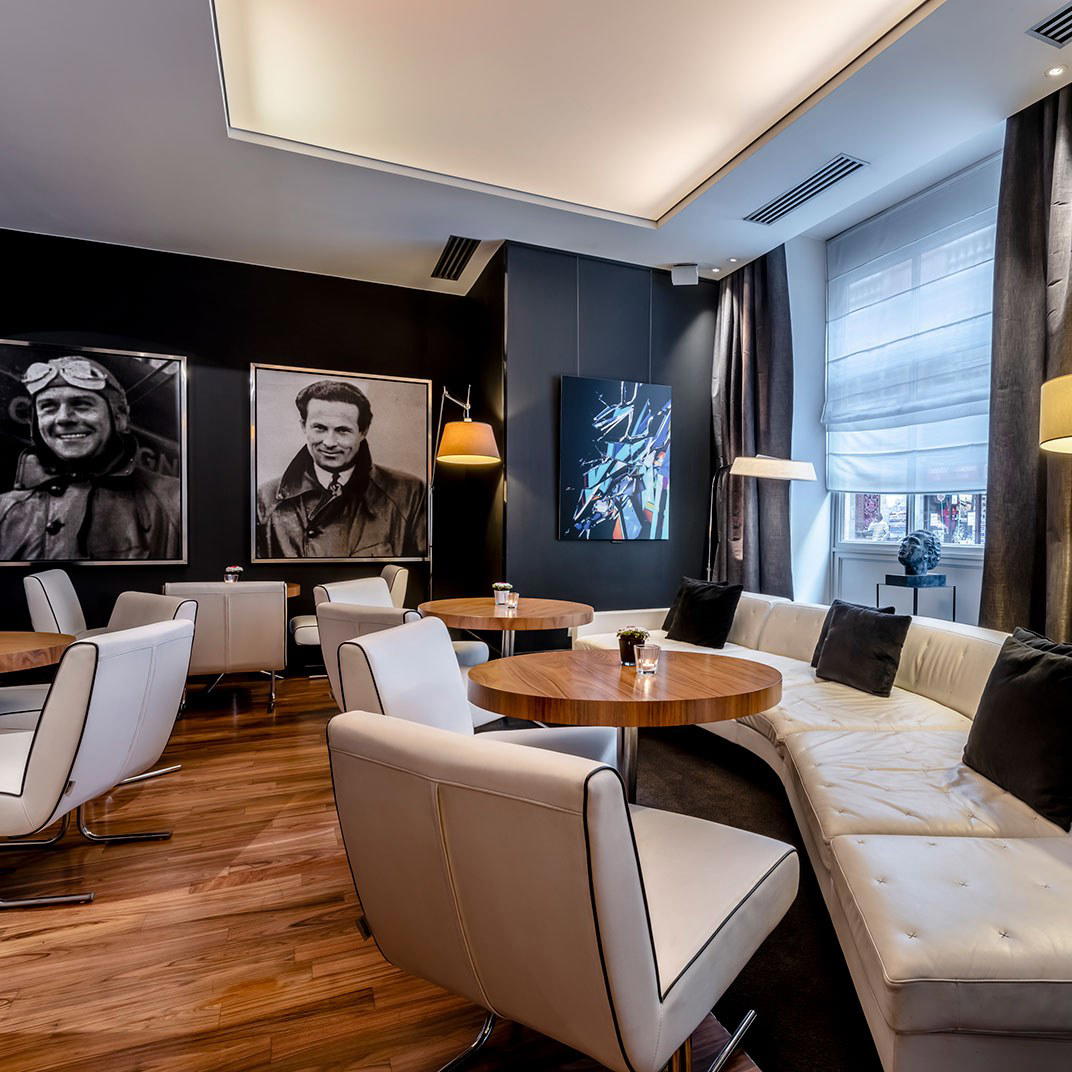
The Saint-Étienne quarter of Toulouse operates at a different register from the city's busier tourist corridors. The streets around the cathedral are narrower, the buildings older, and the foot traffic thinner after dark. Arriving at Rue Théodore Ozenne puts you in that quieter zone, and the transition from street to dining room at SEPT tends to sharpen the senses in the way that characterises well-designed intimate spaces: the temperature shifts, the ambient noise drops, and the evening declares its own terms. That atmospheric shift is not incidental. It is, in French fine dining at this tier, part of the contract.
SEPT earned its first Michelin star in 2024 and retained it in 2025, a two-year consistency that positions it within the smaller cohort of Toulouse restaurants holding meaningful national recognition. For context, the city's fine-dining tier has historically been dominated by addresses like Michel Sarran and Py-r, both operating at €€€€ with creative French formats. SEPT occupies the same price tier and now carries comparable critical weight, though its angle through modern cuisine rather than strictly regional creative cooking gives it a distinct position in that competitive set.
The Architecture of the Meal
Modern cuisine in France, at the one-star level, tends to organise itself around a particular kind of pacing: a progression of small courses that accelerates in intensity before pulling back toward something quieter at the close. This is not universal, but it is a recognisable grammar, and SEPT works within it. The meal at this address is structured rather than spontaneous, which is worth understanding before you book. You are not walking into a menu of shareable plates or a short bistro card. You are committing to a sequence, and the kitchen controls the tempo.
Chef Frederik Rüssel shapes that sequence. His name is the credential attached to the star, and it is worth knowing as context rather than biography: what matters at a table like SEPT is less where the chef trained and more what the menu communicates about technique, restraint, and local sourcing decisions. Modern cuisine at this level in France tends to lean on regional produce while framing it through more contemporary plating and flavour logic than a traditional table d'hôte would allow. Toulouse sits within reach of Gascony to the west, the Pyrenees to the south, and the Languedoc to the east, which means the produce available to a serious kitchen here is genuinely varied: duck and foie gras in one direction, mountain herbs and lamb in another, Mediterranean vegetables and seafood if the sourcing extends that far.
That geography matters because it explains why modern cuisine in this part of France does not need to import its ingredient story. The tension at addresses like SEPT is typically between that richness of local material and the discipline required not to overload a plate.
Where SEPT Sits in the Toulouse Fine-Dining Map
Toulouse's fine-dining scene is smaller than its size as France's fourth-largest city might suggest. For years, the city exported culinary talent rather than accumulating stars, and the addresses that did earn recognition were outnumbered by creative bistros and wine-forward neighbourhood restaurants. That pattern has been shifting. Acte 2 Yannick Delpech operates at the €€€ tier with a modern cuisine format. Agapes and Cécile each represent different corners of the city's mid-to-upper range. At the accessible end, Chez Loustic and Au Pois Gourmand offer modern cooking without the tasting-menu commitment.
SEPT at €€€€ with two consecutive Michelin stars sits at the top of that local hierarchy in terms of critical validation. High-concept cooking sometimes earns stars while losing general audiences; a 4.6 with meaningful volume indicates SEPT is not doing that.
Nationally, the reference points for modern cuisine in France at a higher star count include restaurants like Mirazur in Menton, Flocons de Sel in Megève, and the institutional weight of Troisgros in Ouches or Paul Bocuse in Collonges-au-Mont-d'Or. Further afield, Alléno Paris au Pavillon Ledoyen anchors the capital's end of the spectrum. SEPT is not competing at that level yet, but the trajectory of a retained star in year two is the standard signal that a kitchen has stabilised rather than peaked early. For comparison beyond France, the modern cuisine format at the one-star level shares structural DNA with addresses like Frantzén in Stockholm and its offshoot FZN by Björn Frantzén in Dubai, both of which demonstrate how the modern tasting format translates across geographies. The regional analogue in the south of France is Bras in Laguiole, where the relationship between kitchen and specific landscape has been the organising principle for decades.
The Ritual of Dining Here
At the one-star level in France, the meal is the event. There is no pre-dinner bar scene, no casual drop-in culture, no option to eat at the counter and leave early. Booking SEPT means allocating an evening to the experience, arriving close to your reservation time, and following the kitchen's sequence without negotiation. This is not a criticism. It is the format, and the format is why this kind of cooking exists.
Service at addresses like this in France tends to operate on the principle of informed restraint: staff who can explain technique and sourcing without performing it, wine suggestions that match the progression without pressuring the upgrade. Whether SEPT hits those marks on a given evening depends on factors outside any external description, but the category expectation is clear. A Michelin star implies the room and the service have been assessed alongside the food.
For planning purposes, SEPT is at 11 Rue Théodore Ozenne in the 31000 postal district, within walking distance of the Saint-Étienne cathedral and accessible by metro via the Esquirol or Carmes stations. Reservations at this level should be made well in advance, particularly on weekends and during the autumn truffle and foie gras season, when Toulouse's gastronomic calendar draws visitors from outside the region.
Planning Your Visit
SEPT is one address within a broader Toulouse food and drink scene that rewards structured exploration. For a full picture of where to eat in the city across price points, our full Toulouse restaurants guide maps the range. If you are building a longer stay, our Toulouse hotels guide covers accommodation options, and our Toulouse bars guide handles the pre- or post-dinner question. The region's wine production, including Fronton and Gaillac appellations, is covered in our Toulouse wineries guide, and cultural programming in our Toulouse experiences guide.
Frequently asked questions
What's the cuisine at SEPT?
Who is the chef at SEPT?
The chef associated with SEPT is Frederik Rüssel.
What should I order at SEPT?
SEPT operates as a modern cuisine restaurant at the one-star Michelin level, where the kitchen sets the direction rather than the diner selecting à la carte. The format under chef Frederik Rüssel follows a structured tasting progression, meaning the question is less about individual dishes and more about committing to the full sequence. Dietary requirements should be communicated at booking. The price range sits at €€€€, placing SEPT among Toulouse's most serious dining commitments.
How much does it cost to eat at SEPT?
Pricing at SEPT is listed as €€€€.
Similar Picks
| Venue | Cuisine | Price | Awards | Notes |
|---|---|---|---|---|
| SEPTThis venue — the venue you are viewing | Modern French Urban Gastronomy | $100–150 | 1 Michelin Star | Not listed |
| Michel Sarran | Modern French Gastronomy with Mediterranean & Southwest Influences | $50–100 | 1 Michelin Star · Les Grandes Tables du Monde Member | French, Creative |
| Py-r | Modern French Fine Dining | $150–200 | 2 Michelin Stars · La Liste Top Restaurants | Creative |
| Acte 2 Yannick Delpech | Modern French Gastronomy | $100–150 | 1 Michelin Star · Gault & Millau Chef's Restaurant | Modern Cuisine |
| Chez Loustic | Modern French Bistro | $30–50 | Michelin Bib Gourmand | Modern Cuisine |
| L'Air de Famille | French Bistrot | $30–50 | Michelin Bib Gourmand | Traditional Cuisine |
Recognition history
Dated appearances from independent guides and award organizations, with the underlying list record or original source where available.
Michelin 1 Star
Michelin
Full recognition history (3 entries)
Michelin 1 Star
Michelin
Michelin 1 Star
Michelin