La Canne à Sucre
On the waterfront of Pointe-à-Pitre's Quai Foulon, La Canne à Sucre draws on Guadeloupe's agricultural heritage and creole culinary tradition. The name itself signals an orientation toward the island's defining crop, placing the kitchen in conversation with local ingredients rather than imported fine-dining conventions. For visitors mapping the restaurant scene across the archipelago, it represents a grounded entry point into what Grande-Terre puts on the plate.
Pearl is the En Primeur Club membership app — saves, bookings, and concierge access live there. Same editors, same standards.
- Address
- 6FM7+Q9Q, quai Foulon, N1, Pointe-à-Pitre, Guadeloupe
- Phone
- +590 590 90 38 83
- Website
- loeildegwada.net
- Directions
- Get directions
 Saves & bookings on Pearl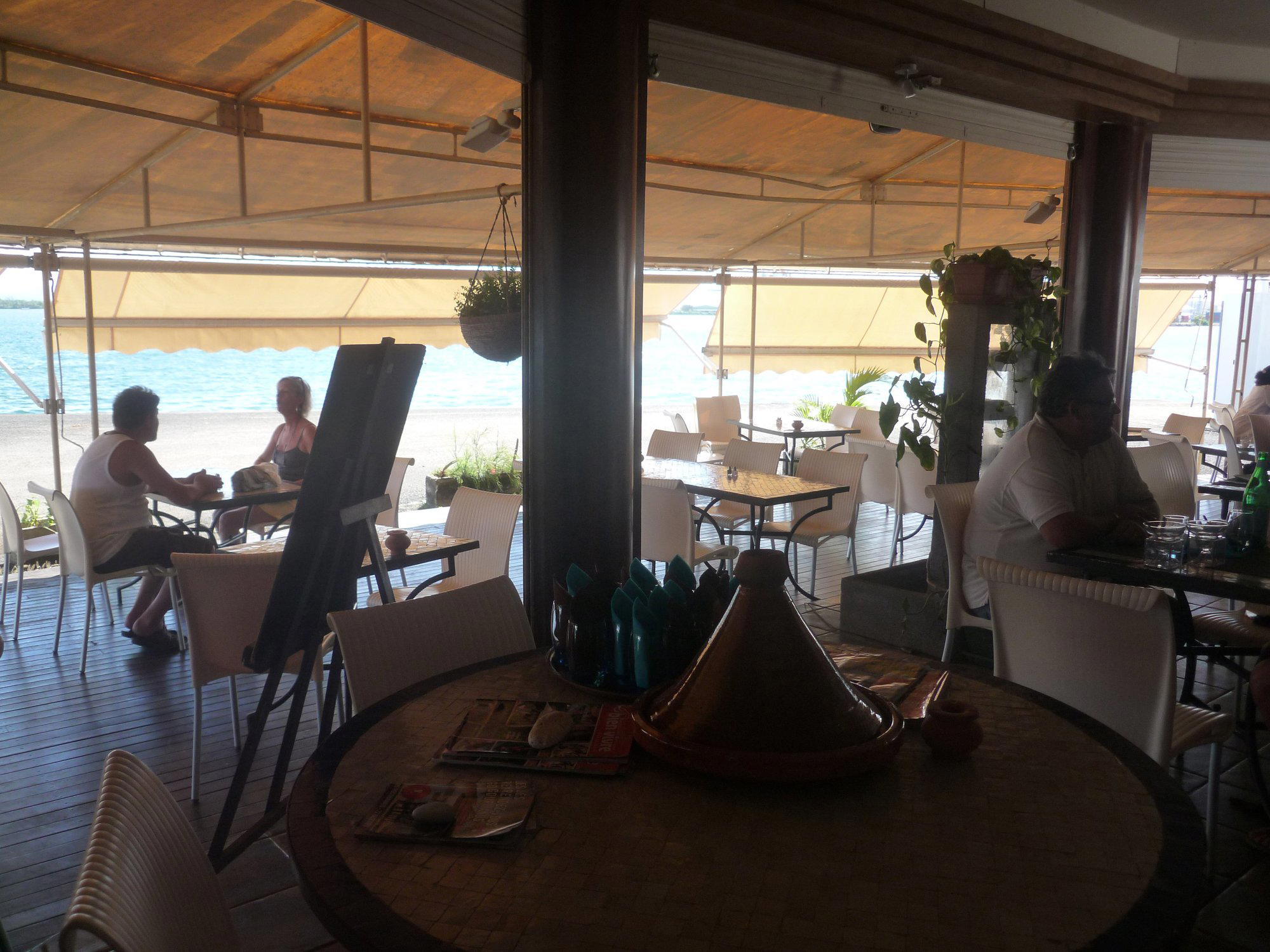
Where the Quai Meets the Cane Fields
Pointe-à-Pitre's Quai Foulon is one of the more honest stretches of waterfront in the French Caribbean: working, salt-aired, and oriented toward the port rather than the tourist promenade. Restaurants that operate here do so with the harbor as a constant presence, and the light off the water shifts the mood of a meal in ways that no interior room can replicate. La Canne à Sucre sits on this quai, its name evoking the sugarcane economy that shaped Guadeloupe's landscape, its labor history, and, consequentially, its kitchen traditions more profoundly than any other single crop.
The sugarcane reference is not decorative. Across Guadeloupe, the relationship between agricultural production and what ends up on the table has defined creole cuisine for centuries, from the fermented and preserved techniques that emerged under conditions of scarcity to the rum-based preparations that turned byproducts of the sugar industry into a defining flavor register. A restaurant that plants its flag at this intersection is making a statement about sourcing and identity simultaneously. For those building an itinerary across the archipelago, our full Pointe-à-Pitre restaurants guide maps the broader scene across the city's neighborhoods and waterfront corridors.
The Ingredient Logic of Guadeloupean Creole Cooking
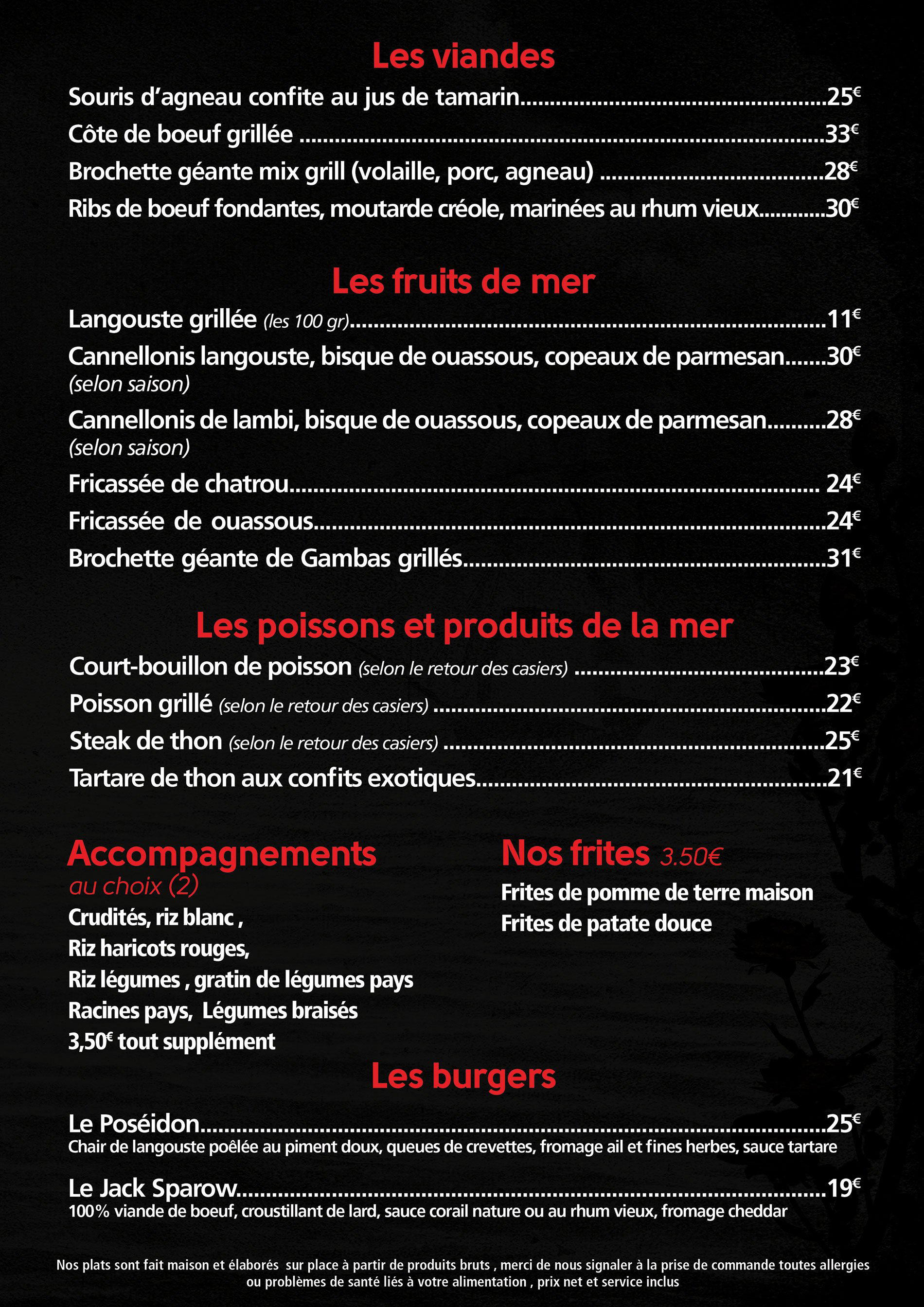
To understand what a kitchen like La Canne à Sucre is working with, it helps to understand how Guadeloupe's ingredient supply actually functions. The island imports a substantial share of its processed goods from metropolitan France, but its agricultural production, particularly in basse-terre's volcanic interior and the coastal fishing grounds surrounding both islands, generates ingredients that simply do not travel: christophines harvested at local markets, colombo spice blends assembled from fresh-ground components, langouste pulled from Caribbean waters the same morning, plantains in various stages of ripeness selected for specific preparations.
This is the ingredient reality that defines what creole cooking at its most grounded looks like, and it contrasts sharply with the import-dependent menus that characterize resort-facing restaurants throughout the French Antilles. The coastal positioning of the Quai Foulon places any serious seafood kitchen in close proximity to the supply chain that matters most: the fishing boats that work the waters between Grande-Terre and the offshore reefs. Compare this with the approach taken at Entre Ciel et Mer in Le Gosier, another Guadeloupe address working the tension between Caribbean seafood sourcing and French technique, or with Le Ponant in Phillipsburg, which navigates similar sourcing questions across the regional Caribbean seafood tradition from its Sint Maarten position.
The broader pattern across premium French Caribbean dining is a bifurcation between kitchens that treat the local ingredient supply as their primary material and those that rely on the prestige of French importation as a quality signal. The former tend to produce food with more specificity of place; the latter can feel disconnected from the island context, producing a version of French bistro cooking that could as easily be situated in Lyon. La Canne à Sucre's name positions it clearly in the former camp, though as with any restaurant operating in a city with Pointe-à-Pitre's commercial rather than leisure character, the day-to-day menu reality may shift with market availability and seasonal catch.
Pointe-à-Pitre as a Dining City
Pointe-à-Pitre occupies a different role in Guadeloupe's dining ecosystem than the more resort-oriented communes to the south and east. It is a commercial capital with a working-class creole food culture expressed through its covered market, street-level doudou vendors, and the kind of mid-register restaurants that serve the city's professionals at lunch rather than tourists at dinner. This creates a different competitive set than you find in, say, Saint-François or Le Gosier: the audience is local, the price signals are set by what the market will bear domestically, and the food tends toward the specific rather than the broadly appealing.
For comparison, consider how port-city positioning shapes restaurant identity in other contexts. Addresses like Uliassi in Senigallia or Quattro Passi in Marina del Cantone have built their reputations partly on the credibility that coastal sourcing provides, while kitchens further inland, such as Dal Pescatore in Runate or Reale in Castel di Sangro, draw their authority from a different kind of terroir argument. The principle transfers: a restaurant on a working harbor has access to a sourcing story that inland addresses cannot claim. Whether the kitchen uses that access well is the critical question.
Reading the Room: Atmosphere at the Quai
The atmosphere of Quai Foulon restaurants is shaped by factors that have little to do with interior design decisions. The ferry traffic between Pointe-à-Pitre and the outer islands runs nearby; the light through the afternoon hours falls differently than it does in the tourist-facing south; the clientele at lunch tends toward business and locals, shifting toward couples and small groups in the evening. These rhythms produce a dining environment that feels embedded in the city's actual life rather than staged for visitor consumption.
This is, arguably, the more interesting kind of restaurant atmosphere in any Caribbean city: one where the room is not performing the Caribbean for an outside audience but simply operating within it. Visitors who have spent time at the higher-pressure fine-dining end of the spectrum, whether at addresses like Le Bernardin in New York City, Waterside Inn in Bray, or HAJIME in Osaka, will recognize immediately that La Canne à Sucre operates in a different register entirely: closer to neighborhood institution than destination restaurant. That is not a limitation; it is the character of the place.
Planning a Visit
La Canne à Sucre's address on the Quai Foulon places it in the central harbor area of Pointe-à-Pitre, accessible from the city center on foot and near the main ferry terminals. The city itself connects to the wider archipelago through these ferry routes as well as through Pointe-à-Pitre International Airport, which receives direct flights from Paris and several European cities, making Guadeloupe one of the more accessible French overseas territories for transatlantic visitors. Given the restaurant's local-facing positioning, booking in advance is advisable for dinner, particularly on weekends when the quayside trade picks up. Lunchtime service on weekdays tends to draw the working-city crowd and may offer the most authentic read on what the kitchen does at its most consistent.
For travelers building a broader itinerary around Caribbean dining, the contrast between Pointe-à-Pitre's working-waterfront restaurants and the more polished experiences available elsewhere in the French Antilles is itself worth scheduling around. The city's market, a short walk from the quai, is also worth building into any morning visit before a lunch reservation.
At-a-Glance Comparison
| Venue | Cuisine | Price |
|---|---|---|
| La Canne à SucreThis venue — the venue you are viewing | This venue | Not listed |
| Le Ponant - Caribbean | Caribbean Seafood | Caribbean Seafood |
Continue exploring
More in Pointe A Pitre
Restaurants in Pointe A Pitre
Browse all →
Bars in Pointe A Pitre
Browse all →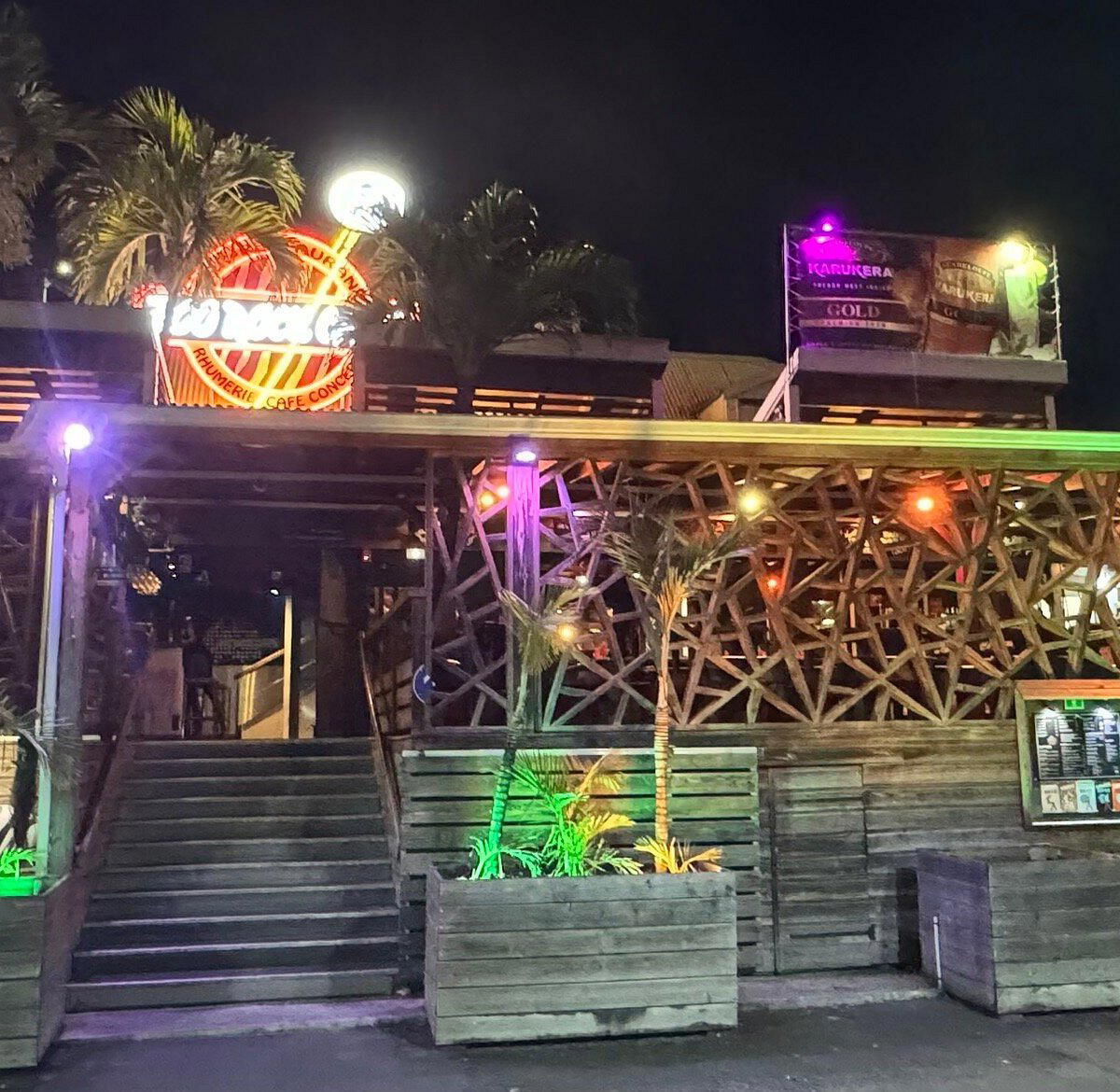
At a Glance
- Scenic
- Cozy
- Date Night
- Casual Hangout
- Terrace
- Waterfront
- Craft Cocktails
- Local Sourcing
- Waterfront
Relaxed terrace atmosphere overlooking the harbor with sea breezes.
Know Before You Go
- Getting there
- 6FM7+Q9Q, quai Foulon, N1, Pointe-à-Pitre, Guadeloupe