La Rhumerie du pirate
On the road toward Pointe des Châteaux, La Rhumerie du pirate occupies the rum-and-spice end of Saint-François's dining scene, drawing on the Caribbean tradition of agricultural rum and Creole flavour. The setting speaks to the eastern tip of Guadeloupe's Grande-Terre, where Atlantic winds and sugar-cane heritage shape what ends up in the glass and on the plate. A useful stop when plotting the island's lesser-travelled eastern corridor.
Pearl is the En Primeur Club membership app — saves, bookings, and concierge access live there. Same editors, same standards.
- Address
- Route de la Pointe des Châteaux Route de la pointe des chateaux Saint - François, 97118, Guadeloupe
- Phone
- +590 590 83 25 94
- Directions
- Get directions
 Saves & bookings on Pearl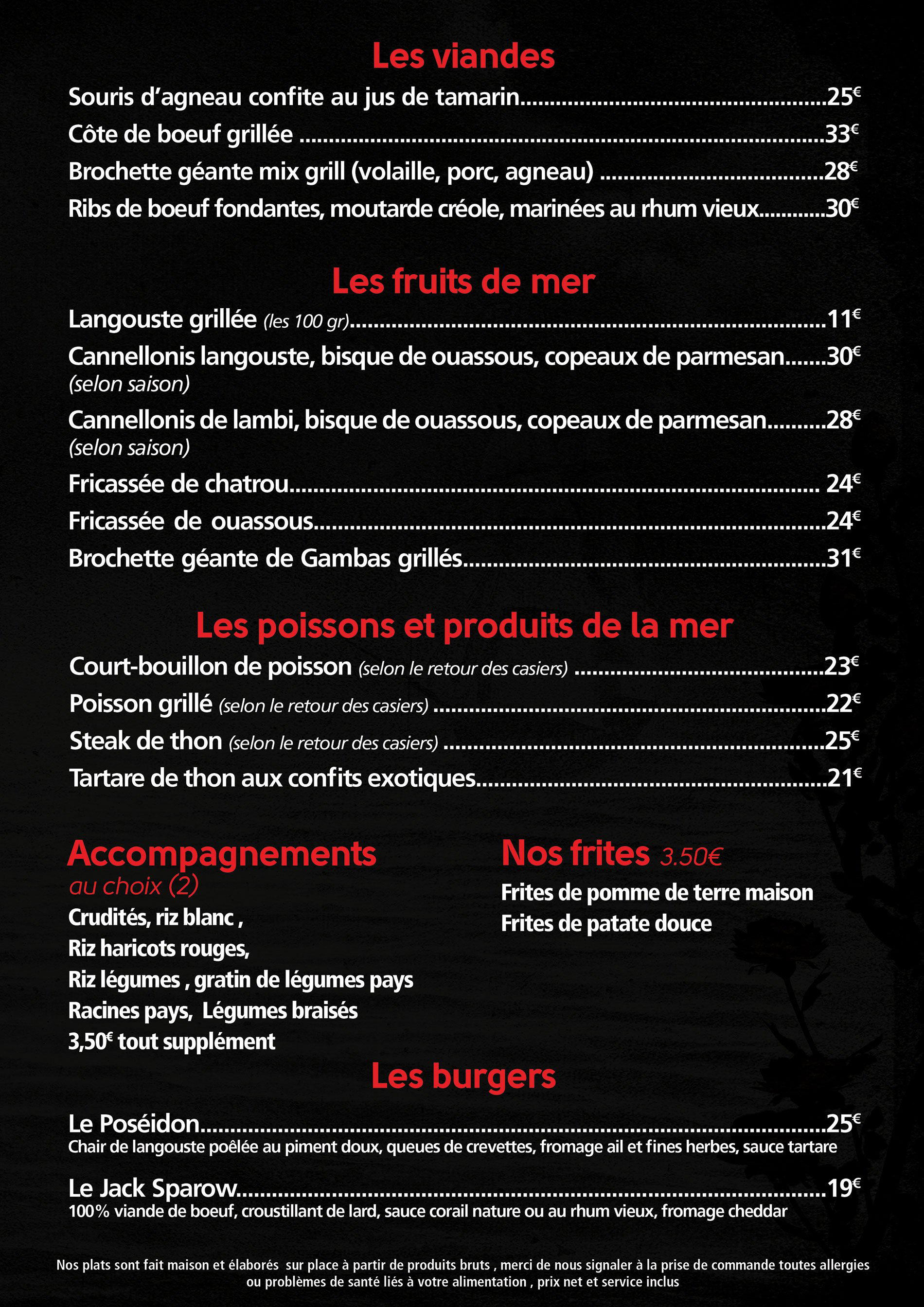
Where the Road to Pointe des Châteaux Earns Its Detour
The eastern stretch of Grande-Terre is not where most visitors to Guadeloupe concentrate their time. The action, such as it is, clusters in Gosier or around the marina at Saint-François town centre. But the road that runs out toward Pointe des Châteaux, the windswept limestone tip where the Atlantic and the Caribbean collide, has its own logic. The vegetation thins. Salt air thickens. And somewhere along Route de la Pointe des Châteaux, La Rhumerie du pirate arrives as a deliberate interruption to the drive — a place that anchors itself in the rum-and-Creole tradition that defines this end of the French Caribbean rather than borrowing from the metropolitan French dining codes that dominate elsewhere. For our full context on the area, see our full Saint-François restaurants guide.
The Rum Tradition as Ingredient Logic
To understand why a rhumerie matters in this part of Guadeloupe, it helps to understand what agricultural rum actually is. Unlike the industrial molasses-based rums that dominate global production, Guadeloupe's rhum agricole is produced directly from freshly pressed sugarcane juice, a method tied to the island's plantation history and still protected under French AOC designation. The sugarcane fields that once covered Grande-Terre's flat limestone plain — a landscape shaped by the same geology that produces the dramatic coastal rock formations at the Pointe, give rhum agricole its grassy, vegetal character. It tastes of place in a way that few spirits do.
La Rhumerie du pirate sits inside that tradition. The name itself signals an orientation: this is not a restaurant that happens to serve rum, but a venue where rum anchors the identity. In Caribbean dining culture, this framing matters. The leading Creole tables treat rhum agricole the way a Burgundy bistro treats vin de pays: not as decoration but as evidence of where you are. The kitchen, whatever its current configuration, operates within a culinary code where the Atlantic catches and the inland harvests of Grande-Terre determine what appears on the menu, with rum present at multiple registers, in cooking, in punch, in digestif.
Creole Ingredient Sourcing on Grande-Terre's Eastern Tip
The ingredient geography of this part of Guadeloupe is specific. Grande-Terre's limestone plateau, drier and flatter than the volcanic Basse-Terre across the channel, produces different produce from the lush mountainous west. Fishing communities along the eastern Atlantic coast work a rougher sea than the protected Caribbean side, which means the catch, lambi (conch), ouassous (freshwater crayfish), various reef fish, reflects conditions rather than convenience. Creole cooking at its most grounded works with those conditions rather than against them.
This ingredient logic connects La Rhumerie du pirate to a broader pattern visible in the French Caribbean's more honest kitchens: the ones that do not try to replicate Parisian technique but use Guadeloupean produce as the starting point. The comparison worth making here is not with three-Michelin-star French addresses like Mirazur in Menton or Alléno Paris au Pavillon Ledoyen, whose sourcing stories are told through the language of fine dining credentialism. The reference point is the Creole table tradition, where matoutou de crabe in April, colombo de porc using locally grown spice blends, and blood pudding made in-house signal competence more accurately than any award plaque.
French haute cuisine has its own deeply rooted sourcing traditions, kitchens like Bras in Laguiole, Auberge de l'Ill in Illhaeusern, or Les Prés d'Eugénie in Eugénie-les-Bains built their reputations in part on deep connections to regional terroir. In the Caribbean French context, the equivalent rigour looks different: it runs through rum production, spice cultivation, and the fishing calendar rather than through wine cellars and cheese caves. Both are expressions of the same underlying discipline, cooking what the place produces.
Where This Fits in Saint-François's Dining Picture
Saint-François is a town of moderate scale with a dining scene that splits roughly between hotel restaurants oriented toward package tourists, beachside grills, and a smaller cohort of Creole tables that serve a local and returning-visitor clientele. La Rhumerie du pirate sits closer to the latter end of that spectrum, a venue positioned by its name and location to attract travellers who are specifically following the road east, rather than those who stumble off the marina promenade.
That positioning matters for calibrating expectations. This is not the register of, say, Le 1947 à Cheval Blanc in Courchevel or La Vague d'Or in Saint-Tropez, where the dining room is the point and the setting an enhancement. Here, the road, the coast, and the rum tradition are the frame, and the food earns its place within that frame. Travellers who have spent time at committed regional tables, Auberge du Vieux Puits in Fontjoncouse or Maison Lameloise in Chagny, for instance, will recognise the sensibility even across the category difference: a kitchen that knows its geography.
For comparison outside France, the same logic of place-first cooking applies to venues like Lazy Bear in San Francisco or Le Bernardin in New York City, where ingredient sourcing is the editorial spine. The scale and price tier are entirely different, but the underlying argument, that sourcing discipline is the first measure of a kitchen's seriousness, translates across categories.
Planning the Visit
La Rhumerie du pirate is leading approached as part of a deliberate eastern Grand-Terre itinerary rather than a standalone dinner destination. The most practical sequence is to drive out to Pointe des Châteaux in the morning or early afternoon, when the light on the limestone cliffs is at its sharpest and the tourist volume is lowest, then stop here on the return to Saint-François town. Given the venue's rum identity, the late-afternoon window works naturally: a ti' punch or planteur before a full meal, or a focused rum tasting if the itinerary permits. The location on the Pointe des Châteaux road means a car is necessary; Saint-François is served by the island's main road network and sits roughly 55 kilometres east of Pointe-à-Pitre. No booking data is available in current records, so arriving without a reservation at shoulder hours, before peak lunch or early in the dinner sitting, is the lowest-friction approach until contact details can be confirmed directly.
How La Rhumerie du pirate Saint Francois compares with similar nearby venues.
| Venue | Cuisine |
|---|---|
| Le Ponant - Caribbean | Caribbean Seafood |
Continue exploring
More in Saint Francois
Restaurants in Saint Francois
Browse all →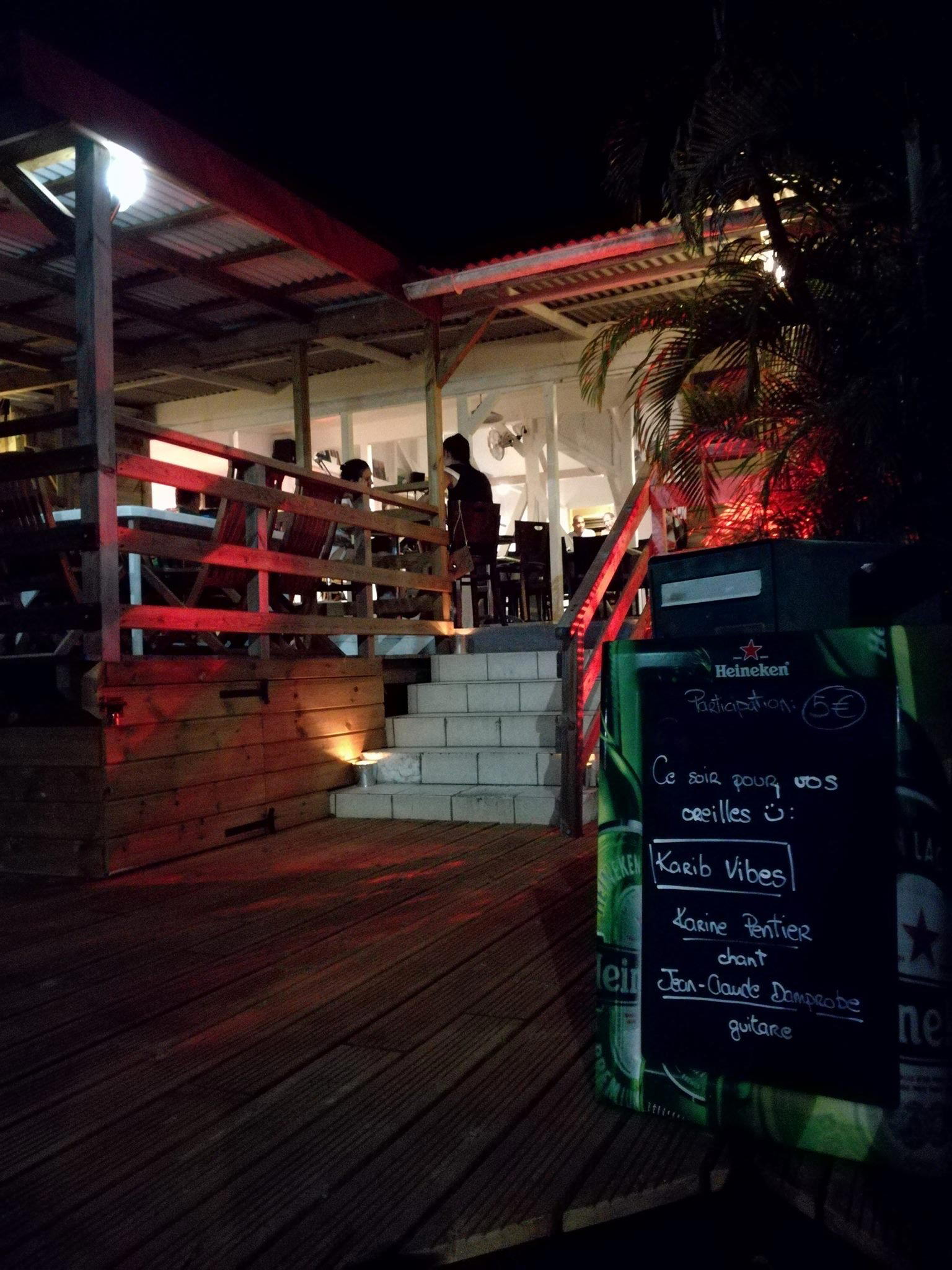

Bars in Saint Francois
Browse all →
Hotels in Saint Francois
Browse all →
At a Glance
- Rustic
- Scenic
- Cozy
- Casual Hangout
- Family
- Waterfront
- Terrace
- Local Sourcing
- Waterfront
Current opening hours
- Monday
- Closed
- Tuesday
- 12–3 PM
- Wednesday
- 12–3 PM
- Thursday
- 12–3 PM
- Friday
- 12–3 PM
- Saturday
- 12–3 PM
- Sunday
- 12–3 PM
Hours can change for holidays and private events. Last verified .
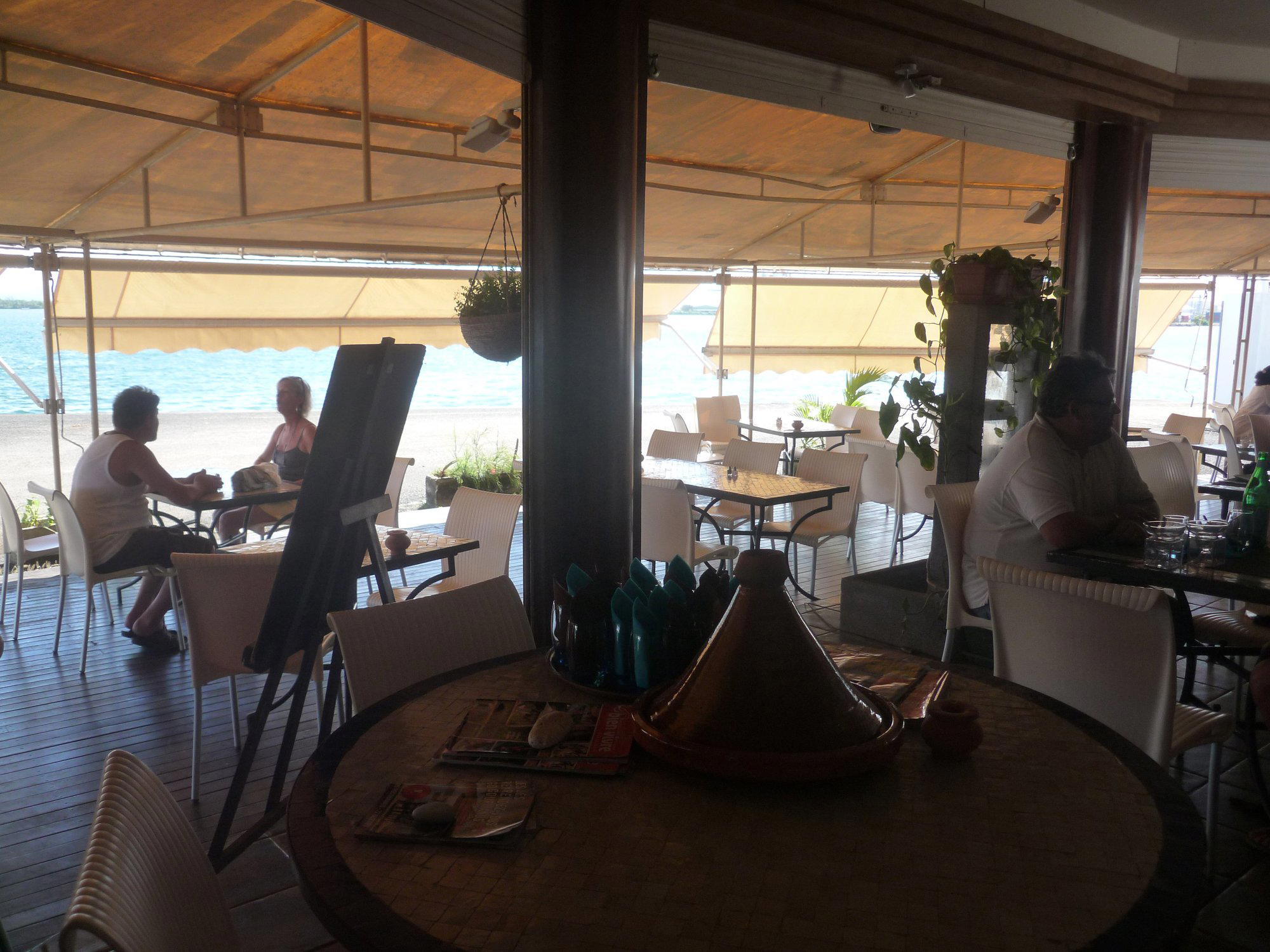
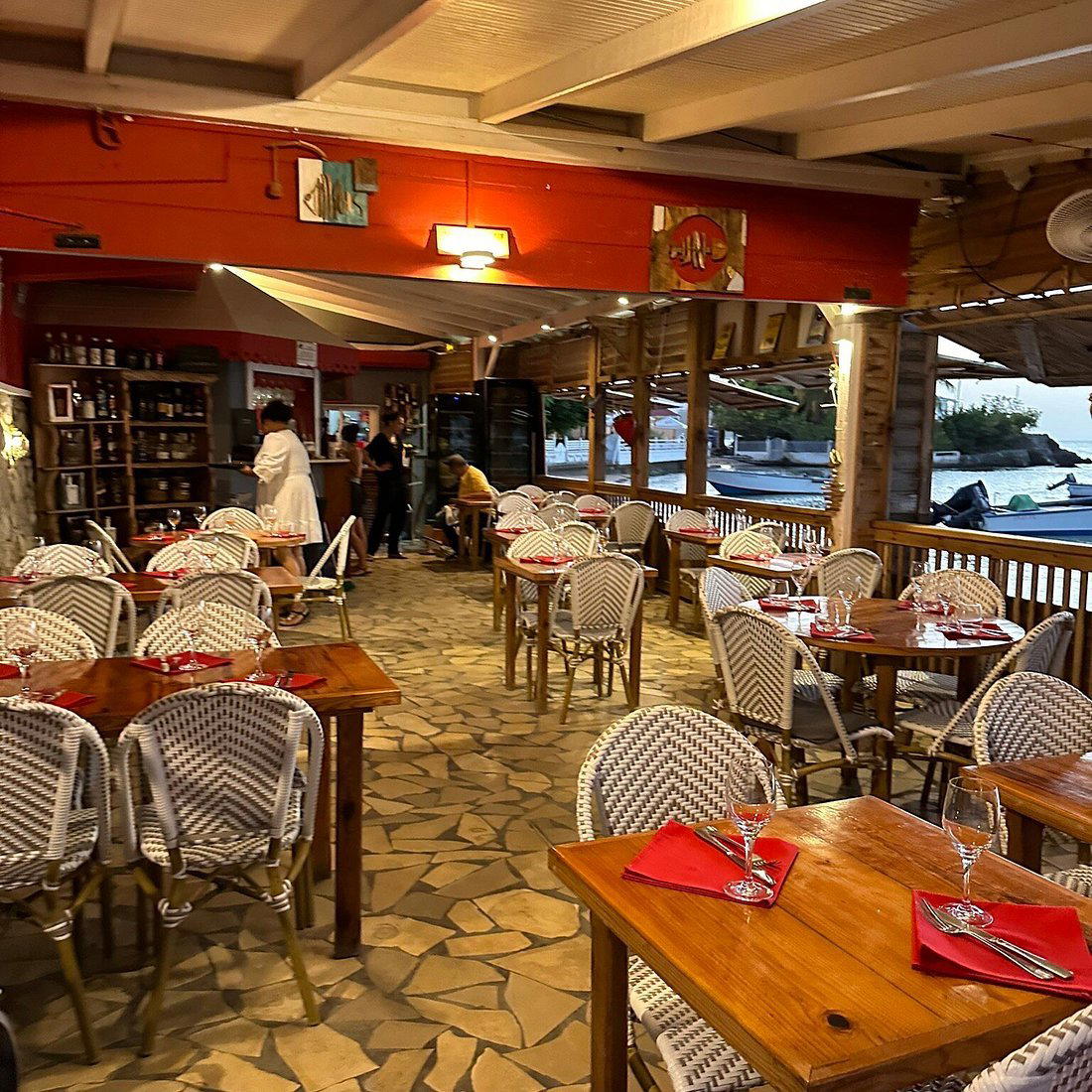
Typically West Indian veranda-style setting with casual atmosphere overlooking the sea.
Know Before You Go
- Getting there
- Route de la Pointe des Châteaux Route de la pointe des chateaux Saint - François, 97118, Guadeloupe