Le Ponant - Caribbean

Le Ponant - Caribbean brings eco-certified sailing cruises to the French Antilles aboard a three-masted ship, with an all-inclusive format built around Caribbean seafood and intimate on-board dining.
Pearl is the En Primeur Club membership app — saves, bookings, and concierge access live there. Same editors, same standards.
- Address
- 37 Rue Schoelcher, Capesterre-Belle-Eau 97130, Guadeloupe
- Phone
- +590 690 71 48 69
- Directions
- Get directions
 Saves & bookings on Pearl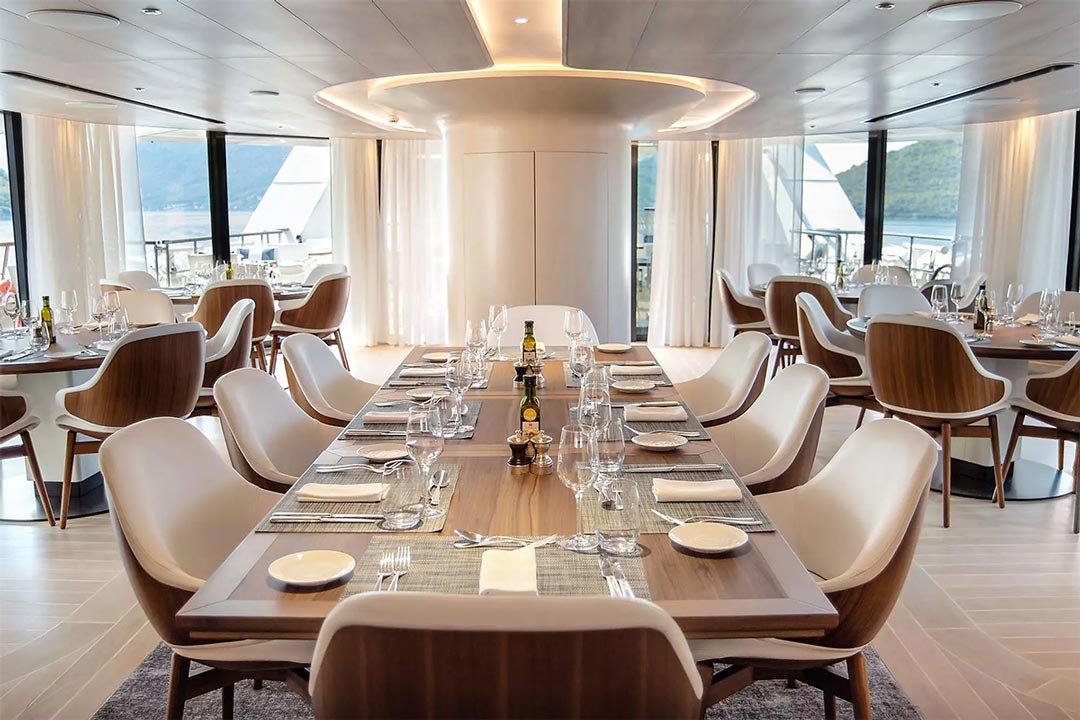
Sailing as the Frame, Seafood as the Story
There is a specific kind of dining that only makes sense at sea, where the sourcing argument writes itself in real time. The water outside is the larder. The ports are the market. And on a three-masted sailing vessel crossing the French Antilles, the gap between ocean and plate is measured in hours rather than supply chains. Le Ponant - Caribbean operates inside that premise, combining eco-certified cruising with an all-inclusive Caribbean seafood format on one of the more intimate ships operating in this region.
Most Caribbean cruise dining exists at scale: thousands of passengers, industrialised galleys, and menus designed for the lowest common denominator of preference. Le Ponant sits at the opposite end of that spectrum. The three-masted configuration limits the passenger count by its very nature, and the all-inclusive structure means the kitchen is cooking for a known, contained group rather than managing a revolving resort-style service. That distinction changes what is possible on the plate.
The Catch: How Caribbean Seafood Works at Sea
Caribbean seafood cuisine has two distinct registers. The first is the resort version: imported proteins, consistent portions, and flavour profiles tuned to international palates. The second draws from the actual fishing culture of the islands, where flying fish, lambi (queen conch), whelk, and reef species define the local table. The editorial case for a vessel like this is that it can access the second register in ways a land-based restaurant in a tourist zone cannot.
Port stops across the French Antilles, including the waters around Guadeloupe and neighbouring islands, bring proximity to fishermen working small-boat traditions that have structured island diets for centuries. Capesterre-Belle-Eau, where the vessel's address is registered, sits on Guadeloupe's southern coast, a working part of the island with direct access to Atlantic fishing grounds. That geography is relevant context: the seafood arriving at a galley here does not travel the same distance as proteins served in a St. Maarten resort kitchen.
For comparative framing, the serious seafood canon at a global level, from Le Bernardin in New York City to Aponiente in El Puerto de Santa María, which has built a three-Michelin-star program around the Bay of Cádiz's overlooked marine species, consistently argues that sourcing proximity is the foundation of seafood cooking. On a vessel moving between island ports, that argument applies by default rather than by design effort.
Eco-Certification in Context
The eco-certified designation carries specific weight in Caribbean cruising, where environmental scrutiny of maritime tourism has increased considerably over the past decade. Larger cruise operators have faced significant criticism over reef damage, waste management, and carbon output. Smaller, certified vessels occupy a different accountability tier, and Le Ponant's certification signals a set of operational commitments that align with the direction of premium travel more broadly.
This is not incidental to the dining proposition. Sustainable fishing sourcing and ecological certification tend to travel together in serious food programs: the same logic that governs waste and emissions management at sea tends to govern ingredient provenance decisions.
Where This Sits in the Caribbean Premium Tier
Caribbean dining at the premium level has bifurcated between large-resort fine dining, exemplified by properties like Eden Roc Cap Cana in Cap Cana, and smaller, format-driven experiences that trade scale for specificity.
The comparison to land-based fine dining is instructive but imperfect. Restaurants like Alain Ducasse - Louis XV in Monte Carlo or Alléno Paris au Pavillon Ledoyen in Paris compete inside clearly defined Michelin tiers. Maritime dining, particularly at the small-ship end, operates outside those hierarchies. The relevant credentials here are the eco-certification, the all-inclusive format, and the intimacy that comes from a three-masted ship's natural passenger ceiling.
For readers exploring wider Caribbean options from Phillipsburg, [our full Phillipsburg restaurants guide]() covers the broader dining scene, while our full Phillipsburg experiences guide maps the region's premium activities beyond the table. Those planning extended stays will find [our full Phillipsburg hotels guide]() and [our full Phillipsburg bars guide]() useful for assembling a complete itinerary.
Planning the Experience
An all-inclusive sailing cruise operates on a fundamentally different booking logic than a restaurant reservation. Availability is constrained by berth count, sailing schedules, and seasonal programming in the Caribbean. The French Antilles season peaks between December and April, when Atlantic weather patterns produce the most reliable sailing conditions and lowest humidity. Booking well in advance of that window is advisable, particularly given the limited capacity that the three-masted format implies. There is no walk-in option here by the nature of the product: guests are aboard a vessel, not arriving at a dining room.
The all-inclusive structure means the financial transaction is settled before departure, which changes the on-board experience considerably. There is no menu pricing to parse, no wine list to negotiate, and no bill arriving at the end of a meal. For guests who find that kind of transactional friction disruptive to the dining experience, the format resolves it entirely. Contact should be made directly with Le Ponant's reservations team for current sailing schedules and availability, as itinerary specifics are subject to seasonal programming.
How Le Ponant - Caribbean Phillipsburg: Seafood Guide compares with similar nearby venues.
| Venue | Cuisine | Awards |
|---|---|---|
| Le Ponant - Caribbean | Caribbean Seafood | Relais Chateaux Award (2025) |
Recognition history
Dated appearances from independent guides and award organizations, with the underlying list record or original source where available.
Relais Chateaux Award
Relais Chateaux
Continue exploring
More in Phillipsburg
Restaurants in Phillipsburg
Browse all →

Bars in Phillipsburg
Browse all →
At a Glance
- Romantic
- Scenic
- Elegant
- Intimate
- Sophisticated
- Celebration
- Special Occasion
- Romantic Getaway
- Waterfront
- Private Dining
- Panoramic View
- Open Kitchen
- Extensive Wine List
- Sommelier Led
- Local Sourcing
- Farm To Table
- Waterfront
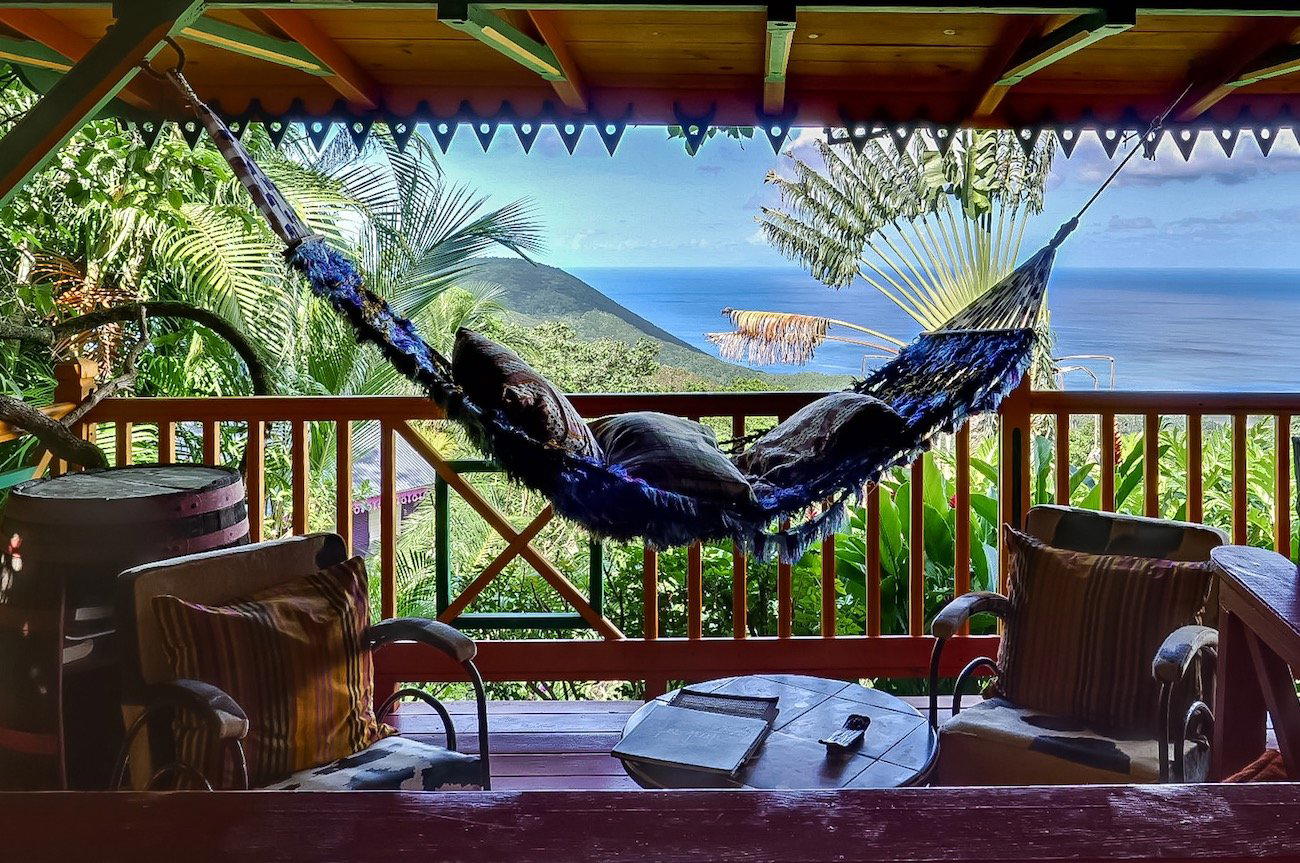
Sophisticated yet warm and intimate, with the sensory experience of sailing under canvas—gentle breezes, the sparkle of the sea, and the rustling of sails creating an almost poetic atmosphere.
Know Before You Go
- Getting there
- 37 Rue Schoelcher, Capesterre-Belle-Eau 97130, Guadeloupe