Le Jardin Malanga Hotel

Michelin Selected for 2025, Le Jardin Malanga Hotel occupies a converted Creole estate in Trois-Rivières, on Guadeloupe's southern coast. The property sits in the design-led, low-key tier of Caribbean accommodation — measured in atmosphere and botanical setting rather than amenity count. For travellers choosing between resort scale and something more considered, it occupies a distinct position on the island.
Pearl is the En Primeur Club membership app — saves, bookings, and concierge access live there. Same editors, same standards.
- Address
- 60 Rte de l'Hermitage, Trois-Rivières 97114, Guadeloupe
- Phone
- +590 590 92 67 57
- Website
- jardinmalanga.com
- Directions
- Get directions
 Saves & bookings on Pearl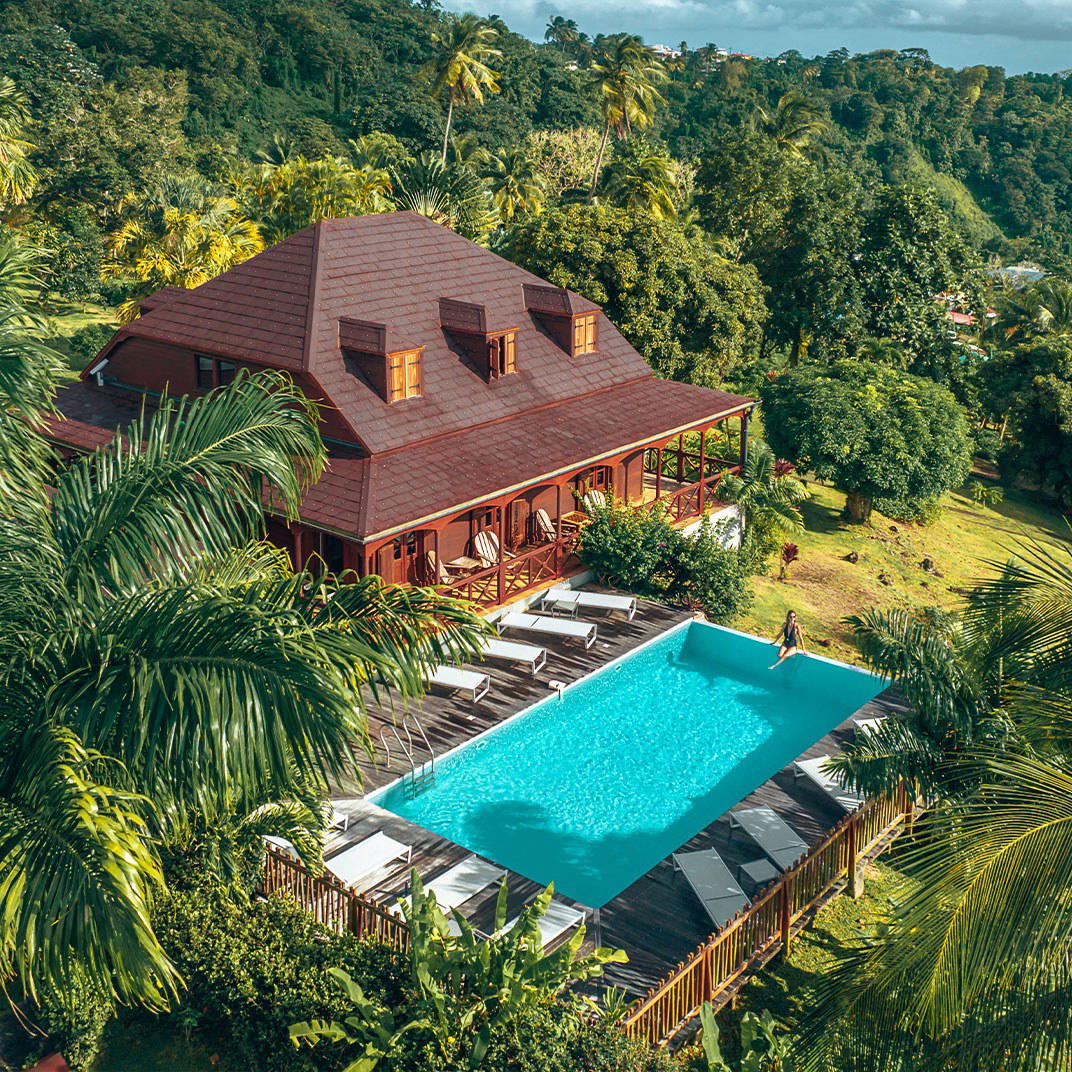
A Creole Estate in Southern Guadeloupe
The southern coast of Basse-Terre moves at a different pace from the resort corridors of Grande-Terre. Trois-Rivières is a small commune defined by its proximity to the Soufrière volcanic hinterland and its ferry connections to Les Saintes, and the accommodation here tends toward the intimate and architecturally specific rather than the large-footprint international. Le Jardin Malanga Hotel, at 60 Route de l'Hermitage, fits that pattern precisely: a Creole plantation house adapted into a small hotel, where the architecture and botanical grounds carry most of the experiential weight.
Across the Caribbean, this category of property has become more deliberate over the past decade. Where large resorts compete on amenity lists — pools, spa square footage, restaurant counts — the plantation-house conversion model competes on spatial authenticity, material honesty, and the kind of quiet that larger operations structurally cannot provide. For context on how the island's hospitality divides, La Toubana Hotel & Spa in Sainte Anne represents the cliff-leading resort approach on Grande-Terre, while Hôtel Saint John Perse in La Darse anchors the urban end in Pointe-à-Pitre. Malanga occupies a third register entirely.
The Architecture of a Plantation Conversion
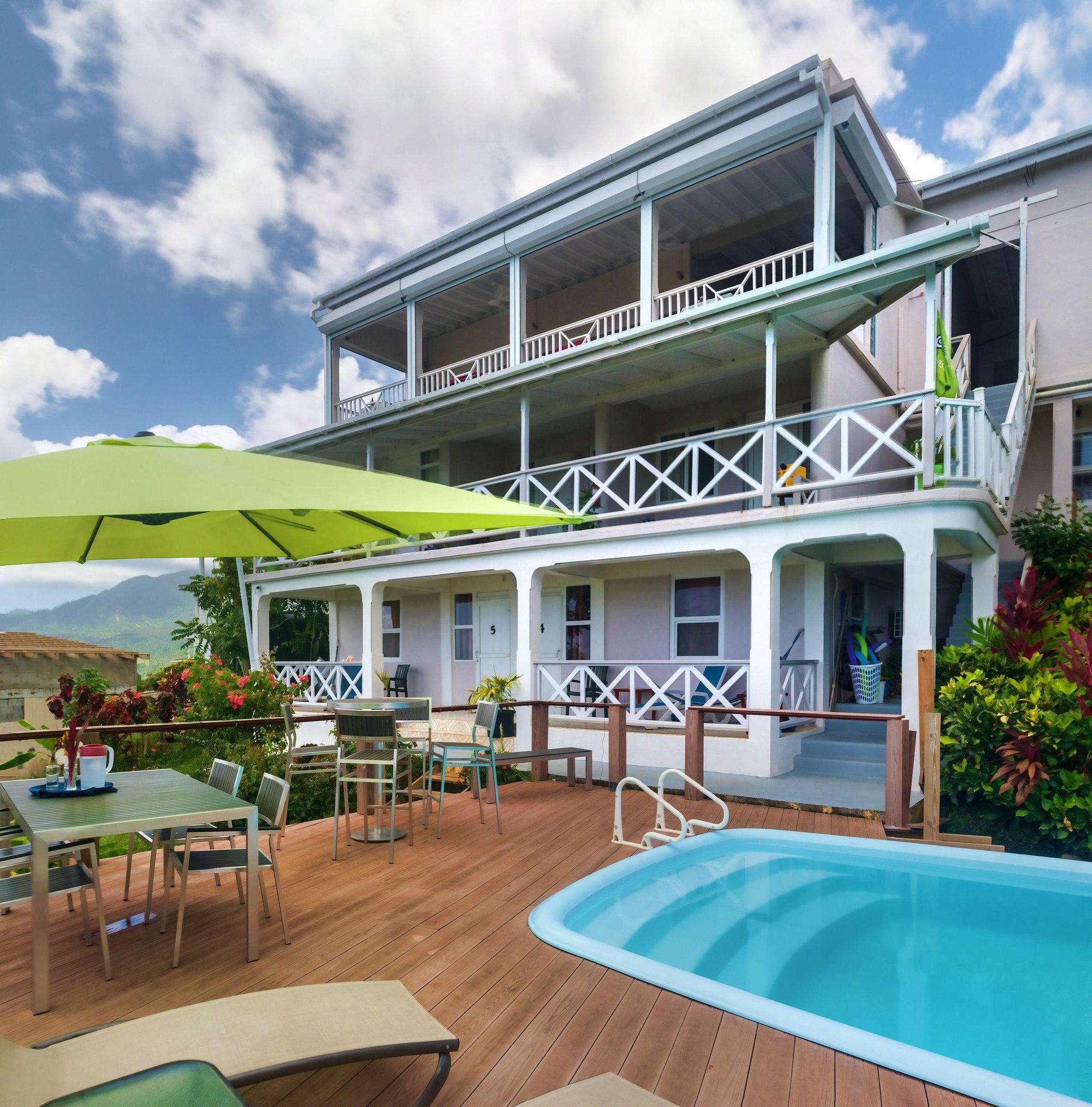
Creole plantation architecture in the French Antilles has a recognisable grammar: wooden galleries wrapping the main house, high-pitched roofs designed to catch trade winds before air conditioning existed, and a layering of indoor and outdoor space that blurs the boundary between room and garden. When these structures are adapted thoughtfully, the architecture does what no amount of resort design can replicate, it generates immediate temporal depth, a sense that the place existed long before the current guests arrived and will outlast them.
At Le Jardin Malanga, the estate setting amplifies this. The botanical garden framing the property is not ornamental in the resort sense; it is endemic Caribbean vegetation allowed to assert itself, which changes the sensory register of the whole site. The light through dense tropical canopy is different from the light across an open pool deck, and the sounds are different too. This is an architectural and environmental choice with real consequences for the guest experience, and it separates the property from Guadeloupe's more exposed coastal hotels.
The design vocabulary here connects to a broader French Caribbean tradition in which the plantation house is reinterpreted rather than merely preserved. Comparable approaches appear across Martinique and in the smaller French Antilles, where the conversion of colonial-era agricultural estates into hospitality properties has produced some of the region's most characterful accommodation. The challenge is always the same: maintain structural and aesthetic integrity while meeting contemporary expectations. Properties that resolve this well earn their Michelin recognition; those that over-renovate lose the quality that justified the project in the first place.
This tension is worth understanding when comparing Malanga to the broader spectrum of premium Caribbean hotels. The design-led plantation approach operates on different axes than, say, the modernist precision of Amangiri in Canyon Point or the formal grandeur of Hotel Du Cap-Eden-Roc. It is a different argument about what luxury means, one rooted in place-specificity rather than universal refinement. Properties like Hotel Esencia in Tulum or Castello di Reschio in Lisciano Niccone make a structurally similar argument in their own geographies: that a historic physical structure, treated with discipline, outperforms a purpose-built property at the upper end of the market.
Position Within Guadeloupe's Accommodation Tier
Guadeloupe's hotel market is not as internationally visible as Martinique's or Saint Barthélemy's, which means the properties that receive Michelin attention here carry more signalling value than an equivalent recognition might elsewhere.
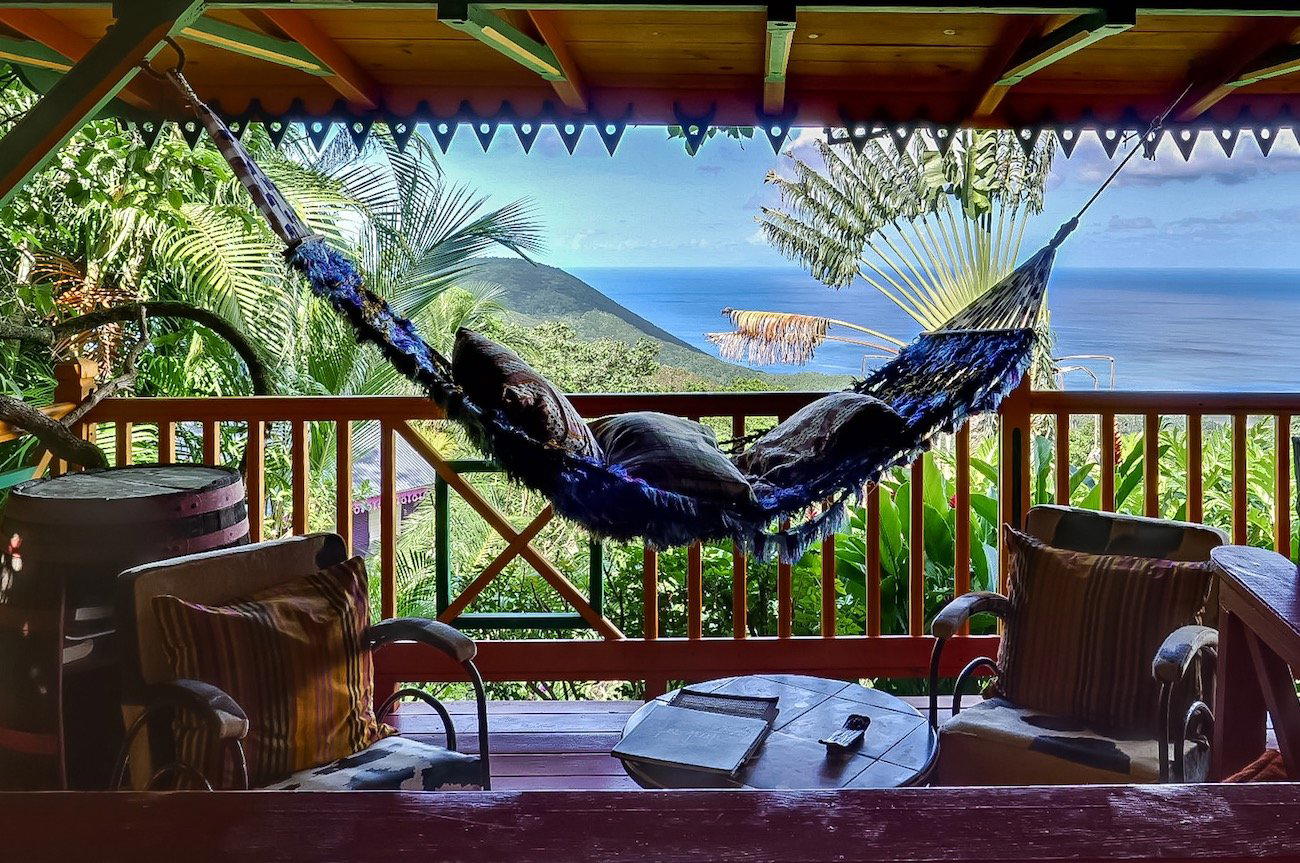
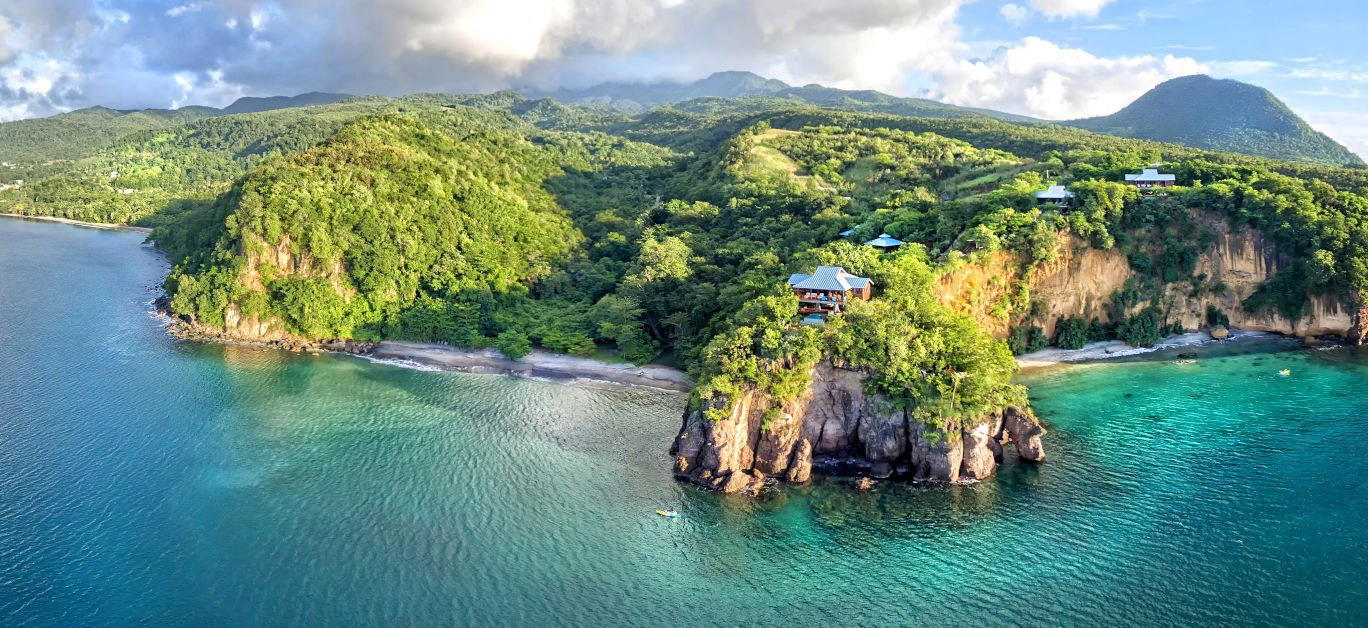
Within Guadeloupe, the southern Basse-Terre corridor is the island's most topographically dramatic zone, with the Soufrière volcano, the Carbet waterfalls, and the Trois-Rivières ferry terminal to Les Saintes all within practical reach. A base here serves a different travel logic than a Grande-Terre resort: less beach-centric, more oriented toward the island's ecological and geological character. Travellers choosing Malanga are implicitly choosing that orientation. The hotel's address at Route de l'Hermitage places it in the hillside zone above the town, which typically means refined garden and forest settings with views toward the Caribbean and the Saintes archipelago.
For those cross-referencing Guadeloupe against other Michelin-recognised small Caribbean properties, Casa Maria Luigia in Modena offers an instructive parallel in terms of scale and estate character, even in a very different geography, the logic of the converted agricultural estate as premium hospitality asset translates across climates. Closer to home in the premium spectrum, One&Only Mandarina in Riviera Nayarit represents the high-investment end of tropical design-led hospitality, with Malanga sitting in the more intimate, historically grounded counterpart position.
Planning Your Stay
Trois-Rivières is accessible from Pointe-à-Pitre via the Route Nationale along the west coast of Basse-Terre, a drive that takes roughly an hour to an hour and twenty minutes depending on traffic. The town itself is a useful operational base: the ferry pier for Les Saintes (Terre-de-Haut) is here, making day trips or overnight extensions to the Saintes archipelago direct without requiring a return to the airport. The dry season, from December through April, is the primary travel window for the French Antilles, with more stable weather and lower humidity than the June-to-November period. That said, Basse-Terre's lushness is precisely because it receives more rainfall than Grande-Terre, so some greenery benefit persists year-round.
Given the Michelin Selected status and the small-property format, advance booking is advisable for the December-to-April peak. The property is not a large resort with floating inventory, at this scale, the difference between being confirmed and waiting on availability is measured in days, not weeks. For broader context on how Trois-Rivières fits into Guadeloupe's travel structure, see our full Trois-Rivières guide.
At-a-Glance Comparison
| Venue | Cuisine |
|---|---|
| Le Jardin Malanga HotelThis venue — the venue you are viewing | This venue |
Recognition history
Dated appearances from independent guides and award organizations, with the underlying list record or original source where available.
Michelin Selected
Michelin
Continue exploring
More in Trois Rivieres
Hotels in Trois Rivieres
Browse all →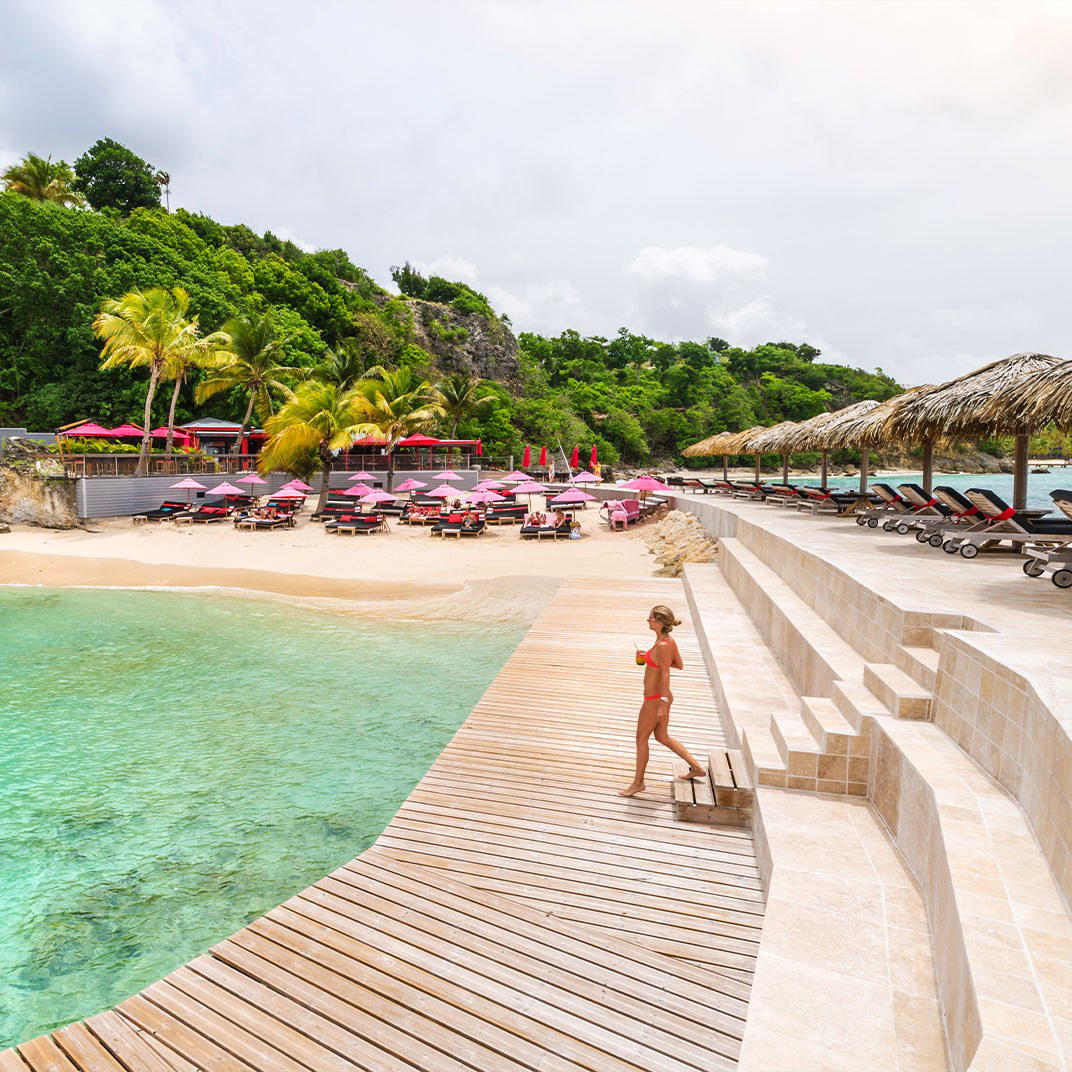
Bars in Trois Rivieres
Browse all →

At a Glance
- Romantic
- Quiet
- Scenic
- Cozy
- Elegant
- Intimate
- Romantic Getaway
- Honeymoon
- Weekend Escape
- Infinity Pool
- Panoramic View
- Garden
- Wi Fi
- Pool
- Breakfast Included
- Restaurant
- Massage
- Concierge
- Garden
- Wi Fi
- Pool
- Breakfast Included
- Restaurant
- Massage
- Concierge
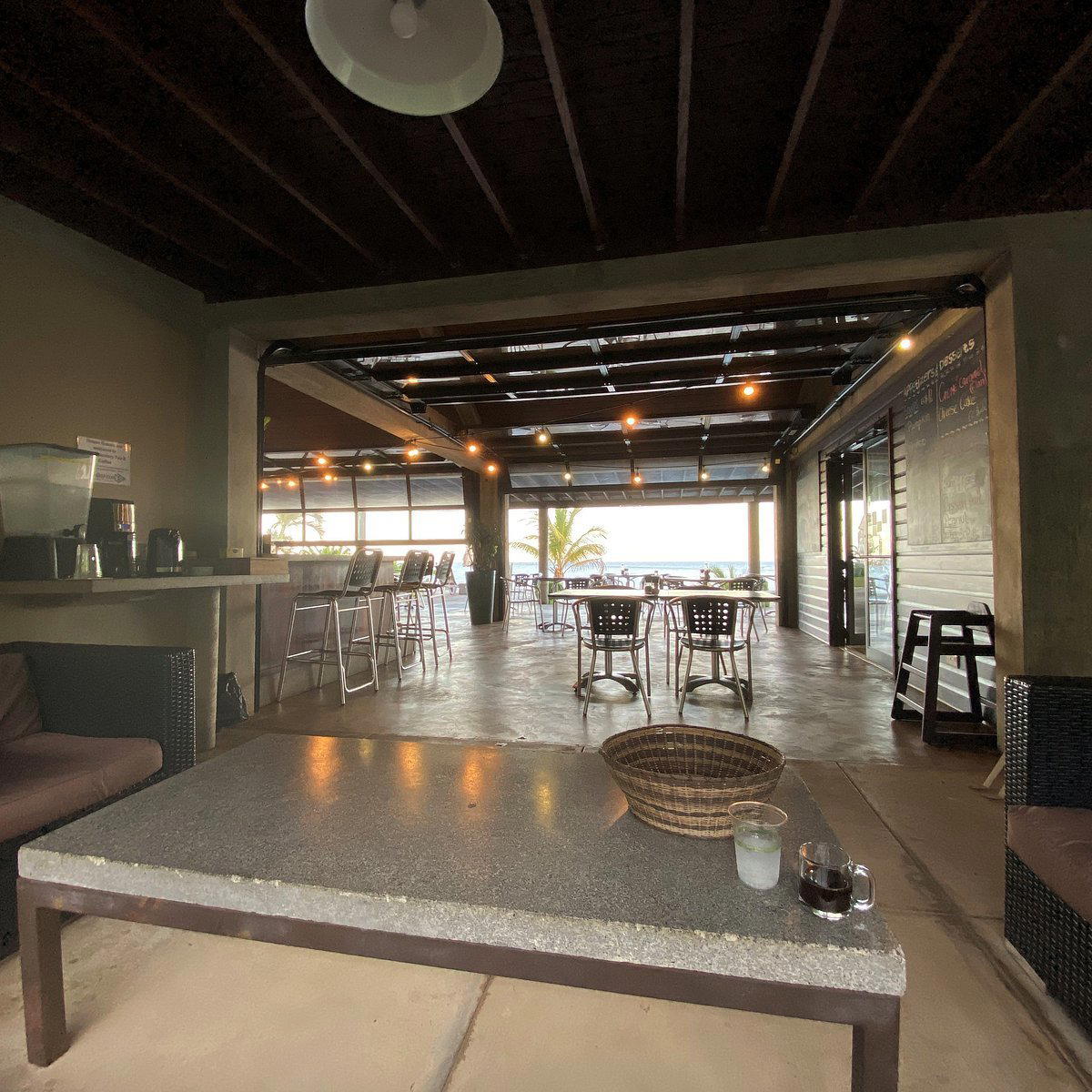
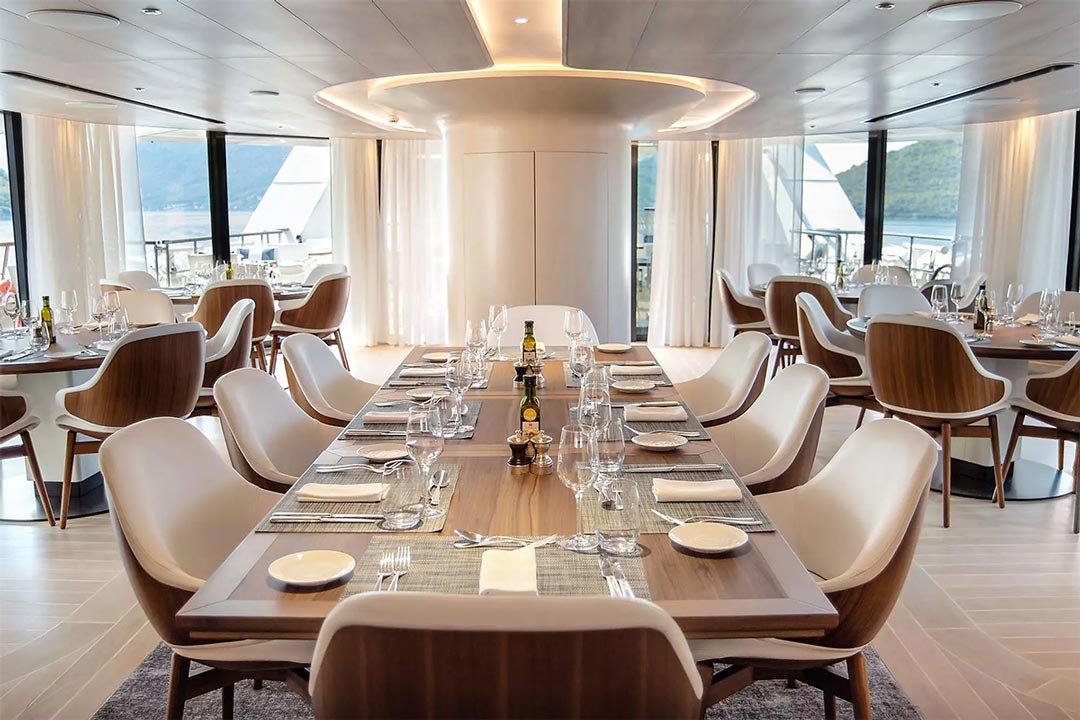
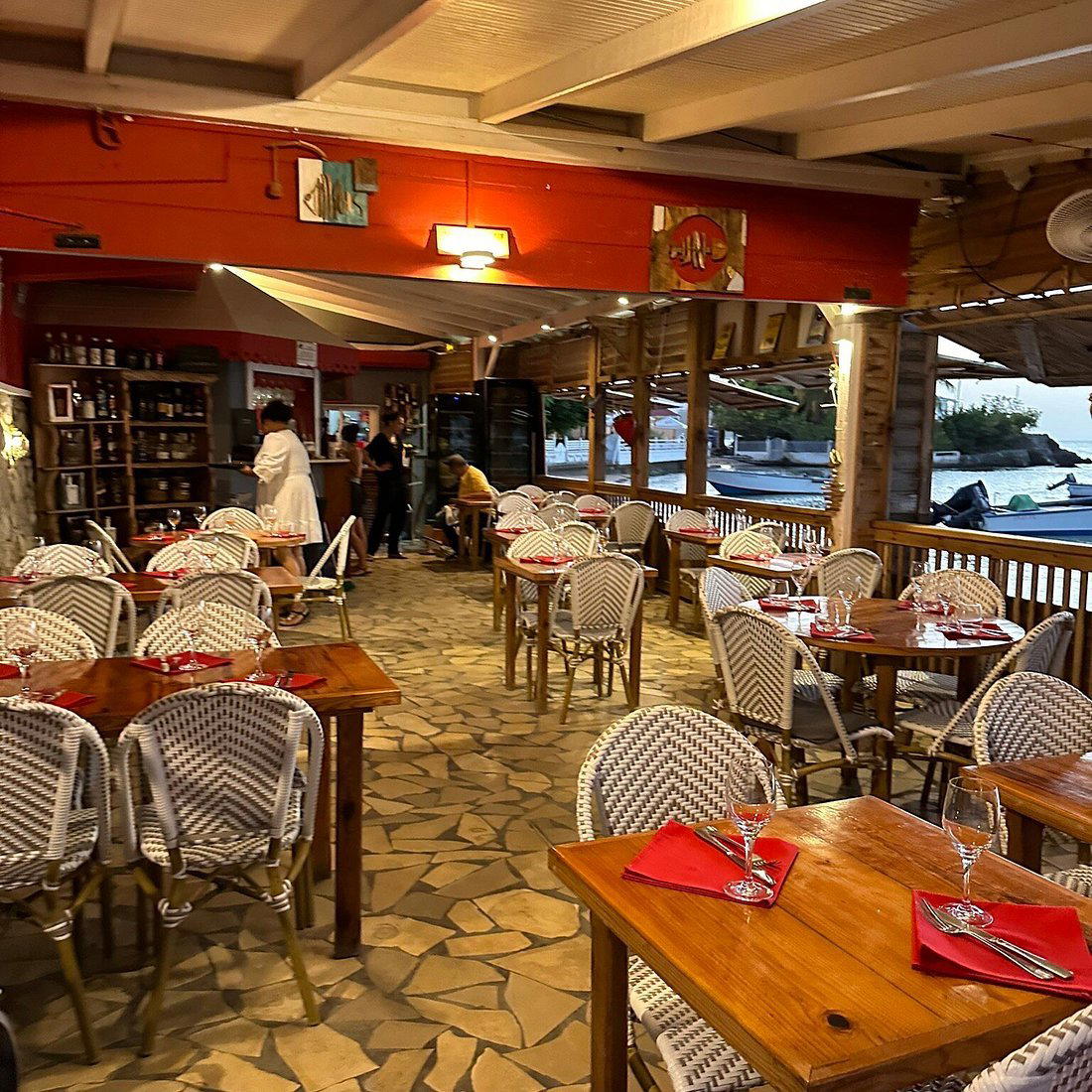
Tranquil and serene with lush tropical gardens, colonial Creole charm featuring dark wood furnishings and modern white linens, calm relaxing environment.
Know Before You Go
- Getting there
- 60 Rte de l'Hermitage, Trois-Rivières 97114, Guadeloupe