


Star Wine List · Falstaff Wine Bar - 90 Falstaff Points · Macarfi 6.4 Food Rating
Our verdict
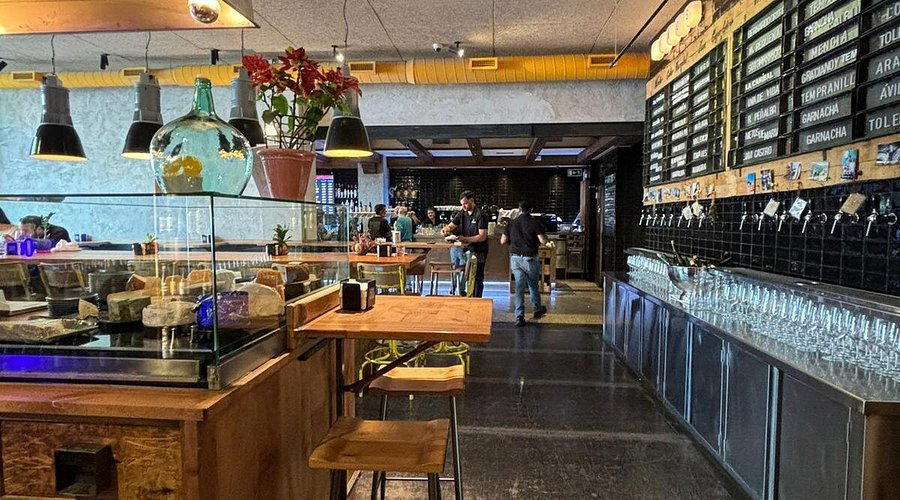
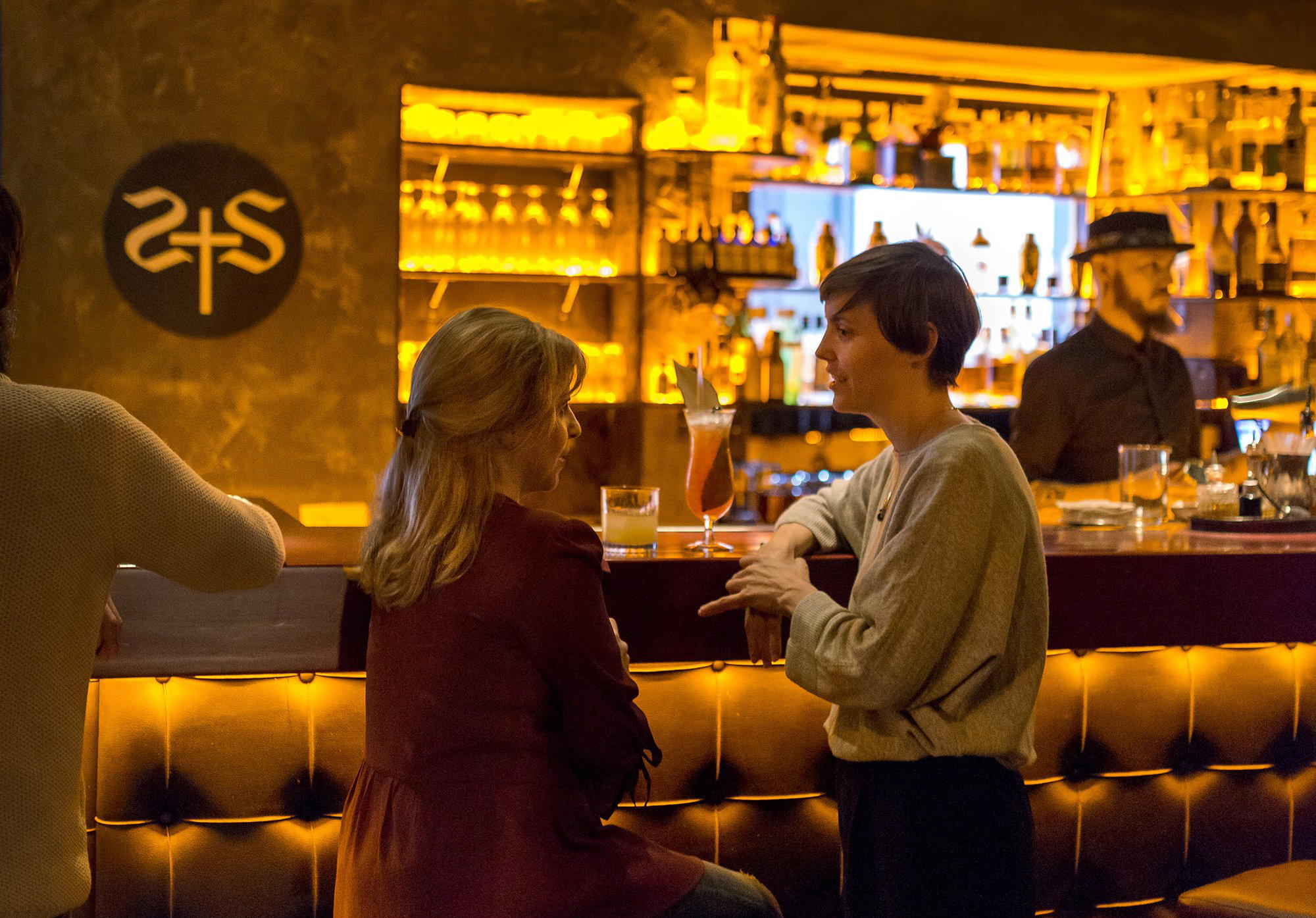
La Canibal is a wine bar and restaurant in the Lavapiés neighbourhood of Madrid, positioned steps from the Reina Sofía museum on Calle de Argumosa. The format follows the relaxed Madrid tradition of drinking well alongside eating well, with a sleek, modern room that suits both a glass-and-pintxo stop and a longer sit-down session.

Pearl is the En Primeur Club membership app, where members save venues, book tables and use the concierge.
The menu
What to order
- Chipirón croquettes
- Octopus a feira
- Torreznos
Lavapiés, the Reina Sofía, and the Art of Drinking With Intention
The block of Calle de Argumosa that runs south from the Reina Sofía museum has developed, over the past decade, into one of Madrid's more interesting wine-focused stretches. The neighbourhood is Lavapiés, a district that has long resisted the kind of homogenising renovation that flattened parts of Malasaña and Chueca, and the result is a dining and drinking scene that sits closer to local habit than tourist circuit. Bars here tend to run on the Madrid logic of the extended evening: wine arrives before food is decided, plates come when they come, and the line between a drink and a meal stays productively blurred. La Canibal sits squarely inside that tradition, at number 28 on Argumosa, in a room that reads modern and spacious against the more compact neighbourhood bars nearby.
The Room as Starting Point
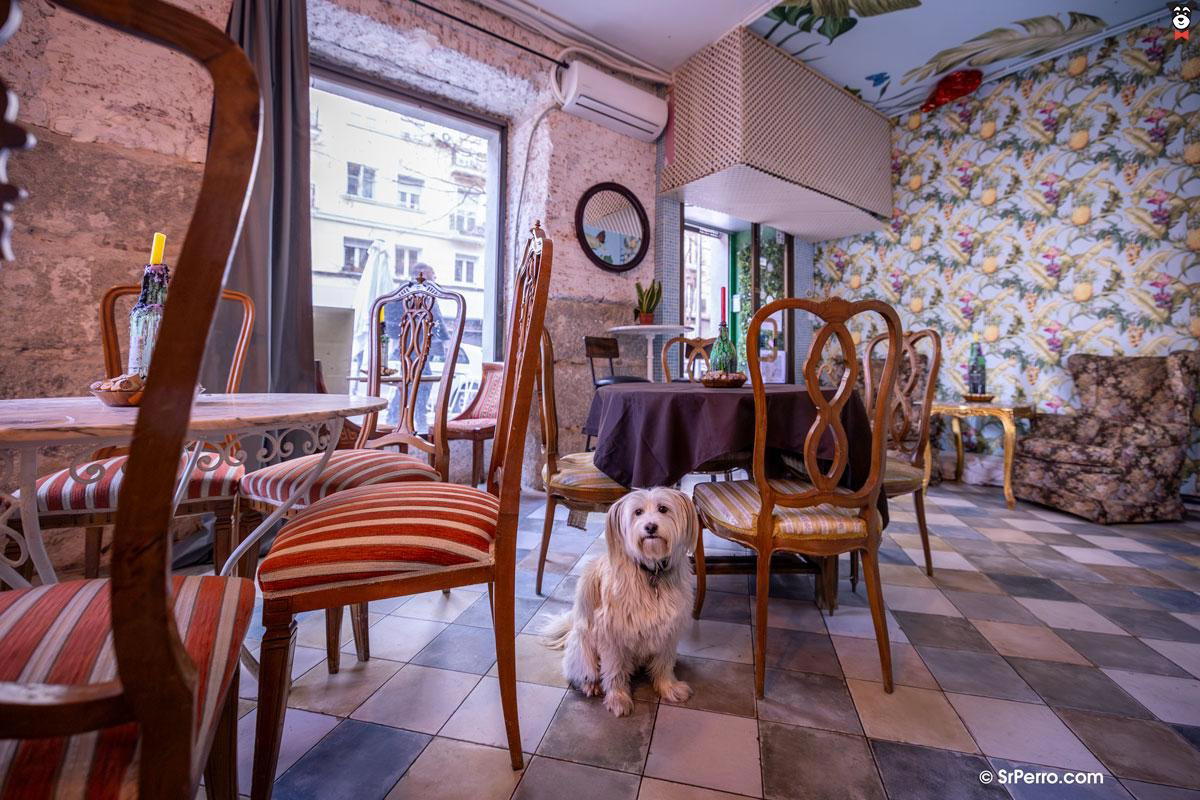
The physical format matters in Madrid wine bars because it shapes how a visit unfolds. Venues with standing-only counters push a certain pace: quick glass, quick bite, move on. Venues with proper tables and room to breathe invite the longer rhythm that suits a wine list worth exploring. La Canibal belongs to the second category. The space is described as sleek and modern, which in the context of Lavapiés signals a deliberate design choice rather than the inherited aesthetic of an older taberna. That contrast with the neighbourhood's worn-tile, high-ceiling bars is part of the point: the room signals that the wine selection and the food are being taken seriously.
Proximity to the Reina Sofía is a logistical fact worth noting. The museum's permanent collection, anchored by Picasso's Guernica, draws a steady stream of visitors to this block, but Argumosa's bar scene functions primarily on local and repeat trade rather than museum overflow. The distinction matters for pacing: arriving around mid-afternoon, after the museum rush has settled, tends to yield a calmer entry into the evening's progression.
The Dining Ritual in Madrid's Wine Bar Format
In the Madrid wine bar tradition, the meal is rarely a formal structure of courses with clear boundaries. The ritual runs differently here than in the tasting-menu restaurants that occupy the city's formal dining tier, venues like DiverXO, Coque, or DSTAgE, where a fixed sequence governs the entire experience. At a wine bar like La Canibal, the diner is expected to drive the tempo. Wine is chosen first, often from a list that runs deeper into Spanish regional production than the standard house-red-or-white shorthand. Food follows as accompaniment, pacing, or punctuation rather than as the primary event.
This format places the wine list at the centre of the experience in a way that formal restaurants rarely do. Spain's wine production has broadened considerably over the past fifteen years, with producers in Galicia, the Canary Islands, Castilla-La Mancha, and lesser-known pockets of Rioja and Ribera del Duero gaining serious attention from wine-focused venues. A bar positioned near a cultural institution in a wine-literate neighbourhood has both the customer base and the commercial incentive to maintain a list that goes beyond the obvious appellations. How deep La Canibal's list runs on any given visit is something that changes with the cellar and the season, but the format signals an intent to reward those who ask about what's open and what's interesting rather than defaulting to the house pour.
The food side of the equation in this format tends toward the Spanish tradition of small plates designed to complement rather than dominate: cured meats, aged cheeses, conservas, perhaps a cooked plate or two to anchor a longer session. Ordering speculatively, asking what pairs with a particular bottle, and sharing plates across the table are all part of the ritual rather than departures from it.
Where La Canibal Sits in Madrid's Drinking and Dining Spread
Madrid's food and drink scene has fragmented into fairly distinct tiers. At one end sit the multi-Michelin operations Deessa and Paco Roncero among them, where the investment is in a single, structured evening and the price reflects that. At the other end is the neighbourhood bar economy, where the wine is inexpensive and the tapas are generic. La Canibal occupies the space between those poles: a venue where the wine selection is serious enough to warrant attention, the room is comfortable enough for a genuine session, and the price point remains inside the range of a regular evening rather than a special occasion. That middle tier is, arguably, where the more interesting drinking in Madrid happens, because it operates on volume and curiosity rather than ceremony.
Lavapiés itself reinforces this positioning. The neighbourhood's demographic mix, its proximity to the arts institutions clustered in this part of central Madrid, and its relative resistance to the kind of premium-only renovation that prices out the regulars, all of these factors tend to produce venues that have to earn their reputation on what's in the glass rather than on the address alone.
For context on how Spain's broader restaurant scene has developed, and the kind of technical ambition that defines its current peak, the work at El Celler de Can Roca in Girona, Arzak in San Sebastián, Azurmendi in Larrabetzu, Martin Berasategui in Lasarte-Oria, Aponiente in El Puerto de Santa María, and Cocina Hermanos Torres in Barcelona provides a useful frame for understanding what Spain's kitchen culture has built across different registers. La Canibal operates at the opposite end of that formality spectrum, but both ends share a seriousness about what goes into the glass and onto the plate.
Planning Your Visit
La Canibal is on Calle de Argumosa 28, in the Centro district of Madrid, a short walk from the Reina Sofía and the Atocha transport hub. The Lavapiés metro station brings you into the neighbourhood directly. The venue's spacious format means it absorbs a range of group sizes more comfortably than the tighter neighbourhood bars on nearby streets. Arriving early in the evening, before the later Madrid dinner wave, allows more flexibility in where you sit and how long you stay. For a fuller picture of where La Canibal fits within Madrid's drinking options, see our full Madrid bars guide, and for the broader context of eating and staying in the city, consult our Madrid restaurants guide, hotels guide, wineries guide, and experiences guide.
Frequently asked questions
What distinctions does La Canibal have?
La Canibal has received recognition including: La Canibal is a lively and spacious wine bar and restaurant situated in the Lavapiés neighbourhood, just a stone’s throw from the world–famous Reina Sofia museum. The venue is sleek and modern, and o....
What's the address for La Canibal?
La Canibal is located at C. de Argumosa, 28, Centro, 28012 Madrid, Spain, Madrid.
What do people recommend at La Canibal?
La Canibal is primarily a wine bar, so the drink list is the anchor of any visit, the selection runs broad enough to carry a long evening. Food follows the Madrid wine bar format: smaller plates and snacks designed to accompany glasses rather than build toward a formal meal. Ask staff for current pours and whatever is working in the kitchen that day, since the offer shifts.
Can I walk in to La Canibal?
The venue is spacious by Lavapiés standards, which improves your odds of finding a spot without a reservation, particularly on weekday evenings. Weekend nights on Calle de Argumosa draw a consistent crowd given the street's position just south of the Reina Sofía, so arriving early or calling ahead is the safer approach if you have a fixed time in mind.
Cuisine Lens
Comparable venues nearby, for context on price, style, and recognition.
| Venue | Cuisine | Price | Awards | Notes |
|---|---|---|---|---|
| La CanibalThis venue (the venue you are viewing) | Galician Tapas with Natural Wines | $20–30 | Star Wine List · Falstaff Wine Bar - 90 Falstaff Points | Not listed |
| Portomarín | Galician Spanish | $20–30 | Not listed | Lavapies |
| Café Central | Spanish Tapas & Jazz | $30–50 | Not listed | Barrio de las Letras |
| perretxiCo Narváez | Basque Pintxos and Traditional Spanish | $20–30 | Not listed | Ibiza |
| La Madreña | Traditional Asturian | $30–50 | Not listed | El Viso |
| PETIT COMITÉ Azca | Spanish Tapas with French Touch | $30–50 | Not listed | Cuatro Caminos |
Recognition history
Dated appearances from independent guides and award organizations, with the underlying list record or original source where available.
Star Wine List
Star Wine List
Falstaff Wine Bar - 90 Falstaff Points
Falstaff
Macarfi 6.4 Food Rating
Macarfi
Continue exploring
More in Madrid
Restaurants in Madrid
All restaurants in Madrid →
Bars in Madrid
All bars in Madrid →

La Canibal
The wine
- Wine program
- Deep wine list
- Sommelier-led
- Natural wine
- Craft cocktails
Details
- Lively
- Modern
- Trendy
- Casual Hangout
- After Work
- Late Night
- Open Kitchen
- Wine Cellar
- Natural Wine
- Craft Cocktails
- Sommelier Led
- Local Sourcing
- Organic
- A La Carte
- Small Plates
- Natural Wine
- Craft Beer
Current opening hours
- Monday
- 9 AM–12 AM
- Tuesday
- 9 AM–12 AM
- Wednesday
- 9 AM–12 AM
- Thursday
- 9 AM–12 AM
- Friday
- 9 AM–12 AM
- Saturday
- 12 PM–12 AM
- Sunday
- 12 PM–12 AM
Hours can change for holidays and private events. Hours as of .
Youthful, versatile atmosphere in a sleek, modern space with a lively buzz.