La Cabotte


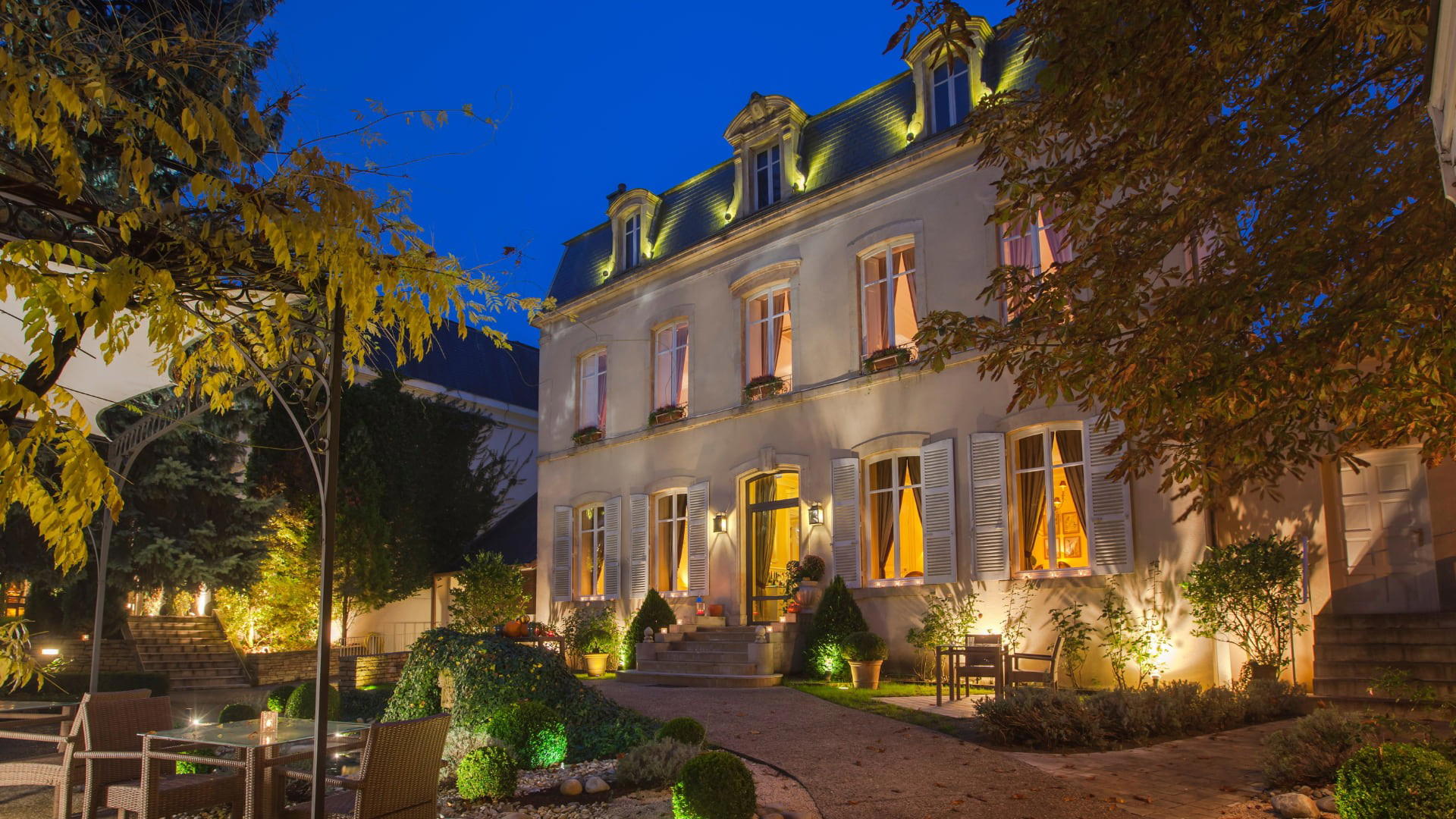
A Village House on the Côte de Nuits Grande Rue cuts through Nuits-Saint-Georges with the unhurried authority of a street that has seen centuries of harvest traffic. The stone façade of La Cabotte sits along this artery at number 24, its...
Pearl is the En Primeur Club membership app — saves, bookings, and concierge access live there. Same editors, same standards.
- Address
- 24 Grande Rue, 21700 Nuits-Saint-Georges, France
- Phone
- +33 3 80 61 20 77
- Website
- lacabotte.fr
- Directions
- Get directions
 Saves & bookings on Pearl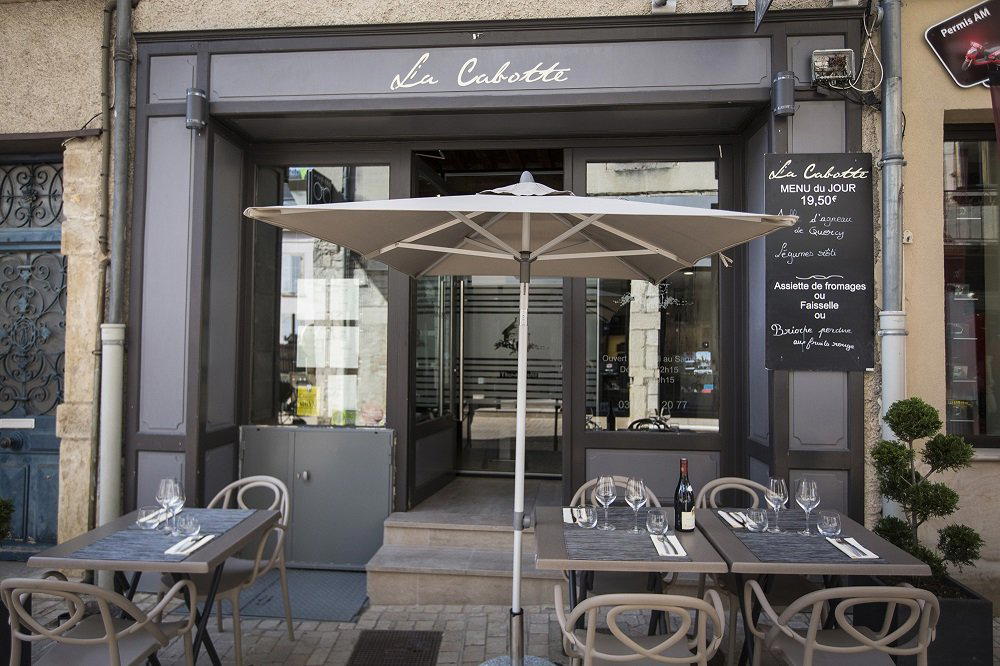
A Village House on the Côte de Nuits
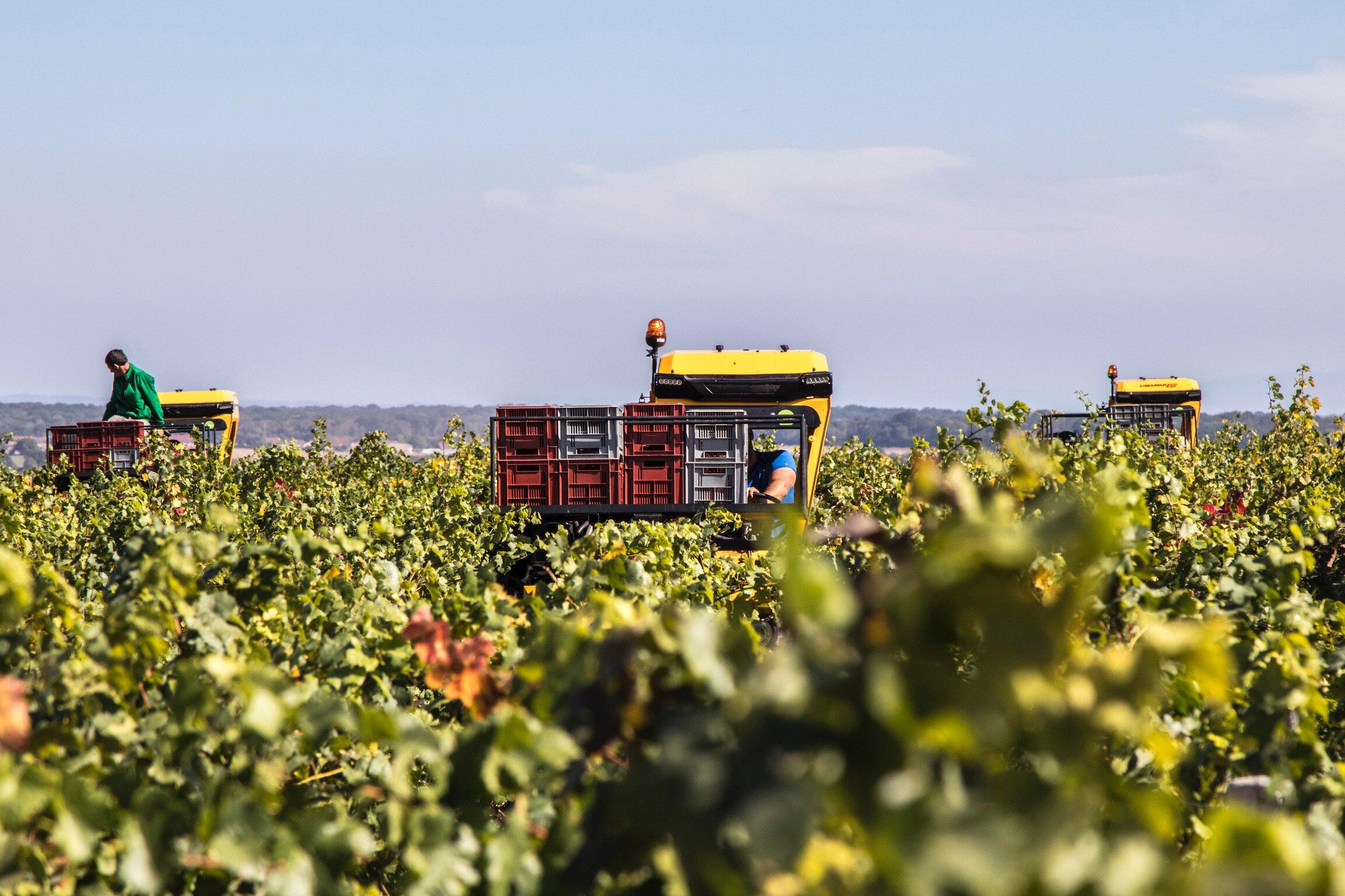
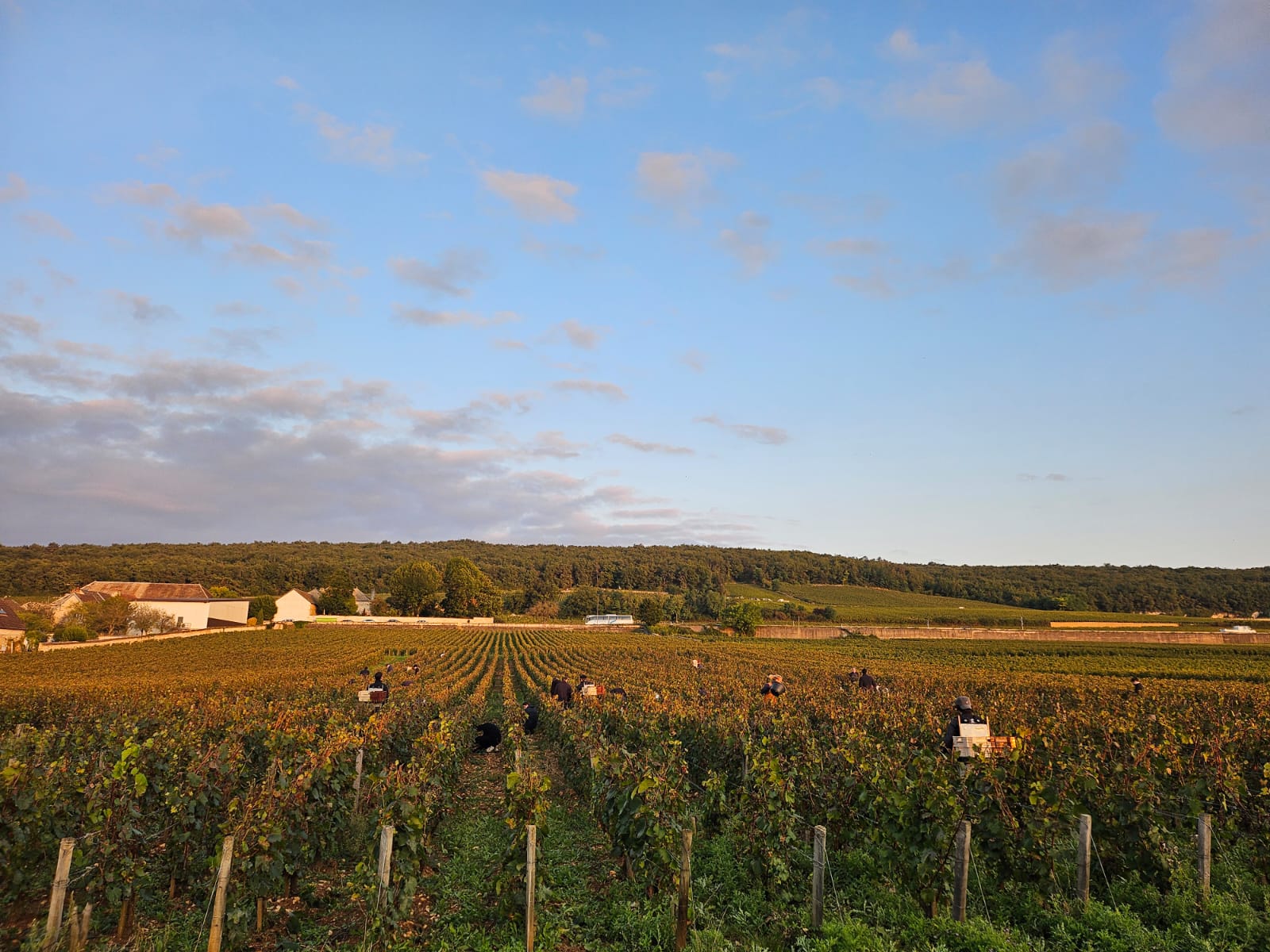
Grande Rue cuts through Nuits-Saint-Georges with the unhurried authority of a street that has seen centuries of harvest traffic. The stone façade of La Cabotte sits along this artery at number 24, its converted village house exterior giving little indication of what the kitchen produces inside. The name itself is a pointer to the surrounding land: a cabotte is the dry-stone hut that vineyard workers built in the rows between parcels, shelter from the Burgundian weather while staying close to the fruit. That geographic and agricultural rootedness is not incidental to the restaurant's identity. It is the operating logic.
What the Land Around Nuits-Saint-Georges Puts on the Plate
The Côte de Nuits produces some of Burgundy's most closely watched Pinot Noir, but the same alluvial soils and small-farm tradition that sustain the vineyards also support a food economy that regional kitchens have drawn from for generations. Bœuf bourguignon and œufs en meurette are the benchmarks of this tradition, dishes whose appeal rests almost entirely on the quality of what goes into them: the slow-braised local beef, the reduction built from regional wine, the egg cooked precisely in that reduction. At La Cabotte, Chef Thomas Protot takes these classics and applies his own structural reading of them rather than reproducing them as museum pieces. The dishes remain recognisably Burgundian in origin while reflecting a technique formed under significant kitchens.
Protot's GaultMillau recognition as Young Talent of Burgundy, awarded when he was 24, places him in a specific tier of regional cooking: young enough to be building rather than consolidating a reputation, credentialed enough for the guide's assessors to have tracked him closely. GaultMillau, unlike Michelin, tends to favour expressive, chef-driven cooking over strict formalism, so the recognition signals something about the kitchen's character as much as its discipline.
The other ingredient that appears consistently in accounts of La Cabotte's sourcing is the snail. Burgundy's escargots are among the more geographically specific products in French gastronomy, tied to a production tradition centred in the region and subject to enough demand that sourcing quality material requires real effort. The treatment at the restaurant, with hazelnut butter and fresh herbs, is classical in its framing but depends entirely on the quality of the snails themselves. Hazelnut butter is not a sauce that disguises provenance; it amplifies it. The same logic applies to how fresh herbs interact with escargot: they either sharpen a clean, earthy ingredient or expose a poor one. This is sourcing-dependent cooking in its most direct form.
For readers who want to understand how this kind of regional-classical French approach plays out at different scales and price points across the country, the contrast with kitchens like Alléno Paris au Pavillon Ledoyen, Mirazur in Menton, or Flocons de Sel in Megève is instructive. Those restaurants operate in a different economic register and at a different level of international visibility, but the underlying principle of grounding the menu in what the surrounding territory produces is not distinctive to the grand kitchens. It runs through the French restaurant tradition at every tier, from the three-star destinations to a converted village house on the Côte de Nuits.
Burgundy's Classic Dishes, Treated Seriously
The regional French culinary tradition has a complicated relationship with its own classics. Bœuf bourguignon and œufs en meurette appear on so many menus across Burgundy that the dishes risk becoming background noise, produced on autopilot for tourists who expect to see them. The more interesting question is what it looks like when a young chef with formal training and genuine GaultMillau recognition chooses to work with those dishes rather than away from them. Protot's approach appears to be reinterpretation rather than deconstruction: the dish remains legible but reflects what the chef has absorbed from the kitchens he trained in. That sensibility, of treating regional classics as living material rather than fixed recipes, is closer in spirit to what kitchens like Troisgros in Ouches or Bras in Laguiole have done with their own regional inheritances, even if the scale and resources are entirely different.
Other French kitchens built on deep regional loyalty and technique include Auberge de l'Ill in Illhaeusern, Auberge du Vieux Puits in Fontjoncouse, Au Crocodile in Strasbourg, and Assiette Champenoise in Reims, each of which demonstrates how provincial French cooking at its most committed competes with anything available in the capital. Beyond France, the conversation about regionally grounded French technique extends to Le Bernardin in New York City and even, in its own fashion, to Emeril's in New Orleans, where the debt to classical French method is direct. Paul Bocuse's Auberge du Pont de Collonges and AM par Alexandre Mazzia in Marseille show, at opposite ends of the tradition, how French kitchens can simultaneously preserve and disrupt their own inheritance.
Planning a Visit
The restaurant is at 24 Grande Rue, 21700 Nuits-Saint-Georges, in the town centre, making it accessible on foot from most accommodation in the village. Nuits-Saint-Georges sits on the Dijon to Beaune rail corridor, so arrival by train is practical for visitors covering the Côte de Nuits without a car. Booking ahead is sensible, particularly during harvest season in September and October when the town fills with buyers and growers. The restaurant recommends reservations and serves lunch and dinner daily.
In Context: Similar Options
Comparable venues nearby, for context on price, style, and recognition.
| Venue | Cuisine | Price | Notes |
|---|---|---|---|
| La CabotteThis venue — the venue you are viewing | Classic Burgundy Bistro | $$$ | Not listed |
| L'AbenFant | Modern French Locavore Bistro | $$$ | old Dijon |
| Atelier de Candale | Seasonal French wine‑country restaurant in the vineyards | $$$ | Saint-Laurent-des-Combes / Saint-Émilion vineyards |
| L'OCTAVE | Modern French Bistro | $$$ | Quartier Vaise Rochecardon Industrie |
| l'Âme Sœur | Modern French Seasonal Bistro | $$$ | Quartier Voltaire Part-Dieu |
| Restaurant Paquet | Regional French Bistro | $$$ | Druillat |
Recognition history
Dated appearances from independent guides and award organizations, with the underlying list record or original source where available.
Opinionated About Dining Casual in Europe Recommended
Opinionated About Dining
We're Smart World 2 Radishes
We're Smart World
Continue exploring
More in Nuits-Saint-Georges
Restaurants in Nuits-Saint-Georges
Browse all →
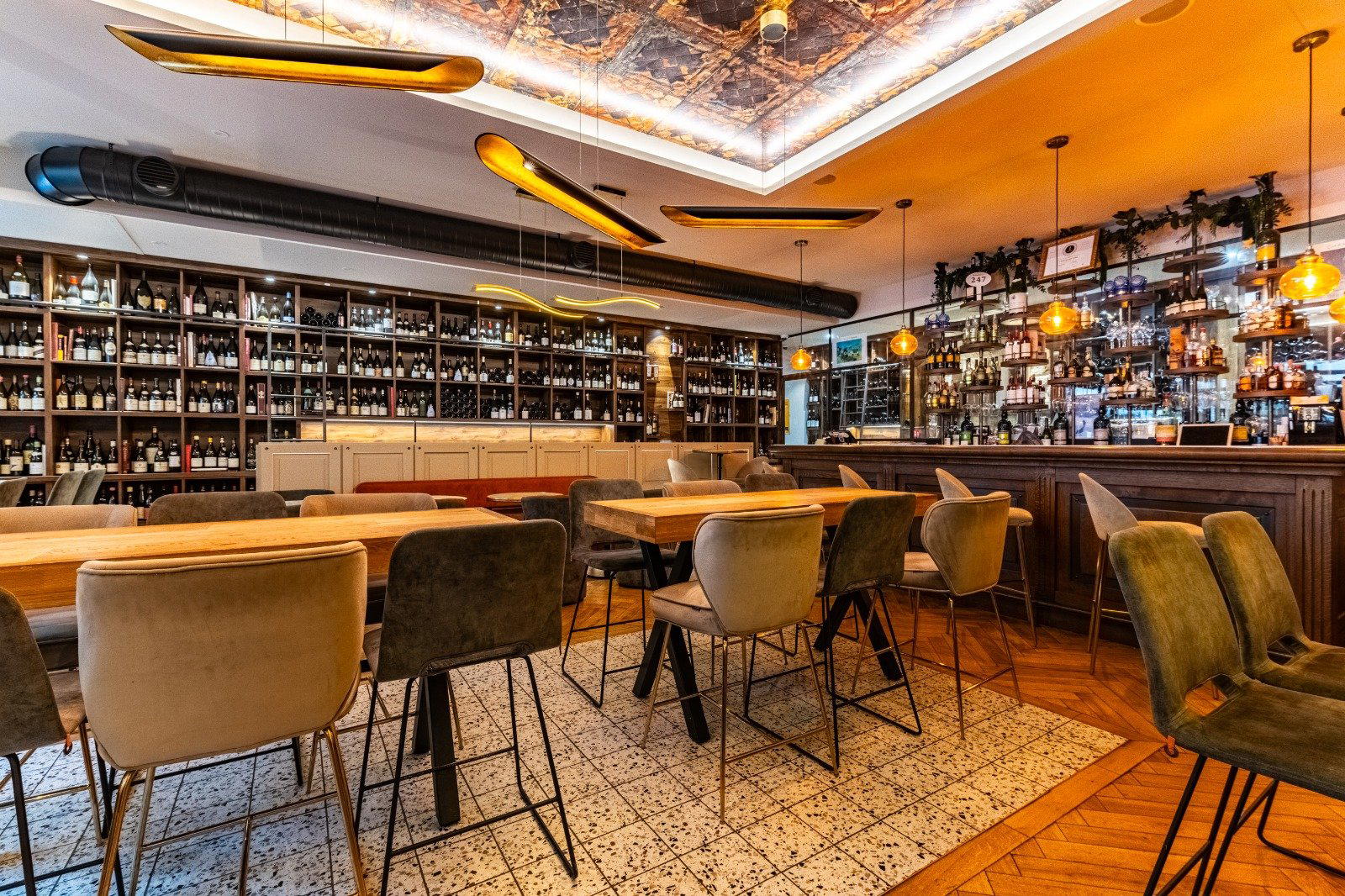
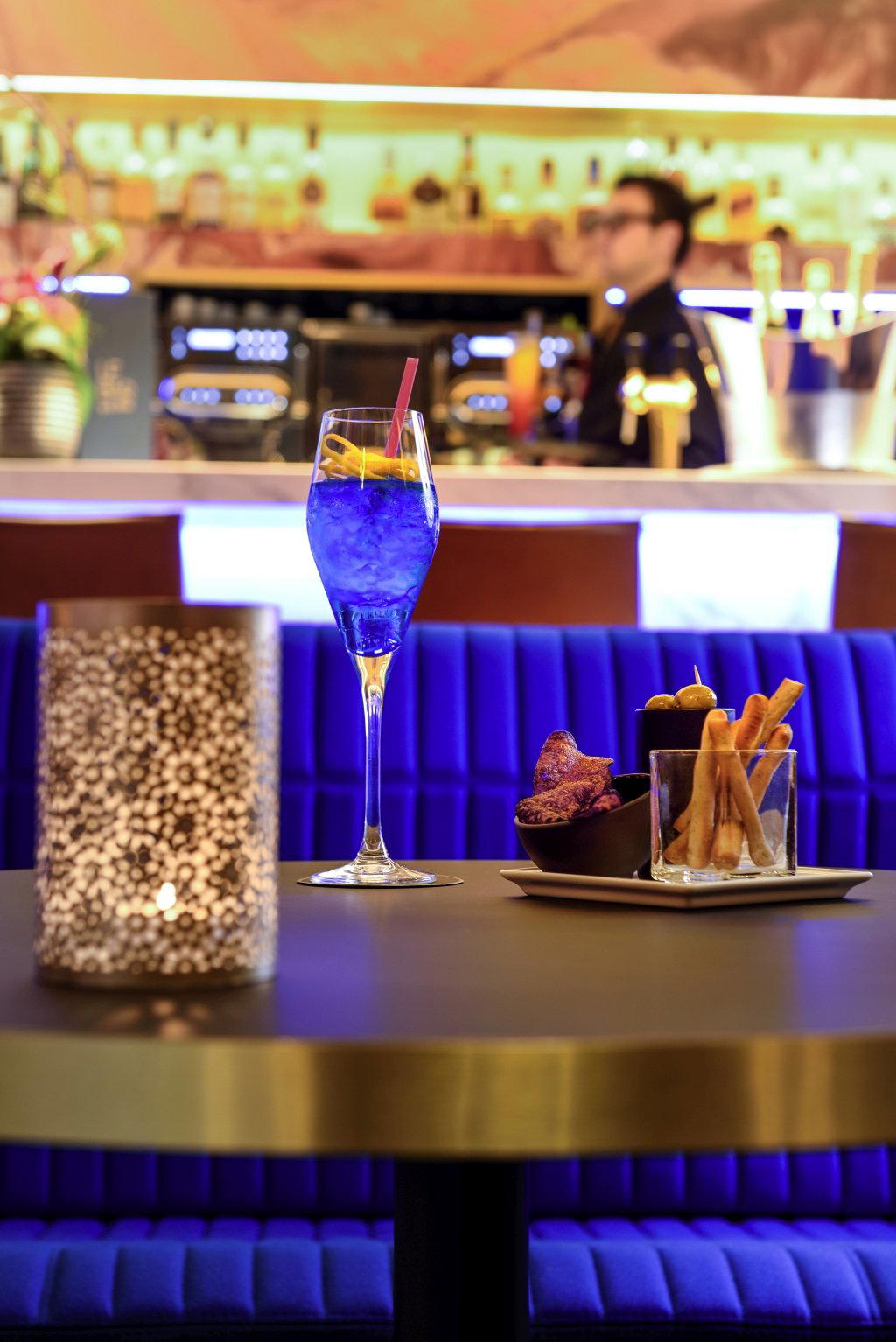
Bars in Nuits-Saint-Georges
Browse all →
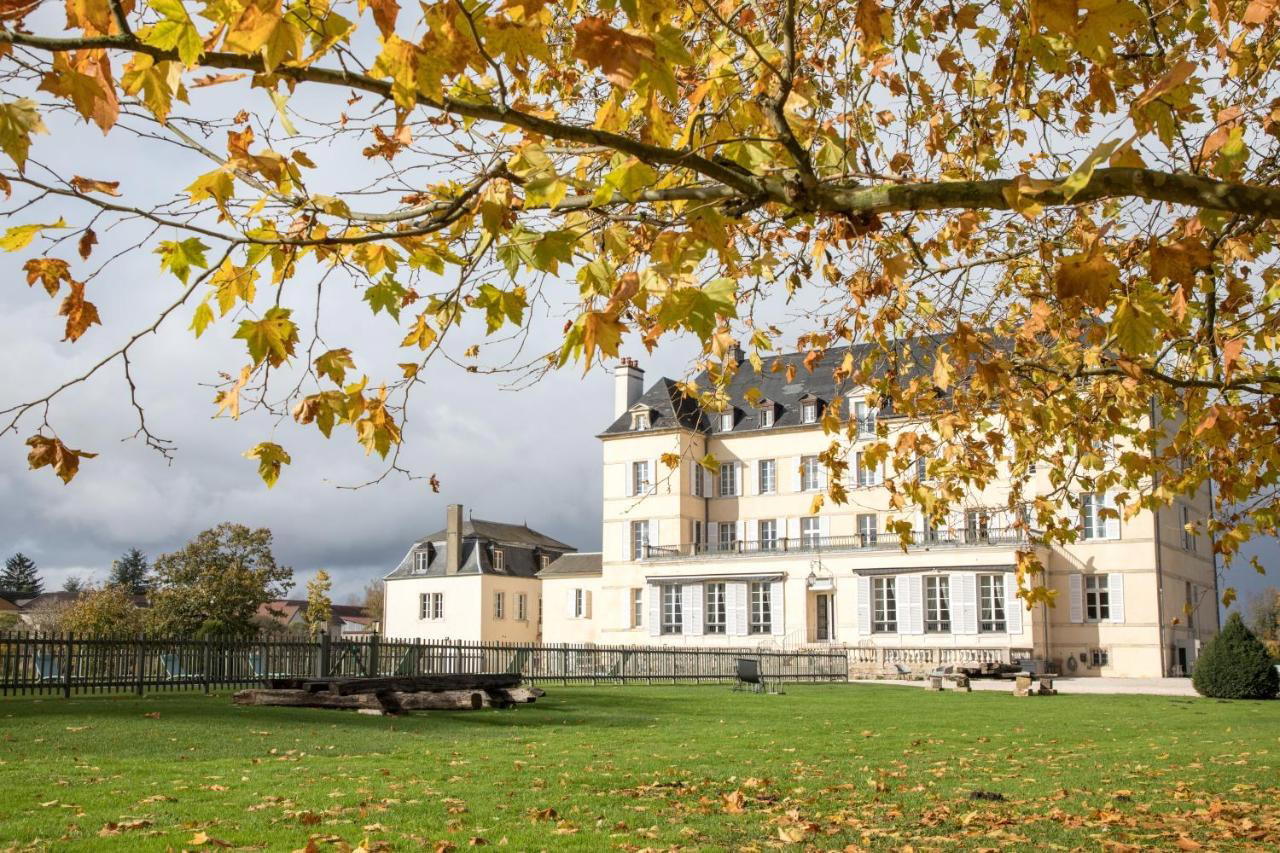
Hotels in Nuits-Saint-Georges
Browse all →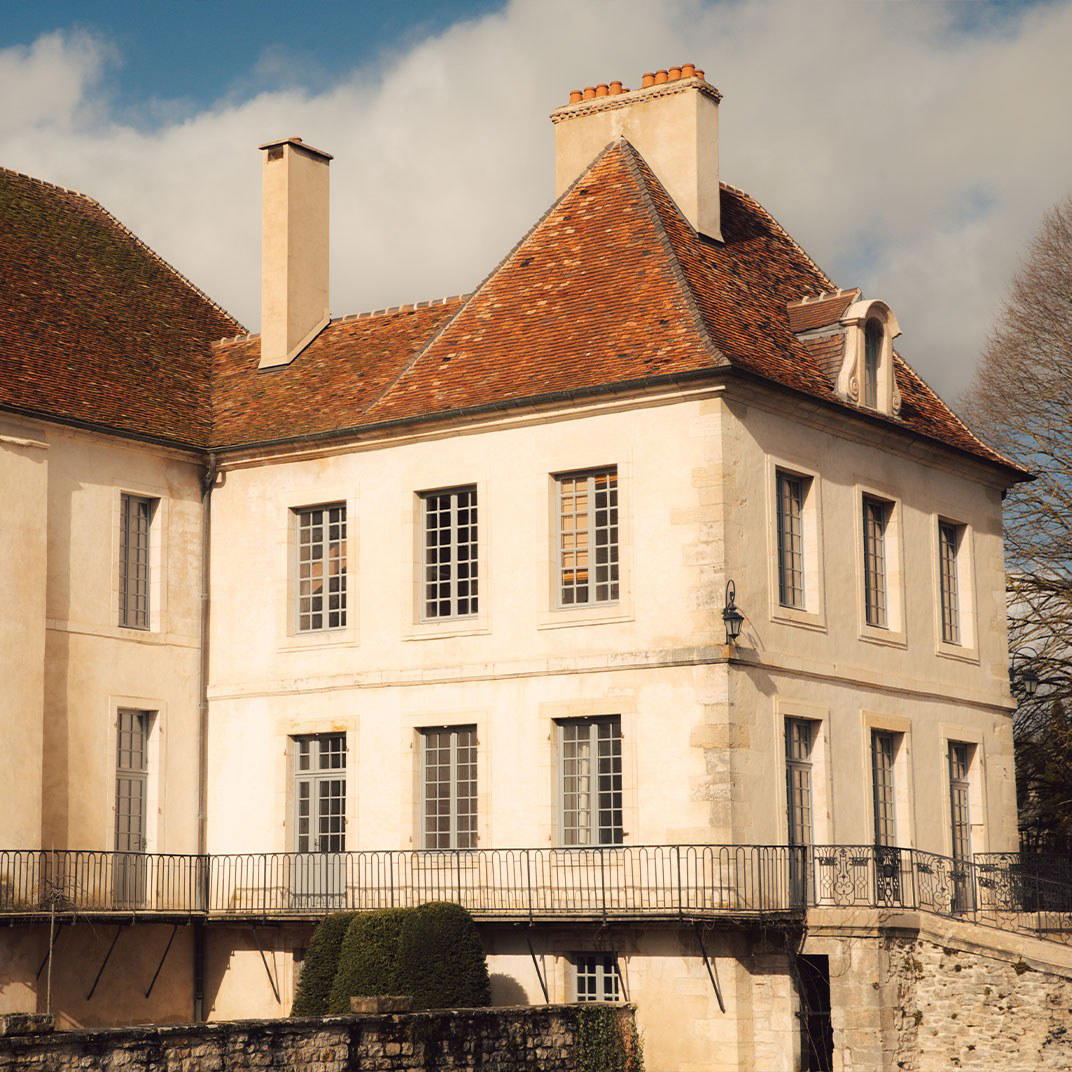
At a Glance
- Cozy
- Classic
- Elegant
- Intimate
- Date Night
- Special Occasion
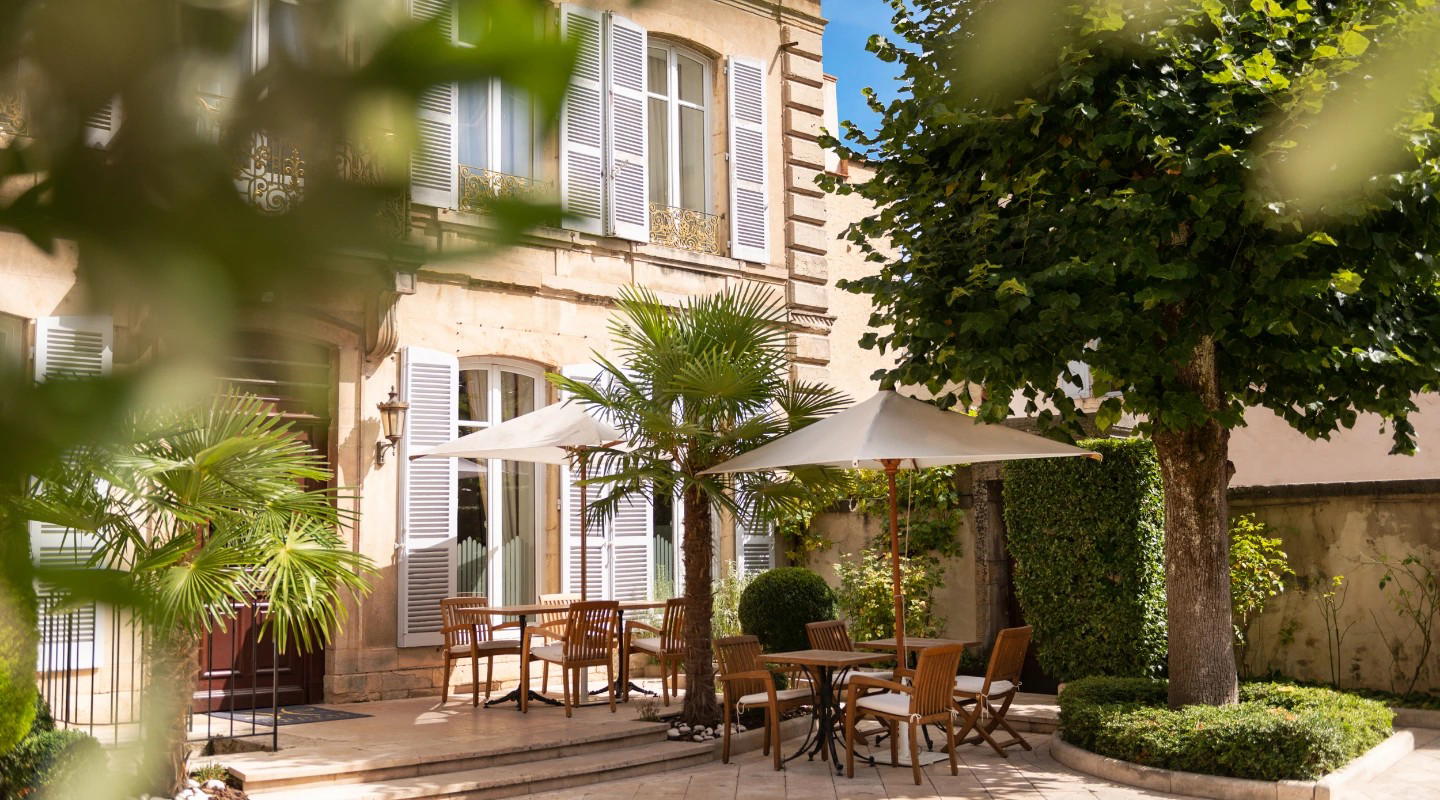
- Terrace
- Extensive Wine List
- Local Sourcing
Current opening hours
- Monday
- 12–2 PM, 7–9:30 PM
- Tuesday
- 12–2 PM, 7–9:30 PM
- Wednesday
- 12–2 PM, 7–9:30 PM
- Thursday
- 12–2 PM, 7–9:30 PM
- Friday
- 12–2 PM, 7–9:30 PM
- Saturday
- 12–2 PM, 7–9:30 PM
- Sunday
- 12–2 PM, 7–9:30 PM
Hours can change for holidays and private events. Last verified .
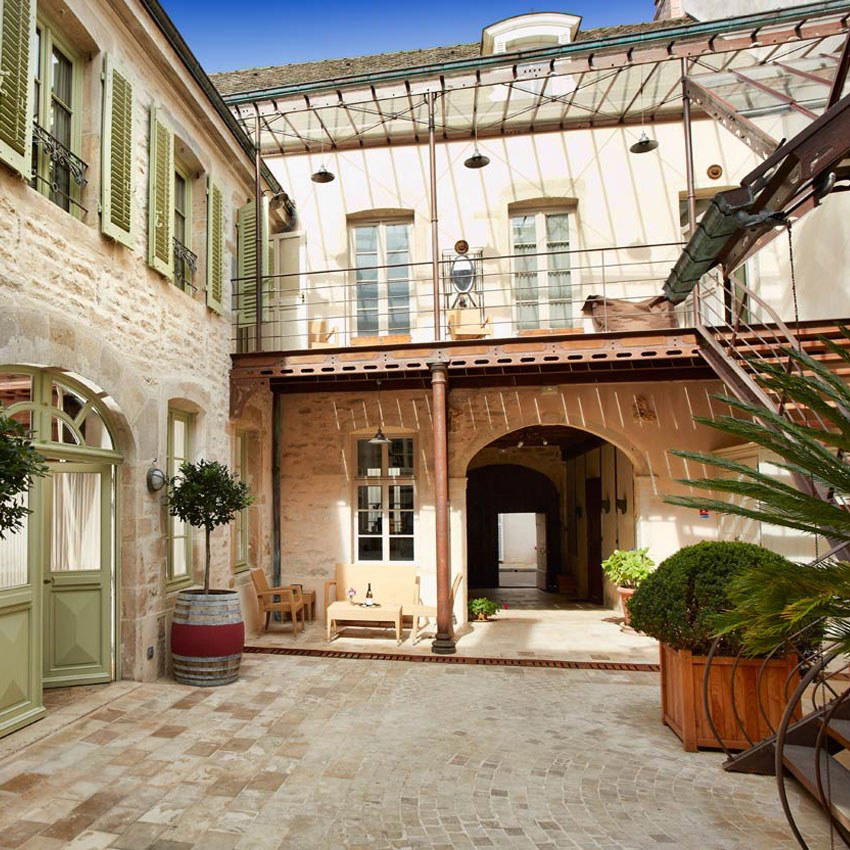
Small, cozy, and slightly dark interior with historic charm in an 18th-century building, offering a relaxed yet refined atmosphere.