La Bottega di Mario

La Bottega di Mario holds consecutive Michelin Bib Gourmand recognition for 2024 and 2025, placing it among Zurich's most consistent Italian addresses at the mid-price tier. Situated on Nüschelerstrasse in the city centre, the kitchen operates under Chef Marco Campanella and draws on Italian regional cooking traditions rather than the pan-Italian fusion that fills much of Zurich's Italian restaurant scene.
Pearl is the En Primeur Club membership app — saves, bookings, and concierge access live there. Same editors, same standards.
- Address
- Nüschelerstrasse 6, 8001 Zürich, Switzerland
- Phone
- +41 44 227 19 22
- Website
- labottegadimario.ch
- Directions
- Get directions
 Saves & bookings on Pearl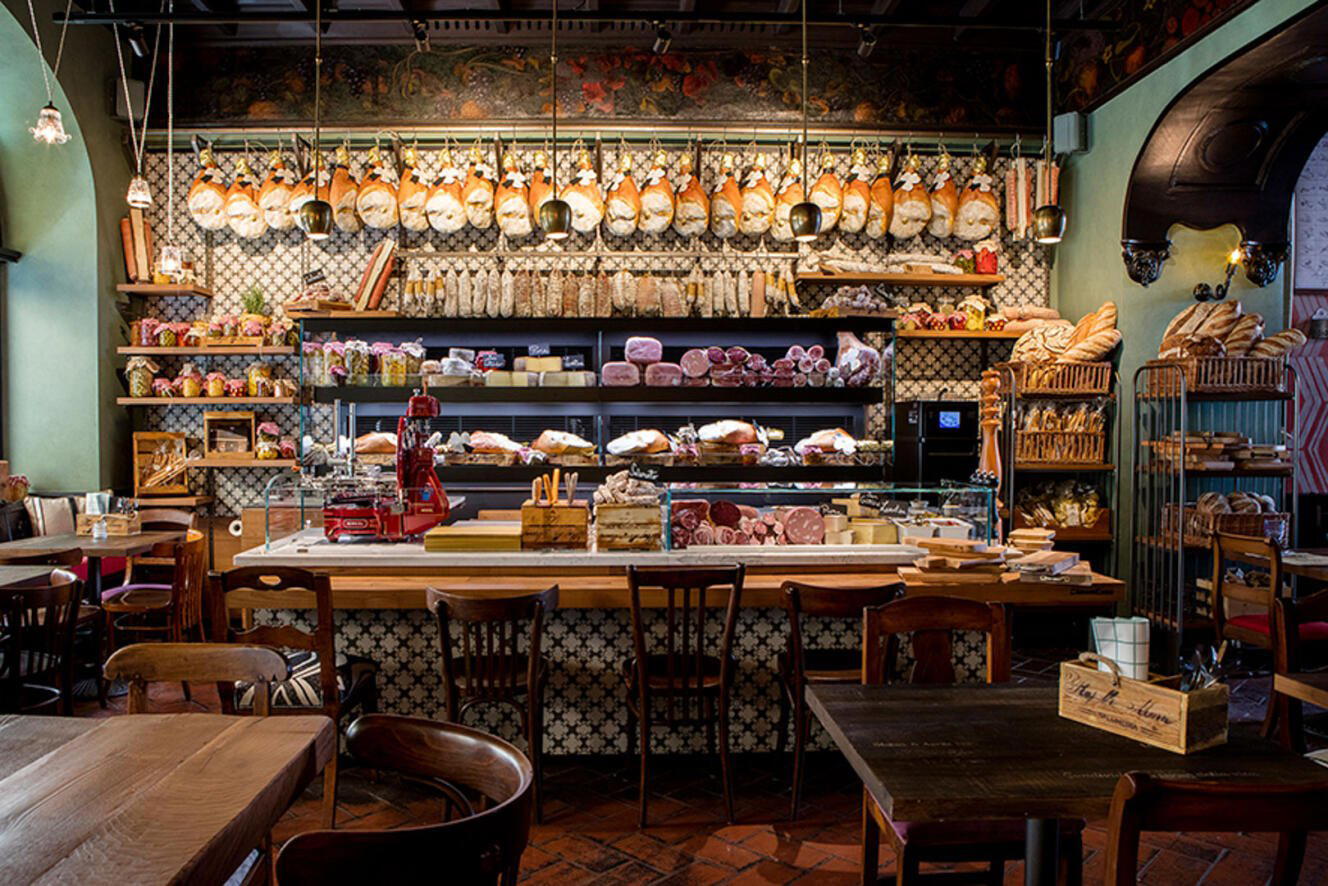
Italian Regional Cooking in a Swiss Financial District
Zurich's city centre, anchored by the Bahnhofstrasse corridor and the low-rise office blocks of the old town fringe, does not have an obvious reputation for serious Italian regional cooking. The dining rooms that line these streets tend toward expense-account Swiss-French, hotel brasseries, or the kind of broadly-labelled Italian that smooths out regional character in favour of crowd-pleasing accessibility. La Bottega di Mario, at Nüschelerstrasse 6 in the 8001 postal district, operates against that grain. It has earned Michelin Bib Gourmand recognition in both 2024 and 2025, the inspector's signal for cooking that delivers quality above its price point rather than cooking that merely avoids mistakes.
The Bib Gourmand designation matters here because of what it implies about positioning. At the €€ price range, La Bottega di Mario sits a full tier below Zurich's starred Italian rooms. Eden Kitchen & Bar operates at €€€€ with a Michelin star, representing the formal end of the Italian dining spectrum in the city. La Bottega di Mario's consecutive Bib recognitions suggest that Michelin's inspectors regard it as the reference point at the accessible end of that same spectrum, which is a meaningfully different kind of achievement.
The Question of Regional Identity
Italian cooking, when done with any seriousness, is not a single cuisine. It is a collection of regional traditions that differ as sharply from one another as French regional cooking differs internally. A Neapolitan kitchen prioritises tomato, seafood, and wood-fired technique. A Milanese kitchen works with butter, risotto, and braised meats. Roman cooking turns on cured pork fat, pasta textures, and the bitter note of chicory. Tuscan cooking is leaner, drier, more reliant on legumes and the quality of the olive oil itself. These are not stylistic choices but the products of distinct agricultural histories, climatic conditions, and centuries of local taste formation.
Zurich's Italian restaurant scene spans this range unevenly. Several addresses lean Milanese by proximity and by the tastes of the Swiss-Italian community that has shaped the city's background culinary culture. Accademia del Gusto approaches Italian cooking from an educational and technical angle, while the Freilager complex hosts both Freilager La Cucina Colaianni and Freilager La Trattoria, representing different registers of Italian hospitality within a single development. Gandria references the Swiss-Italian lake culture of the Ticino. Against this range, the restaurant's specific regional emphasis is part of what earns it Michelin attention: the Bib Gourmand is not awarded to restaurants that play it safe with generic pan-Italian menus.
Chef Marco Campanella leads the kitchen. The Bib Gourmand award functions as a third-party credential for his cooking. In Michelin's framework, the Bib is the inspector's endorsement of a kitchen that understands what it is doing, not simply one that operates at a convenient price point.
Zurich's Italian Tier, Mapped
Understanding the restaurant's place in the market requires understanding how Zurich's Italian dining tier is structured. The city carries a handful of Italian addresses that earn formal Michelin star recognition, a cluster that operates in the upper-middle register with Bib or near-Bib quality, and a larger volume of neighbourhood trattorias and commercial Italian restaurants that serve the city's considerable appetite for pasta and pizza without aspiring to critical attention. The restaurant occupies the second tier and, by virtue of consecutive Bib awards, sits at the ceiling of it.
The broader Swiss fine dining context provides a useful frame. Switzerland punches considerably above its size in Michelin terms: Hotel de Ville Crissier near Lausanne, Schloss Schauenstein in Fürstenau, and Cheval Blanc by Peter Knogl in Basel represent the country's upper-tier restaurant culture. Within Zurich specifically, addresses like Memories in Bad Ragaz and 7132 Silver in Vals illustrate the Swiss tendency to situate serious cooking in destination or resort settings. City-centre Zurich has its own high-end tier, including IGNIV Zürich by Andreas Caminada (two Michelin stars, €€€€) and The Counter (two Michelin stars, €€€€), but these are not Italian. KLE, Zurich's Michelin-starred vegan room, and Kronenhalle, the city's long-running traditional Swiss address, complete the picture of a city where serious cooking spans multiple traditions. The restaurant occupies the slot that Michelin's Bib framework is designed to identify: high-quality cooking at accessible prices.
For Italian cooking outside Switzerland, the regional-Italian model the restaurant follows has parallels at different price points. 8½ Otto e Mezzo Bombana in Hong Kong and cenci in Kyoto both demonstrate how Italian culinary identity travels and adapts in non-Italian cities, operating at different tiers but sharing the same fundamental commitment to a specific, defined tradition rather than a generic one. Equally, Colonnade in Lucerne represents the Swiss hotel-Italian model, a different format and register from what the restaurant offers.
Planning a Visit
The restaurant is located at Nüschelerstrasse 6, in the 8001 district of central Zurich. At the €€ price range, it sits well below the outlay required at Zurich's starred rooms, making it accessible for business lunches and unhurried weekday dinners alike. The consecutive Bib Gourmand awards suggest sustained demand, so advance reservations are advisable rather than optional, particularly for dinner service.1 from 265 responses.
Reputation Context
Comparable venues nearby, for context on price, style, and recognition.
| Venue | Cuisine | Price | Awards | Notes |
|---|---|---|---|---|
| La Bottega di MarioThis venue — the venue you are viewing | Ticino Italian Trattoria | $$ | Bib Gourmand | Not listed |
| Freilager La Trattoria | Italian Trattoria | $$ | Michelin Plate | Riesbach |
| Accademia del Gusto | Modern Italian Nouvelle Cuisine | $$$ | Michelin Plate | Aussersihl |
| Rigiblick Züriberg Beiz | Regional Swiss Seasonal | $$ | Bib Gourmand | Rigiblick |
| Collana | Italian Cafe and Bar | $$ | Not listed | Fluntern |
| Ribelli Restaurant | Authentic Italian Pizza and Salumeria | $$ | Not listed | Industriequartier |
Recognition history
Dated appearances from independent guides and award organizations, with the underlying list record or original source where available.
Michelin Bib Gourmand
Michelin
Michelin Bib Gourmand
Michelin
Continue exploring
More in Zürich
Restaurants in Zürich
Browse all →
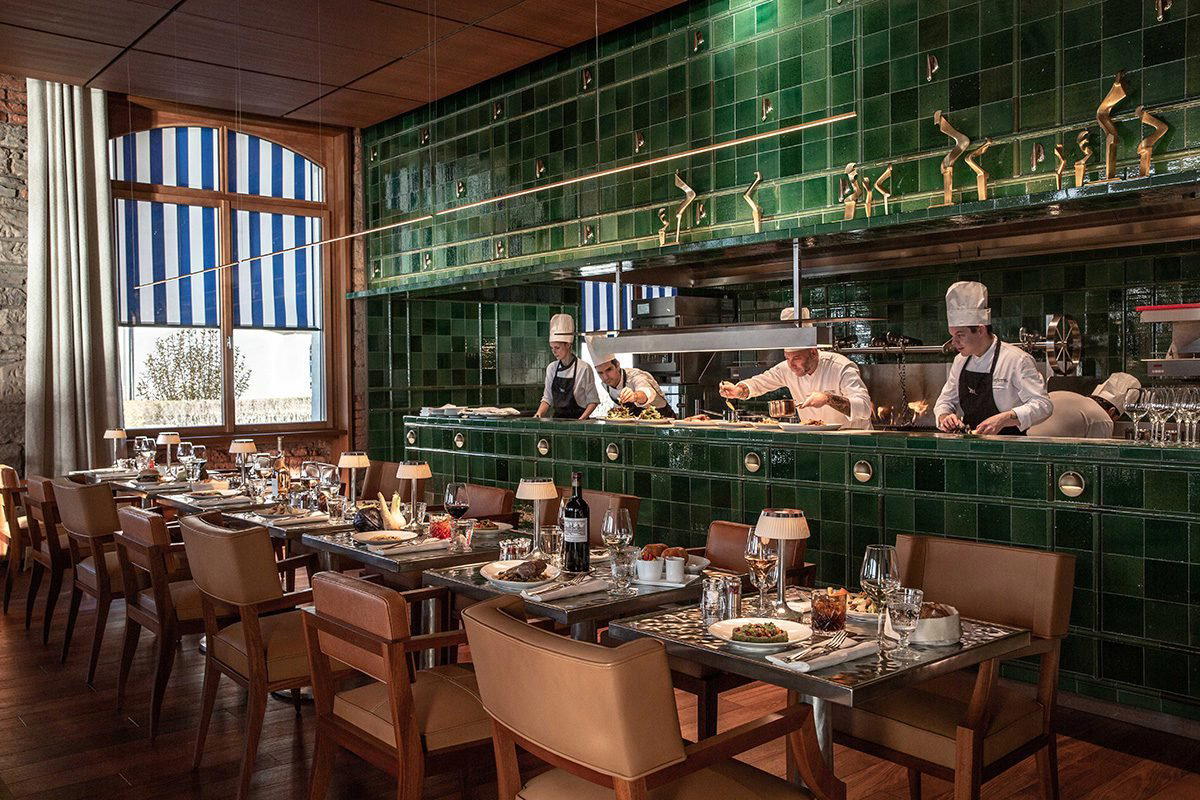
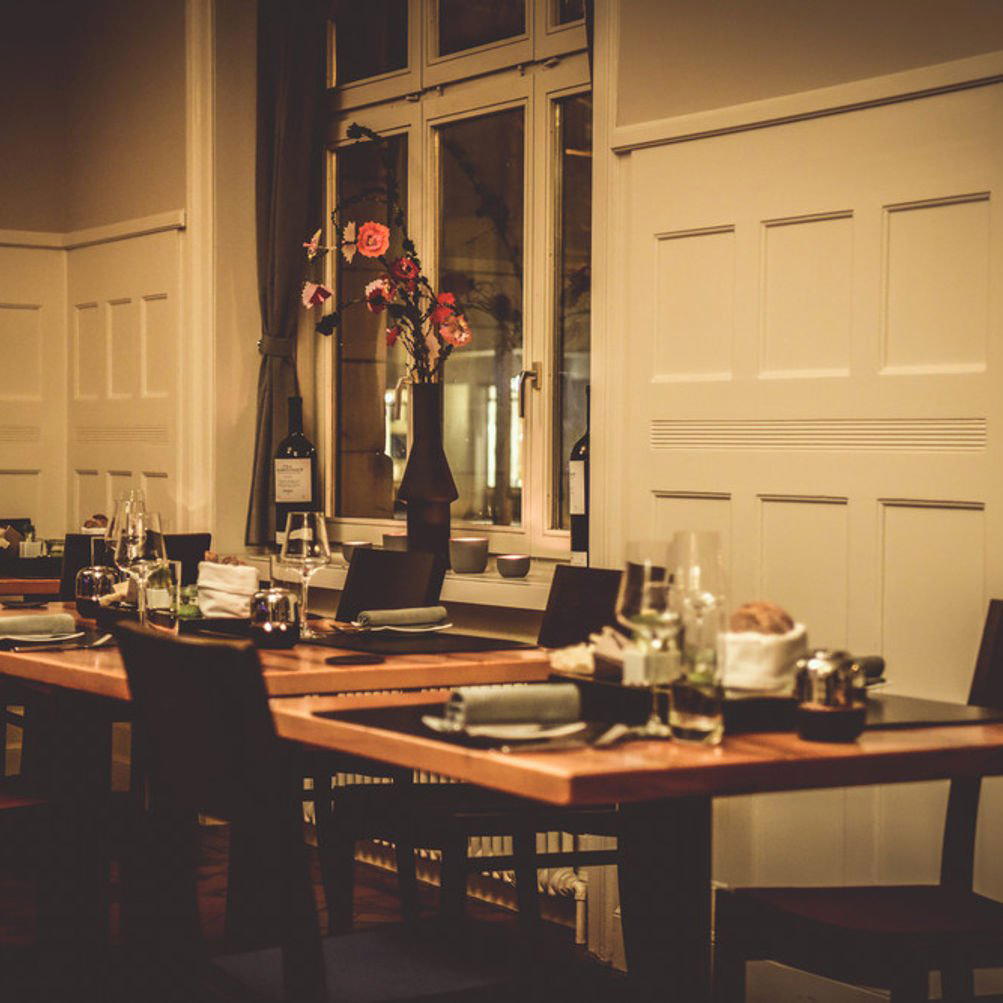
Bars in Zürich
Browse all →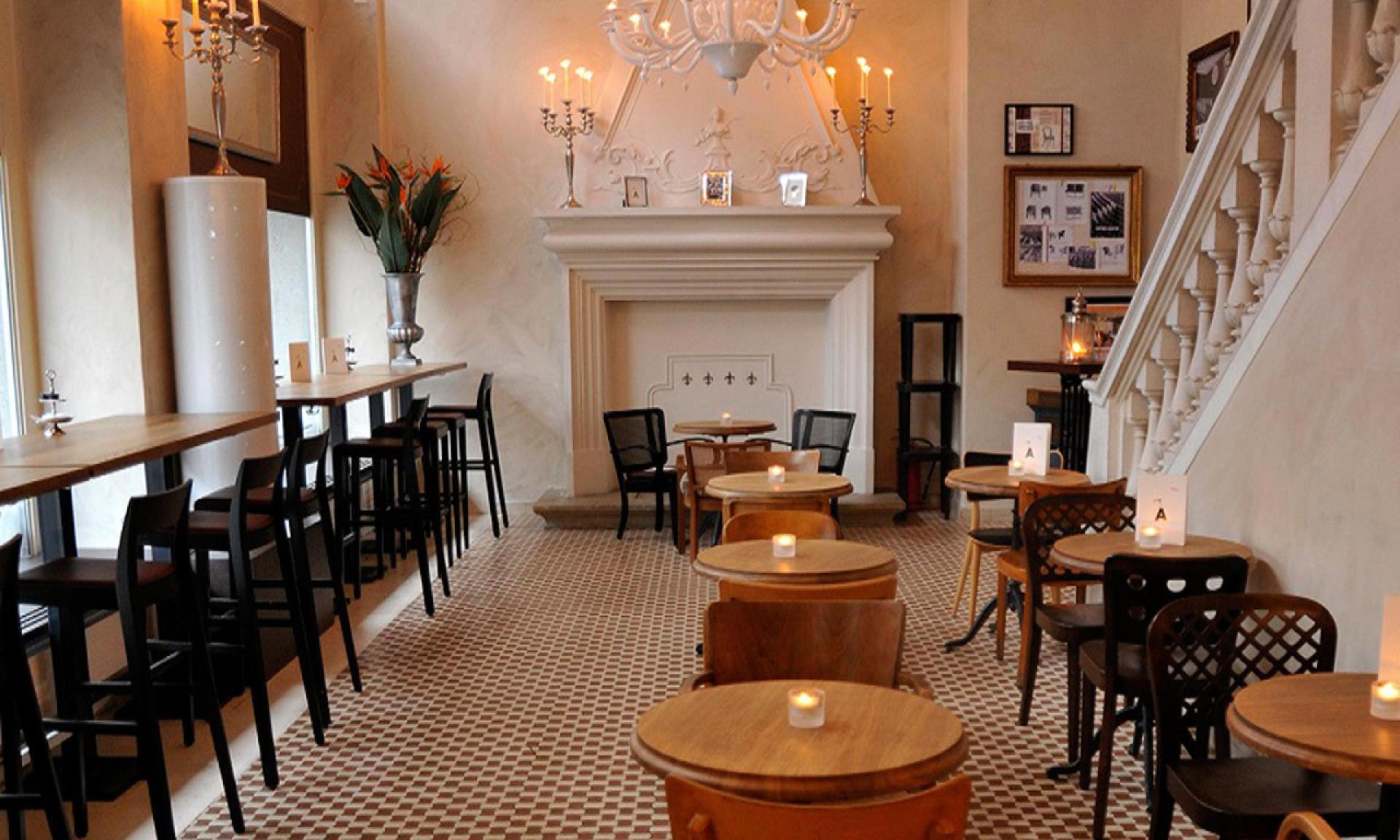
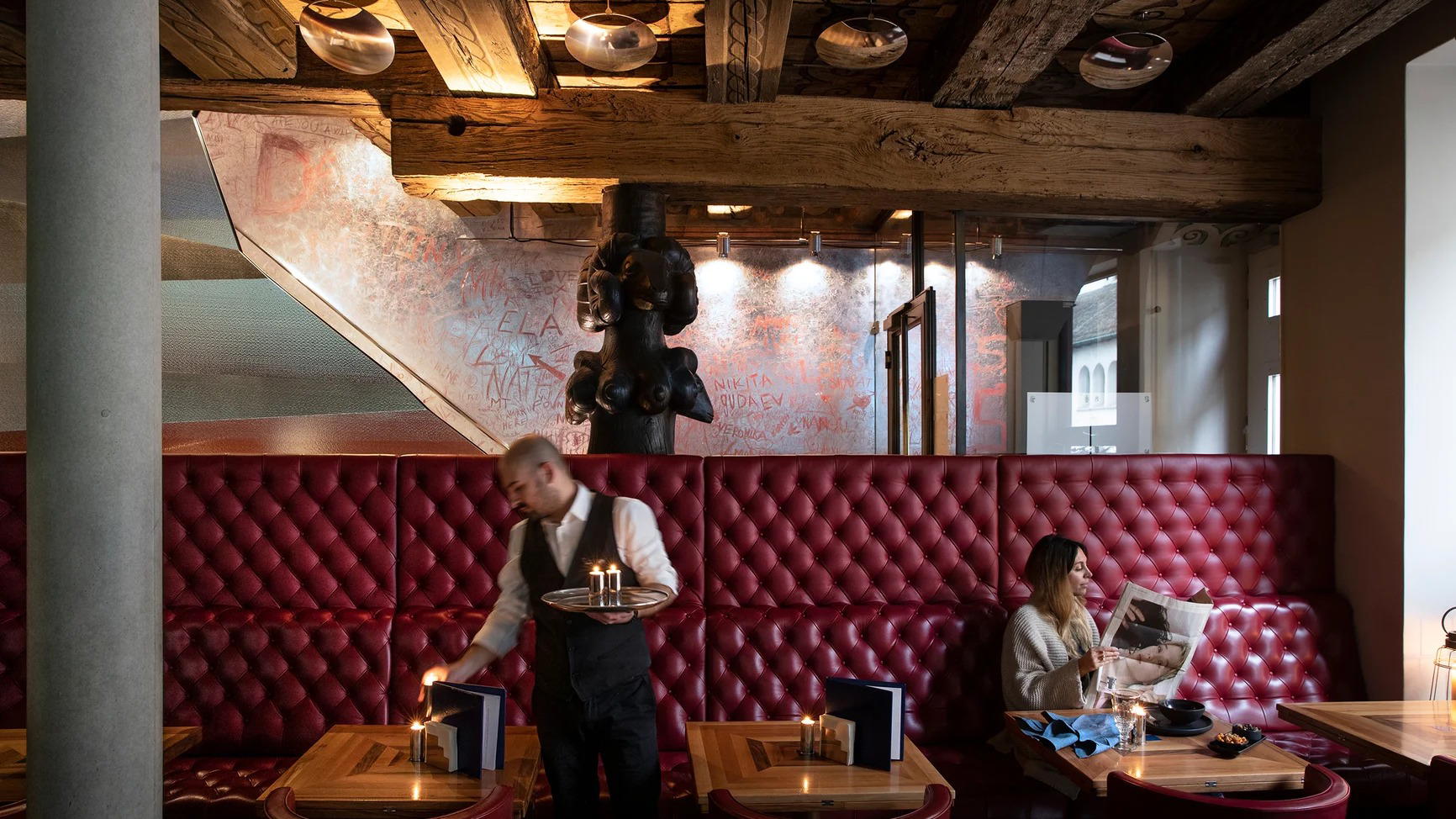
Hotels in Zürich
Browse all →

At a Glance
- Cozy
- Rustic
- Lively
- Intimate
- Date Night
- Business Dinner
- Group Dining
- Casual Hangout
- Open Kitchen
- Historic Building
- Extensive Wine List
Current opening hours
- Monday
- Closed
- Tuesday
- 11:30 AM–2 PM, 5:30–10 PM
- Wednesday
- 11:30 AM–2 PM, 5:30–10 PM
- Thursday
- 11:30 AM–2 PM, 5:30–10 PM
- Friday
- 11:30 AM–2 PM, 5:30–10 PM
- Saturday
- 11:30 AM–12 AM
- Sunday
- Closed
Hours can change for holidays and private events. Last verified .
Warm, inviting rustic charm with lively atmosphere, historical building ambiance, and aromas of authentic Ticino cuisine.