La Bonne Auberge sits in L'Union, a quiet residential commune on the northeastern edge of Toulouse, where the auberge tradition runs deeper than the city's brasserie circuit. The address places it squarely in the French southwest, a region whose larder, duck confit, foie gras, cassoulet ingredients, defines what the kitchen has to work with. For those tracing serious provincial cooking around Toulouse, this is a logical reference point.
Pearl is the En Primeur Club membership app — saves, bookings, and concierge access live there. Same editors, same standards.
- Address
- 2 Bis Rue de l'Autan Blanc, 31240 L'Union, France
- Phone
- +33561093226
- Website
- bonneauberge31.fr
- Directions
- Get directions
 Saves & bookings on Pearl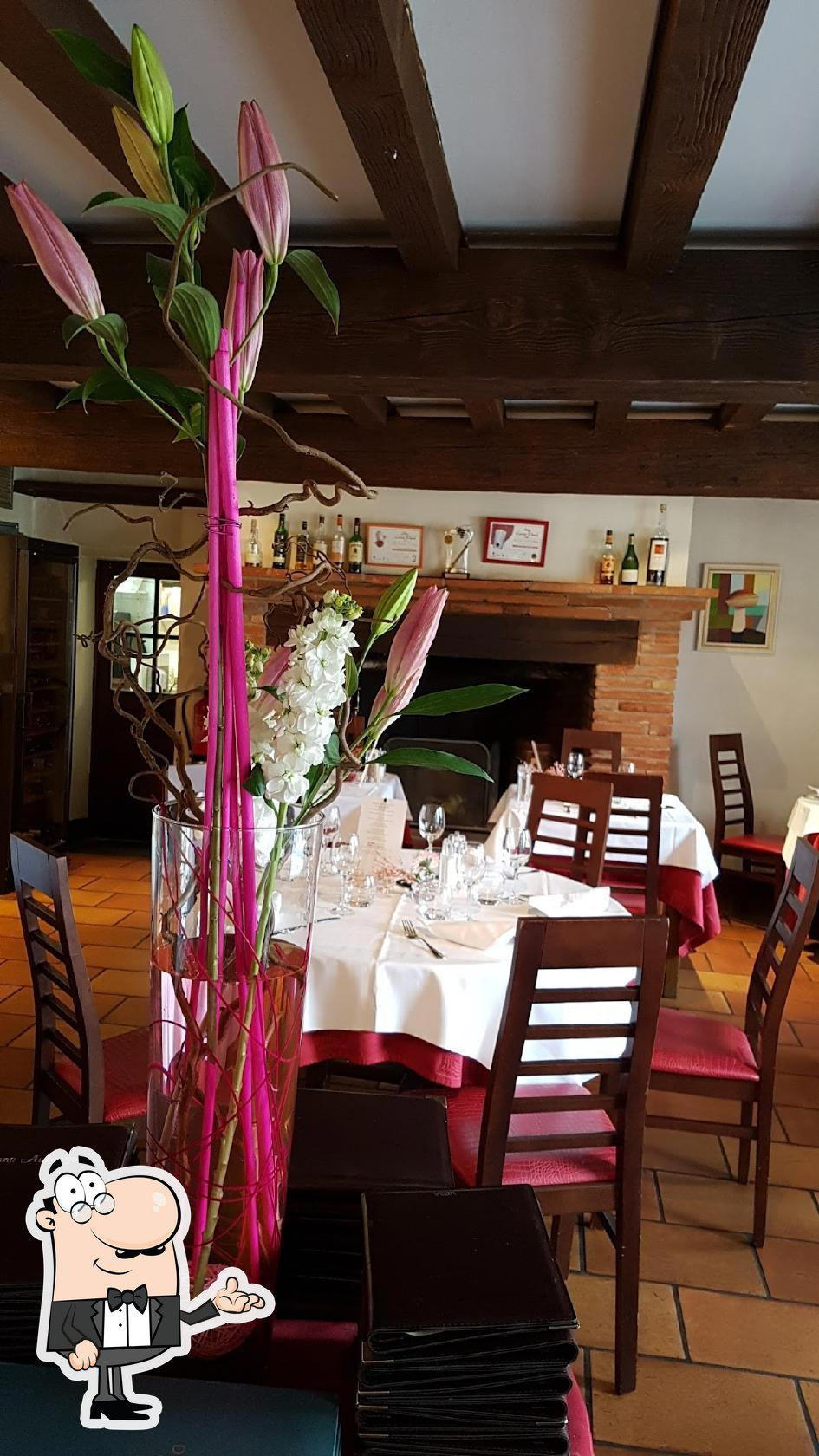
The Auberge Tradition and Where L’Union Sits Within It
France’s auberge format occupies a distinct tier in the country’s dining hierarchy. Unlike the urban brasserie or the destination gastronomique, the auberge historically anchored itself to place: to a village, a crossroads, a local larder. The leading examples of the form, from Auberge de l’Ill in Illhaeusern to Auberge du Vieux Puits in Fontjoncouse, built their identity around proximity to source: Alsatian rivers, Languedoc hillside gardens, the specific terroir of a single valley. La Bonne Auberge, addressed at 2 Bis Rue de l’Autan Blanc in L’Union, operates within that same inherited logic, even if the commune itself sits at the urban fringe rather than deep in open country.
L’Union is a northeastern suburb of Toulouse, close enough to the city to draw a regular clientele but sufficiently removed from the centre to maintain the quieter register that the auberge format demands. The Autan Blanc, the cool, moisture-bearing wind that takes its name from the southwest’s weather systems, appears in the street name itself, a reminder that this corner of the Haute-Garonne sits inside one of France’s most characterful culinary geographies.
What the Southwest Larder Means for a Kitchen Here
Ingredient sourcing in this region is not a marketing position; it is a structural condition. The Occitanie, which encompasses the Haute-Garonne and its neighbours, produces some of France’s most distinctive raw materials. Gascony duck raised on corn, black Périgord truffles from the north, white beans from Pamiers, Pyrenean lamb from high-altitude pastures, Toulouse sausage cured and spiced to a formula that predates any appellation system: these are the materials around which a serious kitchen in this postcode must orient itself.
The auberge format suits this larder well. Where destination restaurants in Paris, Alléno Paris au Pavillon Ledoyen among them, operate creative programs that transform and reimagine source ingredients through technique, the provincial auberge typically holds closer to the ingredient itself. Fat rendered from a properly raised duck, cassoulet built from a specific combination of local meats and Tarbais beans, confit prepared with the patience the technique requires: these are dishes whose quality depends almost entirely on what enters the kitchen door, not on what happens after.
That dynamic shapes expectations. A kitchen working within this tradition, in this geography, stands or falls on its relationships with producers: the farmer supplying the duck, the market gardener providing seasonal produce from the alluvial plains around the Garonne, the charcutier whose sausage defines the cassoulet’s backbone. Across the southwest, particularly respected tables, including Bras in Laguiole, which turned the Aubrac plateau’s seasonal vegetation into a creative proposition, have built their reputations on exactly this kind of sourcing discipline, even when their approaches diverge sharply in style.
Approaching the Address
Arriving at a residential address in L’Union reads differently from walking into a Toulouse city-centre restaurant. The commune’s streets are quieter, the traffic less insistent, the pace of the neighbourhood closer to the village idiom the auberge format implies. The street itself, Rue de l’Autan Blanc, sits within a settled residential grid, which means the approach is on foot or by car rather than on foot from a metro stop. Toulouse’s public transport network connects the city centre to L’Union, making the address reachable without a car, though the timing of return journeys from an evening meal is worth confirming before you go.
For context on how regional French kitchens at different scales handle the relationship between setting and sourcing, the contrast between a village-adjacent auberge and a destination table like Flocons de Sel in Megève or Mirazur in Menton is instructive: both of those addresses built their programs around hyper-local sourcing, but within different competitive and geographic frames.
Provincial French Dining in a Broader French Context
France’s provincial dining scene has never been as homogeneous as its Paris-centric reputation implies. Tables like Paul Bocuse – L’Auberge du Pont de Collonges in Collonges-au-Mont-d’Or and Georges Blanc in Vonnas established a model of destination provincial dining that attracted international audiences while remaining rooted in their regions. Separately, the auberge tier, less decorated, less publicised, but often equally serious about sourcing, has continued to serve local clienteles in the way the format originally intended.
The distinction matters for how you book and what you expect. Decorated provincial tables like Troisgros – Le Bois sans Feuilles in Ouches or Assiette Champenoise in Reims require weeks of advance planning and operate formal multi-course menus. A neighbourhood auberge operates on a different booking rhythm and a different relationship with its guests, closer to the French idea of a table régulière than a special-occasion destination.
For southwest France specifically, the culinary reference points are deeply particular. This is not the refined Atlantic seafood tradition that defines Christopher Coutanceau in La Rochelle or La Marine in Noirmoutier-en-l’île, nor the Mediterranean-inflected creativity of AM par Alexandre Mazzia in Marseille. The southwest’s kitchen logic is land-driven, fat-forward, and deeply seasonal in the way that agricultural cycles rather than fishing calendars dictate.
For reference on how the Alsatian auberge tradition handles the same proximity-to-source dynamic in a different regional context, Au Crocodile in Strasbourg and L’Oustau de Baumanière in Les Baux offer useful comparisons from opposite ends of France’s culinary geography. Further afield, Le Bernardin in New York City and Atomix in New York City show how French sourcing discipline translates into entirely different culinary traditions.
Planning Your Visit
La Bonne Auberge is in L’Union, reachable from central Toulouse by car or public transport. La Bonne Auberge is recommended for reservations and follows these hours: Mon: Closed; Tue: 12–1:45 PM; Wed: 12–1:45 PM; Thu: 12–1:45 PM, 7:30–9:30 PM; Fri: 12–1:45 PM, 7:30–9:30 PM; Sat: 12–1:45 PM, 7:30–9:30 PM; Sun: Closed. The price tier is moderate, about $25 per person. The address, 2 Bis Rue de l’Autan Blanc, 31240 L’Union, is precise enough to navigate to directly.
Comparison Snapshot
Comparable venues nearby, for context on price, style, and recognition.
| Venue | Cuisine | Price | Notes |
|---|---|---|---|
| La Bonne AubergeThis venue — the venue you are viewing | Traditional French Bistro | $$ | Not listed |
| L'Hémicycle | Seasonal French Bistro | $$ | Saint-Cyprien |
| La Cendrée | Traditional French with Southwest Specialties | $$ | Capitole / Arnaud Bernard / Carmes |
| Midday Midnight | French Wine Bar Bistro | $$ | Capitole / Arnaud Bernard / Carmes |
| Atelier de Candale | Seasonal French wine‑country restaurant in the vineyards | $$$ | Saint-Laurent-des-Combes / Saint-Émilion vineyards |
| Ma Biche sur Le Toit | Modern French Brasserie with Asian Influences | $$$ | Capitole / Arnaud Bernard / Carmes |
Continue exploring
More in L Union
Restaurants in L Union
Browse all →
At a Glance
- Classic
- Cozy
- Family
Current opening hours
- Monday
- Closed
- Tuesday
- 12–1:45 PM
- Wednesday
- 12–1:45 PM
- Thursday
- 12–1:45 PM, 7:30–9:30 PM
- Friday
- 12–1:45 PM, 7:30–9:30 PM
- Saturday
- 12–1:45 PM, 7:30–9:30 PM
- Sunday
- Closed
Hours can change for holidays and private events. Last verified .