.png)
La Barra de la Tasquería occupies the original Duque de Sesto premises where chef Javier Estévez first built his reputation for Spanish offal cookery. The format is deliberately informal — tapas, raciones, and a menu anchored in casquería tradition alongside crowd-pleasing classics. It sits in the Salamanca district, operating as a more accessible counterpart to the Michelin-recognised La Tasquería.
 Discover on Pearl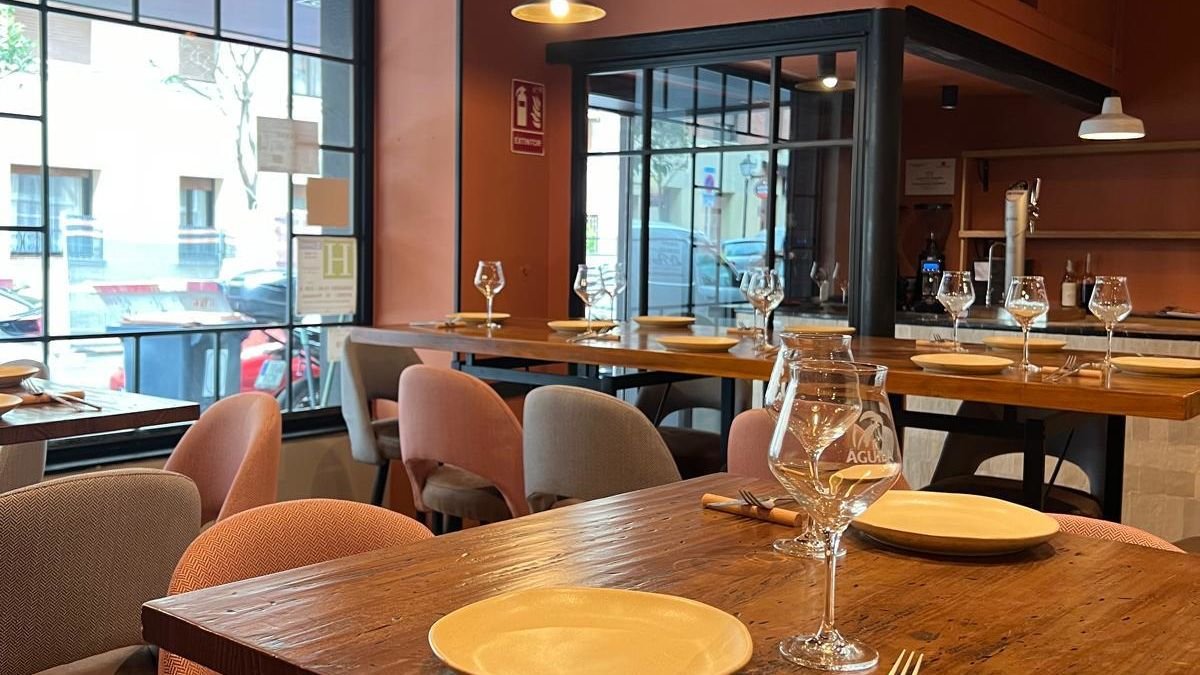
Casquería in the Salamanca Quarter
Madrid's relationship with offal is older than its fine-dining scene. Long before tasting menus arrived in the city, tripe, trotters, and snout were working-class staples sold in the casquerías that once lined neighbourhood markets. That culinary tradition has since split into two streams: the casual, price-conscious tapa bars that kept the canon alive, and the handful of modern kitchens that have repositioned offal as a subject for serious technique. La Barra de la Tasquería occupies a thoughtful middle ground between these two poles, in a part of the city — the Salamanca district — where the dining room tends toward the formal and the cheque toward the heavy.
The address itself carries history. C. del Duque de Sesto, 48 is where Javier Estévez first opened La Tasquería, the restaurant that earned sustained critical attention for reframing casquería inside a contemporary bistro format. When La Tasquería relocated to Calle Modesto Lafuente, the original space did not sit vacant or reinvent itself. It retained the same look, the same compact kitchen visible from the dining room, and largely the same cooking philosophy , but shifted toward a more informal register. That continuity of identity is deliberate and worth noting: the room carries accumulated credibility rather than a fresh launch-night energy.
The shortlist, unlocked.
Hard-to-book tables, cellar releases, and concierge-planned trips.
Get Exclusive Access →The Menu's Logic
Spanish bistro cooking of this type operates on a clear internal hierarchy. The kitchen offers tapas and raciones alongside full dishes, which means a table can eat as broadly or as narrowly as it chooses. The offal-centred plates form the menu's backbone: tripe, trotter, and snout sit at the core, prepared in the idiom that made La Tasquería a reference point in the city. These are not novelty items or shock tactics , they are the dishes that a serious Madrid kitchen has been refining across both addresses and multiple years of service.
Alongside the casquería, the menu includes what the kitchen calls popular dishes , gildas, croquettes, prawns with garlic, quail eggs, and cannelloni with a trio of meats. This breadth is characteristic of the Spanish barra format, where a kitchen signals its range by executing both the technically demanding and the comfortingly familiar at the same level. The croquette, in particular, functions as a benchmark dish across Madrid; the standard is high and the variation between good and mediocre is narrower than in most cities, which makes the format a reliable test of kitchen discipline. At La Barra, these crowd-facing plates share menu space with the offal programme without either category undermining the other.
Front-of-House and the Informal Register
The editorial angle that applies across both La Barra and its more decorated sibling in Modesto Lafuente is the question of how a kitchen communicates its identity through the format it chooses. At the Michelin level, the signal comes through prix-fixe structure, pacing, and service choreography. Here, the signal is the opposite: an informal menu, a small open kitchen, and a barra format that invites the kind of ordering you negotiate across the table rather than accept in sequence. Front-of-house in settings like this carries a different responsibility , guiding guests through a menu with strong opinionated dishes without the scaffolding of a set format. The casquería plates are polarising enough that the team's ability to read and brief a table makes a meaningful difference to how the meal lands.
Madrid's bar-counter dining tradition runs deep in the city's self-image, even as its headline restaurants , DiverXO, Coque, Deessa, DSTAgE, and Paco Roncero , have built international profiles around tasting menus and avant-garde ambition. La Barra operates at the other end of that spectrum, closer in spirit to the city's neighbourhood bars than to its trophied dining rooms. Within Salamanca specifically, that positioning is more unusual than it would be in Lavapiés or Malasaña; the district is associated with luxury retail and expense-account restaurants, which makes a casquería-anchored barra something worth seeking out rather than stumbling into.
Where It Sits in the Madrid Dining Picture
Spain's serious restaurant culture increasingly concentrates at either extreme: the destination fine-dining tier, represented nationally by addresses such as El Celler de Can Roca in Girona, Arzak in San Sebastián, Azurmendi in Larrabetzu, Martin Berasategui in Lasarte - Oria, Aponiente in El Puerto de Santa María, and Cocina Hermanos Torres in Barcelona, or internationally by references like Le Bernardin in New York City and Atomix in New York City; and a more democratic, ingredient-led middle tier where technique serves tradition rather than replacing it. La Barra sits in the second category, but it carries a pedigree that most of its price-tier peers do not. The connection to La Tasquería means the kitchen has been shaped by the same culinary thinking that produced a Michelin-recognised restaurant , the difference is format and formality, not ambition.
For visitors building a Madrid itinerary that moves between registers , a long lunch at one of the city's trophied addresses and an evening at somewhere that feels genuinely local , La Barra provides the latter without compromise. See our full Madrid restaurants guide, full Madrid hotels guide, full Madrid bars guide, full Madrid wineries guide, and full Madrid experiences guide for broader planning context.
Planning Your Visit
| Venue | Format | Price Tier | Booking Lead Time |
|---|---|---|---|
| La Barra de la Tasquería | Tapas / raciones, barra | Not published | Advisable for evenings |
| DiverXO | Tasting menu | €€€€ | Weeks to months ahead |
| Coque | Tasting menu | €€€€ | Several weeks ahead |
| Paco Roncero | Tasting menu | €€€€ | Several weeks ahead |
La Barra de la Tasquería is located at C. del Duque de Sesto, 48 in the Salamanca district of Madrid (postcode 28009). Salamanca is well-served by metro, with Goya and Lista as the closest stations on lines 2 and 4. The neighbourhood is walkable from the Retiro park area and from the Golden Mile retail corridor. Current hours and booking availability should be confirmed directly, as neither phone nor website details are listed in the EP Club database at time of publication.
Frequently Asked Questions
What do people recommend at La Barra de la Tasquería?
The offal plates are the kitchen's identity: tripe, trotter, and snout are the dishes that define the menu and connect it to the broader La Tasquería programme. For those less familiar with casquería, the gildas, croquettes, prawns with garlic, quail eggs, and cannelloni with a trio of meats offer well-executed versions of crowd-tested Spanish classics. The kitchen's credibility comes from the Javier Estévez lineage and the culinary thinking shared with La Tasquería; these popular dishes benefit from that same standard of execution.
Should I book La Barra de la Tasquería in advance?
Salamanca is a high-footfall district with a strong local dining culture, and La Barra carries the reputation of the Tasquería name. For evening visits, booking ahead reduces the risk of finding the room full, particularly on weekends. The format is more casual than a tasting-menu restaurant, and walk-ins may be possible at quieter times, but the address has enough recognition to fill covers on the back of its reputation. Confirm availability directly with the venue.
What do critics highlight about La Barra de la Tasquería?
Critical attention concentrates on two things: the offal programme, which positions the kitchen within a specific and historically grounded Spanish tradition, and the continuity with La Tasquería's approach. The original La Tasquería earned sustained recognition for treating casquería with the same seriousness typically reserved for premium cuts. La Barra inherits that culinary framework in a more informal setting, which critics note as a meaningful point of difference within the Salamanca dining scene.
How does La Barra de la Tasquería handle allergies?
A menu that features offal, multiple animal proteins, and classic preparations including croquettes and cannelloni involves a range of potential allergens. Neither a website nor a phone number is listed in the EP Club database for this venue, so allergy and dietary enquiries should be raised directly when booking or on arrival. Madrid restaurants are subject to Spanish and EU food labelling regulations, which require allergen information to be available on request.
What It’s Closest To
A quick snapshot of similar venues for side-by-side context.
| Venue | Cuisine | Awards | Notes |
|---|---|---|---|
| La Barra de la Tasquería | This is indeed the same premises where chef Javier Estévez first opened what was… | This venue | |
| DiverXO | Progressive - Asian, Creative | Michelin 3 Star | Progressive - Asian, Creative, €€€€ |
| Deessa | Modern Spanish, Creative | Michelin 2 Star | Modern Spanish, Creative, €€€€ |
| Smoked Room | Progressive Asador, Contemporary | Michelin 2 Star | Progressive Asador, Contemporary, €€€€ |
| Coque | Spanish, Creative | Michelin 2 Star | Spanish, Creative, €€€€ |
| Paco Roncero | Creative | Michelin 2 Star | Creative, €€€€ |
Need a table?
Our members enjoy priority alerts and concierge-led booking support for the world's most difficult tables.
Get Exclusive AccessThe shortlist, unlocked.
Hard-to-book tables, cellar releases, and concierge-planned trips.
Get Exclusive Access →