Our verdict
On a quiet street in Málaga's historic centro, La Alacena de Francis occupies a corner of the city's traditional larder culture — the word alacena means pantry, and the name signals an intent rooted in local produce and Malagueño culinary habit. Sitting within walking distance of the cathedral quarter, it positions itself in the mid-to-upper tier of the city's neighbourhood dining scene, away from the tourist-facing tapas strips of Calle Larios.

Pearl is the En Primeur Club membership app — saves, bookings, and concierge access live there. Same editors, same standards.
- Address
- C. Montalbán, 1, Distrito Centro, 29002 Málaga, Spain
- Phone
- +34615062534
- Hours
- Mon 8–11 PMTue 1:30–4 PM, 8–11 PMWed ClosedThu–Sat 1:30–4 PM, 8–11 PMSun Closed
- Website
- laalacenadefrancis.com
- Directions
- Get directions
The menu
What to order
- Gazpachuelo
- Porra Antequerana
- Bacalao en salazón
- Pelmeni
Málaga's Dining Identity and Where La Alacena de Francis Sits Within It
Málaga has spent the better part of two decades repositioning itself from a transit city into a serious dining destination. The shift tracks a broader Andalusian pattern: coastal abundance, a deep tradition of market-driven cooking, and a younger generation of restaurateurs drawing on those roots while absorbing influences from the north — from the Basque Country's technique-led culture, from Madrid's willingness to experiment. The result is a city with a more layered restaurant scene than its beach-holiday reputation suggests, running from traditional marisquerías and tapa bars through to contemporary Andalusian kitchens with serious culinary ambition, such as Kaleja and Aire.
La Alacena de Francis sits on Calle Montalbán, in the Distrito Centro — a quieter residential and commercial pocket that sits apart from the pedestrianised tourist corridors. The name itself is a cultural signal: an alacena is a pantry, a larder built into the wall of a traditional Andalusian home. It carries connotations of domestic abundance, of preserved goods and seasonal produce arranged with care. Restaurants that invoke this vocabulary tend to position themselves within a philosophy of provenance and simplicity rather than technical spectacle.
The Cultural Weight of Andalusian Larder Cooking
To understand what a name like La Alacena de Francis implies about its cooking, it helps to understand what Malagueño cuisine actually is. It is not, as casual visitors sometimes assume, simply a subset of generic Spanish tapas. It has its own grammar: the pescaíto frito tradition of battered and fried small fish, drawing on the coastal abundance of the Mediterranean and the Atlantic at the straits; the ajoblanco, a white gazpacho made with almonds and garlic that predates the tomato-based version by centuries; the use of Málaga's sweet wines, made from Muscatel and Pedro Ximénez grapes grown on the hillside vineyards above the city, as both an ingredient and a pairing. This is a cuisine shaped by Moorish agricultural influence, by the city's trading port history, and by the particular microclimate of a coast that faces Africa across a narrow stretch of water.
Restaurants in this tradition, and the city has several serious practitioners, including Arte de Cozina, which has long focused on the revival of historical Malagueño recipes, treat the larder not as a starting point for reinvention but as the destination itself. The quality of the olive oil, the provenance of the anchovies, the selection of local cheeses: these become the editorial choices that define a kitchen's identity. Among Málaga's broader restaurant ecosystem, venues can be found at Alaparte and the more fusion-oriented Blossom for those seeking contrast.
Neighbourhood Context and the Visitor's Approach
Calle Montalbán runs through the Distrito Centro at a remove from the main tourist axes. The area around it includes the working-city textures of Málaga, small shops, neighbourhood bars, residents rather than hotel guests. For visitors, this geographic placement is itself meaningful: the city's most tourist-facing restaurants cluster around the port, the cathedral, and the Alcazaba, where foot traffic sustains menus designed for single visits. Restaurants further into the residential fabric of the centro tend to carry a different proposition, one shaped more by repeat local custom than by transient trade.
Visitors approaching La Alacena de Francis from the cathedral area, a walk of several minutes through the historic centro, will find it in this neighbourhood register. The address, C. Montalbán, 1, places it at the start of the street, accessible on foot from the main sights without requiring a taxi or the city's metro system. Málaga's centro is compact enough that the major cultural institutions, including the Picasso Museum and the Centre Pompidou annex on the waterfront, are all within a short walk of the dining quarter.
Málaga in the Spanish Fine Dining Conversation
Nationally, Andalusia occupies a distinctive position in Spain's culinary hierarchy. The most decorated restaurants cluster in the Basque Country and Catalonia: Arzak and Mugaritz in Errenteria anchor the Basque end, while El Celler de Can Roca in Girona and Cocina Hermanos Torres in Barcelona represent Catalonia's depth. Madrid contributes its own tier, with DiverXO operating at the country's most experimental register. Further south, Aponiente in El Puerto de Santa María and Quique Dacosta in Dénia represent Andalusia and the Valencian coast respectively at the highest award levels.
Málaga itself has fewer Michelin-level entries than San Sebastián or Girona, but its dining scene has been growing in critical attention through the 2010s and into the 2020s. The city's position, a major airport hub serving both international and domestic travellers, with a growing year-round cultural offer beyond summer beach tourism, has supported a broader restaurant market. Restaurants like Martin Berasategui in the north illustrate how a regional identity can anchor restaurants of national significance; Málaga is pursuing a comparable trajectory at a different pace and scale. For international reference, the model of how regional cuisine can achieve global recognition is well illustrated by venues such as Le Bernardin in New York City and Atomix, where strong cultural and culinary identity forms the foundation of critical standing. Ricard Camarena in València and Azurmendi in Larrabetzu both demonstrate how sustainability and regional sourcing have become credibility signals across Spain's better kitchens.
Planning a Visit
La Alacena de Francis is located at C. Montalbán, 1, in Málaga's Distrito Centro, accessible on foot from the historic city centre. As with many neighbourhood restaurants in this part of Málaga, visiting at lunch aligns with local eating patterns and may offer a more relaxed experience than evening service, which tends to run late by northern European standards, dinner rarely begins before 9pm in this city. Given the limited publicly available information on booking channels and current hours, contacting the restaurant directly or checking current listings closer to your visit date is the most reliable approach. For broader context on where this restaurant sits within Málaga's dining options, the EP Club full Málaga restaurants guide maps the city's scene across cuisine types and price points.
Frequently asked questions
Where exactly is La Alacena de Francis?
La Alacena de Francis is located at C. Montalbán, 1, Distrito Centro, 29002 Málaga, Spain, Málaga.
Where exactly is La Alacena de Francis in Málaga, and how easy is it to reach?
La Alacena de Francis is at C. Montalbán, 1, in Málaga's Distrito Centro — a central address reachable on foot from the historic core, including the Cathedral quarter and Calle Larios. The Distrito Centro location keeps it within the walkable grid of the city without being directly on the main pedestrian axes where tourist footfall is heaviest. No parking note is confirmed, but central Málaga is compact enough that the address suits visitors already staying in or near the centro.
What's the must-try dish at La Alacena de Francis?
The venue's identity as an alacena — the Spanish word for a domestic pantry or larder — points toward cooking rooted in preserved, seasonal, and regional Andalusian produce. That framing tends to favour dishes built around cured fish, local vegetables, and slow-prepared staples rather than elaborate composed plates.
Should I book La Alacena de Francis in advance?
La Alacena de Francis sits on Calle Montalbán in Málaga's Distrito Centro, away from the high-volume tourist corridors, which typically means its regular clientele is local and loyal. Neighbourhood restaurants with that profile in Málaga's centro fill quickly on weekends and during peak season months. Booking ahead is a reasonable precaution; walk-in availability on weekday lunchtimes is more likely.
What's the signature at La Alacena de Francis?
The restaurant's name carries the clearest signal: alacena refers to a larder or pantry, anchoring the cooking in a domestic, produce-led Andalusian register rather than a contemporary tasting-menu format. That positions La Alacena de Francis within a specific strand of Malagueño cooking that foregrounds preserved and seasonal ingredients over technical showmanship. A single signature dish can change without current menu documentation. Check the venue's official channels for the latest details.
Is La Alacena de Francis good for vegetarians?
No dietary breakdown for La Alacena de Francis is on public record. Andalusian cuisine broadly includes a meaningful vegetable tradition — dishes such as gazpacho, espinacas con garbanzos, and pisto are staples across the region — so options are plausible, but confirmation directly with the restaurant is advisable before visiting.
Is a meal at La Alacena de Francis worth the investment?
Within Málaga's Distrito Centro, neighbourhood restaurants operating in the larder-cooking register typically sit at a mid-range price point, below the city's few fine-dining addresses but above casual tapas bars. The address on Calle Montalbán places it in a working-city stretch of the centre where value tends to run higher relative to the tourist-facing zones near the Alameda.
Price Lens
Comparable venues nearby, for context on price, style, and recognition.
| Venue | Cuisine | Price | Awards | Notes |
|---|---|---|---|---|
| La Alacena de FrancisThis venue — the venue you are viewing | Spanish & Russian Fusion | $30–50 | Not listed | Not listed |
| Restaurante Haruki | Japanese Sushi | $20–30 | Macarfi 6.7 Food Rating | Cañada De Los Ingleses, Japanese Sushi |
| Rocío Tapas y Sushi | Japanese-Spanish Tapas and Sushi Fusion | $20–30 | Forbes 10 Coolest Restaurants | Guadaljaire, Japanese-Spanish Tapas and Sushi Fusion |
| Marisqueria Godoy | Classic Spanish Marisquería | $50–100 | Macarfi 7.5 Food Rating | Puerto, Classic Spanish Marisquería |
| Ta-Kumi Málaga | Not listed | Not listed | Not listed | Málaga, Japanese sushi & teppanyaki with Mediterranean produce |
| La Terraza de San Telmo | Mediterranean Tapas | $20–30 | Not listed | Centro Historico, Mediterranean Tapas |
Continue exploring
More in Málaga
Restaurants in Málaga
Browse all →
Bars in Málaga
Browse all →
Hotels in Málaga
Browse all →

Details
- Intimate
- Cozy
- Elegant
- Date Night
- Special Occasion
- Standalone
- Local Sourcing
- A La Carte
- Spanish Wine
- Andalusian Wine
- Vegetarian Friendly
- Vegan Options
- Gluten Free Options
Current opening hours
- Monday
- 8–11 PM
- Tuesday
- 1:30–4 PM, 8–11 PM
- Wednesday
- Closed
- Thursday
- 1:30–4 PM, 8–11 PM
- Friday
- 1:30–4 PM, 8–11 PM
- Saturday
- 1:30–4 PM, 8–11 PM
- Sunday
- Closed
Hours can change for holidays and private events. Last verified .
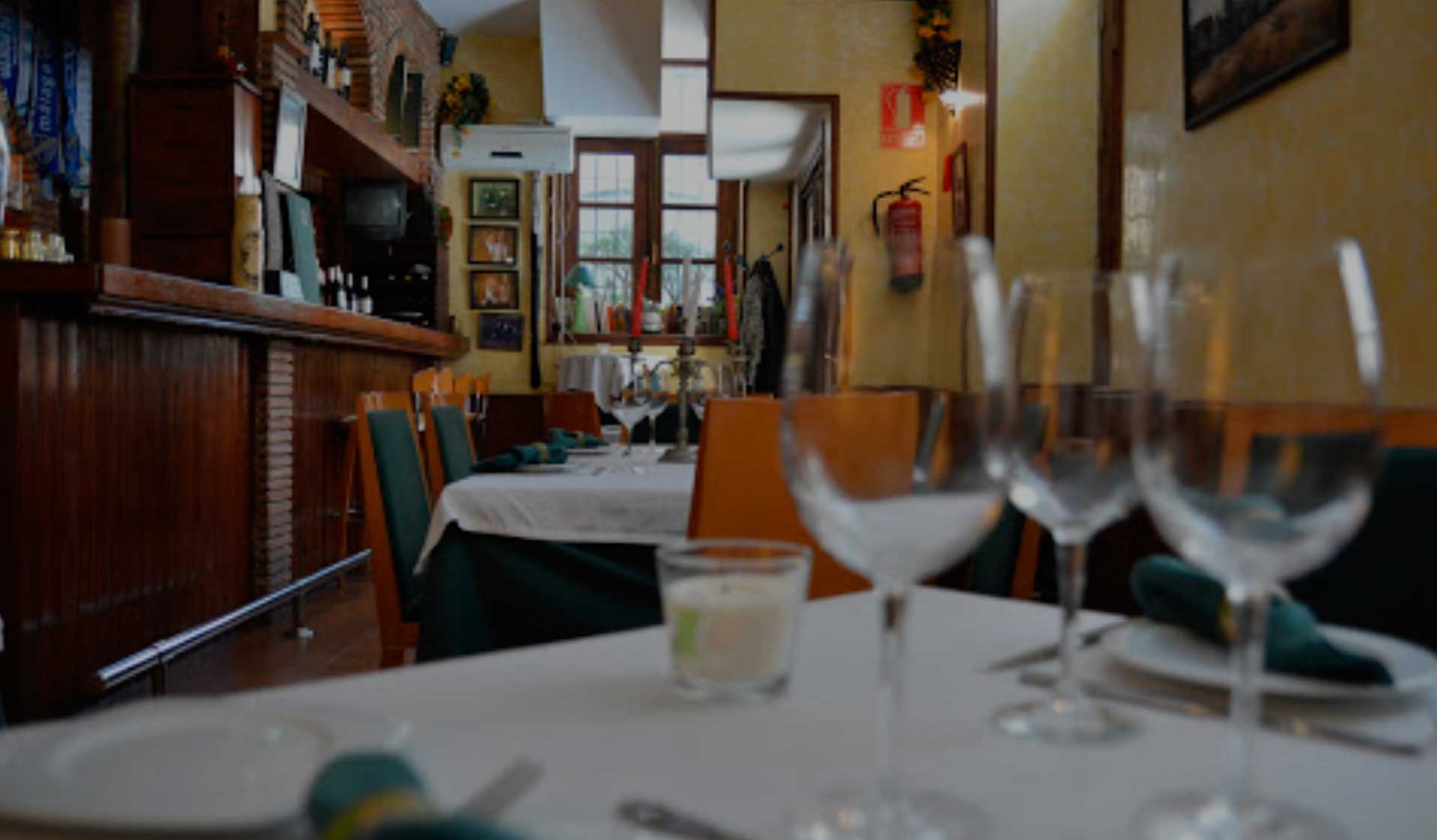
Elegant and welcoming dining room with warm, personalized atmosphere in a historic fishing district location.