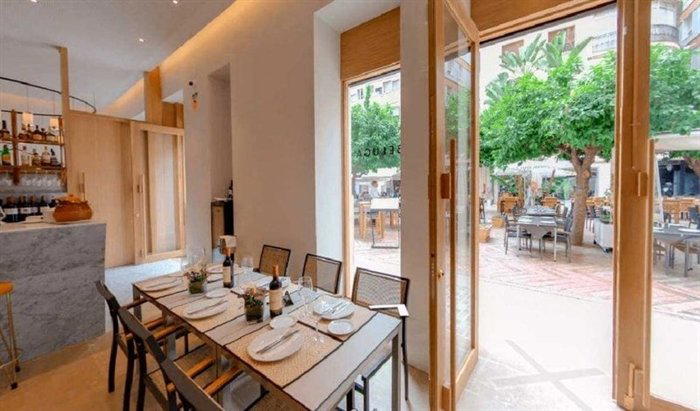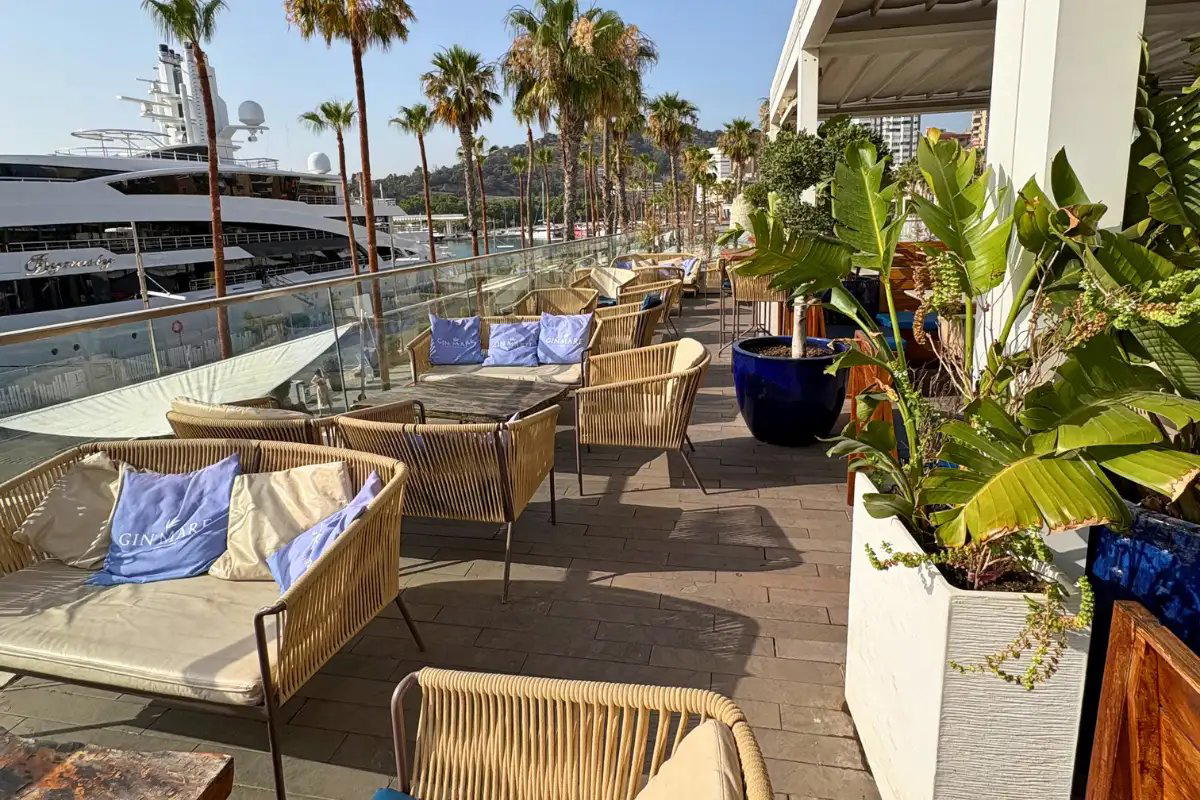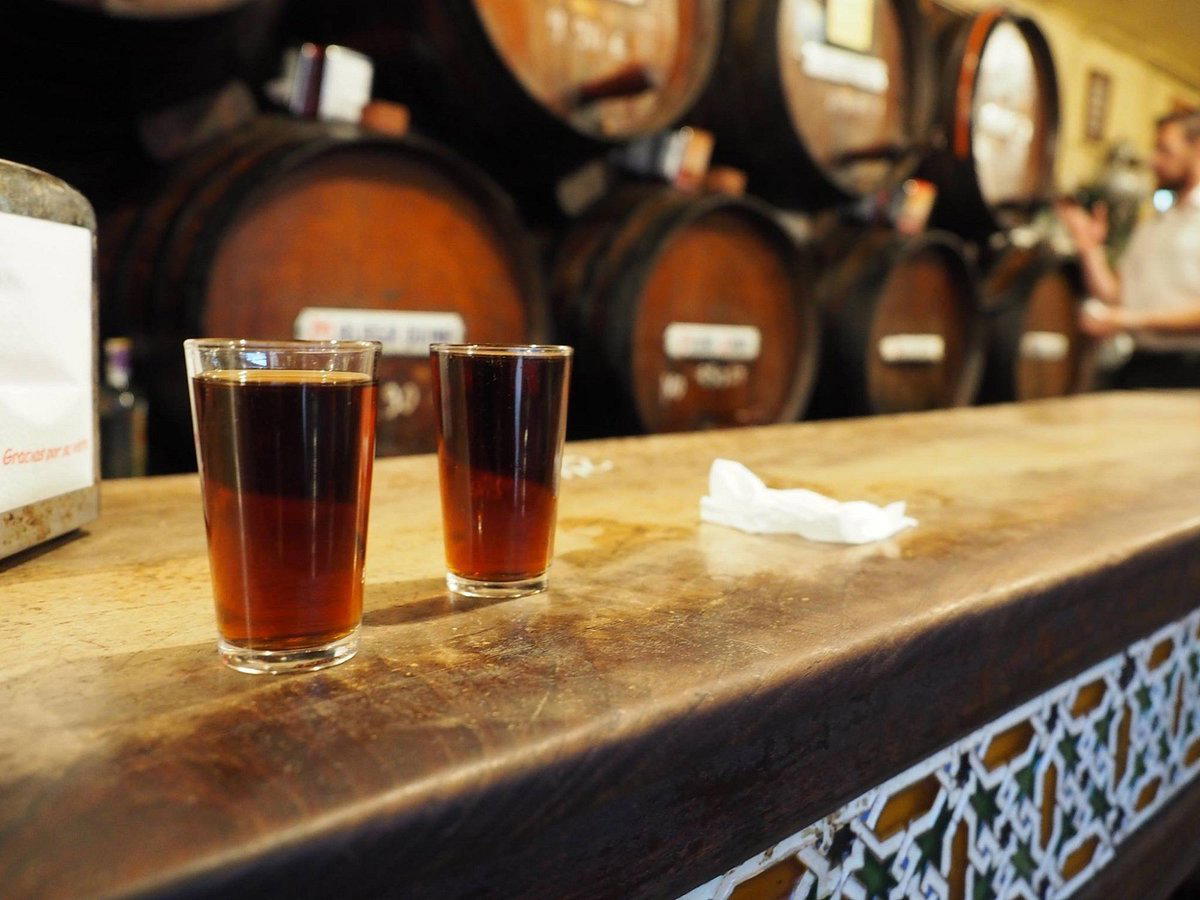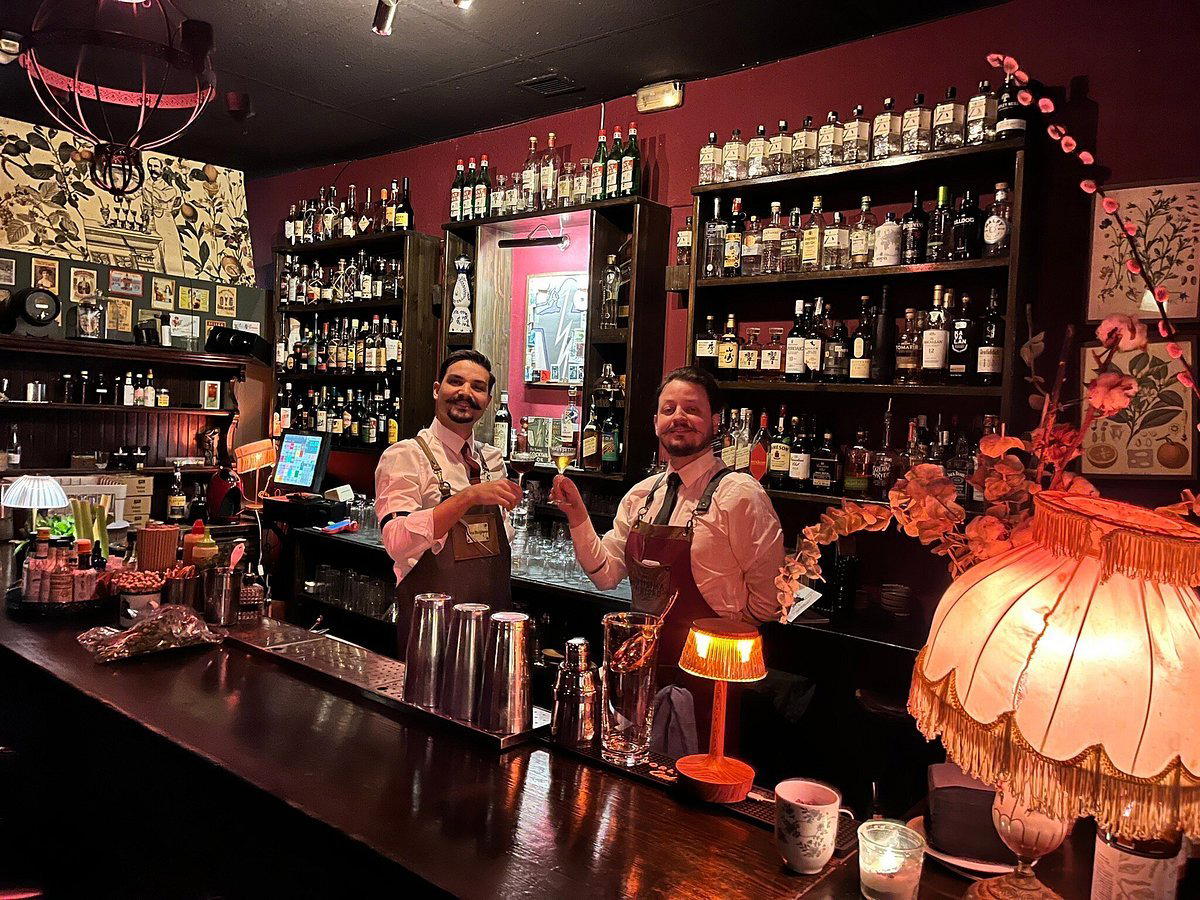
Forbes 10 Coolest Restaurants
Our verdict
On the western edge of Málaga along the Carretera de Cádiz corridor, Rocío Tapas y Sushi brings together Japanese precision and Andalusian instinct in a format that reflects a broader shift in how southern Spanish cities are rethinking their dining identity. The menu moves between sushi and tapas, treating both traditions as genuine reference points rather than novelty. It sits in a mid-tier price bracket that keeps the format accessible without sacrificing technique.

Pearl is the En Primeur Club membership app — saves, bookings, and concierge access live there. Same editors, same standards.
The menu
What to order
- Nazareth_roll
- Spicy_tartare
- Croquetacos
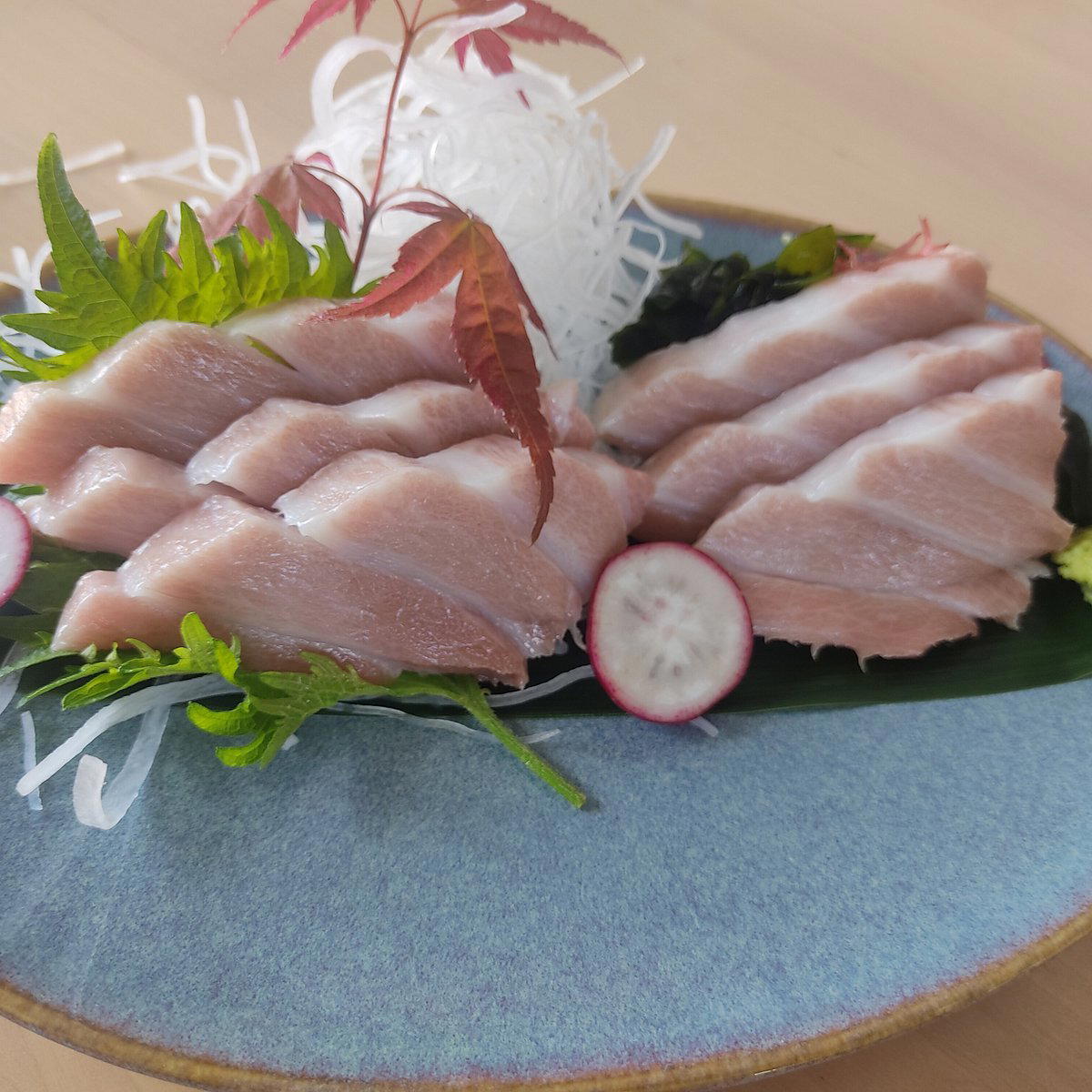
- Maguro
Where the Pacific Meets the Mediterranean Coast
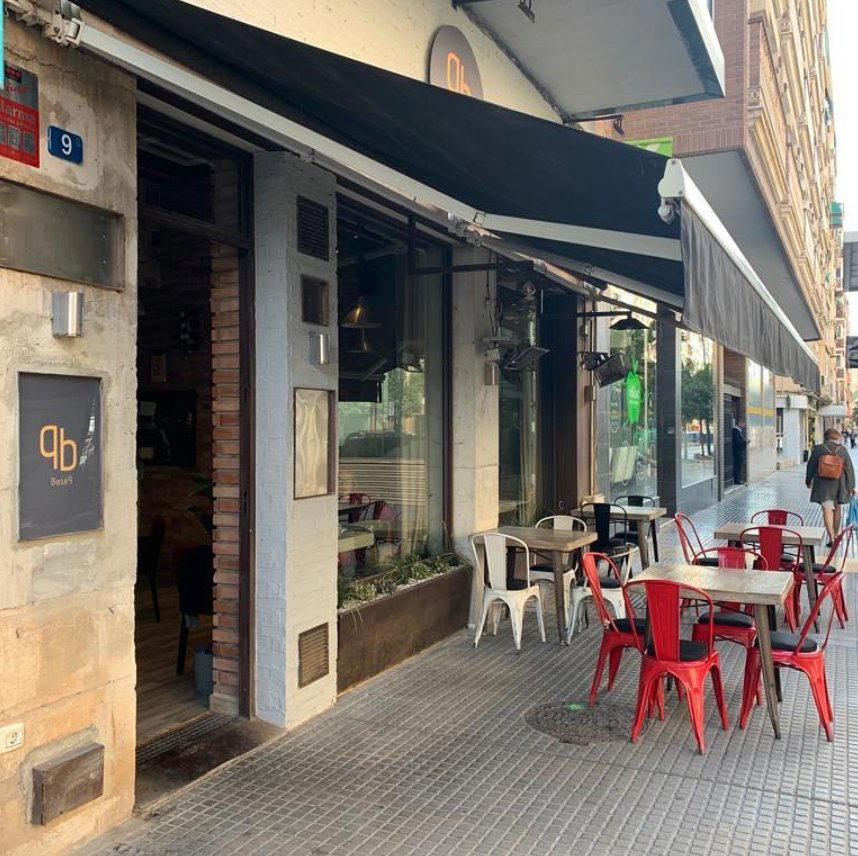
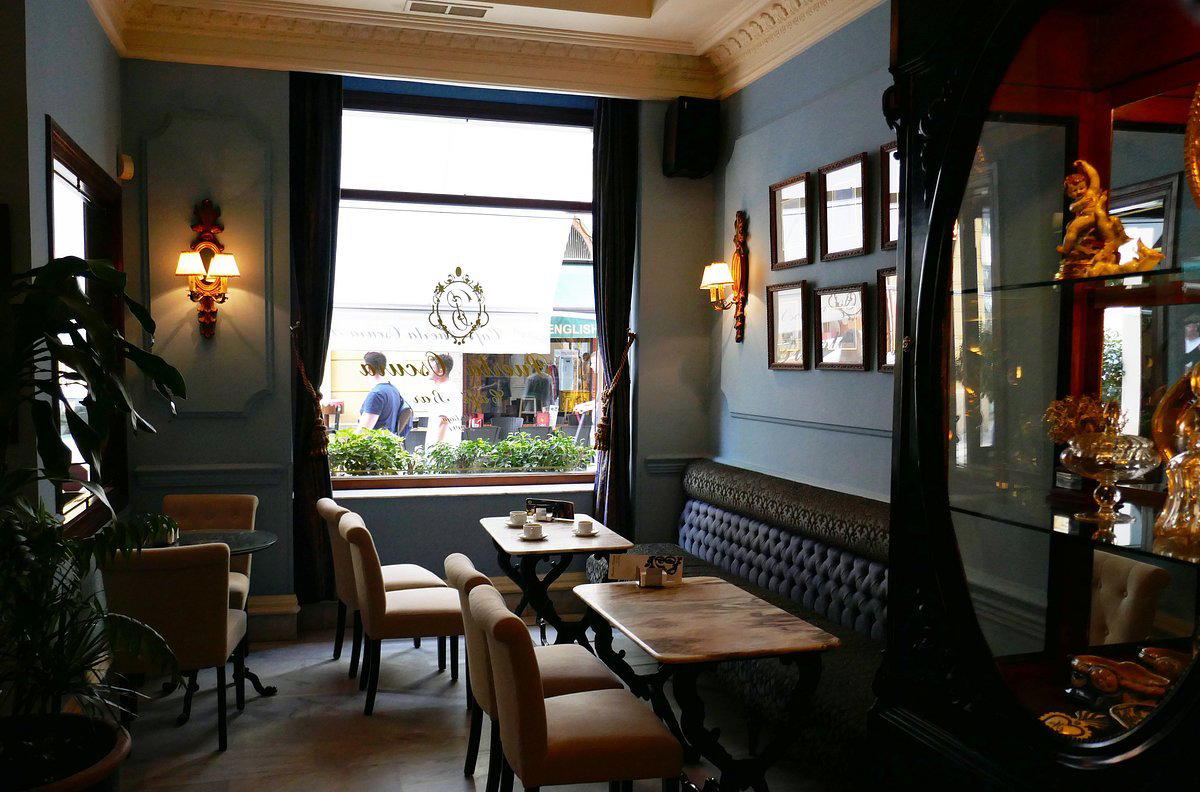
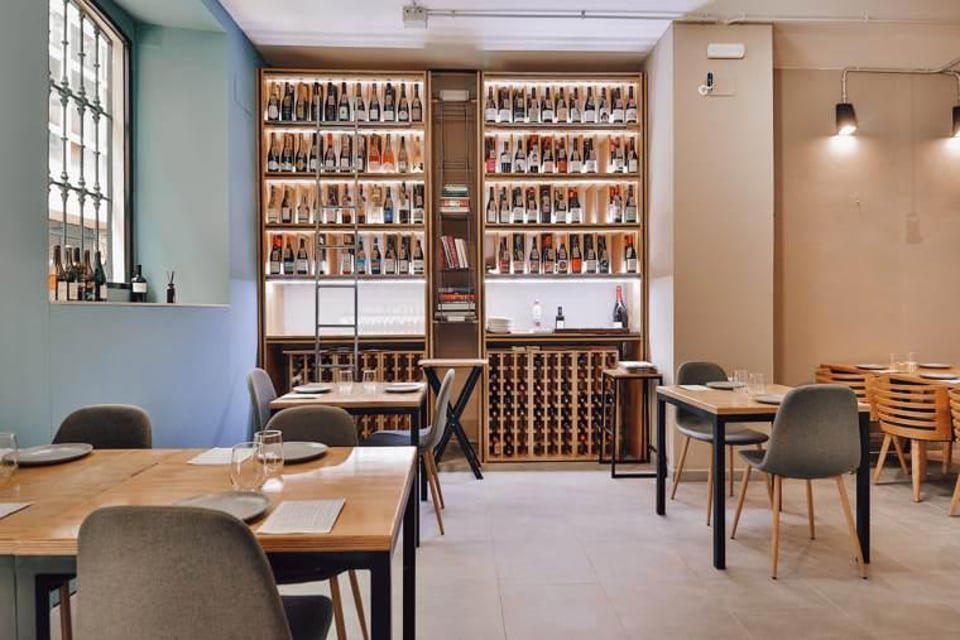
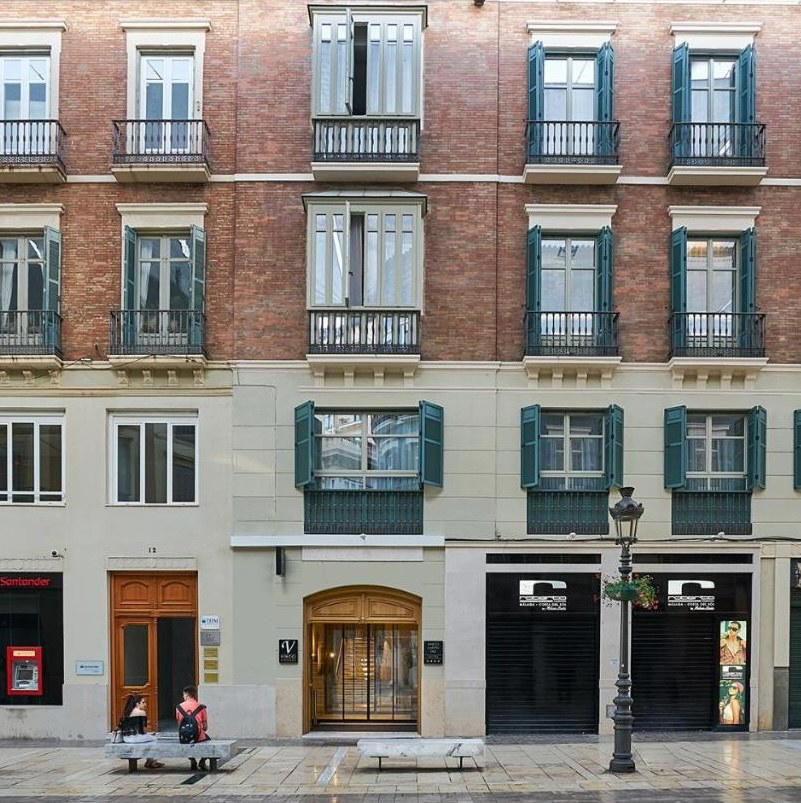
The stretch of Avenida de Isaac Peral running through the Carretera de Cádiz district sits west of Málaga's historic core, away from the tapas density of El Palo and the fine-dining cluster around the port. This is a residential and commercial corridor where restaurants tend to serve neighbourhood regulars rather than tourist circuits — which changes the register of a meal considerably. The ambient sound here is city rather than seafront: street traffic, the hum of a working district, the ordinary rhythms of Malagueño life. Rocío Tapas y Sushi occupies this context, and that positioning matters when reading what the kitchen is doing.
Spain's fusion moment did not begin with this restaurant, and it will not end with it. The broader arc started in the Basque Country in the 1990s and ran through the laboratories of Arzak in San Sebastián and the conceptual theatrics of DiverXO in Madrid — kitchens that absorbed Japanese technique as a tool for expanding what Spanish cooking could do, rather than as a category unto itself. What has followed, across two decades and several hundred restaurants, is a democratisation of that impulse: Japanese-Mediterranean crossover now functions as a genuine culinary vernacular in southern Spain, not a high-concept experiment.
The Logic of the Format
The pairing of sushi and tapas is less arbitrary than it may appear to a reader encountering it for the first time. Both formats share a structural premise: small portions, ingredient-forward composition, the expectation that a full meal is built from accumulation rather than a single plate. The tapa, in its classical Andalusian sense, is a discipline of restraint, a few ingredients made meaningful through quality and proportion. Sushi, particularly nigiri, operates on the same principle. What differs is the flavour grammar: vinegared rice and fresh fish against warm bread and cured charcuterie, umami-driven soy reduction against the salinity of a good manzanilla-braised clam.
Restaurants working in this space sit in a distinct competitive tier from both pure-Japanese counters and traditional Andalusian tapas bars. For comparison points at the premium end of creative Spanish cooking, look at Kaleja in Málaga, which pursues contemporary Andalusian cooking with a very different vocabulary, or El Celler de Can Roca in Girona, where cross-cultural technique operates at a multi-starred scale. The Japanese-Mediterranean fusion format at a neighbourhood level occupies a more accessible bracket, closer to Blossom, Málaga's Chinese-fusion address, in its structural ambition, though the culinary references differ.
Reading the Sensory Register
The appeal of a kitchen working across these two traditions is largely perceptual. The palette shifts between the cool, clean presentation conventions of Japanese service, pale ceramics, precise plating geometry, the faint smell of nori and cold fish, and the warmer, more informal sensory territory of Andalusian sharing plates: the sharp citrus lift of a gazpacho-adjacent sauce, the fatty richness of Ibérico-inflected garnishes, the visual looseness of a dish meant to be eaten quickly rather than studied. A meal that moves between both registers creates a specific kind of attention in the diner, requiring more active calibration than a single-tradition menu would.
This is the characteristic work of creative fusion at its better end: not the mechanical layering of two distinct cuisines, but a genuine negotiation of idioms where the result reads as something with its own coherence. For reference points where this negotiation has been pursued at the highest technical level, Atomix in New York City remains one of the most instructive examples, Korean fine dining filtered through French and American technique, while Aponiente in El Puerto de Santa María shows how deeply a Spanish kitchen can push marine-forward creativity without leaving its own culinary geography.
Málaga's Broader Dining Direction
Málaga has spent the last decade rebuilding its restaurant identity from a city associated primarily with fried fish and tourist throughput into something considerably more layered. The arrival of creative Andalusian addresses like Aire and Arte de Cozina, alongside destination-format venues, signals a city developing genuine critical mass in its dining culture. That process creates the conditions in which a neighbourhood fusion restaurant can find a serious audience, not because the audience is looking for novelty, but because the broader scene has trained them to expect technique and intention at price points well below formal tasting-menu territory.
The Carretera de Cádiz location places Rocío outside the most tourist-dense zones, which historically disadvantages visibility but advantages repeat custom. Neighbourhood regulars returning for a format they trust represent a different commercial logic from tourists sampling from a short list. For visitors making the effort to reach this corridor, the practical implication is that timing matters: midweek evenings tend to reflect the local rhythm more reliably than weekend peaks when restaurant districts across southern Spain shift in character and pace. A venue like Alaparte operates in a comparable out-of-centre register, and the same general advice about timing applies.
Those planning a longer stay in the city should consult our full Málaga restaurants guide for a complete picture of the current scene, as well as our Málaga hotels guide, bars guide, wineries guide, and experiences guide for broader orientation. For those cross-referencing the Andalusian creative scene against national benchmarks, Quique Dacosta in Dénia and Azurmendi in Larrabetzu offer the clearest indication of where technically ambitious Spanish cooking currently sits at the top of the register. At the opposite end of the ambition-to-accessibility axis, Le Bernardin in New York City remains the reference point for how marine ingredients can be handled with absolute technical seriousness, a useful frame for understanding what any fish-forward kitchen is choosing to prioritise or leave aside.
Planning a Visit
Frequently asked questions
Is Rocío Tapas y Sushi award-winning?
Rocío Tapas y Sushi has received recognition including: An innovative restaurant in Málaga that fuses the best of Japanese cuisine with a creative touch of Mediterranean cuisine, specializing in sushi and tapas.
What's Rocío Tapas y Sushi's location?
Rocío Tapas y Sushi is located at Av. de Isaac Peral, 27, Carretera de Cádiz, 29004 Málaga, Spain, Málaga.
What's the signature dish at Rocío Tapas y Sushi?
Given the kitchen's documented focus on fusing Japanese sushi with creative Mediterranean cooking, expect the signature moves to sit at exactly that intersection — pieces or small plates where both traditions are visibly at work, not one dressed up as the other.
What's the best way to book Rocío Tapas y Sushi?
No phone number or website is currently listed for Rocío Tapas y Sushi. The restaurant sits on Avenida de Isaac Peral, 27 in the Carretera de Cádiz district of Málaga, making an in-person enquiry or a search for current booking channels the most reliable route.
What is Rocío Tapas y Sushi known for?
Rocío Tapas y Sushi is known for its fusion approach: applying Japanese sushi technique to Mediterranean tapas formats in a city that has moved well beyond its fried-fish reputation. The kitchen draws on both traditions structurally, not just as surface-level decoration, producing a menu where the two cuisines share equal weight.
Comparable Spots
A compact comparison to help you place this venue among nearby peers.
| Venue | Cuisine | Price | Awards | Notes |
|---|---|---|---|---|
| Rocío Tapas y SushiThis venue (the venue you are viewing) | Japanese-Spanish Tapas and Sushi Fusion | $20–30 | Forbes 10 Coolest Restaurants | Not listed |
| Blossom | Modern Fusion Fine Dining | $100–150 | 1 Michelin Star · Guía Repsol 1 Sol | Chinese, Fusion |
| Kaleja | Modern Malagueño Fine Dining | $100–150 | 1 Michelin Star · Falstaff Restaurant - 95 Falstaff Points | Andalusian, Contemporary |
| José Carlos García | Contemporary Andalusian with Avant-Garde Techniques | $100–150 | 1 Michelin Star · La Liste Top Restaurants | Mallorcan, Creative |
| La Taberna de Mike Palmer | Modern Spanish Grill | $30–50 | Michelin Bib Gourmand · Macarfi 8 Food Rating | Mediterranean, Traditional Cuisine |
| Beluga | Modern Mediterranean Rice and Seafood | $50–100 | Michelin Plate · La Liste Top Restaurants | Russian - Caviar, Mediterranean Cuisine |
Recognition history
Dated appearances from independent guides and award organizations, with the underlying list record or original source where available.
Forbes 10 Coolest Restaurants
Forbes