KYSTFOLK
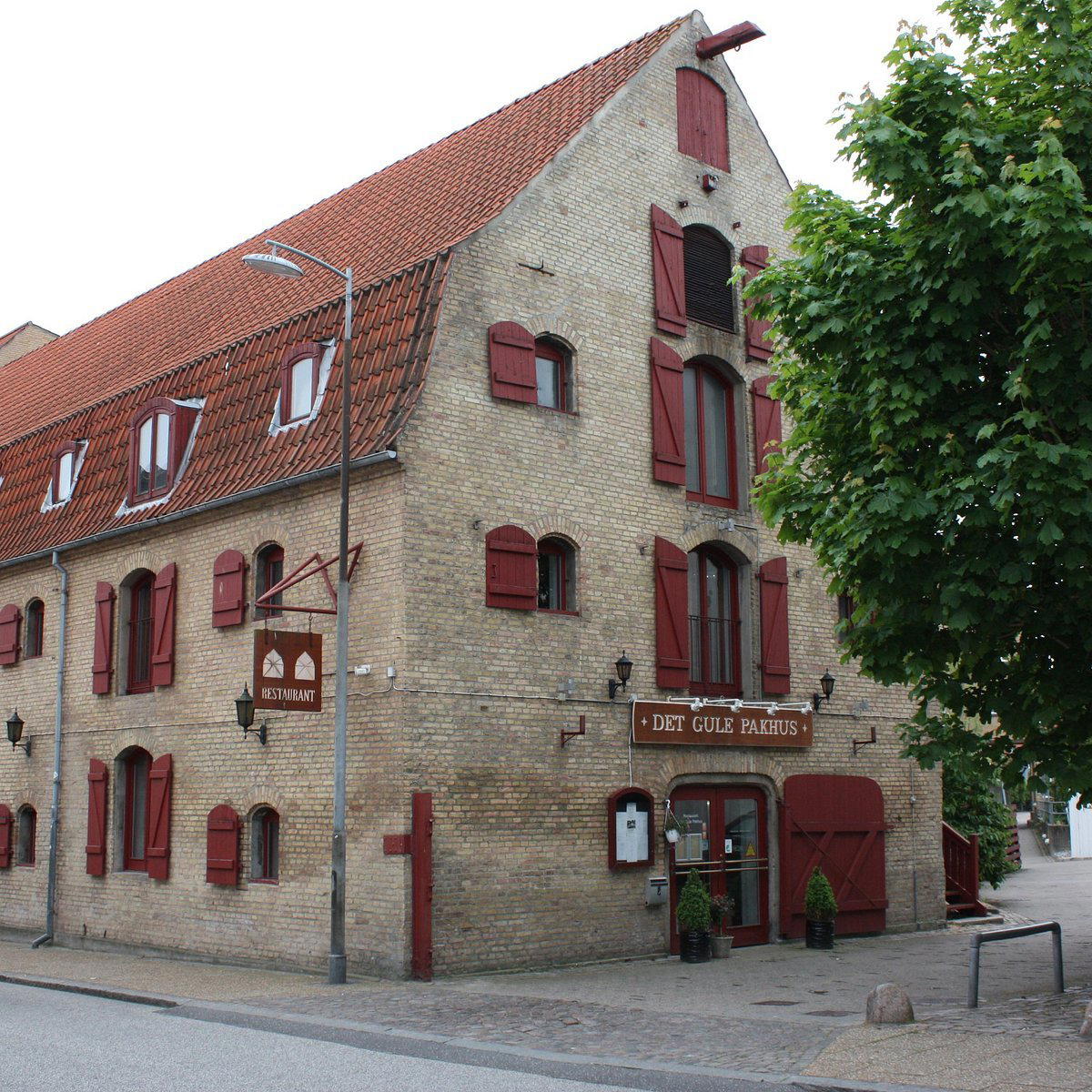
On Lodsgade in Frederikshavn, KYSTFOLK sits close to the working harbour that has shaped North Jutland's food culture for generations. The name translates loosely as 'coastal people', signalling a kitchen oriented around the sea and the supply chains that run through it. In a city where dining options range from casual Thai takeaway to Danish brasserie, KYSTFOLK occupies the locally rooted end of the spectrum.
Pearl is the En Primeur Club membership app — saves, bookings, and concierge access live there. Same editors, same standards.
- Address
- Lodsgade 8A, 9900 Frederikshavn, Denmark
- Phone
- +4530220001
- Website
- restaurantrodder.dk
- Directions
- Get directions
 Saves & bookings on Pearl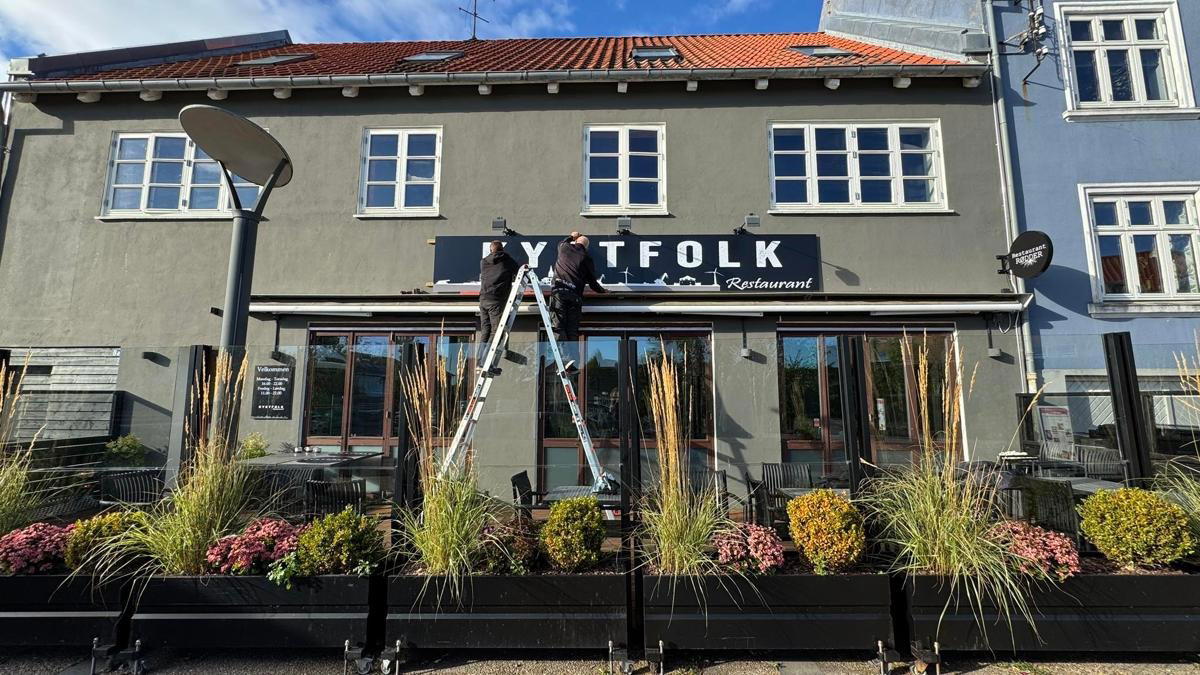
Where the North Sea Meets the Table
Frederikshavn is, before almost anything else, a port city. The harbour on Kattegat handles ferry traffic to Norway and Sweden, but it also anchors a fishing economy that has dictated what people here eat for centuries. Lodsgade, where KYSTFOLK sits at number 8A, runs close to that waterfront — the kind of address that implies proximity to the source rather than distance from it. In North Jutland, that proximity matters. The cold, nutrient-dense waters of the Skagerrak and Kattegat produce flatfish, shellfish, and cod with a different character than what arrives further inland, and kitchens that understand this treat their sourcing as a competitive advantage, not an afterthought.
The restaurant's name, KYSTFOLK, translates broadly as 'coastal people' or 'people of the shore'. It is a declaration of identity that positions the kitchen within a broader Danish tradition of place-specific cooking, one that has gained considerable international attention since Copenhagen's new Nordic movement reframed how Scandinavian produce could be interpreted. What that movement established at the fine-dining tier — see Geranium in Copenhagen or Jordnær in Gentofte, has filtered outward through Denmark's regional cities in different ways, and Frederikshavn represents a distinct node in that diffusion: a working port where ingredient provenance is structural, not aspirational.
The Sourcing Logic of a Harbour Town
Danish coastal restaurants operate within a supply logic that most urban kitchens cannot replicate. Landings at ports like Frederikshavn include species and cuts that rarely reach wholesale markets further south, partly because local demand absorbs them and partly because small-boat fishermen sell direct. This creates a culinary micro-economy: what the boats bring determines what the kitchen serves, which means menus follow the tide rather than a fixed programme. It is a format that demands kitchen flexibility and rewards diners who understand that seasonal and catch-dependent cooking will vary in ways that a printed menu cannot fully anticipate.
This model has precedent across Denmark's coastline. Further west, Henne Kirkeby Kro in Henne has built much of its reputation on proximity to Jutland's west-coast produce. Inland, Frederikshøj in Aarhus frames Jutland's agricultural and coastal output within a more structured fine-dining context. KYSTFOLK operates closer to the harbour-town end of that continuum, where the sourcing story is embedded in geography rather than constructed as a dining concept.
For comparison, consider how coastal sourcing functions at the international tier. Le Bernardin in New York City built its entire identity around the idea that fish deserves the same rigour as meat-forward haute cuisine, with sourcing relationships that span multiple continents. The North Jutland model is the inverse: hyper-local, seasonally constrained, and shaped by what fishermen a few kilometres away landed that morning. Both approaches are serious; they simply operate at different scales and within different culinary economies.
Frederikshavn's Dining Context
Frederikshavn's restaurant scene reflects the character of a mid-sized Danish port city: varied, practically oriented, and covering a wider range of cuisines than its size might suggest. The city's ferry connections bring Scandinavian visitors whose expectations span casual to considered, and the local population supports a permanent dining infrastructure that includes everything from Asian takeaways to café-style brasseries.
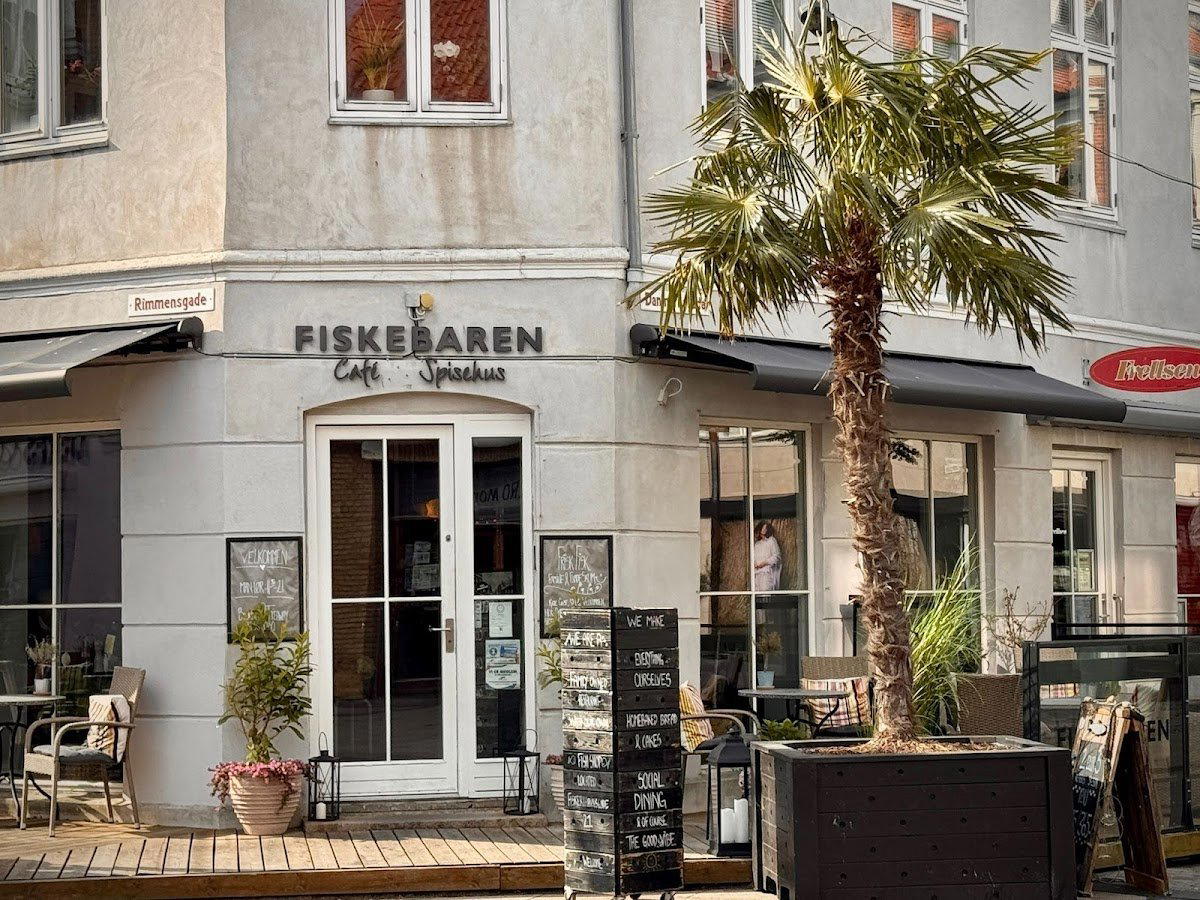
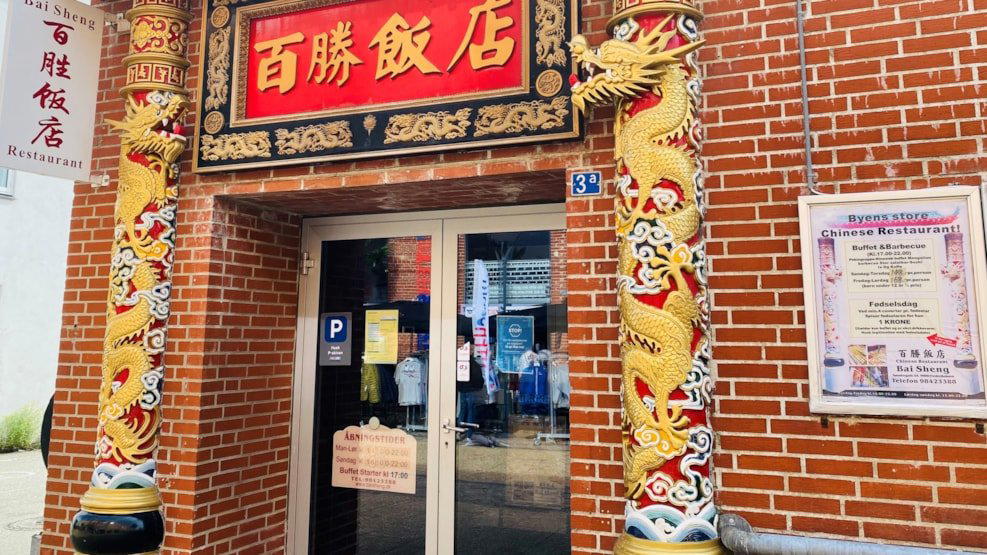
Within that mix, certain categories emerge. 2takt Café & Brasserie occupies the café-brasserie tier. Bai Sheng and Chang Thai Take Away represent the city's Asian options, the latter a reliable quick-service format. Café Feen and Delicious Factory round out the casual end of the market. KYSTFOLK, with its harbour-adjacent address and name that signals coastal specificity, sits in a distinct tier from these alternatives, one defined by ingredient origin and Danish coastal tradition rather than format or price category.
The broader North Jutland and Aalborg region provides additional context for serious dining in the area. Alimentum in Aalborg, roughly an hour south, represents the region's more structured end of Danish contemporary cooking. For those drawing a wider arc across Denmark's considered dining circuit, ARO in Odense, LYST in Vejle, Domæne in Herning, Dragsholm Slot Gourmet in Hørve, and Frederiksminde in Præstø each represent a distinct regional inflection of Danish cooking worth tracking. The full picture of Frederikshavn's dining options is mapped in our full Frederikshavn restaurants guide.
What Coastal Identity Means at the Plate
The intellectual tradition underpinning Danish coastal cooking draws a direct line between geography and plate. North Jutland's position at the convergence of the North Sea, the Skagerrak, and the Kattegat creates water conditions that favour specific species at specific times of year. Herring and mackerel run in volumes that have historically defined the region's preserved food culture; fresh flatfish and shellfish anchor the premium end of local supply. Kitchens that work within this system tend to orient their menus around what is available rather than what is fashionable, which produces a seasonality that is genuinely structural.
Internationally, the Korean fine-dining approach to sourcing, visible at places like Atomix in New York City, treats ingredient provenance as a form of cultural narrative, with sourcing decisions that connect dish to region of origin in explicit terms. The Danish coastal version is less narrated and more assumed: the sea is the source, and the address confirms proximity to it. KYSTFOLK's location on Lodsgade situates it within that assumption before a single dish is served.
Planning a Visit
KYSTFOLK is located at Lodsgade 8A in Frederikshavn's harbour-adjacent district, within walking distance of the city's ferry terminal. Given the limited availability of detailed operational information in the public record, visitors should verify current opening hours, booking requirements, and menu format directly before travelling. The practical approach in a city of Frederikshavn's size is to contact the restaurant ahead of arrival, particularly if travelling from outside the region or planning around a specific ferry connection. For broader trip planning, the Frederikshavn dining guide covers the full range of options across the city's different dining tiers.
Continue exploring
More in Frederikshavn
Restaurants in Frederikshavn
Browse all →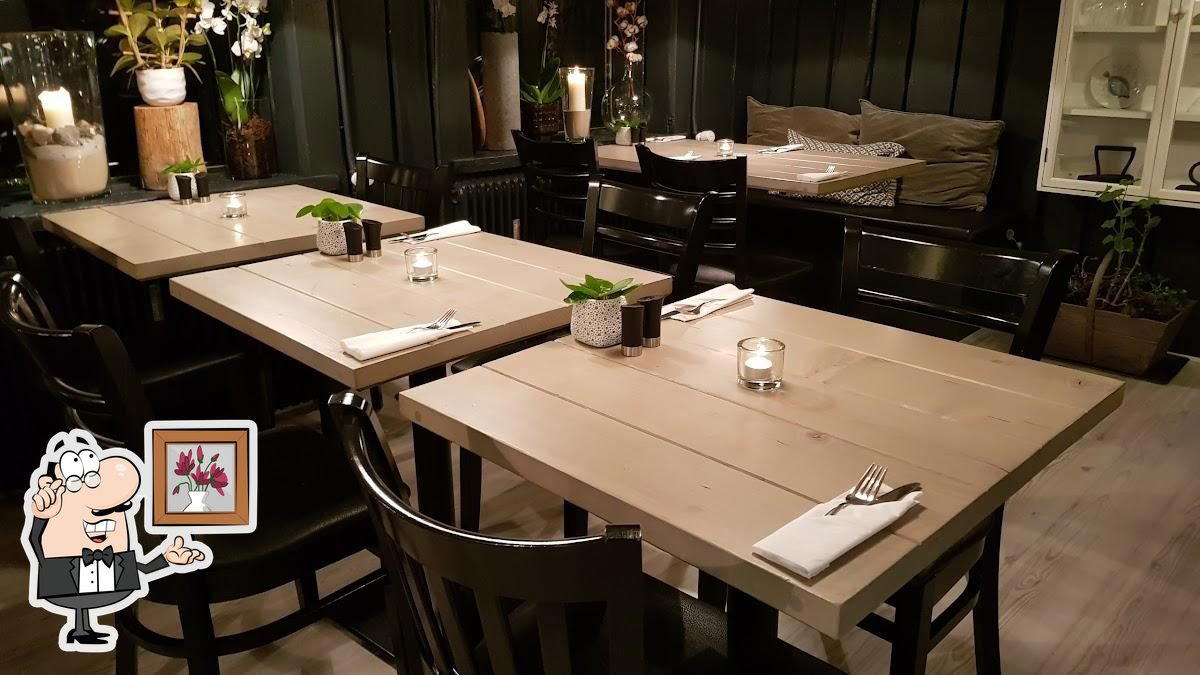
Bars in Frederikshavn
Browse all →
At a Glance
- Cozy
- Modern
- Date Night
- Family
- Open Kitchen
- Local Sourcing
Current opening hours
- Monday
- 4–10 PM
- Tuesday
- 4–10 PM
- Wednesday
- 4–10 PM
- Thursday
- 4–10 PM
- Friday
- 11 AM–10 PM
- Saturday
- 11 AM–10 PM
- Sunday
- Closed
Hours can change for holidays and private events. Last verified .
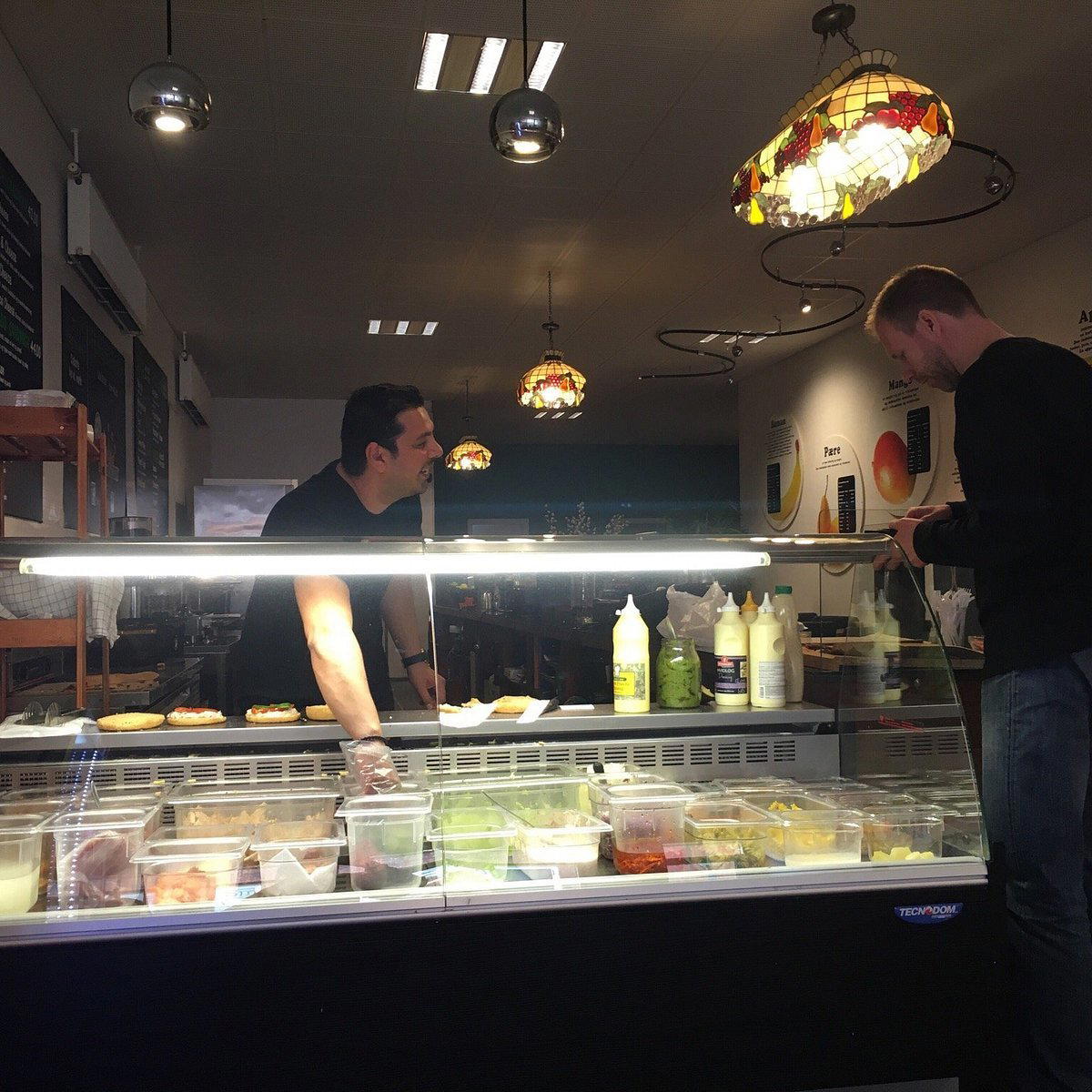
Warm, cosy, bright, and modern interior with relaxed and welcoming atmosphere.
Know Before You Go
- Getting there
- Lodsgade 8A, 9900 Frederikshavn, Denmark