Bai Sheng
Bai Sheng sits on Søndergade in central Frederikshavn, representing the kind of Asian-inflected dining that has taken quiet root in Denmark's northern port towns. With limited published data, it occupies a niche in a city where the restaurant scene runs from harbour-side Danish classics to casual international formats. Visitors should verify current hours and availability directly before visiting.
Pearl is the En Primeur Club membership app — saves, bookings, and concierge access live there. Same editors, same standards.
- Address
- Søndergade 3, 9900 Frederikshavn, Denmark
- Phone
- +4598423388
- Website
- baisheng.dk
- Directions
- Get directions
 Saves & bookings on Pearl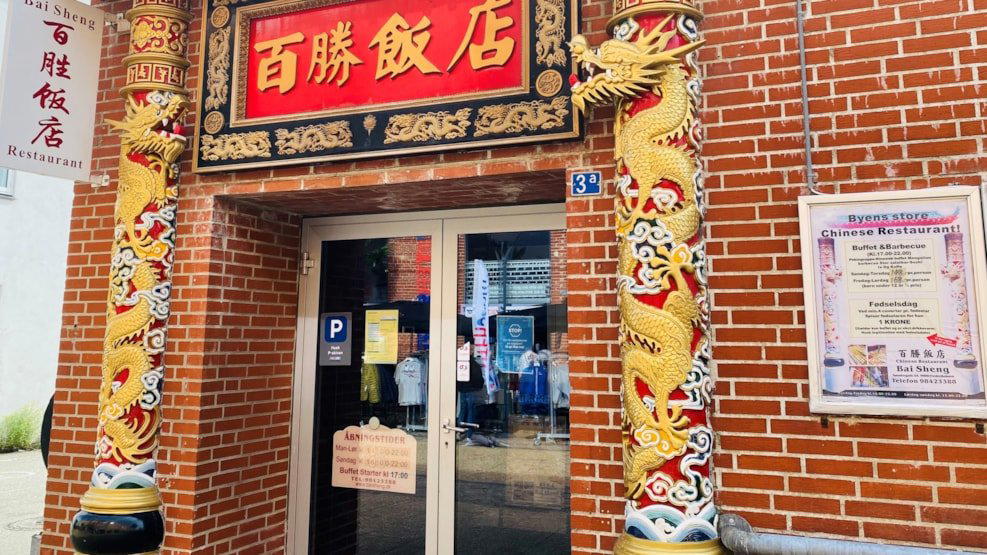
Asian Dining in Denmark's Northern Port
Frederikshavn is not a city that announces itself as a dining destination. Positioned at the northern tip of Jutland, it functions primarily as a ferry hub connecting Denmark to Norway and Sweden, and its restaurant scene reflects that transit character: practical, locally rooted, and occasionally surprising. Within that context, the presence of Chinese-inflected dining on Søndergade points to a pattern visible across provincial Danish cities, where Asian restaurants have filled a consistent gap in the mid-market, offering an alternative to the smørrebrød and grilled fish formats that dominate local menus.
Bai Sheng occupies a Søndergade address, the kind of central pedestrian-adjacent street that anchors the commercial life of smaller Danish cities. Streets like this one tend to concentrate the broadest cross-section of a town's eating options, from bakeries to casual sit-down restaurants, and they serve both residents running daily errands and visitors who have just arrived off the ferry. That positioning matters for understanding how a restaurant like this functions in its local food economy.
Where Ingredient Sourcing Shapes the Story
Danish food culture has spent the last two decades building an infrastructure around local and regional sourcing, a shift driven by the New Nordic movement that found its most visible expression at restaurants like Geranium in Copenhagen and Jordnær in Gentofte. That ethos has filtered down unevenly. At the fine-dining tier represented by Frederikshøj in Aarhus or Henne Kirkeby Kro in Henne, sourcing decisions are documented, discussed, and often central to the menu's identity. At the casual end of the market, particularly in smaller cities far from Copenhagen's supply networks, sourcing is a quieter question.
Chinese restaurants operating outside major urban centres in Scandinavia typically work within a dual-supply logic: locally available proteins and produce where accessible, supplemented by specialist Asian ingredient suppliers that serve the broader Nordic market. In North Jutland, proximity to the Kattegat means that fish and shellfish can enter a Chinese kitchen with genuine regional provenance, even when the cooking style traces its lineage elsewhere. This is the practical reality of cross-cultural cooking in provincial settings, and it is a different model from what you find at destination-level restaurants like Dragsholm Slot Gourmet in Hørve or LYST in Vejle, where the sourcing narrative is central to the guest experience and communicated explicitly through the menu.
For comparison, the broader Frederikshavn dining scene at venues like Det Gule Pakhus and 2takt Café and Brasserie leans toward Danish comfort formats, while options like Chang Thai Take Away and Delicious Factory serve the city's demand for Asian flavours in a more casual register. Bai Sheng occupies a position in that same territory, serving a local population that is not looking for a tasting menu event but for a reliable, flavour-forward alternative to the default Danish options.
The Frederikshavn Context
Denmark's provincial restaurant scene operates on different terms from its capital. Copenhagen supports a dense concentration of Michelin-recognised restaurants and a dining culture shaped by international food media attention. The further north you travel into Jutland, the more the restaurant offer contracts toward local need rather than destination ambition. That is not a criticism; it reflects the direct economics of population density and tourist flow.
What Frederikshavn does have is a consistent stream of travellers moving through it, people boarding ferries to Gothenburg or Oslo, day visitors from the surrounding region, and the steady domestic tourism that the northern Jutland coast attracts in summer. Restaurants on or near Søndergade benefit from that foot traffic, which supports a range of formats that might not survive in a purely residential neighbourhood of equivalent size.
For visitors who want to understand the full picture of eating in the city, the full Frederikshavn restaurants guide maps the options across formats and price points. Elsewhere in Denmark, those seeking restaurants that have built explicit sourcing narratives around regional produce will find that ambition expressed at places like Tri in Agger, Frederiksminde in Præstø, Ti Trin Ned in Fredericia, and Pearl by Paul Proffitt in Kruså. Internationally, the gap between destination dining and neighbourhood eating is a universal dynamic: even cities with restaurants like Le Bernardin in New York City or Lazy Bear in San Francisco support entire ecosystems of casual, locally-serving restaurants that do not compete on the same terms but serve an equally genuine function.
Among Frederikshavn's alternatives for casual international eating, Café Feen offers a different atmosphere for visitors wanting to stay within the city centre.
Planning a Visit
Bai Sheng is located at Søndergade 3 in central Frederikshavn, within walking distance of the ferry terminal and the city's main commercial strip. Published contact details, current hours, and pricing are not available through this listing. Visitors are advised to verify operational status directly before making a trip, particularly outside summer months when provincial restaurants in smaller Danish cities may operate on reduced schedules. Walk-in availability is likely on most evenings, given the restaurant's casual format and the city's scale, though weekend evenings during peak ferry-traffic periods may see higher demand.
Side-by-Side Snapshot
| Venue | Cuisine |
|---|---|
| Bai ShengThis venue — the venue you are viewing | This venue |
Continue exploring
More in Frederikshavn
Restaurants in Frederikshavn
Browse all →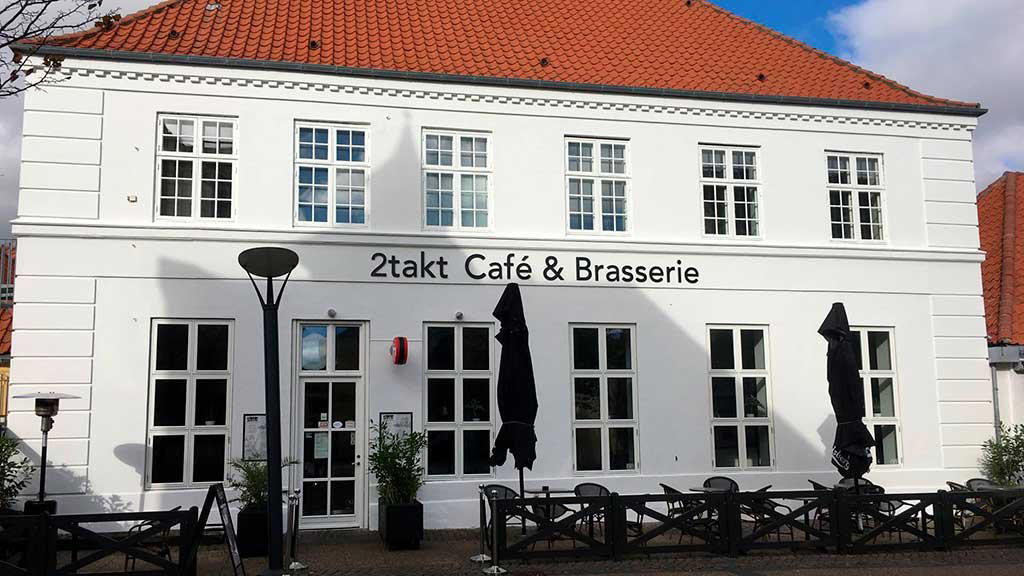
Bars in Frederikshavn
Browse all →
At a Glance
- Casual
- Family
- Group Dining
- Casual Hangout
- Open Kitchen
Current opening hours
- Monday
- 4:30–10 PM
- Tuesday
- 4:30–10 PM
- Wednesday
- 4:30–10 PM
- Thursday
- 4:30–10 PM
- Friday
- 4:30–10 PM
- Saturday
- 4:30–10 PM
- Sunday
- 4:30–9:30 PM
Hours can change for holidays and private events. Last verified .
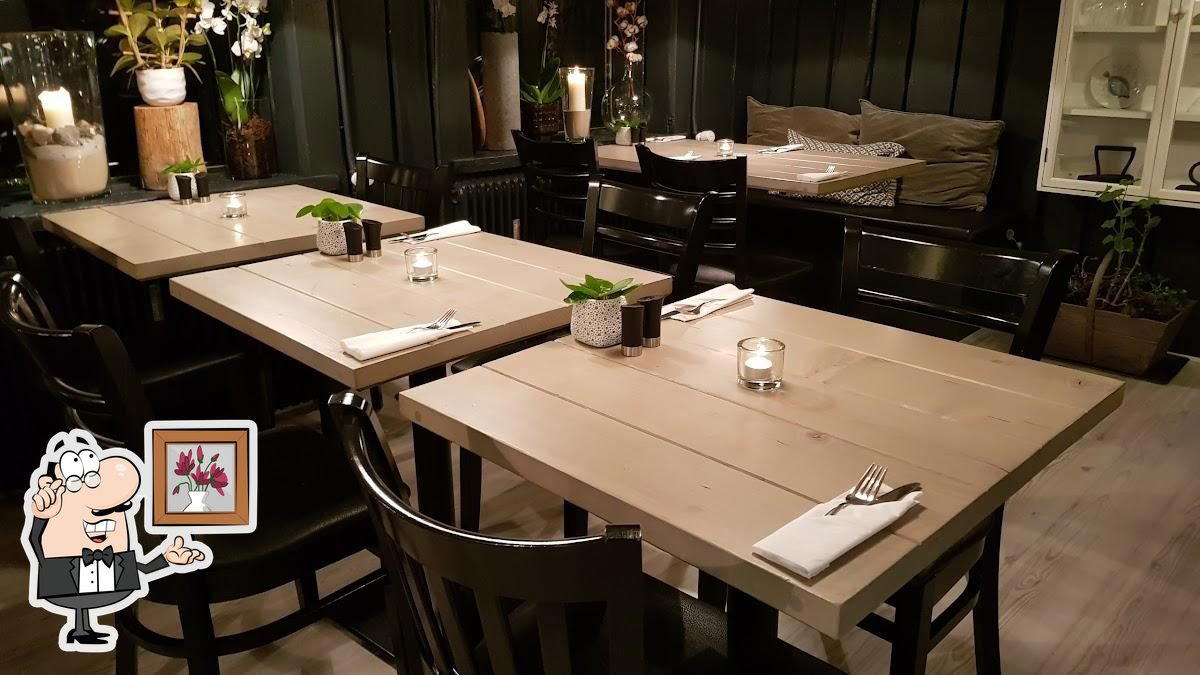
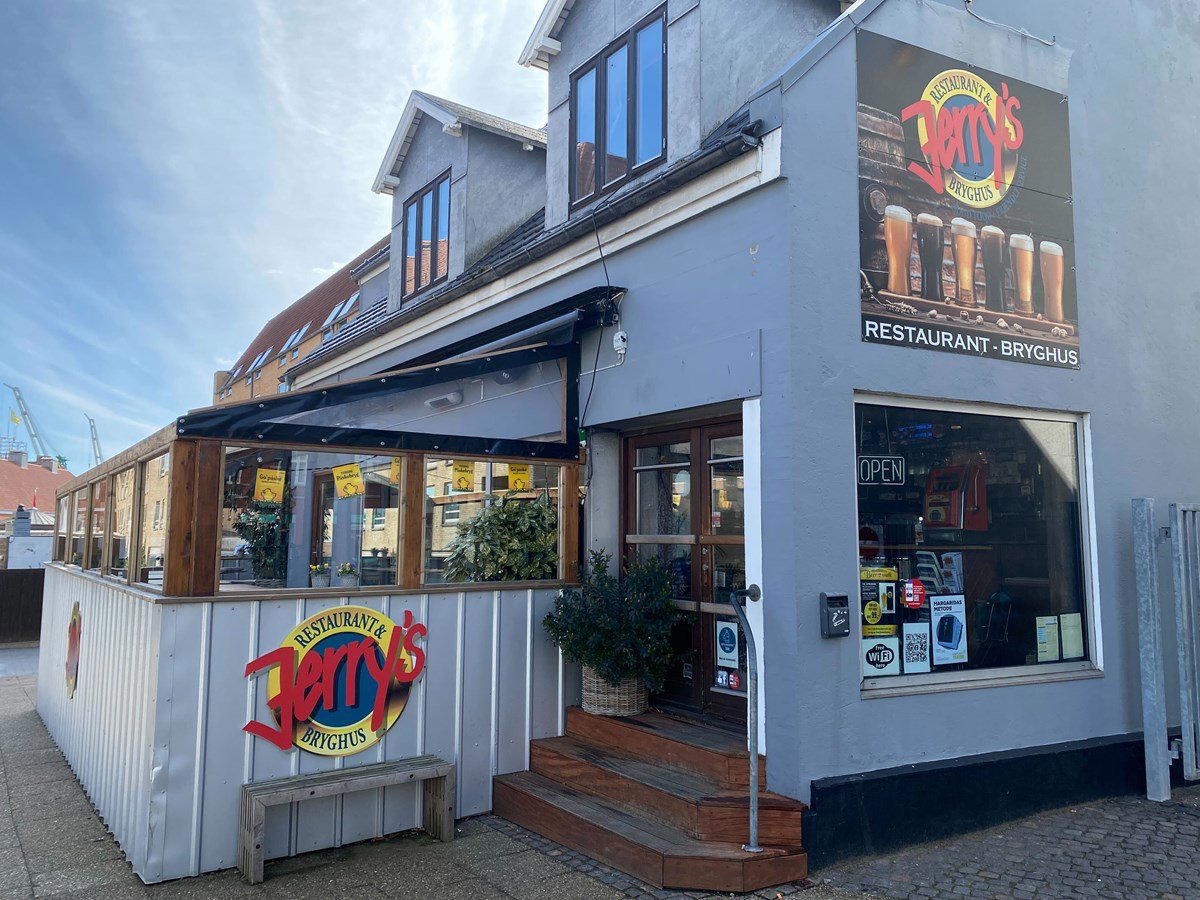
Casual dining environment with recently renovated interior and exterior; described as child-friendly with a relaxed atmosphere suitable for families.
Know Before You Go
- Getting there
- Søndergade 3, 9900 Frederikshavn, Denmark