Tabelog 100 #11
Our verdict
Kyogashi Misakiya is a Tomigaya wagashi shop focused on Japanese traditional sweets, selected for Tabelog 100 Tokyo in the Japanese sweets and sweets-cafe category in 2023. Its appeal sits in the disciplined tea-ceremony confectionery tradition: takeaway service, seasonal changes every two weeks, limited-time items such as chimaki, mizu yokan, and steamed chestnut yokan, and a low spend bracket under JPY 999.

Pearl is the En Primeur Club membership app, where members save venues, book tables and use the concierge.
The menu
What to order
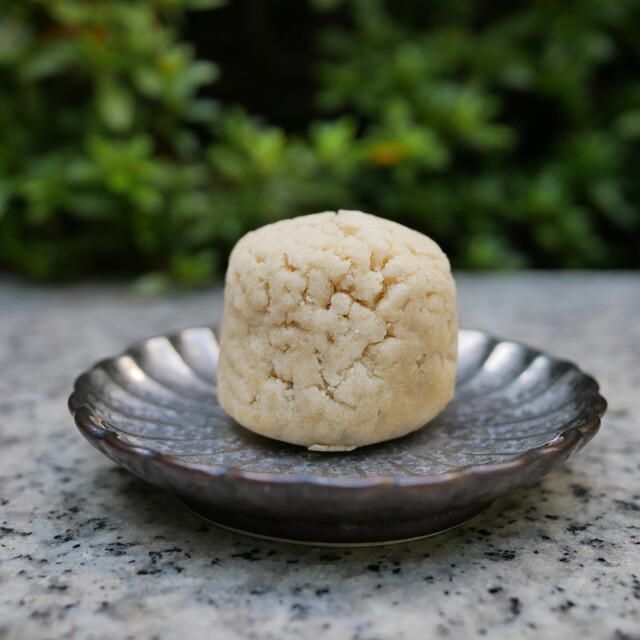
- Yellow Shigure (Kimi Shigure)
- Chimaki
- Mizu Yokan
- Steamed Chestnut Yokan
Tokyo changes register quickly once the main streets fall away: traffic softens, shopfronts shrink, and the rhythm becomes local rather than destination-driven. That is the right setting for Japanese traditional sweets, a category where display, season, and restraint can matter as much as appetite. Kyogashi Misakiya belongs to that quieter Tokyo sweets tradition, not the louder dessert-cafe circuit built around long queues, plated showpieces, and social-media theatre.
The shop’s 2023 recognition from Tabelog Hyakumeiten gives it a useful credential in a city where Japanese traditional sweets are often judged through repeat custom rather than spectacle. The listed category is Japanese traditional sweets, the Tabelog score provided is 3.68, and the spend sits in the - JPY 999 bracket. Those facts place it closer to the everyday luxury of a carefully chosen sweet than to the multi-course dessert formats that have entered Tokyo’s premium dining conversation.
Japanese traditional sweets in a city built for slower looking
Tokyo’s serious sweets shops ask for a different kind of attention from restaurants. The pleasure is in the short exchange at the counter, the seasonal mood, the packaging, and the decision of what belongs with tea later that day. Kyogashi Misakiya is best read through the Japanese traditional sweets category, a formal lane where restraint is not decorative but central. The appeal lies in precision rather than volume, and in a rhythm that suits sweets better than the longer menu cycles common in restaurants.
That cadence also explains why the shop reads differently from other Tokyo addresses. Minimal Tomigaya honten, Levain Tomigaya ten, Celaravird, Kyoryori Aun, and Tudore Tranquility all point to Tokyo’s broader range of focused food stops. Against that local mix, Kyogashi Misakiya is narrower and more traditional: a confectionery shop where the category itself does the heavy lifting.
The Japanese sweets tradition rewards brevity. A small seasonal sweet can carry a moment more precisely than a long dessert menu, and a carefully made confection can signal the calendar without needing restaurant ceremony. That matters because Japanese traditional sweets are often tied to the year’s micro-shifts: early summer, rainy season, late summer heat, autumnal depth, and the formal needs of tea. For travellers used to Tokyo’s tasting-menu economy, this is a useful correction. Not every serious food stop in the city requires a seat, a pairing, or a long evening.
What the format says about Tokyo's sweets culture
Tokyo’s dessert scene now splits into several lanes: design-led cafes, patisserie counters, chocolate specialists, shaved-ice rooms, department-store gift culture, and older sweets houses serving regulars. Kyogashi Misakiya sits within the Japanese traditional sweets lane, and its recognition comes from a Tabelog category dedicated to this field rather than from restaurant awards. That distinction is useful. It tells the reader to assess it by craftsmanship, season, and suitability for tea, not by restaurant theatrics.
The Tokyo setting strengthens that reading. The city has enough destination dining to pull visitors across town, but it also retains many small-scale food addresses that reward precise planning. It is the sort of place where a food day can be built from small, focused stops rather than one grand reservation. A traveller might map traditional sweets here against contemporary Tokyo eating elsewhere: quick counters, casual meals, or more design-forward formats in other dining rooms. The point is not comparison by cuisine, but by city habit: Tokyo is often better understood through specialist addresses than through broad all-purpose dining rooms.
That specialist logic extends across the wider region. A Tokyo itinerary can stretch from casual food stops to compact counter formats, then outward to other parts of Japan for category-specific eating. For a national view of how specialist addresses shape travel dining, compare Tokyo with unnamed dining rooms in Kyoto, Osaka, Kumamoto, or Sapporo. Kyogashi Misakiya belongs to that same way of reading Japan through focused stops rather than all-purpose recommendations.
How to fold it into a Tokyo food day
The practical value here is timing and intent. Kyogashi Misakiya is a Tokyo stop for Japanese traditional sweets, with the provided listing placing its spend in the - JPY 999 bracket. The phone number listed is +81-3-3467-8468, and the budget field provided does not specify separate dinner or lunch pricing. Those constraints keep the planning simple: treat it as a sweets-focused stop rather than a full restaurant meal.
Those details are not minor; they define the visit. This is a planned stop, especially if the aim is to understand Japanese traditional sweets rather than to fill a meal slot. The listed spend bracket makes it easy to add to a day built around a larger lunch or dinner, while the category makes it more useful as a focused cultural food address than as a general-purpose cafe. For broader route-building, use Our full Tokyo restaurants guide alongside Our full Tokyo bars guide, Our full Tokyo hotels guide, Our full Tokyo experiences guide, and Our full Tokyo wineries guide. The same specialist-food logic also appears abroad in different forms, from unnamed drinks rooms to compact snack counters.
Kyogashi Misakiya is strongest as a lens on Tokyo’s quieter food culture: seasonal, formal, compact, and resistant to overstatement. The case for going is not volume or novelty. It is the chance to see how a city famous for maximal dining also preserves small acts of precision, where a traditional sweet can carry the season with less noise than a tasting menu.
Frequently asked questions
What's the address for Kyogashi Misakiya?
Tokyo.
What's the pricing like at Kyogashi Misakiya?
Pricing at Kyogashi Misakiya is listed as - JPY 999 View spending breakdown.
Is Kyogashi Misakiya open every day?
The provided listing for Kyogashi Misakiya does not specify opening days or hours, so confirm directly before planning a visit.
What's the defining dish or idea at Kyogashi Misakiya?
Kyogashi Misakiya is listed in the Japanese traditional sweets category. The shop was recognized by Tabelog Hyakumeiten in 2023, with a provided score of 3.68.
Is Kyogashi Misakiya good for vegetarians?
For vegetarians, the key question is which sweets are available and how they are made on the day. Kyogashi Misakiya is listed for Japanese traditional sweets, but the provided information does not specify ingredients for individual items.
Is Kyogashi Misakiya suitable for children?
Kyogashi Misakiya can work as a brief Tokyo sweets stop for families, especially given the listed spend bracket. Check current opening details directly before visiting with children.
A Pricing-First Comparison
Comparable options at the same price tier.
| Venue | Cuisine | Price | Awards | Notes |
|---|---|---|---|---|
| Kyogashi MisakiyaThis venue (the venue you are viewing) | Traditional Japanese Wagashi (Japanese Sweets) | $1–10 | Tabelog 100 #11 | Not listed |
| TRASPARENTE Gakugei daigaku ten | Japanese Bakery-Cafe | $10–20 | Tabelog 100 #91 | Meguro, Japanese Bakery-Cafe |
| 常 | Kaiseki with Wagyu | $300–500 | 1 Michelin Star · Tabelog 100 #37 | Minato, Japanese Set Meals |
| Sanuki no Udon Hana wa Saku Shin nakano honten | Sanuki Udon & Tempura | $10–20 | Tabelog 100 #99 | Nakano, Sanuki Udon & Tempura |
| Tsukushi | Traditional Japanese Wagashi & Daifuku Shop | $1–10 | Tabelog 100 #85 | Meguro, Traditional Japanese Wagashi & Daifuku Shop |
| Pneuma Curry | Japanese Curry | $1–10 | Tabelog 100 #84 | Shinjuku, Japanese Curry |
Recognition history
Dated appearances from independent guides and award organizations, with the underlying list record or original source where available.
Tabelog 100 #11 · No. 11
Tabelog · Tabelog 100 - Japanese traditional sweets / Japanese sweets cafe - TOKYO - 2023