Our verdict
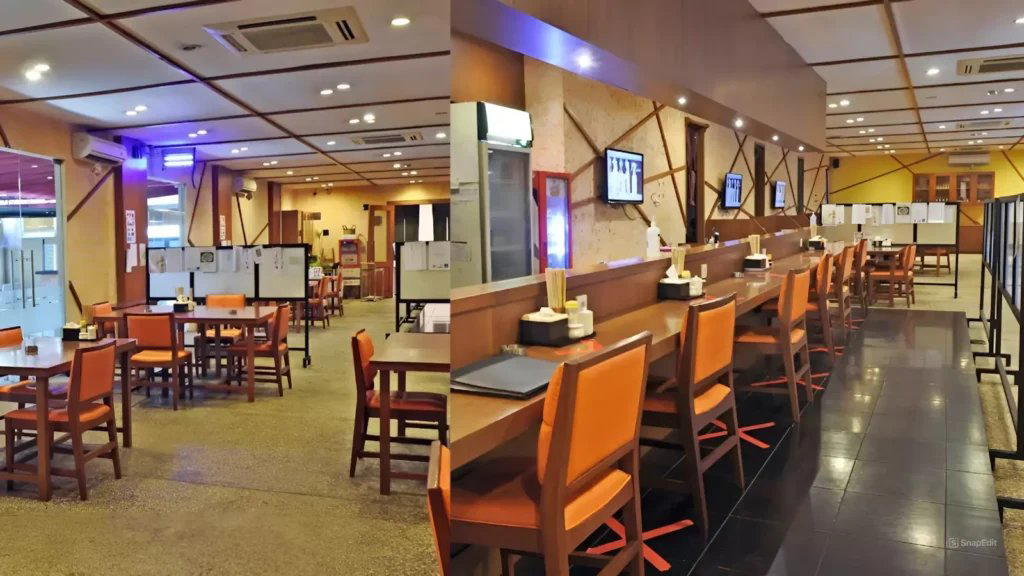
Kuretake Restaurant occupies a commercial lot in Cikarang Pusat, placing it within Bekasi's expanding dining corridor east of Jakarta. The address in Hegarmukti positions it among the district's mid-range neighbourhood tables rather than the city-centre strip, making it a practical stop for residents of Kabupaten Bekasi looking for a sit-down meal without the commute west.

Pearl is the En Primeur Club membership app, where members save venues, book tables and use the concierge.
The menu
What to order
- Ramen Tori Collagen
- Gyutan Garlic Rice Don
Cikarang's Dining Corridor and Where Kuretake Sits
Bekasi's restaurant geography has shifted considerably over the past decade. What was once a dormitory city for Jakarta's workforce has developed its own dining infrastructure, particularly in the industrial and residential zones of Cikarang Pusat. The logic is direct: a population that commutes two hours a day into the capital eventually stops making that trip on weekends for a decent meal. Local operators moved into that gap, and the commercial lots of Hegarmukti became one of the landing zones. Kuretake Restaurant is located at Commercial lot Blok H No.3 in that district, placing it in a cluster of neighbourhood-facing tables rather than in the city's more prominent mall-anchored dining strips.
That distinction matters for how you should approach a visit. Cikarang Pusat's commercial blocks serve a resident and industrial-worker catchment rather than destination diners coming from across the Jabodetabek region. The venues that work in this context tend to depend on repeat business, consistency of sourcing, and a format that fits the rhythms of the surrounding neighbourhood. For context on the broader Bekasi dining picture, our full Bekasi restaurants guide maps the city's different dining pockets and what distinguishes each.
The Question of Ingredients in Neighbourhood Dining
Indonesian neighbourhood restaurants operate within a sourcing logic that is often invisible to the diner but shapes everything on the plate. In districts like Cikarang Pusat, produce comes either from Pasar Induk Cibitung, one of the larger wholesale markets in West Java, or through more localised wet market networks tied to the daily schedules of local suppliers. The gap between these two supply chains affects freshness cycles, which proteins a kitchen can credibly offer, and how far in advance a menu can be planned.
This is the context in which venues like Kuretake operate. The ingredient sourcing question is not academic here: a restaurant in a commercial lot in Hegarmukti is not running the same logistics as a Seminyak beach club or a Jakarta CBD tasting-menu counter. It works within what the local supply chain delivers, which in Bekasi's residential zones tends to mean daily fresh protein, locally grown vegetables from nearby Jawa Barat agricultural belts, and a menu that shifts with market availability more than with a fixed card.
Compare this with what is happening at the other end of the Indonesian sourcing spectrum. Locavore NXT in Ubud built its entire identity around Balinese provenance, turning ingredient sourcing into an explicit editorial proposition. August in Jakarta operates in a similar vein, with a tasting menu format that traces each component back to a specific farm or region. Those models require capital, kitchen infrastructure, and a clientele willing to pay for the story behind the plate. Neighbourhood restaurants in Cikarang Pusat are working in a different register, where sourcing discipline shows up not in menu narration but in whether the fish is fresh on a Tuesday and whether the rice was milled recently.
Bekasi's Broader Restaurant Mix
The restaurants that hold ground in Bekasi's commercial zones tend to specialise clearly, whether in Padang-style cooking, Japanese formats, or Chinese-Indonesian crossover menus that reflect the demographic composition of West Java's industrial districts. CARANO Masakan Padang represents one end of that spectrum, grounded in the Minangkabau tradition of room-temperature dishes held at the pass and portioned to order. The Grit Family Billiard and Bistro represents another: a casual format that combines leisure and food in a way that suits the family-outing patterns of Bekasi's residential population.
Across the wider Jabodetabek region, the sourcing conversation is more developed in venues that have the platform to tell it. Hwang Fu Dimsum in Tangerang operates in a comparable suburban register to Bekasi's commercial-lot restaurants, while Chongqing Liuyishou Hotpot in South Jakarta and Hai Di Lao in Central Jakarta demonstrate how chain formats use centralised procurement to solve the sourcing consistency problem that independent neighbourhood tables have to manage themselves. The independent operator in Cikarang Pusat does not have that procurement infrastructure, which makes local market relationships more important, not less.
Further afield in the Indonesian archipelago, the sourcing conversation takes different forms. Jungle Fish Bali in Gianyar and Bikini Restaurant Bali in Badung operate in a tourist-economy context where the expectation of premium ingredients is priced into the cover. Kunyit Restaurant in Bandung and Gudeg Yu Djum in Yogyakarta both reflect how Java's non-Jakarta cities are building their own restaurant identities, often rooted in hyper-local tradition rather than imported formats. Kita Restaurant and Bar in Kecamatan Menteng and Agreya Coffee in Bogor show how different parts of the Greater Jakarta ring handle the gap between casual neighbourhood dining and more considered formats.
For reference points further removed from the Indonesian context, Le Bernardin in New York City and Atomix in New York City represent what happens when sourcing becomes the central technical discipline of a kitchen with the resources to build direct producer relationships across continents. That is a different category entirely, but it illustrates the axis along which all restaurant sourcing decisions sit.
Planning a Visit: What to Know Before You Go
Venues operating in comparable commercial-lot settings across Kabupaten Bekasi tend to price at accessible mid-range levels relative to Jakarta's restaurant market, reflecting both the local cost base and the spending patterns of their primary clientele. That positioning makes Cikarang Pusat's dining corridor a reasonable option for anyone working or staying in the eastern Jakarta belt who wants a sit-down meal without the price premium that Jakarta's central and southern districts now carry. Kimukatsu at Manado Town Square and Istanbul Kebab in Lombok Utara reflect how commercial-format dining in Indonesian secondary cities operates on similar pricing logic, rooted in local demand rather than tourist economics.
Frequently asked questions
Where is Kuretake Restaurant in Bekasi?
Kuretake Restaurant is located at Commercial lot Blok H No.3, Hegarmukti, Kec. Cikarang Pusat, Kabupaten Bekasi, Jawa Barat 17530, Indonesia, Bekasi.
Is Kuretake Restaurant in Cikarang Pusat suitable for a group meal or work lunch?
Kuretake sits inside the Hegarmukti commercial block in Cikarang Pusat, a zone that primarily serves the area's industrial and business workforce. That context makes it a functional option for working lunches or small group meals, though table capacity and reservations policy should be confirmed directly with the venue at its Blok H No.3 address.
What's the must-try dish at Kuretake Restaurant?
Ask staff what is running fresh that day, in Cikarang Pusat's commercial dining corridor, neighbourhood restaurants typically rotate based on daily market supply. That sourcing rhythm tends to make the day's specials the most reliable choice.
What's the best way to book Kuretake Restaurant?
Kuretake Restaurant is located at Commercial lot Blok H No.3, Hegarmukti, Kec. For commercial zone restaurants in Bekasi, walk-in is common practice outside peak lunch and dinner hours.
Quick Comparison
Comparable venues nearby, for context on price, style, and recognition.
| Venue | Cuisine | Price | Notes |
|---|---|---|---|
| Kuretake RestaurantThis venue (the venue you are viewing) | Modern Japanese | Not listed | Not listed |
| The Grit Family Billiard & Bistro | Indonesian Bistro | Not listed | Pekayon Jaya |
| CARANO Masakan Padang | Masakan Padang | Not listed | Kali Abang Tengah |
| Hachi Grill Alam Sutera | Halal Japanese Yakiniku & Shabu-Shabu | $10–20 | Alam Sutera |
| Shaburi & Kintan Buffet Supermal Karawaci | Japanese Shabu-Shabu & Korean BBQ Buffet | $10–20 | Karawaci |
| Kimukatsu PIM 3 | Japanese Katsu Specialist | $10–20 | Pondok Pinang |
Continue exploring
More in Bekasi
Restaurants in Bekasi
All restaurants in Bekasi →
Bars in Bekasi
Browse all →
Details
- Modern
- Elegant
- Casual Hangout
- Group Dining
- After Work
- Hotel Restaurant
- Extensive Wine List
- A La Carte
- Sake
- Alcoholic Beverages
Current opening hours
- Monday
- 5:30–9 AM, 11 AM–2 PM, 5–10 PM
- Tuesday
- 5:30–9 AM, 11 AM–2 PM, 5–10 PM
- Wednesday
- 5:30–9 AM, 11 AM–2 PM, 5–10 PM
- Thursday
- 5:30–9 AM, 11 AM–2 PM, 5–10 PM
- Friday
- 5:30–9 AM, 11 AM–2 PM, 5–10 PM
- Saturday
- 5:30–9:30 AM, 11 AM–9:30 PM
- Sunday
- 5:30–9:30 AM, 11 AM–9:30 PM
Hours can change for holidays and private events. Hours as of .
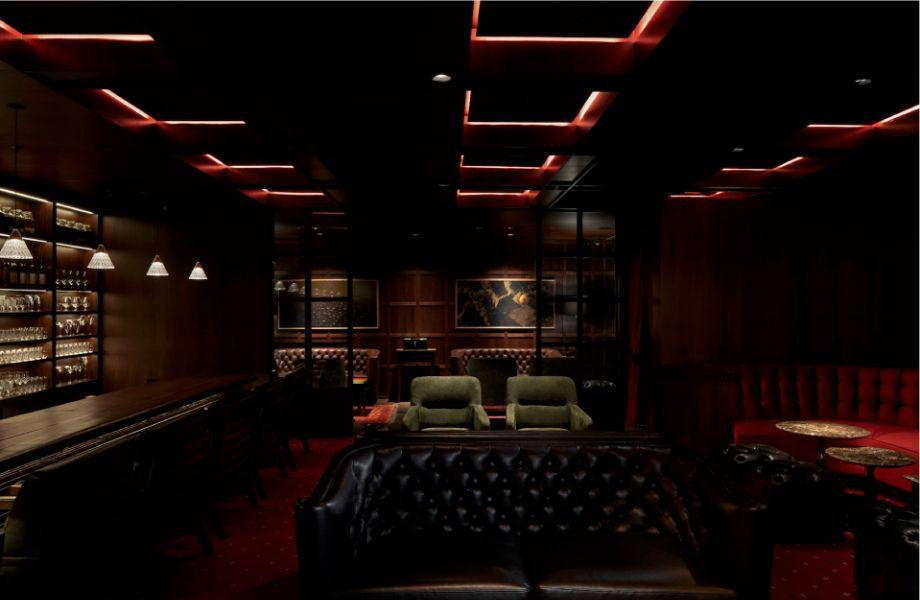
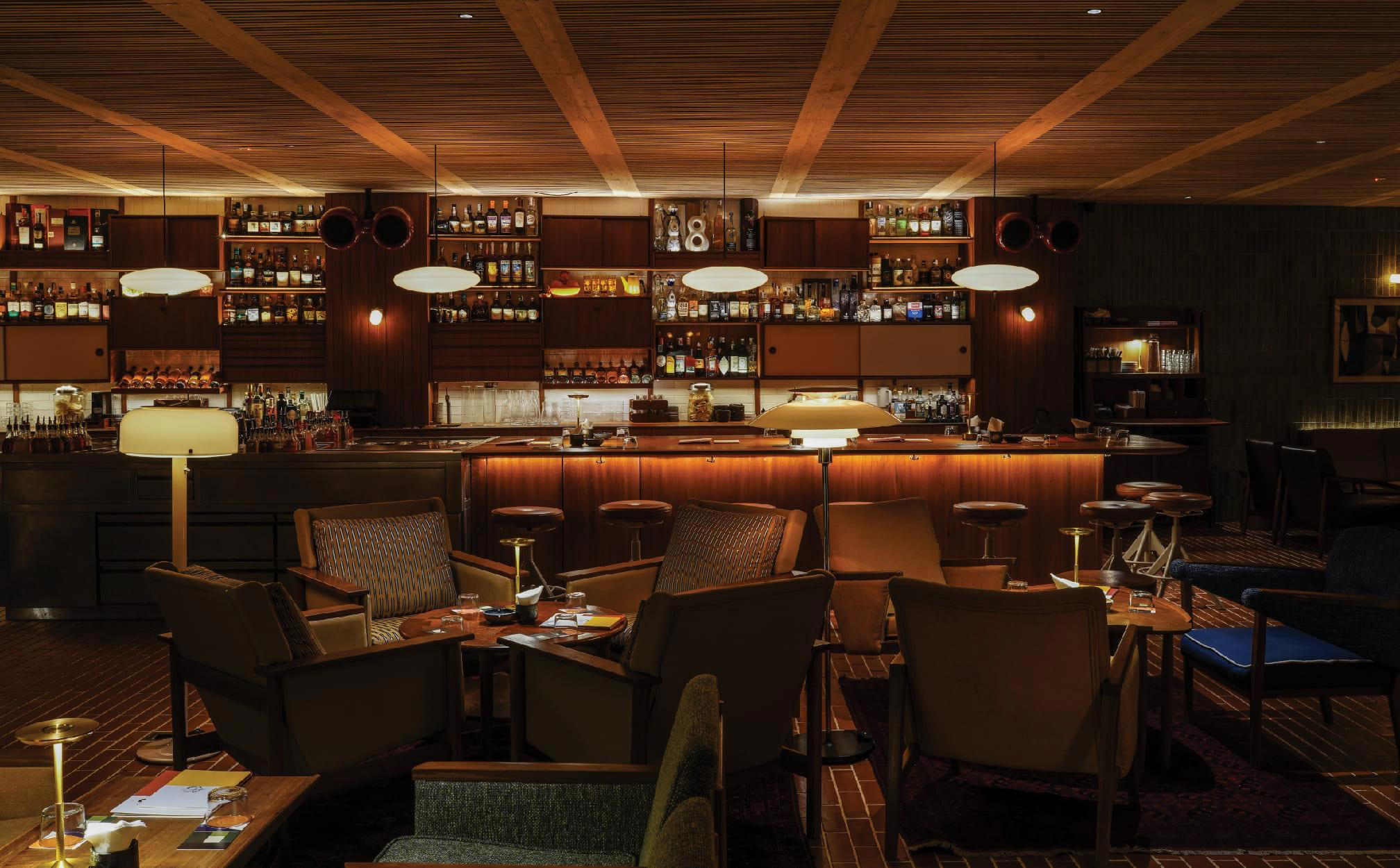
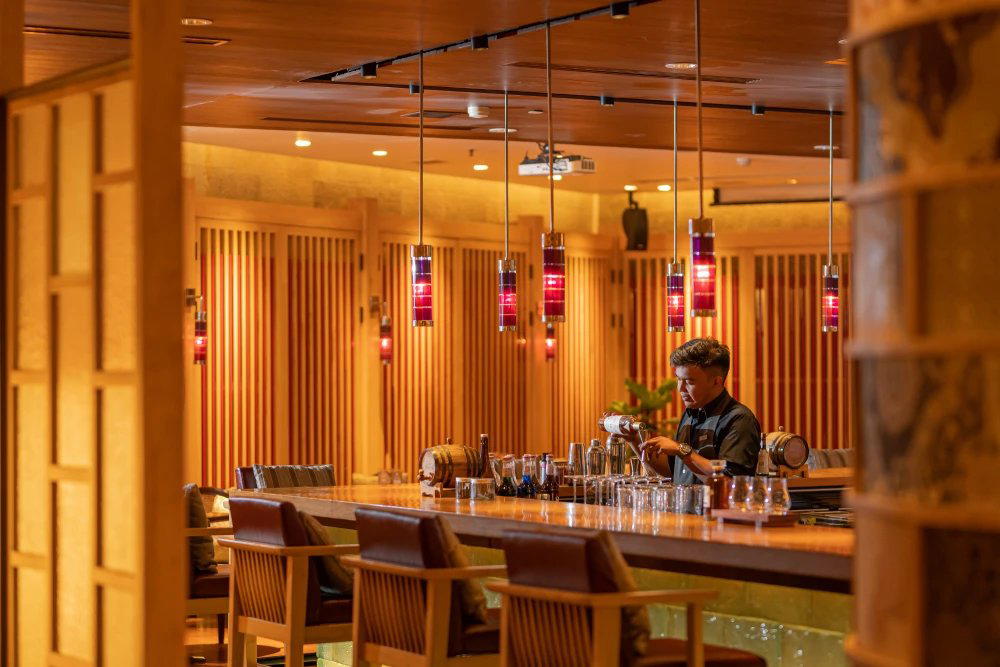
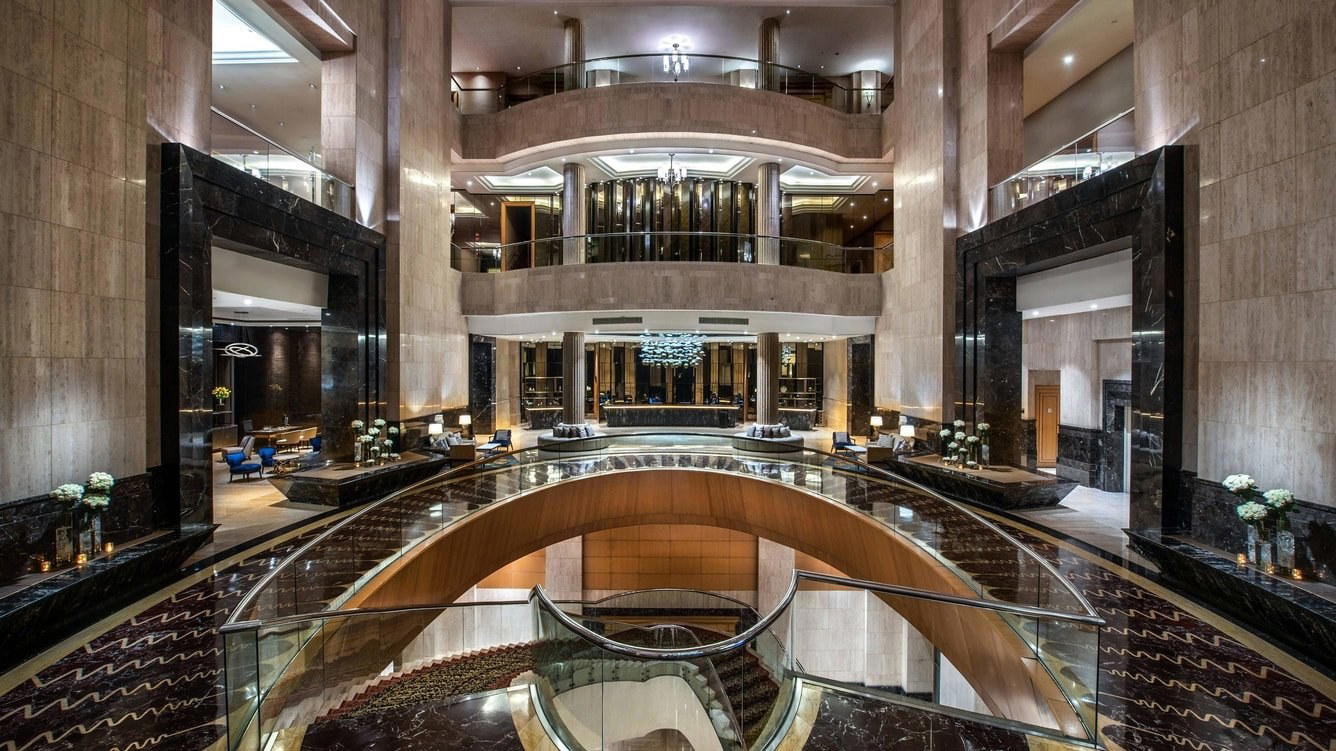
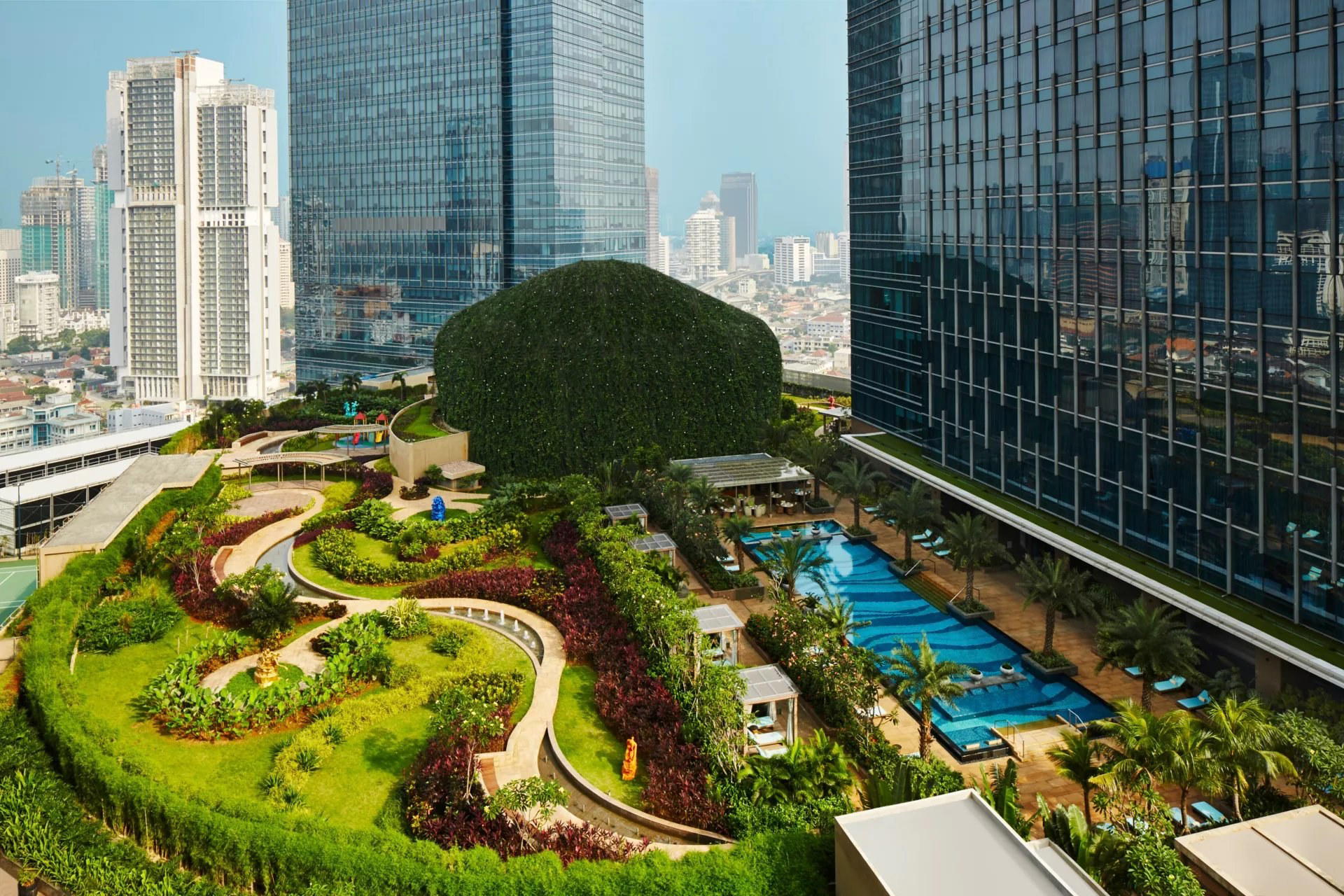
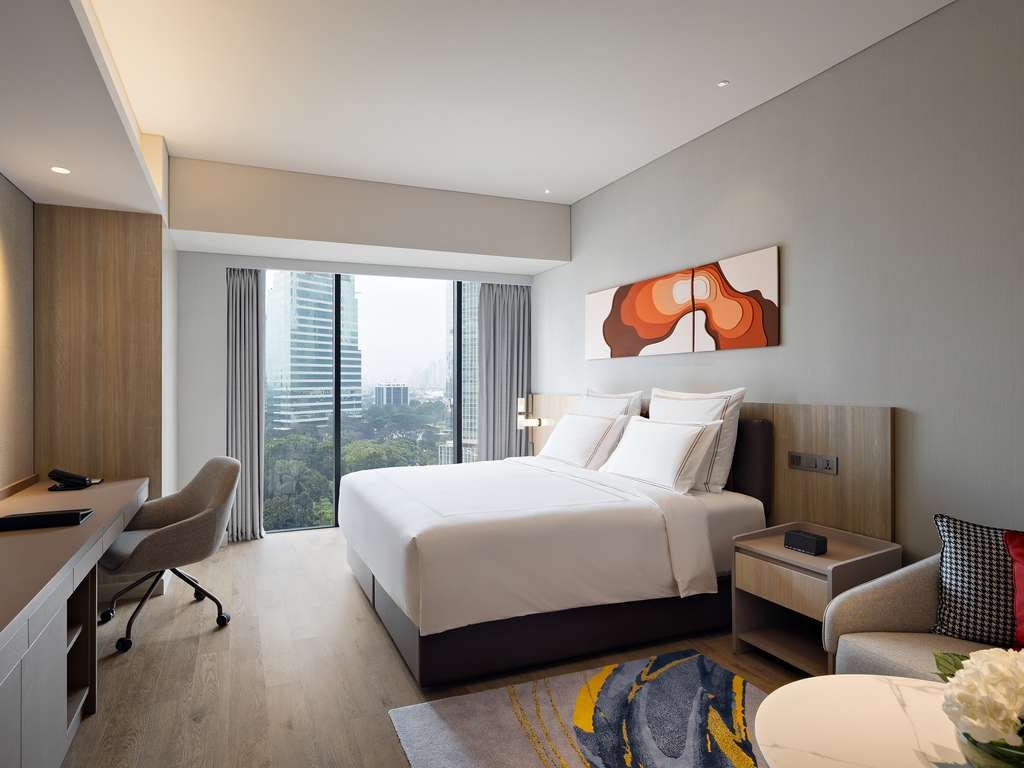
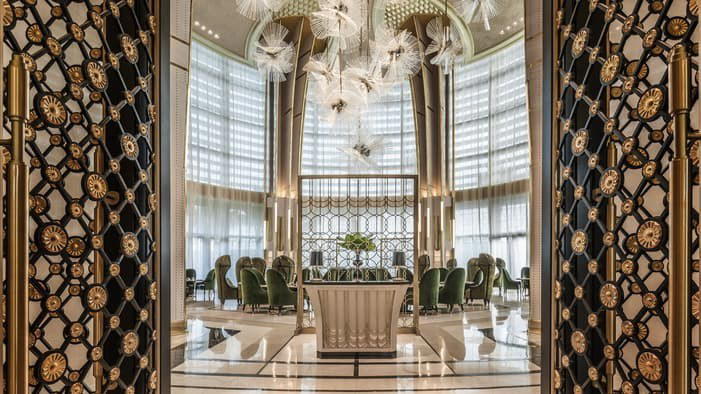
Contemporary Japanese dining atmosphere with friendly service and a wide selection of beverages.