Field & Vine
Field & Vine brings a producer-led, farm-and-vine dining format to Plano's independent restaurant scene, with a menu structured around seasonal sourcing and a wine program calibrated to match. It occupies a distinct tier within a North Texas dining corridor more often defined by steakhouses and casual concepts. Plan ahead: availability at this level of the local market moves faster than most visitors expect.
 Discover on Pearl
Pearl is the En Primeur Club membership app — saves, bookings, and concierge access live there. Same editors, same standards.
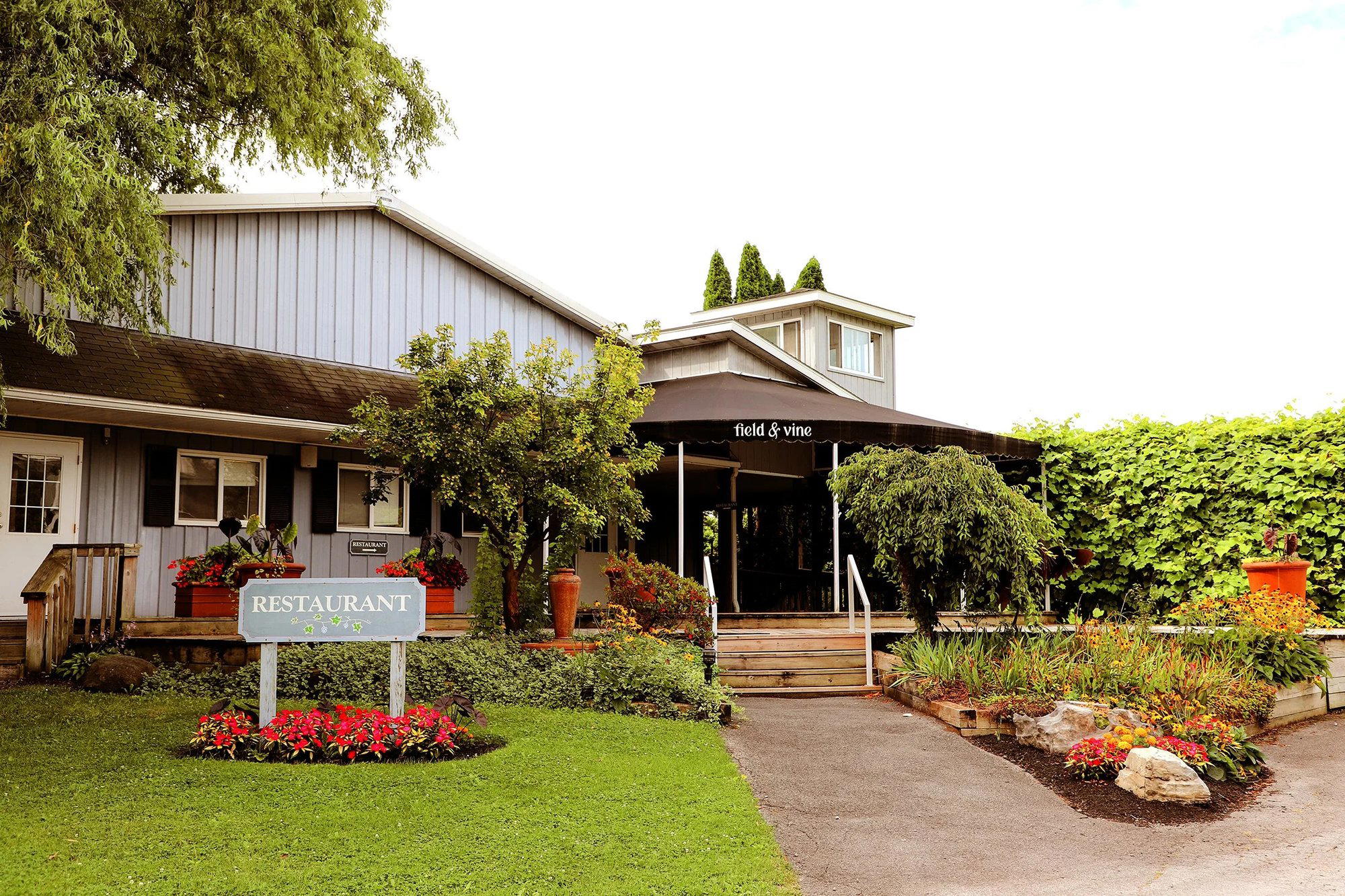
Plano's Farm-to-Table Tier and Where Field & Vine Sits Within It
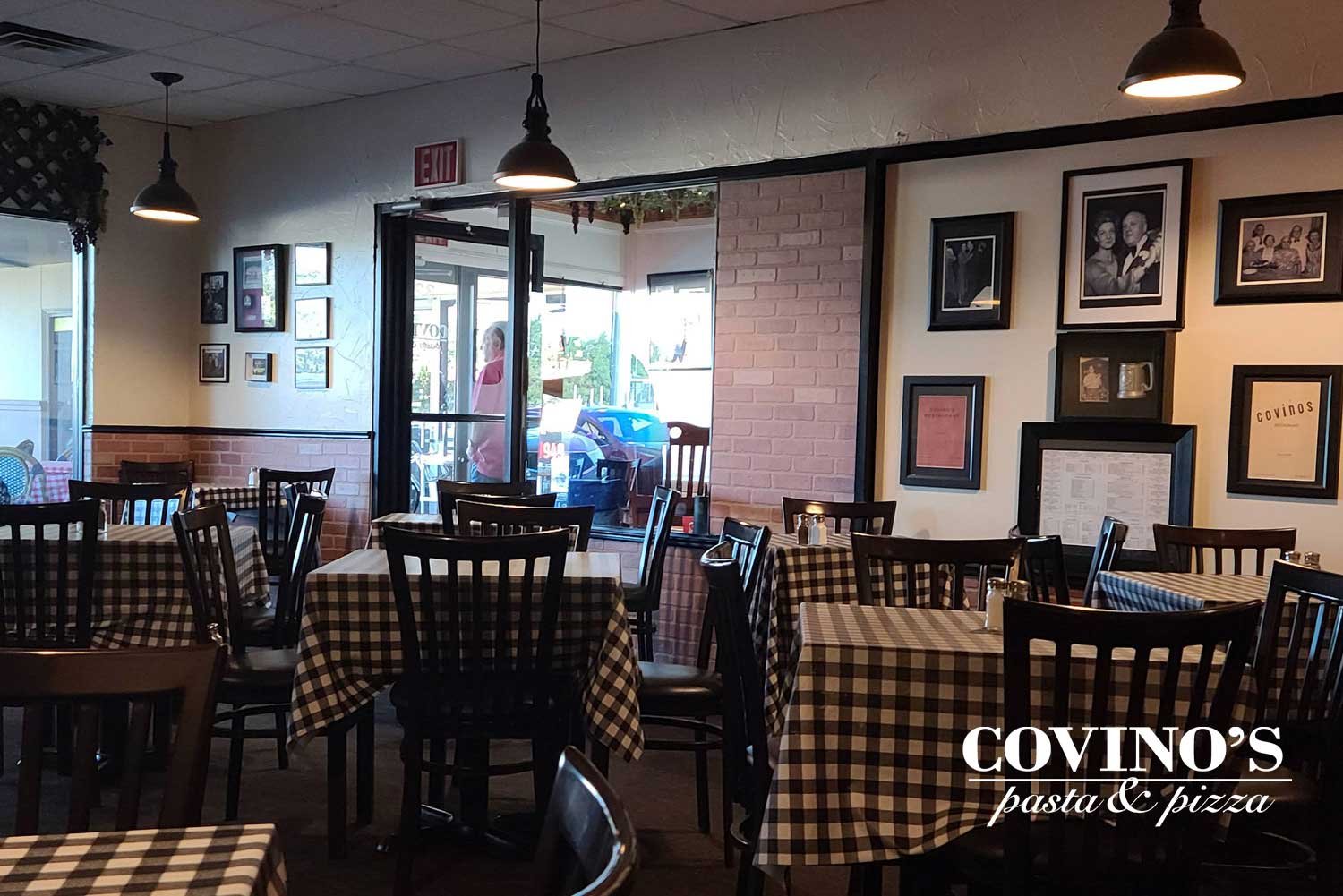
North Texas has spent the past decade building a dining identity that extends well beyond the steakhouse defaults that once defined the Dallas-Fort Worth corridor. In Plano specifically, a cohort of independent restaurants has pushed toward ingredient-led formats: shorter menus, closer supplier relationships, and a pricing structure that reflects sourcing costs rather than volume economics. Field & Vine operates inside that movement. The name signals the dual anchor of agricultural produce and wine culture that increasingly defines the more considered end of suburban Texas dining, a tier that sits above casual neighborhood spots like Blue Goose Cantina and occupies different territory from comfort-focused concepts like Covino's.
The farm-and-vine format is not new nationally. Restaurants built around direct producer relationships and rotating seasonal menus have been a defining force at the higher end of American dining for years. Blue Hill at Stone Barns in Tarrytown and Single Thread Farm in Healdsburg represent the format at its most developed: menus structured entirely around what the farm calendar allows, with wine programs calibrated to match. Field & Vine in Plano draws on the same conceptual lineage, though at a suburban Texas scale and with the logistical realities that come with operating in the DFW market rather than in wine country or the Hudson Valley.
What Draws Diners Here
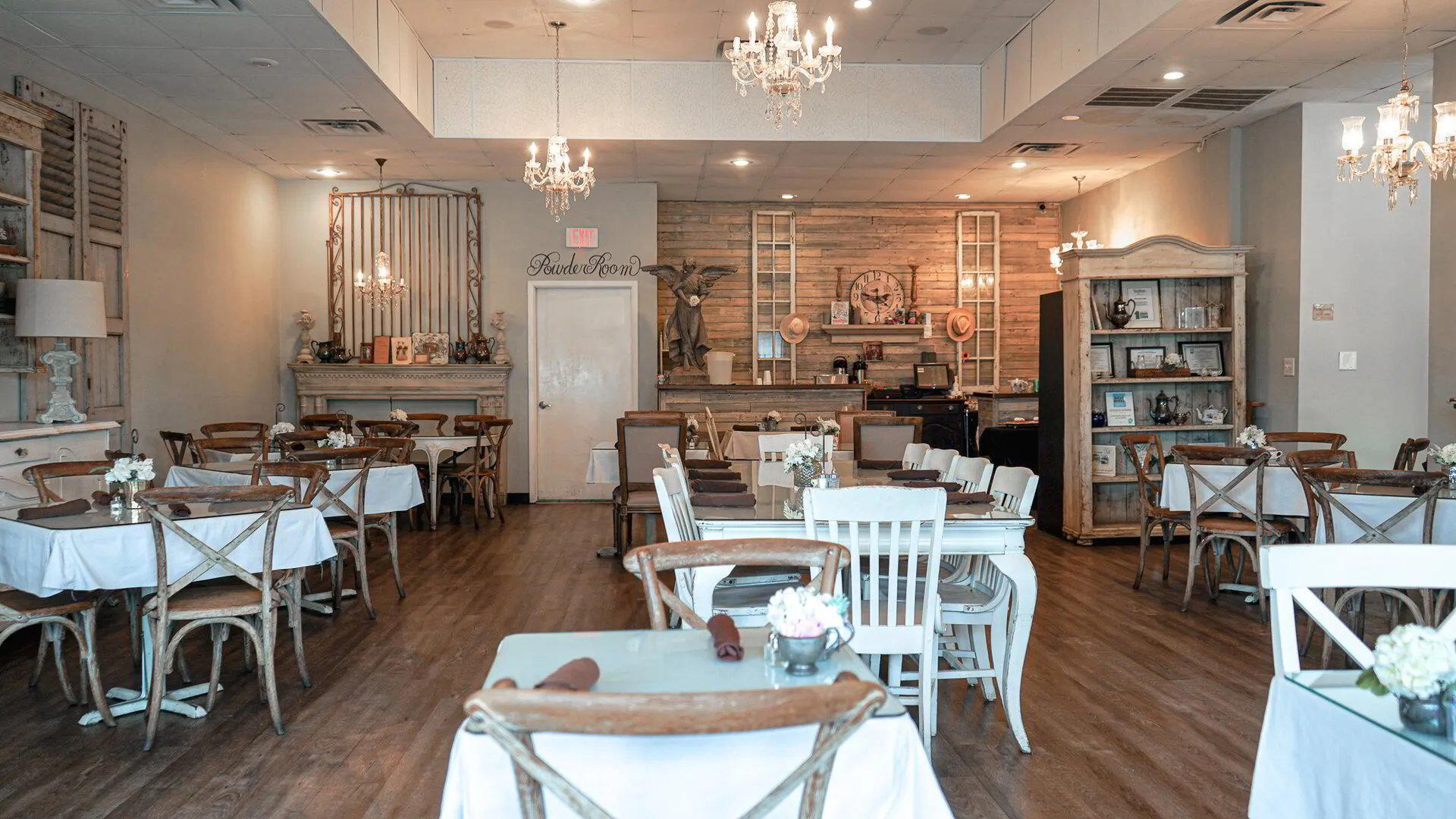
The farm-to-table format in a landlocked suburban setting requires a particular kind of commitment to sourcing. Texas has a developed network of small producers, particularly in the Hill Country and along the Red River corridor, and restaurants in this category tend to lean on those relationships to give their menus regional grounding. The appeal for a diner choosing between Field & Vine and a more conventional option in the Plano dining scene, such as the steak-forward Bavette Grill or the approachable brunch format of Chocolate Angel Cafe & Tea Room, is the sense that the menu is genuinely responsive to what is available rather than fixed to a corporate calendar.
Diners who follow the farm-and-vine category across American cities will recognize the tradeoffs. Menus in this format change frequently, which means repeat visits rarely produce the same experience twice. Wine lists tend to favor smaller producers, often with a bias toward natural or low-intervention wines that align philosophically with the sourcing approach on the food side. The booking experience often reflects this: demand tends to exceed capacity at well-regarded independent restaurants in this category, and Plano diners looking at Field & Vine should plan accordingly rather than treating it as a walk-in option.
Planning Your Visit: Booking and Timing
Farm-to-table concepts at the independent end of the market typically run smaller dining rooms, which creates a structural supply constraint. Nationally, the most sought-after restaurants in this format, from Lazy Bear in San Francisco to Smyth in Chicago, book out weeks to months in advance, and the same pressure applies, proportionally, at the Plano level when a restaurant earns a local following.
For Field & Vine, the practical advice is to check current booking availability through the restaurant's direct channels before making other plans around a visit. Independent restaurants of this type frequently use reservation platforms that release tables on a rolling basis, and mid-week dates almost always carry better availability than Friday or Saturday evenings. The Plano dining scene has enough depth, with options like CraftWay Kitchen Plano offering alternatives in a comparable quality bracket, that a flexible approach to day and time will serve you better than committing to a specific Saturday and finding the room full.
The Broader Context: Farm-and-Vine Dining in American Cities
What Field & Vine represents in Plano connects to a wider shift in how American diners at the premium independent tier choose where to spend. The format that once felt like a Northern California specialty, associated with restaurants such as The French Laundry in Napa and anchored to the agricultural richness of that region, has migrated into urban and suburban markets across the country. In cities without a natural agricultural hinterland, this has required restaurants to build and maintain supplier networks more deliberately.
The strongest examples of this migration nationally include Providence in Los Angeles, which built a seafood-led tasting format around rigorous sourcing, and Addison in San Diego, which maintains a California ingredient focus. At the more experiential end of the spectrum, Le Bernardin in New York City and Atomix in New York City demonstrate how deeply a sourcing philosophy can be embedded into a formal dining format. Emeril's in New Orleans and The Inn at Little Washington in Washington show how regional identity can anchor a restaurant's program over decades. Internationally, Atelier Moessmer Norbert Niederkofler in Brunico demonstrates how rigorous the Alpine-produce sourcing approach can become when applied at the highest level.
Field & Vine operates in a different tier from these reference points, but it draws on the same underlying logic: that the quality of ingredients, the specificity of sourcing, and the alignment between kitchen and wine program produce a more coherent experience than a menu built around broad appeal and year-round consistency.
What to Know Before You Go
The practical checklist for a restaurant in this category is short but consequential. Confirm availability early, particularly if you are traveling to Plano from elsewhere in the DFW area and building other plans around the reservation. Communicate any dietary restrictions at the time of booking rather than on arrival.
The Plano independent dining scene has grown enough that a single visit can anchor a longer evening across the neighborhood. The venues listed in our Plano guide provide options at different price points and formats, so building a plan around Field & Vine rather than treating it as a standalone destination will give you more flexibility on the night.
Side-by-Side Snapshot
Comparable venues nearby, for context on price, style, and recognition.
| Venue | Cuisine | Price | Awards | Notes |
|---|---|---|---|---|
| Field & VineThis venue — the venue you are viewing | Modern Gastropub | $$$ | , | |
| CraftWay Kitchen Plano | Modern American Gastropub | $$ | , | Preston Road |
| Chocolate Angel Cafe & Tea Room | American Tea Room | $$ | , | High Street |
| Sea Breeze Fish Market & Grill | Dining | $$ | , | Lakeside Market |
| Kuppanna | South Indian | $$ | , | Plano |
| Bavette Grill | Modern American Steakhouse | $$$ | , | Granite Park |
Continue exploring
More in Plano
Restaurants in Plano
Browse all →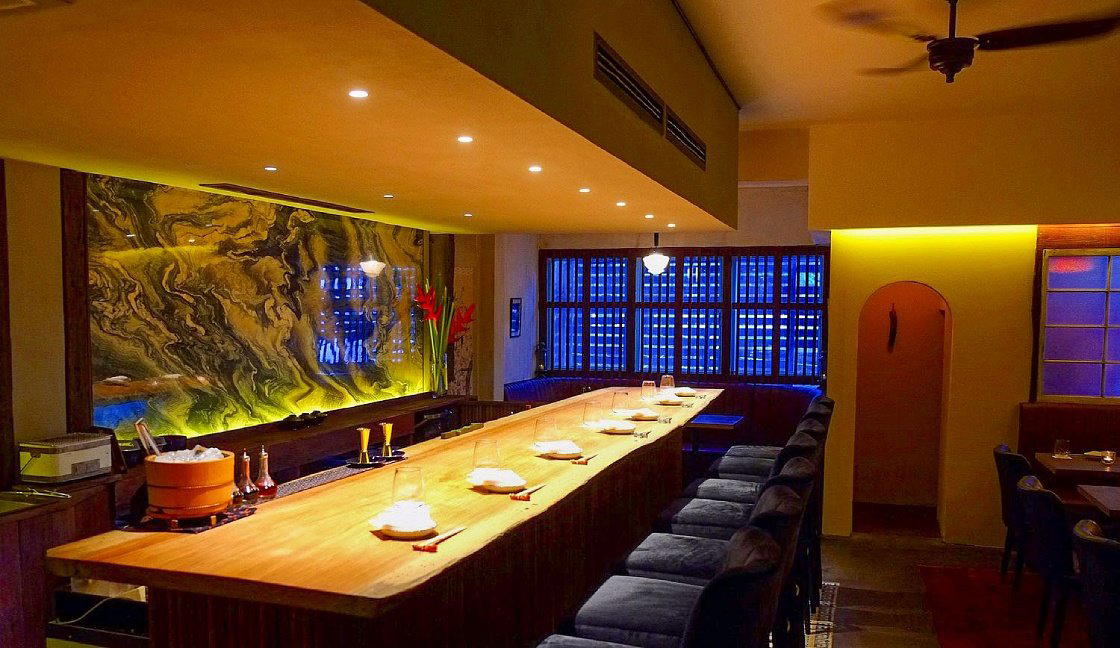
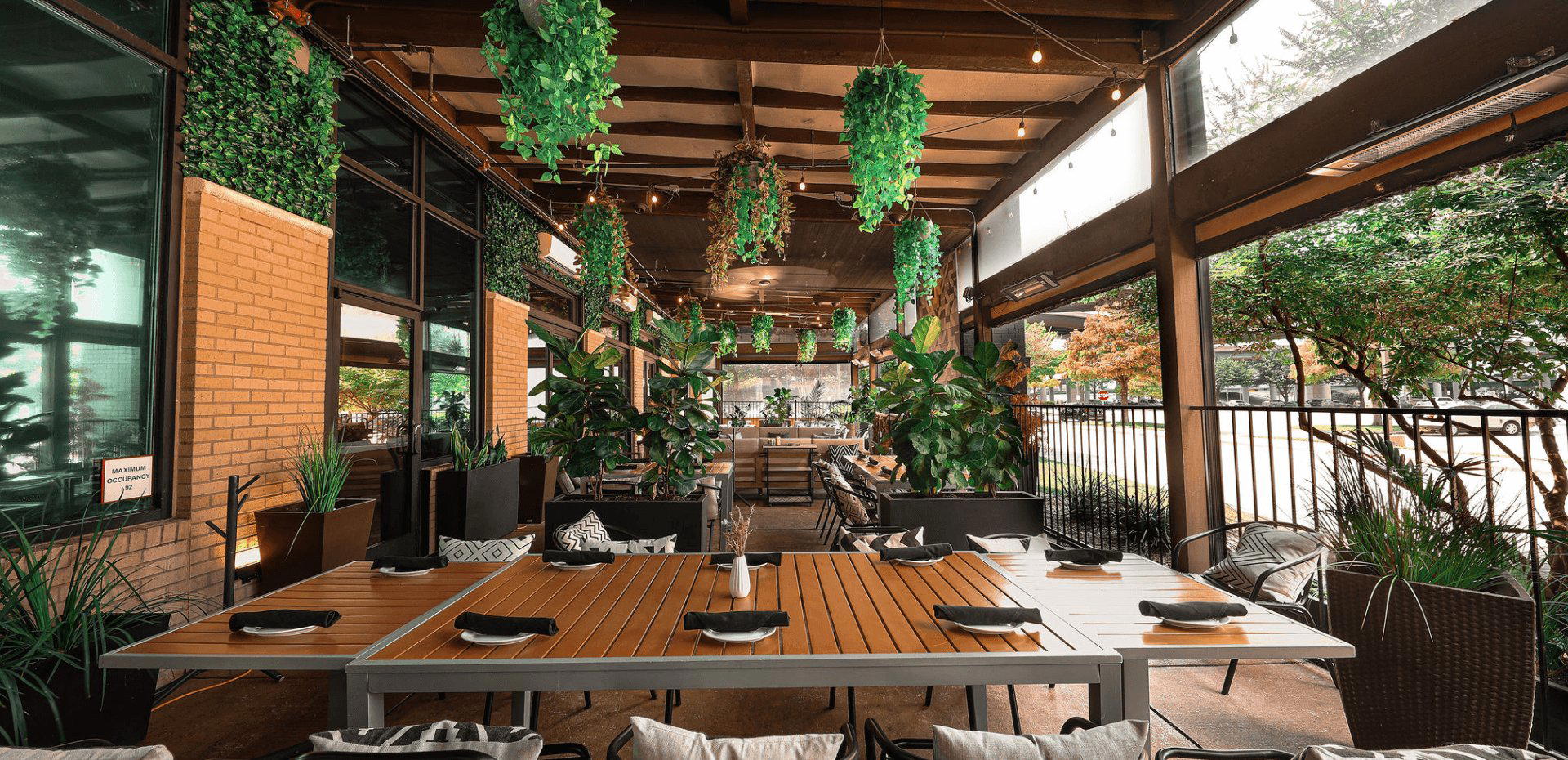
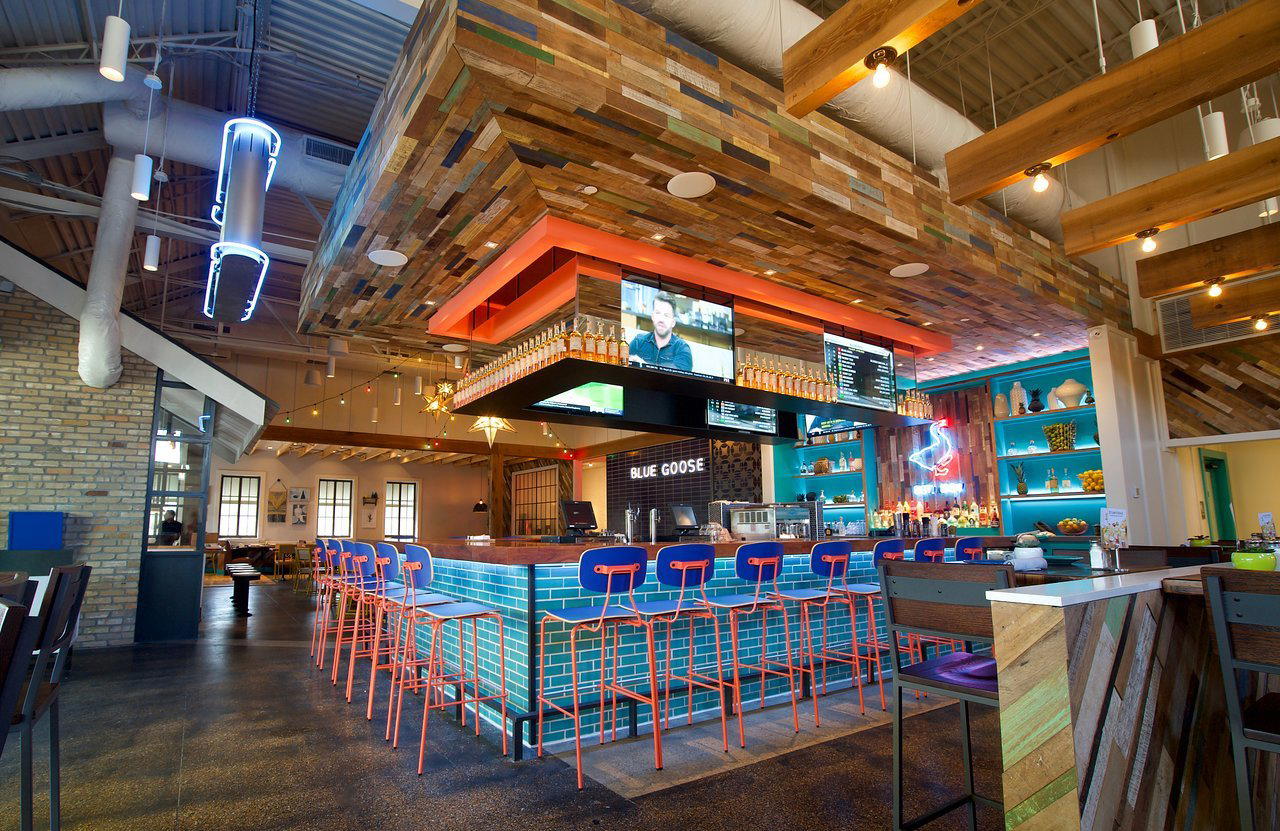
Bars in Plano
Browse all →
Hotels in Plano
Browse all →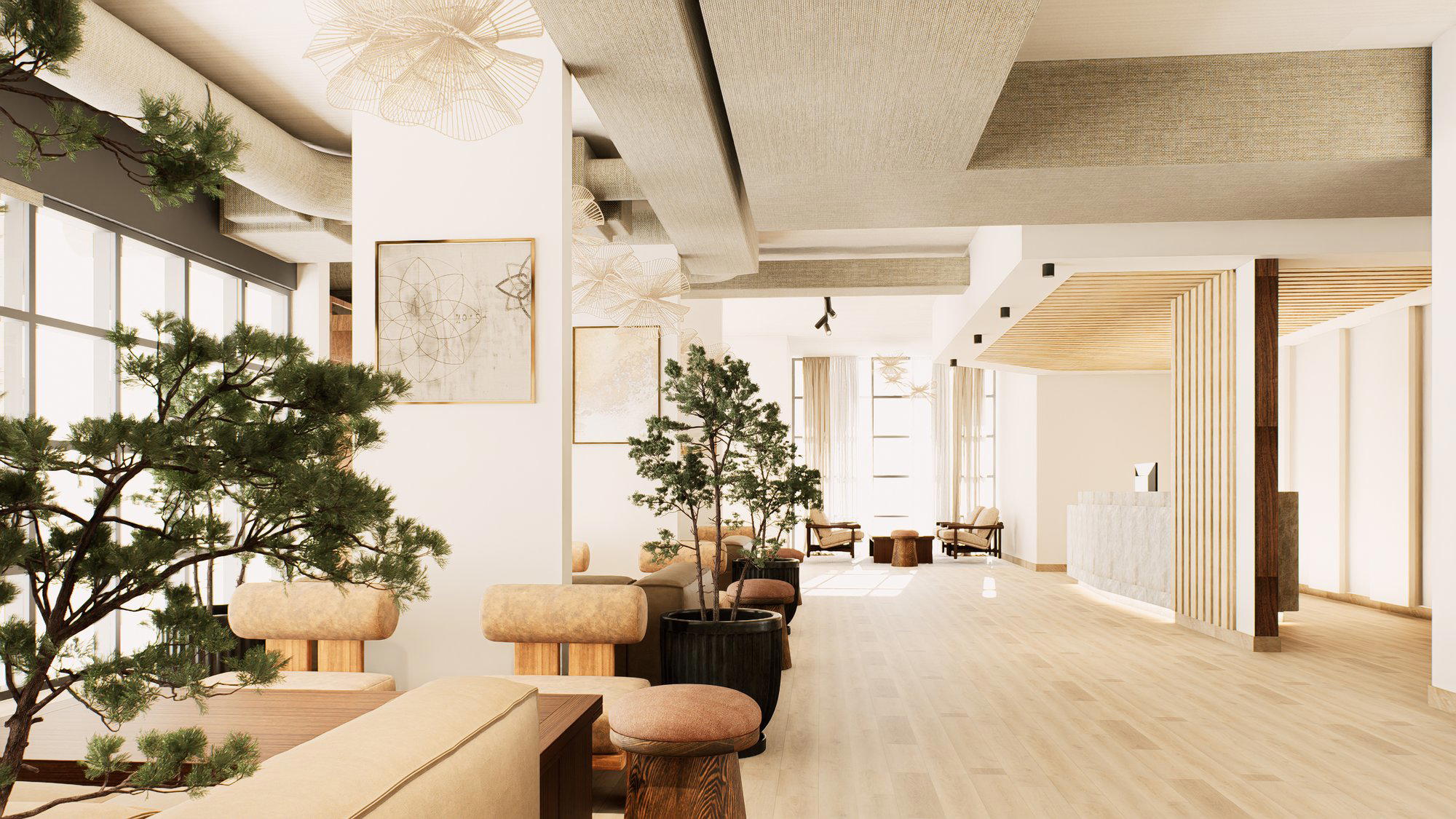
At a Glance
- Elegant
- Modern
- Sophisticated
- Date Night
- Business Dinner
- Open Kitchen
- Craft Cocktails
Beautifully designed room with floor-to-ceiling windows, sleek wooden floors, and elegant decor creating an upscale-casual atmosphere.