
Kunshō on Xianyue Road brings Argentinian chef Agustín Balbi's first Fujian venture to Xiamen, pairing European and Japanese technique with quality local ingredients inside a space that plays deliberately with light and shadow. The tasting menu moves between global reference points and local rootedness, from caviar-topped tuna tartare to a caldoso rice that traces back to the chef's family table.
Pearl is the En Primeur Club membership app — saves, bookings, and concierge access live there. Same editors, same standards.
- Address
- 625 Xianyue Rd, Si Ming Qu, Xiamen, Fujian, China, 361012
- Phone
- +86 592 510 8790
- Directions
- Get directions
 Saves & bookings on Pearl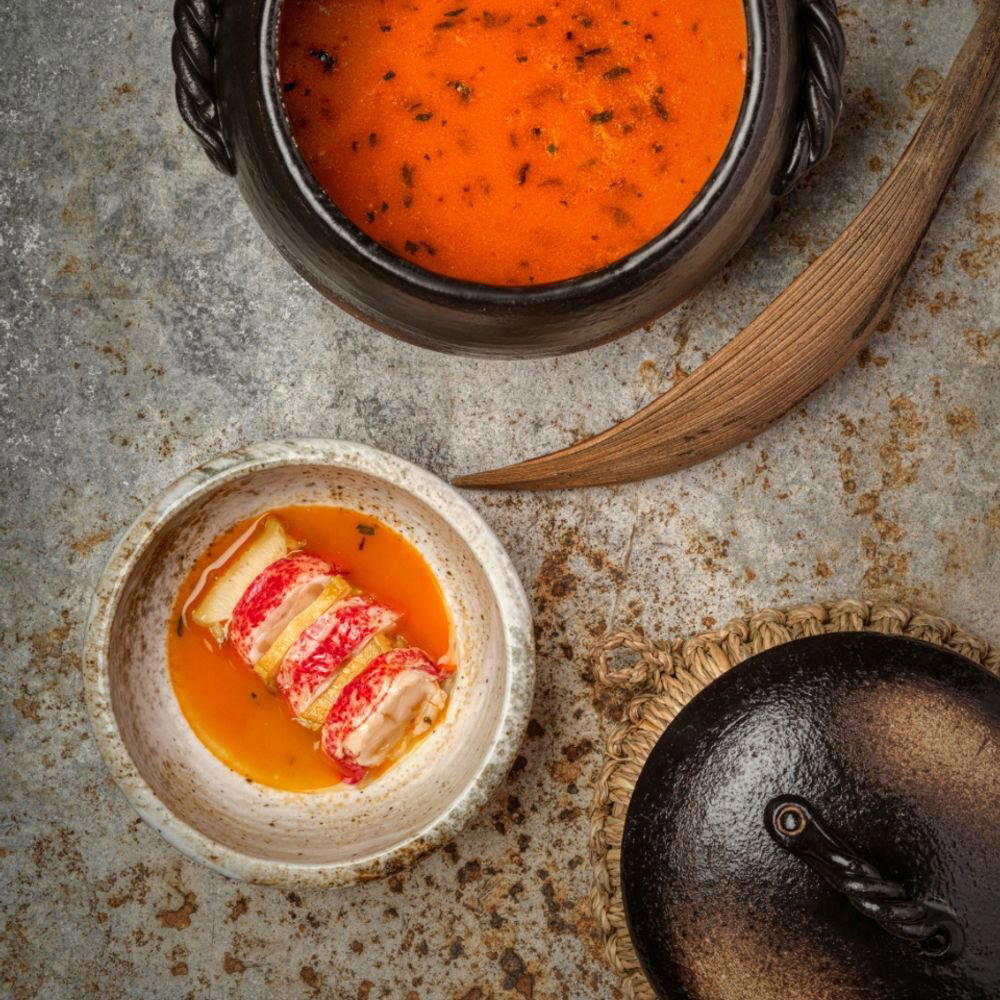
Where Fujian Ingredients Meet a Cross-Continental Kitchen
Xiamen's dining scene has long occupied an interesting position in China's food geography. As the coastal gateway of Fujian province, the city draws on one of China's most technically sophisticated regional traditions, Hokkien cooking, with its precision broths, seafood-forward palate, and careful respect for ingredient quality. That foundation has made it more receptive than most Chinese cities to ambitious cross-cultural cooking, where a chef's sourcing instincts and Fujian's ingredient depth can meet on equal terms. Venues like Hokklo and Yanyu (Jiahe Road) demonstrate how serious Xiamen restaurants can be about working within and around the Fujian tradition. Kunshō positions itself inside that conversation, though it arrives from an entirely different direction.
The address, 625 Xianyue Road, in the Si Ming district, places it within reach of the city's dining corridor, away from the tourist-heavy Gulangyu circuit. Getting there is direct by taxi or ride-hail, and the location rewards visitors who have already oriented themselves around Xiamen's residential and commercial core rather than its postcard geography. Bookings at a tasting-menu counter of this format are worth securing in advance.
The Space: Light, Shadow, and Material Intention
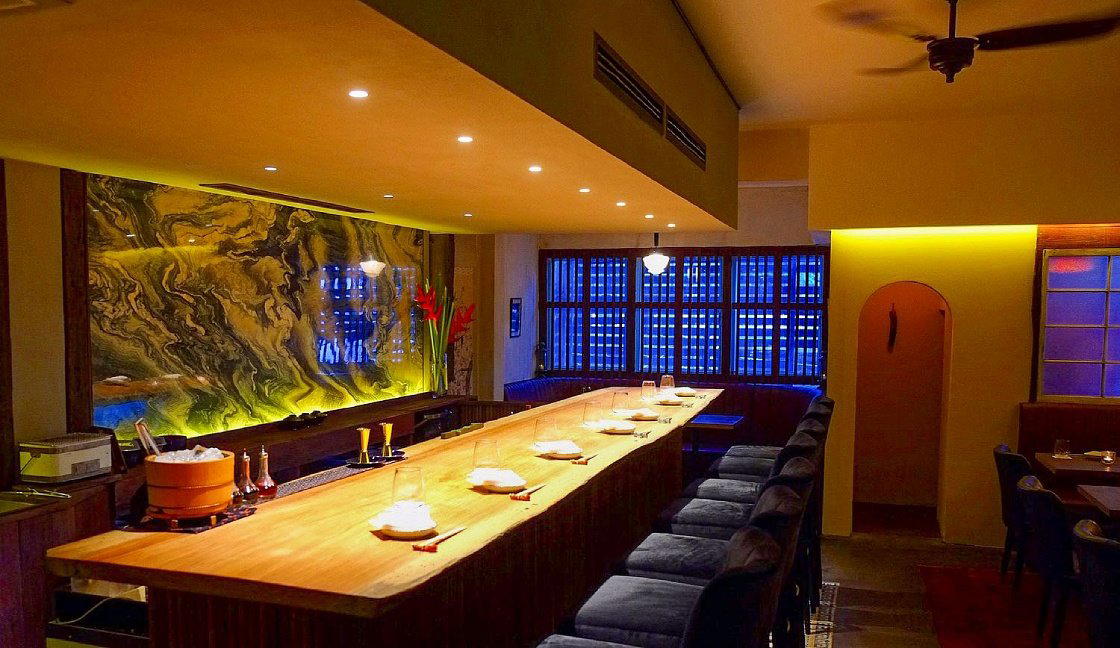
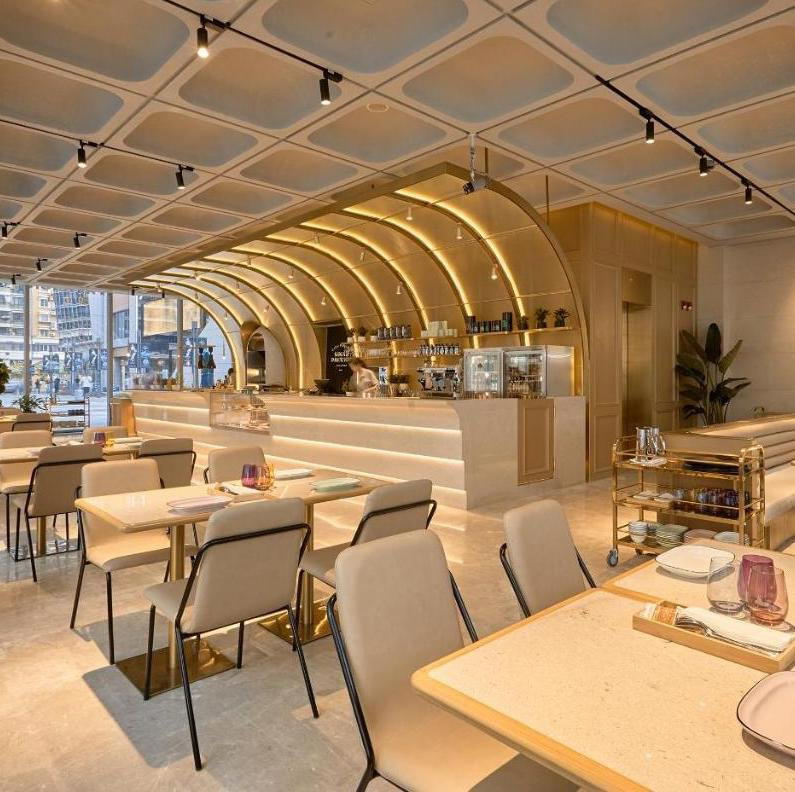
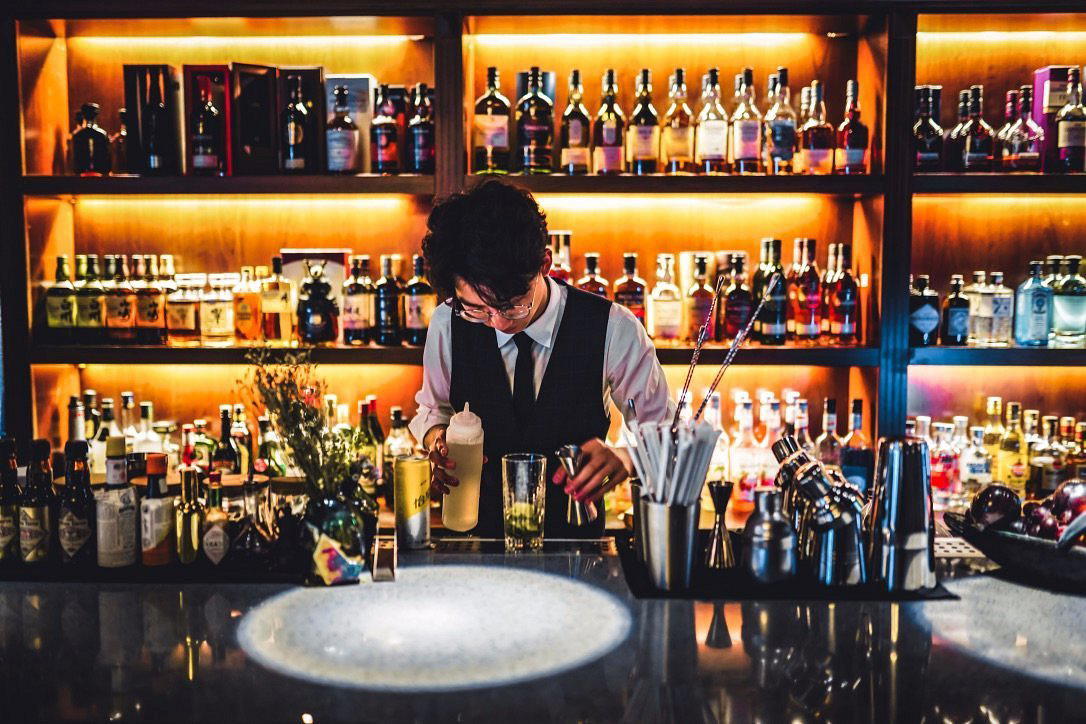
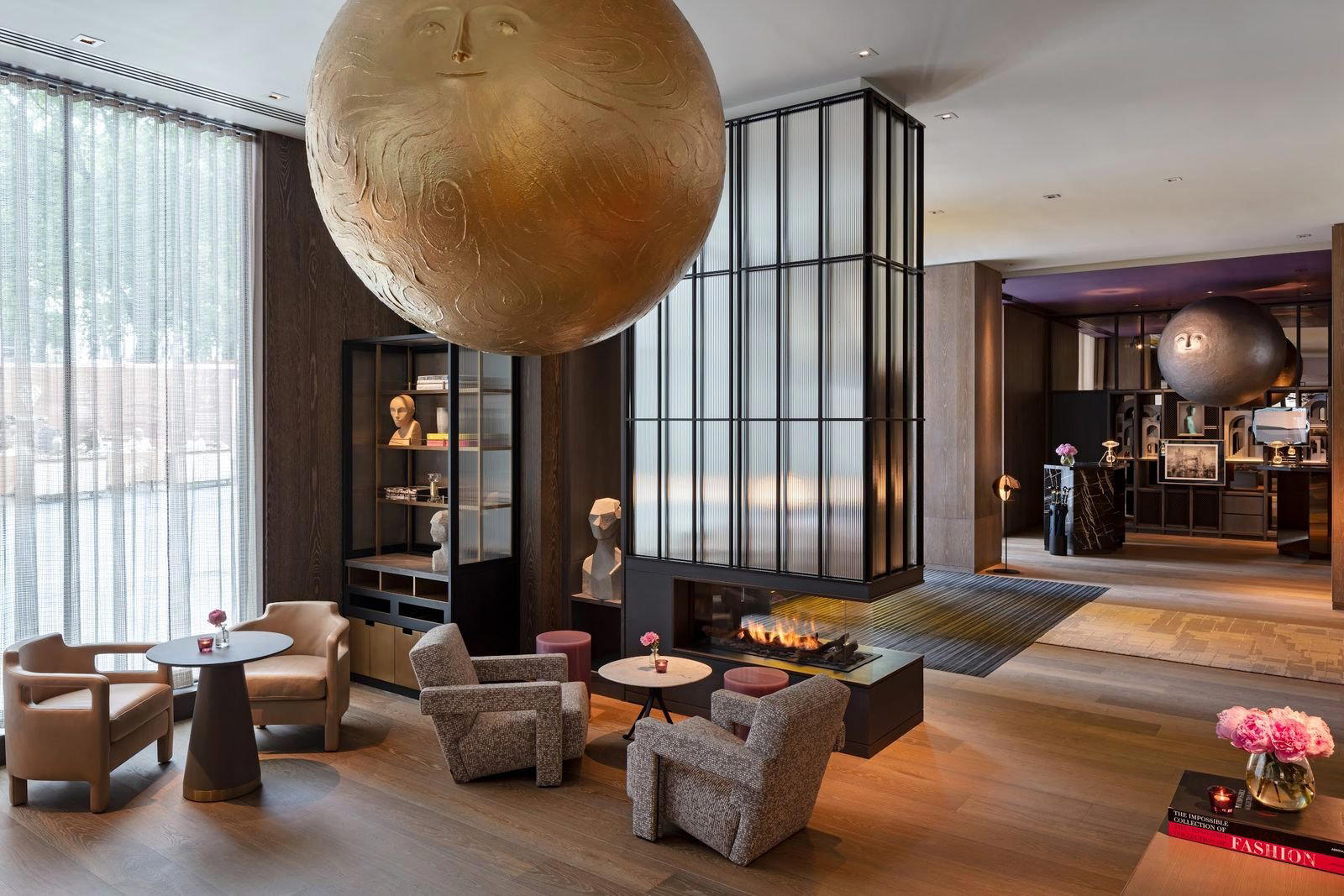
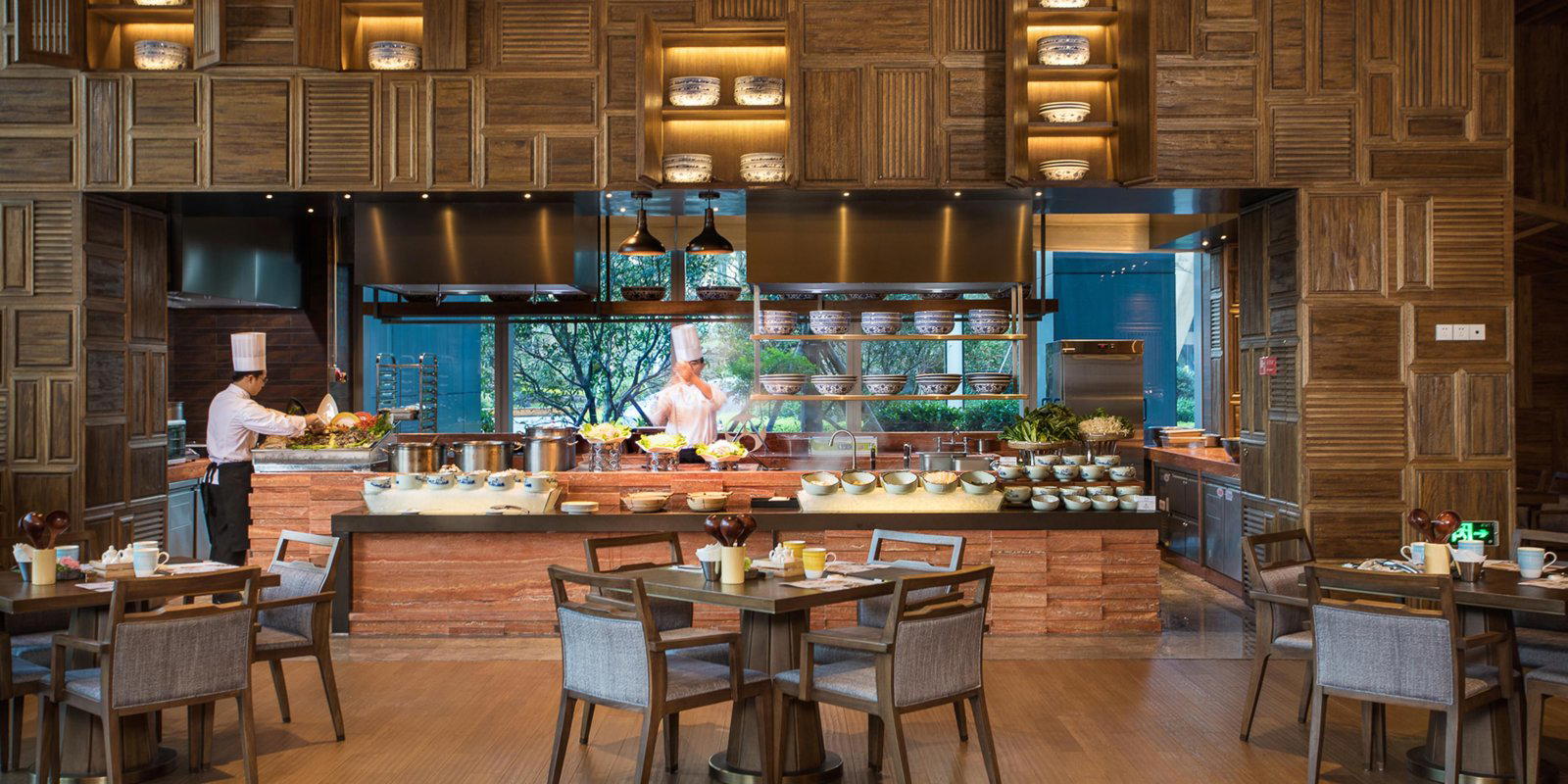
The design at Kunshō makes a deliberate statement about how a restaurant interior can frame what happens on the plate. The room is constructed around a play of light and shadow, not decorative mood lighting in the hospitality-industry sense, but a considered formal contrast that sets the space apart from both the spare minimalism of Japanese counter restaurants and the heavy classical registers of traditional Chinese fine dining. It occupies an architectural middle ground: modern materials read through a classical sensibility, the kind of balance that, in other cities, tends to signal a kitchen with equally hybrid ambitions.
That design logic extends to the menu. In cities with well-developed fine dining ecosystems, think the cross-cultural precision at Atomix in New York, or the French-rooted seafood seriousness of Le Bernardin, the conversation between a chef's training and a local ingredient base has become one of the defining formal tensions of contemporary restaurant cooking. Kunshō plants that same tension in Xiamen's Fujian context, with an Argentinian chef drawing on European and Japanese technique to interpret quality local ingredients.
The Menu: Sourcing Logic and Technique in Dialogue
The tasting menu at Kunshō is structured around quality local sourcing as the base, with technique and flavour architecture arriving from outside the regional tradition. This is rigorous attention to ingredient provenance, with a format that gives the kitchen room to make a complete argument across multiple courses.
Two dishes from the current menu illustrate the approach clearly. A tuna tartare arrives with garlic mayo, paprika foam, and puffed rice, then is topped with ten-year-old caviar, a construction that brings South American flavour memory (paprika, the acidic brightness of tartare preparation) into dialogue with Japanese texture discipline and the particular luxury signalling of aged caviar. The caviar detail matters not just for its prestige value but as a sourcing signal: ten-year-old caviar from a quality producer requires supply chain relationships and a kitchen committed to ingredient specificity over convenience.
The second signature, a caldoso rice, is the more personally rooted dish, a reference to the chef's grandmother's table, translated into a restaurant context. Caldoso is the Spanish and Argentinian tradition of brothy rice, looser than a risotto and more liquid than a pilaf, and its presence on a tasting menu in Fujian does something interesting: it connects to Fujian's own deep rice and congee culture (the province is home to serious rice cooking, as places like A Zhong Shi Fang demonstrate) while arriving from a completely different culinary genealogy. The overlap is not forced; it exists because rice, cooked with patience and quality stock, reads across traditions.
Sourcing, Local Ingredients, and the Sustainability Frame
The menu's emphasis on quality local ingredients reflects a sourcing philosophy that treats Fujian's coastal and agricultural produce as the starting point for every dish, not as a regional curiosity to be incorporated for local appeal. This approach has a practical sustainability dimension. Fujian's seafood supply chain, when sourced responsibly, connects to one of China's most developed aquaculture and fishing regions. A kitchen that builds its menu around local ingredient quality is, by structural logic, reducing the import dependency and long-haul freight footprint that tends to inflate the environmental cost of European-style fine dining in Asian cities.
Use of European and Japanese technique without defaulting to European and Japanese ingredient imports is a meaningful distinction. At restaurants like Xin Rong Ji in Beijing or Xin Rong Ji in Chengdu, the argument for premium Chinese ingredient sourcing has been made at scale. Kunshō makes a parallel argument at the level of a cross-cultural tasting menu, where the chef's non-Chinese background actually sharpens the editorial point: the local ingredients are good enough to anchor serious fine dining on their own terms, without supplementary imports for credibility.
For Xiamen specifically, that matters. The city's food culture, from the Chao Zhou heritage at Fleurs Et Festin to the Fujian roots at 1927 Dong Yuan Si Chu, has always placed regional ingredient integrity at its centre. A contemporary fine dining project that respects that value rather than overriding it sits more comfortably in the city's dining ecology.
Where Kunshō Sits in Xiamen's Fine Dining Tier
Xiamen is not Shanghai or Beijing in terms of fine dining infrastructure, but it is also not a secondary city in terms of ingredient quality or culinary ambition. The Fujian tradition has been producing technically serious restaurant cooking for decades, and venues operating at the tasting-menu level here compete on sourcing, technique, and format against a comparable set that includes serious regional operators across China's coastal provinces. Kunshō enters that conversation as a debut project rather than a satellite of an established brand, which places more of the critical weight on the kitchen's consistency over time.
Comparable cross-cultural fine dining ambitions in mainland China's second-tier coastal cities, see 102 House in Shanghai or Imperial Treasure Fine Chinese Cuisine in Guangzhou for different points on that spectrum, suggest that the market for this kind of cooking is growing but remains concentrated around cities with established international dining cultures. Xiamen, with its historic openness to outside influence and its proximity to Taiwan's equally hybrid food scene, is a plausible home for what Kunshō is attempting.
Planning Your Visit
Kunshō operates a structured tasting menu format, which means the kitchen sets the pace and the sequence. It is designed for guests who want to sit with a complete menu rather than a selection of dishes. Advance booking is the only sensible approach. The Si Ming district location is accessible by Xiamen's metro system or by taxi, and the address on Xianyue Road sits in a part of the city that rewards a broader evening rather than just a restaurant stop.
Reputation First
Comparable venues nearby, for context on price, style, and recognition.
| Venue | Cuisine | Price | Awards | Notes |
|---|---|---|---|---|
| KunshōThis venue — the venue you are viewing | Modern Innovative Fusion | $$$$ | Michelin Plate | Not listed |
| RAN THE CHEF'S TABLE | Modern Fusion Chef's Table | $$$$ | Not listed | Bailuzhou |
| Lucheng | Modern Fujian & Cantonese | $$$ | Michelin Plate | Siming |
| Chef Kang's | Cantonese and Chaozhou Classics | $$$ | Michelin Plate | Siming |
| Xing Wang Seafood · Rongting Hui (Siming) | Seafood | $$$ | Michelin Plate | Not listed |
| Yin Lu | Chinese | $$$ | Michelin Plate | Not listed |
Recognition history
Dated appearances from independent guides and award organizations, with the underlying list record or original source where available.
Michelin Plate
Michelin
Continue exploring
More in Xiamen
Restaurants in Xiamen
Browse all →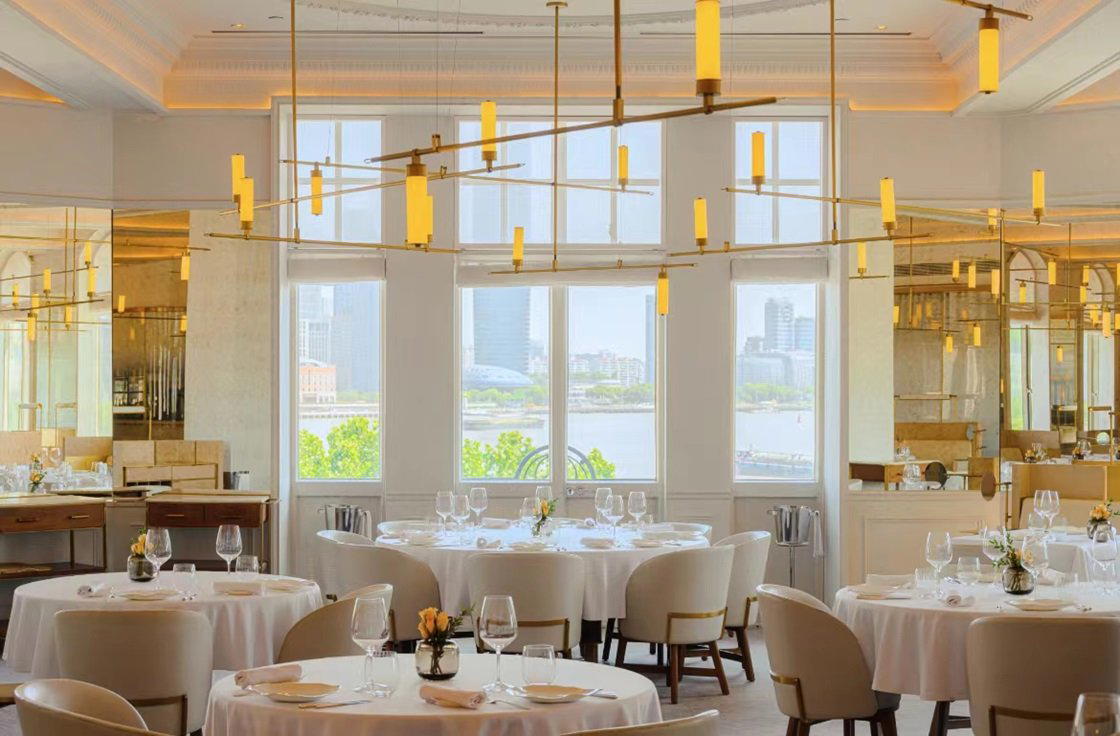



At a Glance
- Modern
- Classic
- Elegant
- Sophisticated
- Special Occasion
- Date Night
- Design Destination
- Local Sourcing
Current opening hours
- Monday
- 10 AM–10 PM
- Tuesday
- 10 AM–10 PM
- Wednesday
- 10 AM–10 PM
- Thursday
- 10 AM–10 PM
- Friday
- 10 AM–10 PM
- Saturday
- 10 AM–10 PM
- Sunday
- 10 AM–10 PM
Hours can change for holidays and private events. Last verified .
Clever play on light and shadow melding modern and classic