
Tabelog 100 #70
Our verdict
A registered tangible cultural property changes the terms of Japanese dining in Saitama: the room matters as much as the cooking category. Kuni Toroku Bunkazai Nikiya sits in the higher end of the local Japanese-cuisine bracket, with Tabelog 100 Japanese cuisine EAST recognition in 2025 and a format that suits private-room meals, family occasions, and measured kaiseki rather than quick dining.

Pearl is the En Primeur Club membership app, where members save venues, book tables and use the concierge.
The menu
What to order
- Nozaki wagyu kaiseki course
- Kagoshima kuroge wagyu kaiseki
- Seasonal five-festival kaiseki
Approach the dining rooms here and the first signal is architectural rather than purely culinary. Saitama’s restaurant scene often gets read as a practical extension of Tokyo’s commuter belt, but a meal at Kuni Toroku Bunkazai Nikiya changes the pace. The experience is framed less by the compact counter culture that dominates much of the capital’s high-end dining conversation and more by the slower expectations of formal Japanese entertaining.
That setting matters because Japanese cuisine outside central Tokyo is judged by a different set of pressures. In central Tokyo, the premium bracket often narrows around counter seats, chef proximity and reservation scarcity. In Saitama, the stronger local proposition is frequently space, calm and suitability for meals planned around groups, families, business occasions and longer lunches. Kuni Toroku Bunkazai Nikiya fits that pattern, but with a higher recognition signal than the usual occasion restaurant. Its Tabelog Hyakumeiten recognition in 2025 places it inside a curated field rather than merely the neighbourhood special-occasion tier.
A cultural-property setting changes the rhythm of Japanese dining in Saitama
The cultural-property frame gives the meal a degree of ceremony before the first course arrives. This is not the language of anonymous luxury; it is a Japanese restaurant format where rooms, pacing and hospitality become part of the argument. For travellers used to Tokyo’s small counters, the contrast is instructive. The appeal is not speed, theatrical knife work or a single chef’s biography. It is the older social function of Japanese restaurants: a controlled environment for hospitality, privacy and seasonal cooking.
The category mix also tells a broader story about suburban Japanese dining at the premium end. Japanese cuisine is the anchor, with steak and shabu shabu also part of the restaurant’s classification. That combination makes sense in a city where occasion dining often needs to satisfy different generations at the same table. The listed categories are broad rather than narrowly specialist, which helps explain why the restaurant works as a planned-meal address rather than a quick-stop counter.
Compared with Saitama peers in the supplied local set, the restaurant occupies a more formal tier. Acacier Kitaurawa honten speaks to the city’s pastry and café-side habits, while other Saitama dining rooms map more casual local circuits. The useful comparison is not that one category beats another; it is that Saitama rewards both daily neighbourhood specialists and formal rooms designed for longer meals. Nikiya belongs firmly to the latter.
The food works as occasion cuisine, not chef-counter theatre
In Japan, Japanese dining outside the capital’s densest luxury districts often succeeds when it understands occasion. Kuni Toroku Bunkazai Nikiya’s listed categories, Japanese cuisine, steak and shabu shabu, point to a restaurant built for planned meals rather than spontaneous solo dining. That format affects expectations. Diners should look for measured pacing, room comfort and a menu structure broad enough to support group decision-making, rather than the narrow intensity of an omakase counter.
The Tabelog score of 3.70 gives a useful calibration point. On that platform, scores above the mid-threes can signal serious local traction, especially for traditional Japanese restaurants outside the central Tokyo media circuit. The 2025 Tabelog Hyakumeiten recognition is the stronger trust marker: it places the restaurant among recognised Japanese-cuisine addresses. For a Saitama venue, that recognition gives the restaurant a clearer signal than reputation alone.
The room also affects who should prioritise it. Travellers chasing the tightest Tokyo-style counter experience may find Saitama’s formal-house format less immediate. Diners planning a family meal, a business lunch, or a dinner where privacy and architecture carry weight will understand the logic faster. That is the editorial case here: the restaurant is not trying to mimic the capital’s small-seat prestige economy. It uses Saitama’s calmer setting and cultural-property identity to offer a different version of Japanese dining seriousness.
How to place it within a Saitama itinerary
Saitama rewards slower planning than a single-stop detour. The city has enough depth to pair a formal Japanese meal with lighter daytime stops, particularly if the itinerary includes pastry, casual cafés or local shopping. For a wider read on the city’s dining spread, use Our full Saitama restaurants guide; for trip structure beyond the table, see Our full Saitama hotels guide, Our full Saitama bars guide, Our full Saitama wineries guide and Our full Saitama experiences guide.
For readers building a broader Japan food route, the contrast with other regional formats is useful. Beef-focused meals, city izakaya-style grilling, casual urban cafés, curry specialists and other local Japanese dining formats show how sharply format changes the meal. Even overseas Japanese-adjacent planning makes the same point: the category label tells only part of the story. At Nikiya, place and room are not decorative extras. They are the reason to choose it over a faster, tighter, more urban meal.
Frequently asked questions
What's the overall feel of Kuni Toroku Bunkazai Nikiya?
It reads as a formal Japanese restaurant shaped by its cultural-property identity in Saitama. The experience is best understood as planned occasion dining rather than a quick counter-style meal.
What's the pricing like at Kuni Toroku Bunkazai Nikiya?
Pricing at Kuni Toroku Bunkazai Nikiya is listed as Dinner: JPY 10,000 - JPY 14,999; Lunch: JPY 4,000 - JPY 4,999.
When is Kuni Toroku Bunkazai Nikiya open?
Check directly with Kuni Toroku Bunkazai Nikiya for current opening hours before visiting.
Where is Kuni Toroku Bunkazai Nikiya in Saitama?
Saitama.
What's the signature at Kuni Toroku Bunkazai Nikiya?
The clearest calling card is its Japanese cuisine category, with steak and shabu shabu also listed. The venue's Tabelog Hyakumeiten 2025 recognition gives that focus additional weight.
The Short List
Comparable venues by cuisine and price in the same metro.
| Venue | Cuisine | Price | Awards | Notes |
|---|---|---|---|---|
| Kuni Toroku Bunkazai NikiyaThis venue (the venue you are viewing) | Seasonal Wagyu-Focused Kaiseki in Historic Japanese House | $50–100 | Tabelog 100 #70 | Not listed |
| Acacier Kitaurawa honten | French-style patisserie & cafe | $10–20 | Tabelog 100 #93 | JPY 1,000 - JPY 1,999 |
| Inakaya Irori | Traditional Japanese Izakaya with Irori Hearth | Not listed | Tabelog 100 #69 | JPY 5,000 - JPY 5,999 |
| goden | Ramen & Tsukemen | $10–20 | Tabelog 100 #81 | JPY 999 - JPY 999 |
| Ramen Kanekatsu | Ramen & Tsukemen Shop | $10–20 | Tabelog 100 #9 | JPY 1,000 - JPY 1,999 |
| Wataya | Traditional Izakaya & Sake Bar | $50–100 | Tabelog 100 #84 | JPY 6,000 - JPY 7,999 JPY 3,000 - JPY 3,999 |
Recognition history
Dated appearances from independent guides and award organizations, with the underlying list record or original source where available.
Tabelog 100 #70 · No. 70
Tabelog · Tabelog 100 - Japanese cuisine - EAST - 2025
Continue exploring
More in Saitama
Restaurants in Saitama
All restaurants in Saitama →



Bars in Saitama
Browse all →







Details
- Elegant
- Classic
- Romantic
- Intimate
- Special Occasion
- Celebration
- Business Dinner
- Family
- Group Dining
- Date Night
- Private Dining
- Historic Building
- Standalone
- Sake Program
- Local Sourcing
- Tasting Menu
- Set Menu
- Sake
- Beer
- Wine
- Pescatarian Friendly
Current opening hours
- Monday
- 11 AM–3:10 PM, 5:30–10 PM
- Tuesday
- 11 AM–3:10 PM, 5:30–10 PM
- Wednesday
- 11 AM–3:10 PM, 5:30–10 PM
- Thursday
- 11 AM–3:10 PM, 5:30–10 PM
- Friday
- 11 AM–3:10 PM, 5:30–10 PM
- Saturday
- 11:30 AM–3:10 PM, 5:30–10 PM
- Sunday
- 11:30 AM–3:10 PM, 5:30–10 PM
Hours can change for holidays and private events. Hours as of .
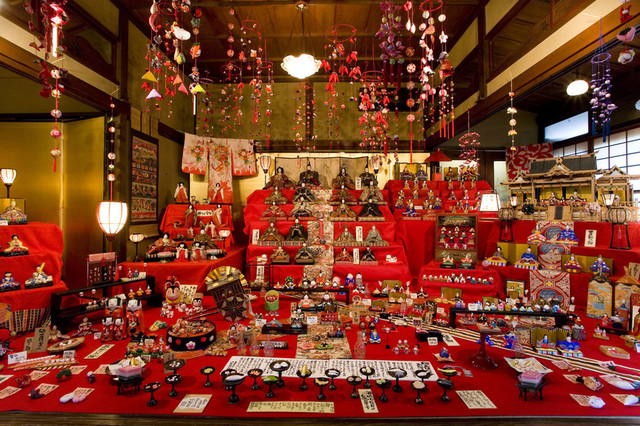
Refined and traditional, set in an old Japanese residence with carefully arranged seasonal and festival decorations; multi-course meals unfold at a leisurely pace in private and semi-private rooms, creating a calm, formal atmosphere suited to celebrations and business entertaining.