Kucci Afghanisches Restaurant حلال Halal
On Stühlingerstraße, one of Freiburg's more culturally mixed streets, Kucci serves Afghan cuisine with a halal kitchen at a price point that sits well below the city's fine-dining corridor. For a city whose restaurant scene skews heavily toward regional German and Classic French, an Afghan address represents a distinct gap in the offer. The kitchen draws on a culinary tradition shaped by the Silk Road: lamb, rice, dried fruit, and spice layered with restraint rather than heat.
Pearl is the En Primeur Club membership app — saves, bookings, and concierge access live there. Same editors, same standards.
- Address
- Stühlingerstraße 24, 79106 Freiburg im Breisgau, Germany
- Phone
- +497612927860
- Website
- kucci-freiburg.de
- Directions
- Get directions
 Saves & bookings on Pearl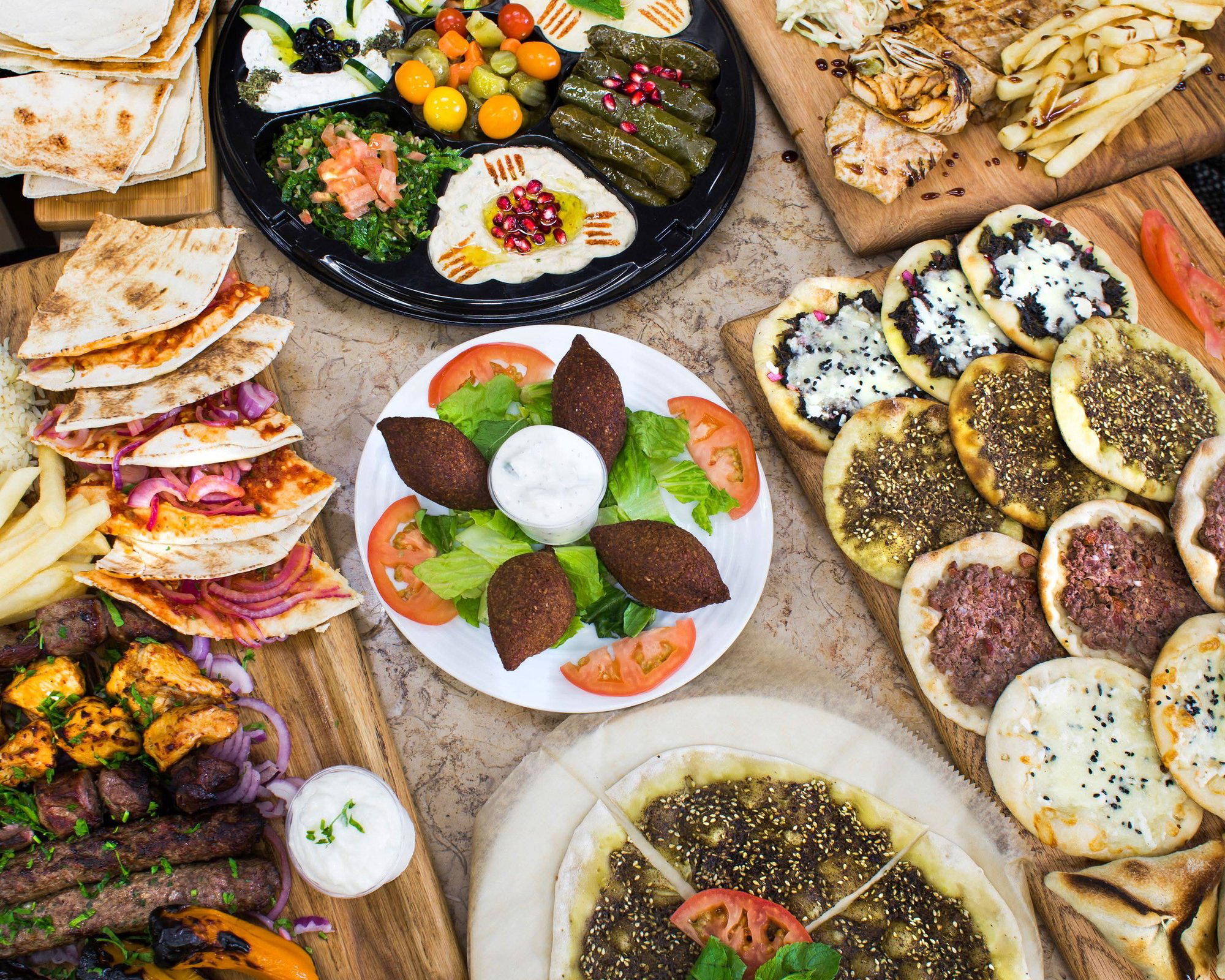
Afghan Food in a City That Rarely Thinks About It
Freiburg's restaurant conversation tends to orbit the same axis: regional Baden cooking, a handful of Italian rooms, and the small cluster of fine-dining addresses that define the city's upper tier. The full Freiburg im Breisgau restaurants guide reflects a scene weighted toward European traditions, where Colombi Restaurant Zirbelstube anchors Classic French at the leading end and Jacobi holds its Innovative position alongside Zur Wolfshöhle and Hawara. Afghan cuisine sits entirely outside that conversation, which is part of what makes Kucci Afghanisches Restaurant حلال Halal worth locating.
The address is Stühlingerstraße 24, in the Stühlinger district immediately west of the main station, a neighbourhood that has historically attracted a more mixed population than Freiburg's tourist centre and carries a different register of everyday life. Walking down Stühlingerstraße, the architecture is functional rather than picturesque, and the food offer reflects that demographic range in a way the old town does not. Kucci sits within that context: a halal Afghan restaurant in a street that has room for it.
What Afghan Cuisine Actually Is
Afghan cooking is one of the more misread culinary traditions in European cities. It is not the same as Persian, not the same as Pakistani, and not reducible to any single regional style from the subcontinent. The cuisine sits at a geographic crossroads that shaped it structurally: the Silk Road ran through Afghan territory for centuries, and the food reflects that position through the way it combines Central Asian rice techniques, Middle Eastern spice sensibilities, and South Asian use of slow-cooked meat.
The foundational dish is qabuli palaw, long-grain rice cooked with lamb, caramelised carrot, and raisins, a preparation that uses dried fruit as a balancing element against fat rather than as a sweetener. Bread traditions run alongside rice: naan in Afghan kitchens is wider and thinner than its South Asian counterpart, cooked against the wall of a clay oven when the kitchen has one, and eaten to scoop rather than to accompany. Lamb is the default protein, appearing in slow braises, grilled preparations, and as the basis for stocks. The spice register favours cardamom, coriander seed, and cumin over chilli heat, which means the food reads as aromatic and layered rather than sharp.
In a German city context, this tradition occupies a gap that neither the Turkish nor the Lebanese kitchens in the same neighbourhoods fully address. The ingredient sourcing questions that matter for Afghan food are mostly about lamb quality, rice variety, and dried fruit, ingredients that travel well and can be sourced to a consistent standard in any European wholesale market. The halal designation at Kucci signals a specific sourcing commitment on the meat side: animals slaughtered according to Islamic method, which in German contexts typically means sourcing through certified halal butchers operating under German food law.
The Halal Designation and What It Signals
Halal certification in German restaurant contexts carries two distinct meanings that are worth separating. The first is religious observance, relevant to Muslim diners for whom it is a dietary requirement. The second is a sourcing and handling signal that functions independently of religious identity. Halal slaughter in Germany must comply with federal animal welfare regulations alongside religious requirements. For diners primarily interested in provenance rather than observance, a halal kitchen at minimum indicates that the meat has not come from anonymous commodity sources.
Afghan restaurants in German cities are not uniformly halal, so the explicit designation at Kucci narrows the sourcing approach and positions it within a specific community of practice. The restaurant's position on Stühlingerstraße means it functions partly as a neighbourhood anchor, not only as a destination for diners from elsewhere in the city.
Placing Kucci in Freiburg's Wider Food Picture
Freiburg's premium dining tier, represented by addresses like Eichhalde at the Italian end of the spectrum, operates in a different register entirely: structured tasting menus, wine pairings, €€€€ price points. Kucci operates below that tier, at a price that makes it accessible on a casual evening rather than a planned occasion. The two tiers are not in competition; they answer different questions for different meals.
On the national scale, German fine dining benchmarks like Aqua in Wolfsburg, JAN in Munich, and Schwarzwaldstube in Baiersbronn represent the award-driven conversation in German restaurants broadly. Further afield, addresses like CODA Dessert Dining in Berlin, Vendôme in Bergisch Gladbach, ES:SENZ in Grassau, Victor's Fine Dining by Christian Bau in Perl, Waldhotel Sonnora in Dreis, Restaurant Haerlin in Hamburg, and Schanz in Piesport define what the country's recognised fine-dining circuit looks like. Internationally, rooms like Le Bernardin in New York City and Atomix in New York City represent the peer conversation at the highest level. None of that is Kucci's market, and framing it that way would misrepresent what the restaurant is for.
What Kucci offers is specificity of culinary tradition in a city that has little of it. Afghan food does not appear in multiple locations across Freiburg, which means that if this is the tradition you are looking for, there are few alternatives to compare it against locally. That scarcity is itself a form of editorial signal.
Planning Your Visit
Kucci Afghanisches Restaurant حلال Halal is located at Stühlingerstraße 24, 79106 Freiburg im Breisgau, accessible on foot from the main station (Freiburg Hauptbahnhof) in under ten minutes, or by tram to the Stühlinger stops on lines serving the western districts. Kucci is open Tuesday through Sunday from 5 to 11 PM and is closed on Monday; reservations are recommended.
Comparison Snapshot
Comparable venues nearby, for context on price, style, and recognition.
| Venue | Cuisine | Price | Awards | Notes |
|---|---|---|---|---|
| Kucci Afghanisches Restaurant حلال HalalThis venue — the venue you are viewing | Traditional Afghan Cuisine | $$ | Not listed | Not listed |
| Zum Löwen | Traditional Baden German | $$ | Not listed | Altstadt |
| Stadt Freiburg Hotel | Modern German | $$$ | Not listed | Freiburg im Breisgau |
| Basho-An | Authentic Japanese Sushi & Washoku | $$ | Michelin Plate | City Center |
| Regional | Regional German Cuisine | $$ | Michelin Plate | Münzingen |
| Löwengrube | Modern Regional Mediterranean | $$$ | Michelin Plate | Old Town |
Continue exploring
More in Freiburg im Breisgau
Restaurants in Freiburg im Breisgau
Browse all →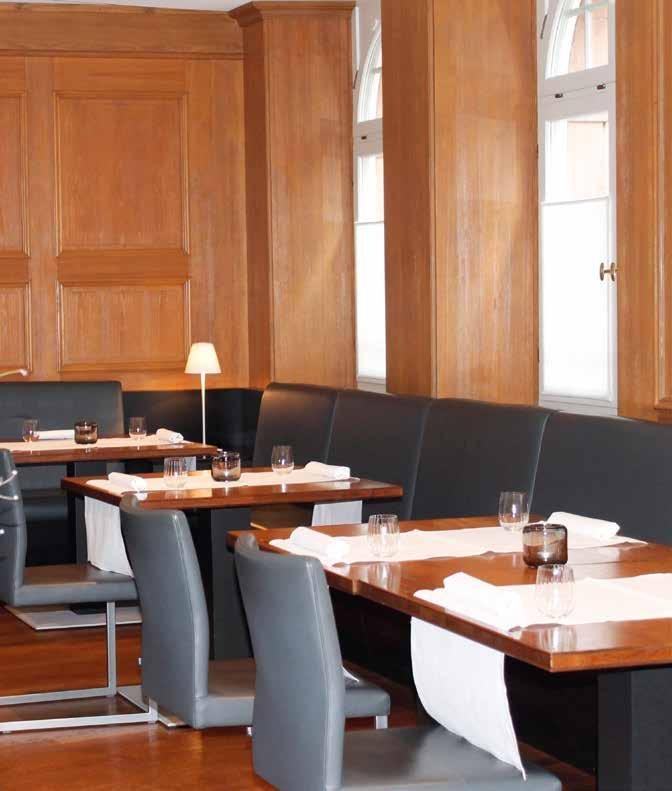
Bars in Freiburg im Breisgau
Browse all →


Hotels in Freiburg im Breisgau
Browse all →

At a Glance
- Cozy
- Rustic
- Family
- Group Dining
- Casual Hangout
- Standalone
Current opening hours
- Monday
- Closed
- Tuesday
- 5–11 PM
- Wednesday
- 5–11 PM
- Thursday
- 5–11 PM
- Friday
- 5–11 PM
- Saturday
- 5–11 PM
- Sunday
- 5–11 PM
Hours can change for holidays and private events. Last verified .
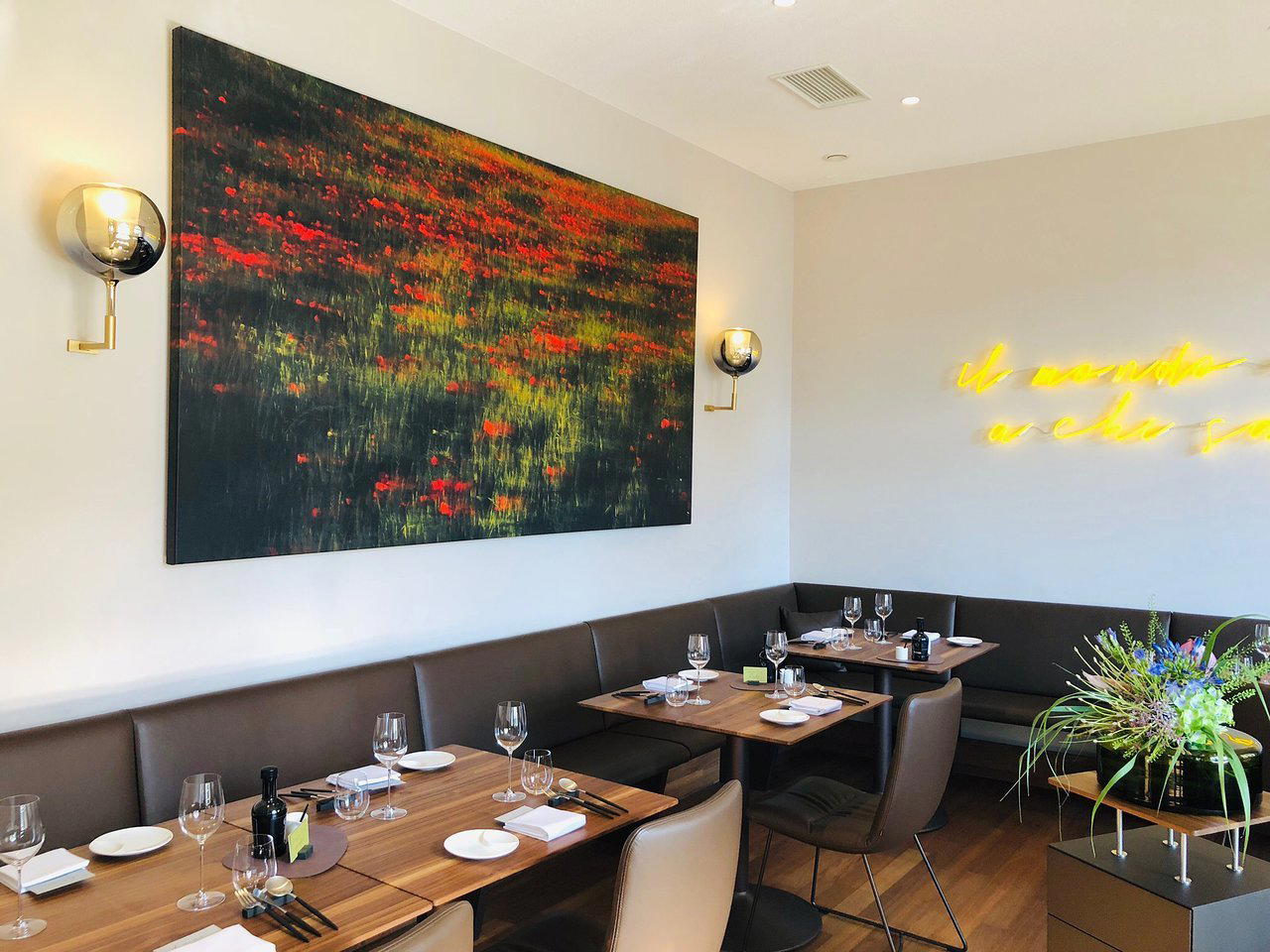
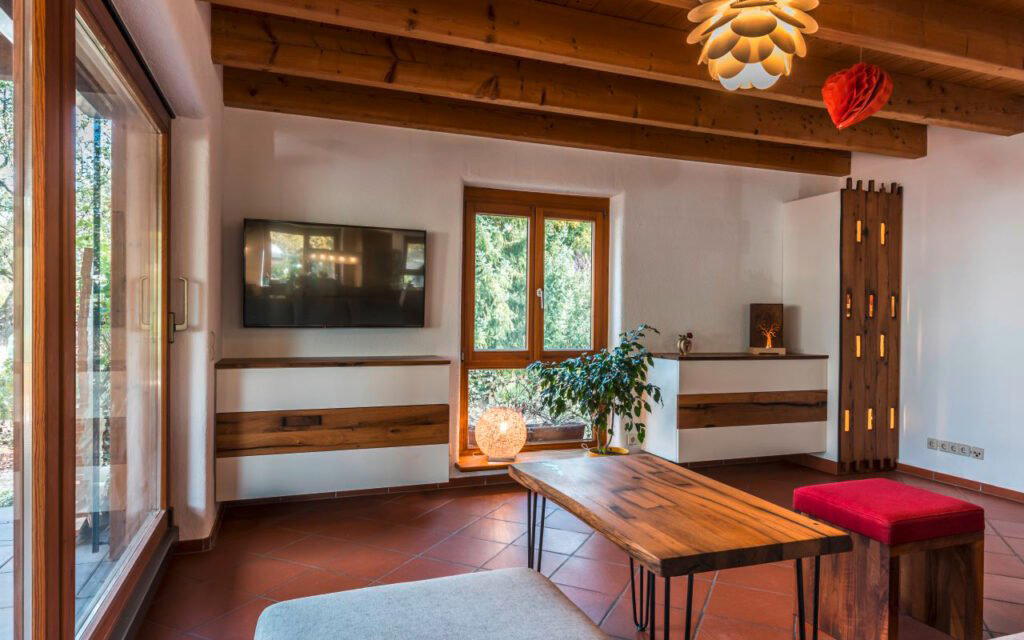
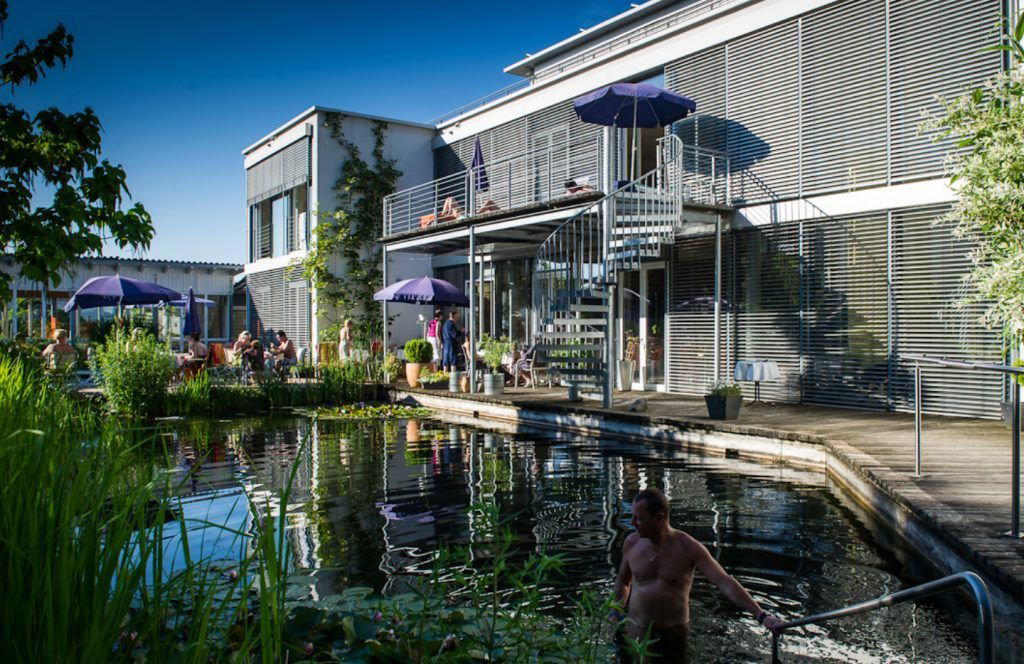
Inviting and warm atmosphere with both indoor and outdoor seating; described as a low-profile address with traditional Afghan hospitality and home-style cooking.