LEMONICA
On the western edge of Young Circle, LEMONICA occupies a spot in Hollywood, Florida's evolving dining corridor, where citrus-forward concepts and ingredient-led cooking have found an audience distinct from the beach-strip mainstream. The address places it within walking distance of the Arts Park and the neighbourhood's growing restaurant cluster, making it a practical anchor for an evening in central Hollywood.
Pearl is the En Primeur Club membership app — saves, bookings, and concierge access live there. Same editors, same standards.
- Address
- 1817 N Young Cir, Hollywood, FL 33020
- Phone
- +17288880888
- Website
- lemonica.rest
- Directions
- Get directions
 Saves & bookings on Pearl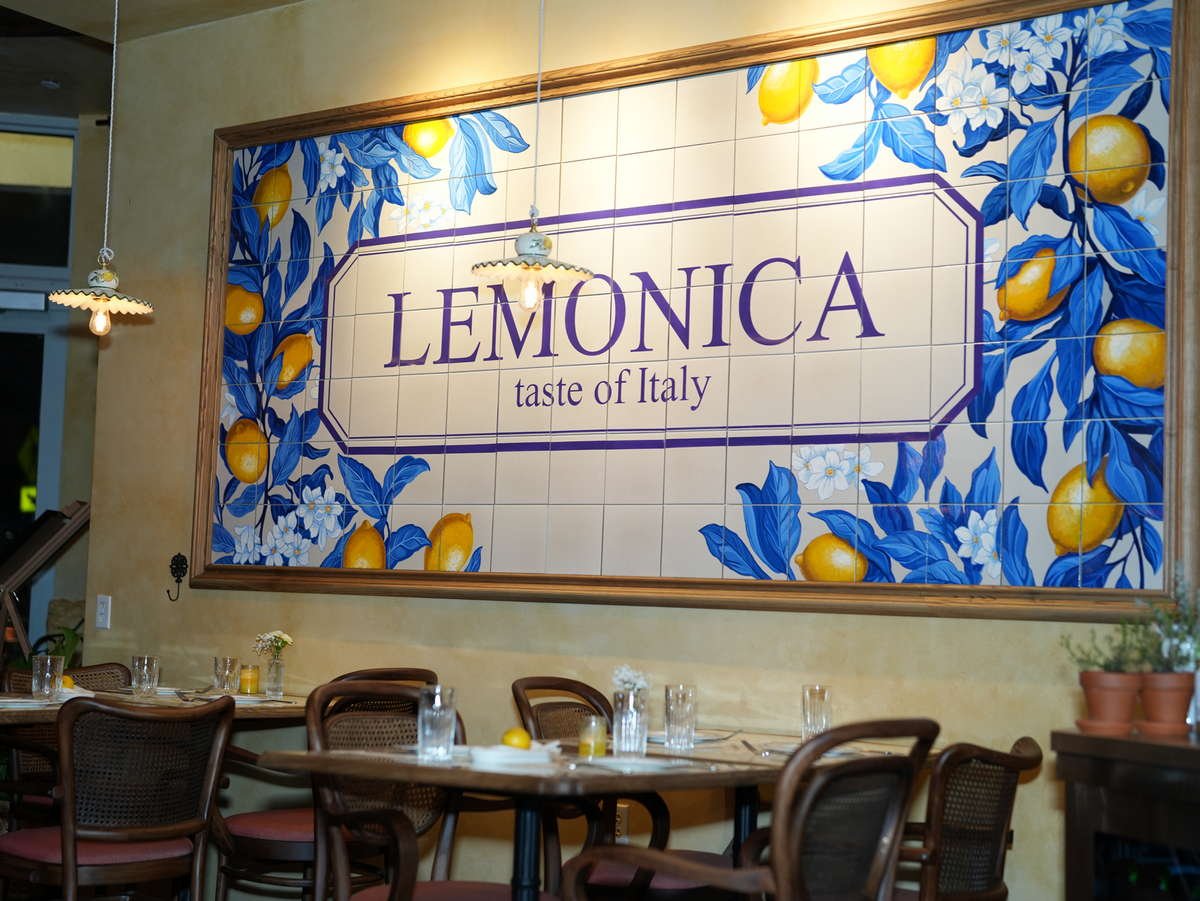
Young Circle and the Case for Ingredient-Led Dining in Hollywood, Florida
Hollywood, Florida has spent the better part of a decade sorting itself out gastronomically. The beachside strip along A1A still pulls the volume crowd, but the corridor around Young Circle, where the Arts Park anchors a walkable block radius, has attracted a different kind of operator. These are restaurants whose identity is built around what they serve rather than where they sit in relation to the ocean. LEMONICA, at 1817 N Young Circle, belongs to that second category. Its address is a signal: this is a neighbourhood restaurant in the deliberate sense, positioned to serve a local dining public rather than a transient tourist one.
The broader American dining conversation has moved firmly toward sourcing transparency in the last decade. Restaurants at the level of Blue Hill at Stone Barns in Tarrytown or Single Thread Farm in Healdsburg have made farm provenance the organizational principle of their entire identity, from menu structure to physical design. Those are rarefied examples, but the logic has filtered downward. In South Florida specifically, the proximity to agricultural zones in Miami-Dade and Homestead, combined with year-round citrus and tropical fruit production, gives locally focused operators a sourcing argument that northern restaurants cannot replicate. Citrus, in particular, is not a garnish category in this region; it is a primary ingredient class.
Citrus as a Culinary Framework, Not a Garnish
The name LEMONICA gestures directly at that citrus identity. In a dining culture that has largely reduced lemon to a finishing acid or a garnish wedge, a concept that foregrounds it as a defining ingredient is making a statement about restraint and specificity. Florida's citrus heritage is deep: the state produces the overwhelming majority of domestically grown orange juice, and its lemon, lime, and grapefruit cultivation has supplied restaurant kitchens from Miami to New York for generations. A kitchen that builds its identity around that ingredient is drawing on genuine regional character rather than importing a concept from elsewhere.
This approach sits within a recognizable tradition. The farm-to-table argument, now sometimes exhausted from overuse, still carries weight when the sourcing is genuinely local and the ingredient is genuinely seasonal. South Florida's subtropical climate compresses and complicates seasonality in ways that make it distinct from the familiar four-season model: some citrus peaks in winter, stone fruits behave differently in high humidity, and the availability of tropical ingredients shifts on rhythms that most continental American diners are not trained to track. A restaurant that works with that calendar rather than against it is doing something substantively different from one that imports consistency at the cost of regional truth.
For context on how ingredient sourcing drives identity at the high end of American dining, consider what The French Laundry in Napa built around its kitchen garden, or the way Providence in Los Angeles structured its entire reputation around direct relationships with fishermen and foragers. The scale is different at a neighbourhood level, but the underlying logic connects: when you know exactly where something comes from, you cook it differently.
The Young Circle Neighbourhood in Context
North Young Circle sits between downtown Hollywood and the residential streets that push toward I-95 to the west. It is not a glamour address, and that is partly what makes it interesting. The Arts Park at Young Circle has functioned as a cultural anchor for the area, drawing foot traffic from residents rather than beach-day visitors. The restaurant cluster that has formed around it includes a range of cuisines and formats, from Carmela's Italian Ristorante to the more casual end of Hollywood's dining spectrum.
Hollywood's broader restaurant scene has range. Billy's Stone Crab represents the seafood-forward, waterfront tradition that the city does well. Blu Steakhouse and CLASS Soiree Steakhouse cover the red-meat and occasion-dining tier. At Peru Hollywood shows the Latin American influence that runs through South Florida's culinary identity. Within that spread, a citrus-forward concept carves a distinct position. It is not competing on the same terms as a steakhouse or a stone crab institution. It is addressing a different appetite, one oriented toward lighter, ingredient-driven cooking with a regional accent.
For readers who have moved through the higher-concept registers of American dining, at restaurants like Alinea in Chicago, Atomix in New York City, or Le Bernardin in New York City, the neighbourhood-scale citrus concept will read as informal by comparison. That is not a criticism; it is a calibration. Hollywood's dining moment is still forming, and the restaurants that matter here are not the ones importing ambition from elsewhere but the ones building something specific to this place.
Planning a Visit
LEMONICA is located at 1817 N Young Circle, Hollywood, FL 33020, within easy reach of the Arts Park and the surrounding walkable restaurant cluster. Given the neighbourhood's character, the venue is accessible on foot from the surrounding residential area, and the Young Circle location has parking infrastructure typical of the corridor. As specific booking details, current hours, and pricing are not publicly confirmed through EP Club's verified data at this time, the most direct approach is to check for current information through local platforms before visiting. The Young Circle area rewards an exploratory evening, with enough density of dining options to make LEMONICA a starting point for a longer neighbourhood circuit. For a fuller picture of where it sits among Hollywood's restaurant options, our full Hollywood restaurants guide maps the scene across neighbourhoods and cuisine types.
Readers looking for comparison points beyond Hollywood might also consider how ingredient sourcing defines identity at Addison in San Diego, Emeril's in New Orleans, or The Inn at Little Washington in Washington, each of which represents a regional approach to American fine dining built on a specific local larder. The logic that animates those kitchens, using what the surrounding land and climate produce rather than standardizing supply, is the same logic that makes a citrus-anchored concept in South Florida a coherent and defensible idea.
Continue exploring
More in Hollywood
Restaurants in Hollywood
Browse all →
Bars in Hollywood
Browse all →

At a Glance
- Cozy
- Trendy
- Elegant
- Date Night
- Family
- Casual Hangout
- Live Music
- Craft Cocktails
Current opening hours
- Monday
- 5–10 PM
- Tuesday
- 5–10 PM
- Wednesday
- 5–10 PM
- Thursday
- 5–10 PM
- Friday
- 5–10:30 PM
- Saturday
- 12–10:30 PM
- Sunday
- 12–10 PM
Hours can change for holidays and private events. Last verified .
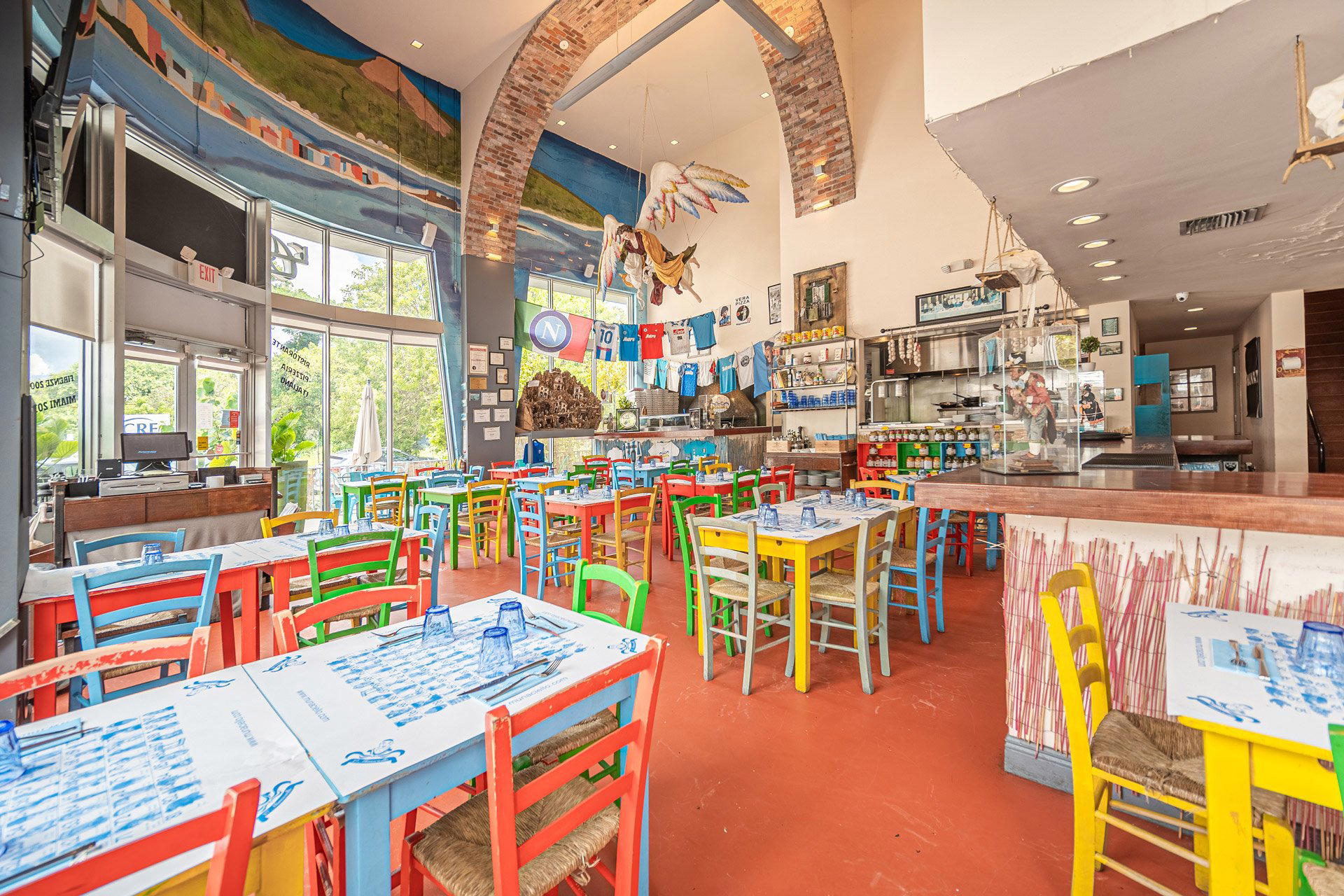
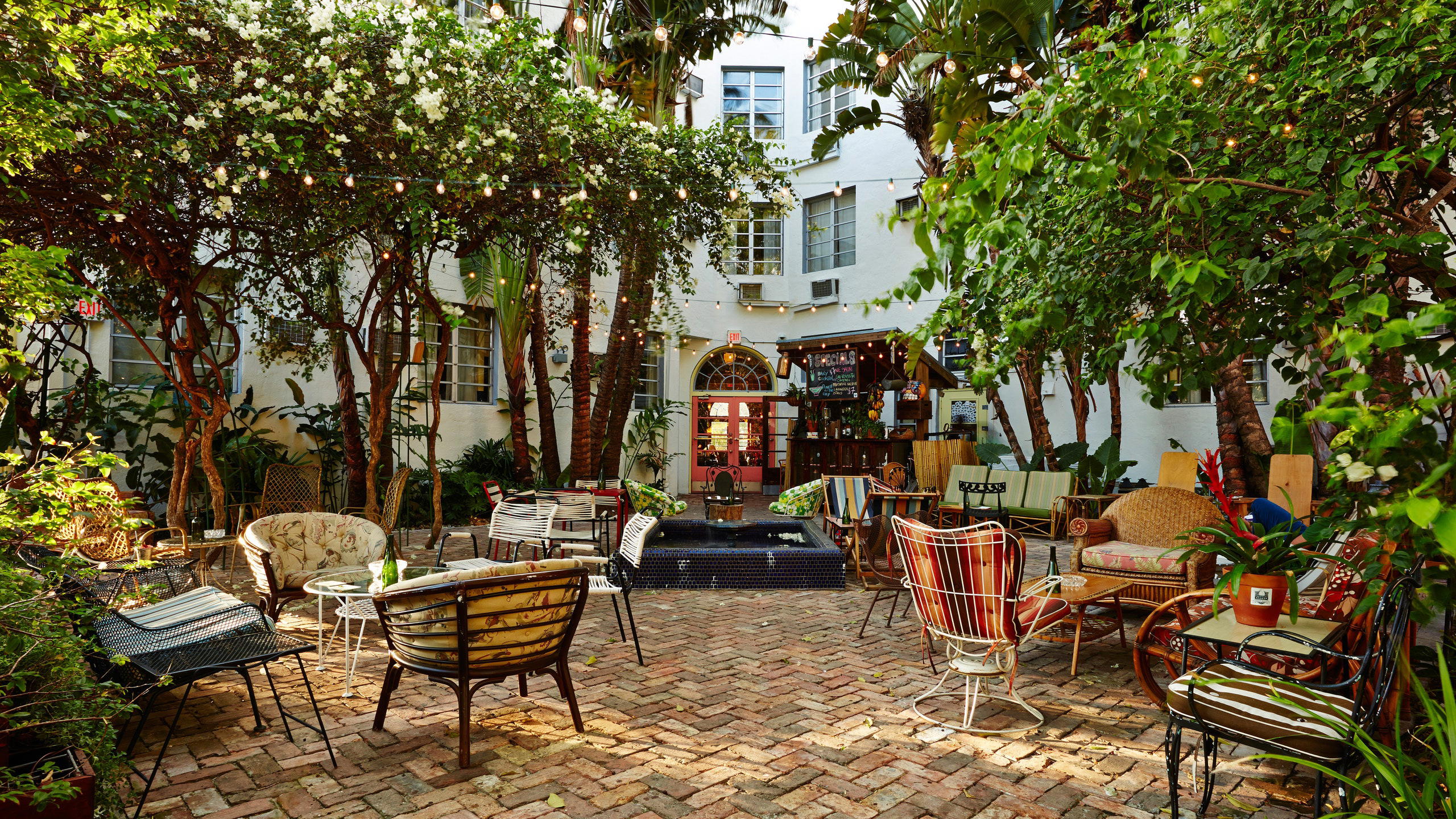
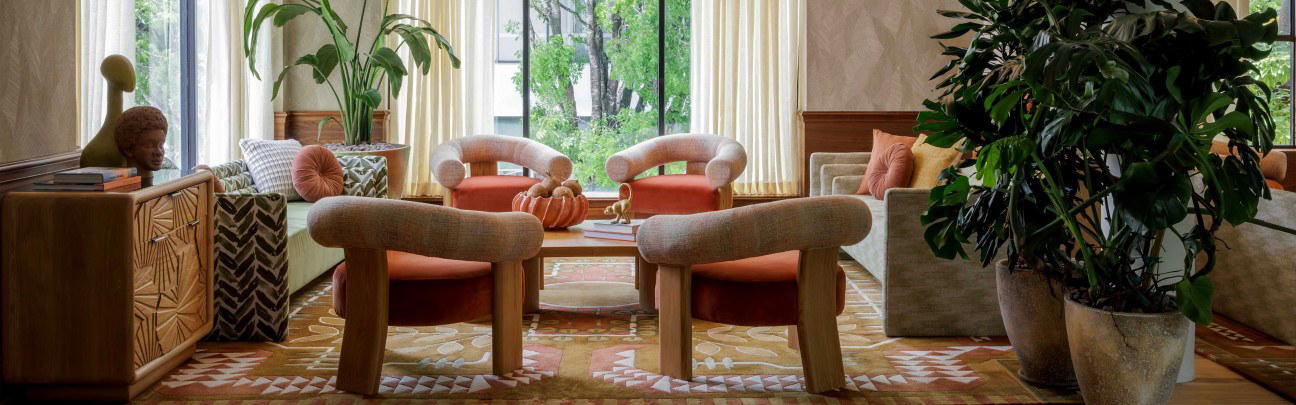
Inviting atmosphere with lemon decor, Italian music, and live music on weekends, though can be noisy and tight-spaced.
Know Before You Go
- Getting there
- 1817 N Young Cir, Hollywood, FL 33020