Konoba Porat
Our verdict
On the northern tip of Pag island, Konoba Porat occupies the quieter, less-trafficked side of Croatia's Adriatic coast. The kitchen draws on the island's own larder, from Pag lamb and local sheep's cheese to the day's catch pulled from the surrounding sea. It is the kind of place that rewards travellers who have moved beyond the obvious Dalmatian circuit.

Pearl is the En Primeur Club membership app, where members save venues, book tables and use the concierge.
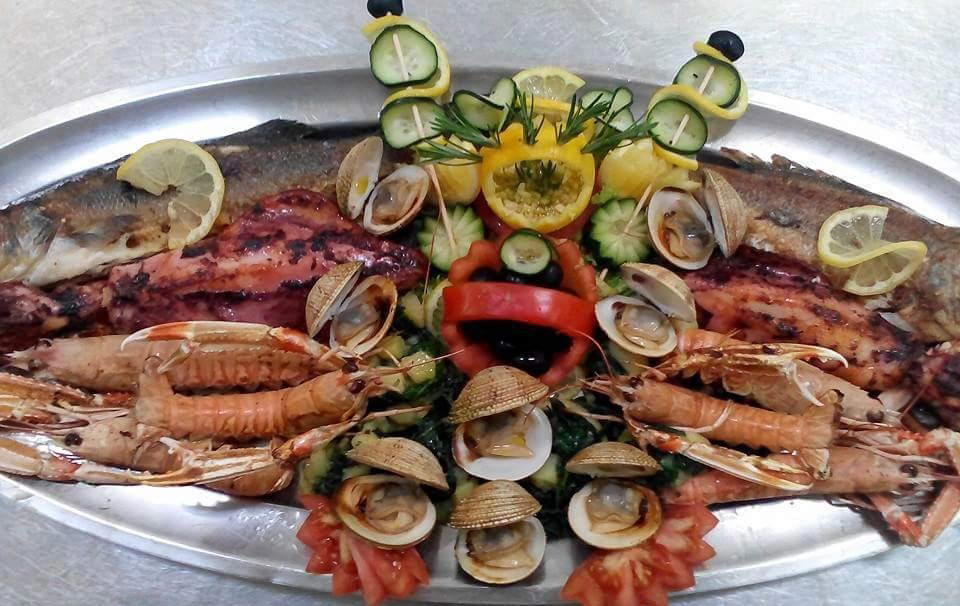
The menu
What to order
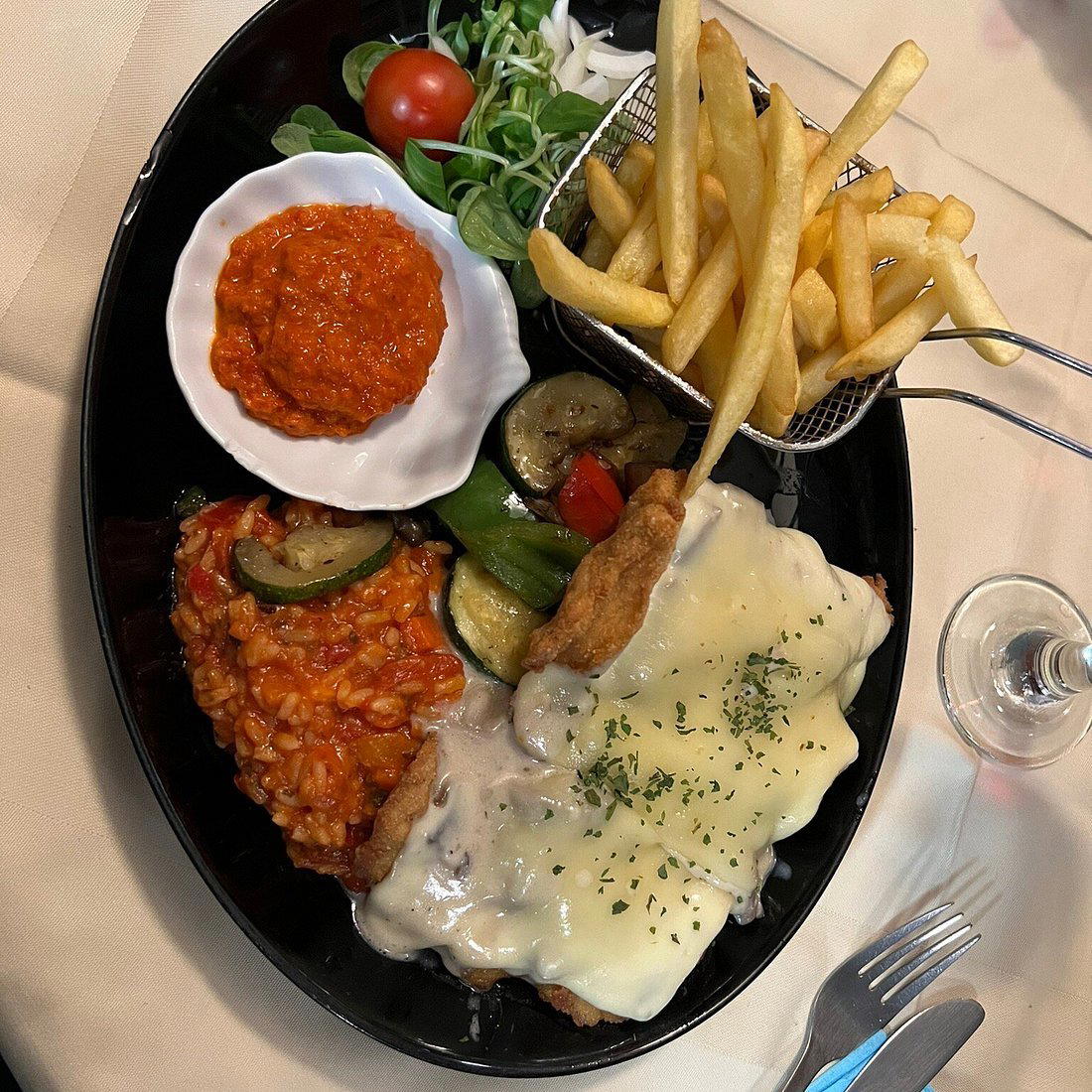
- Pasta stuffed with Paški cheese
- Black risotto
- Grilled fish
The Northern Pag Approach to Eating Well
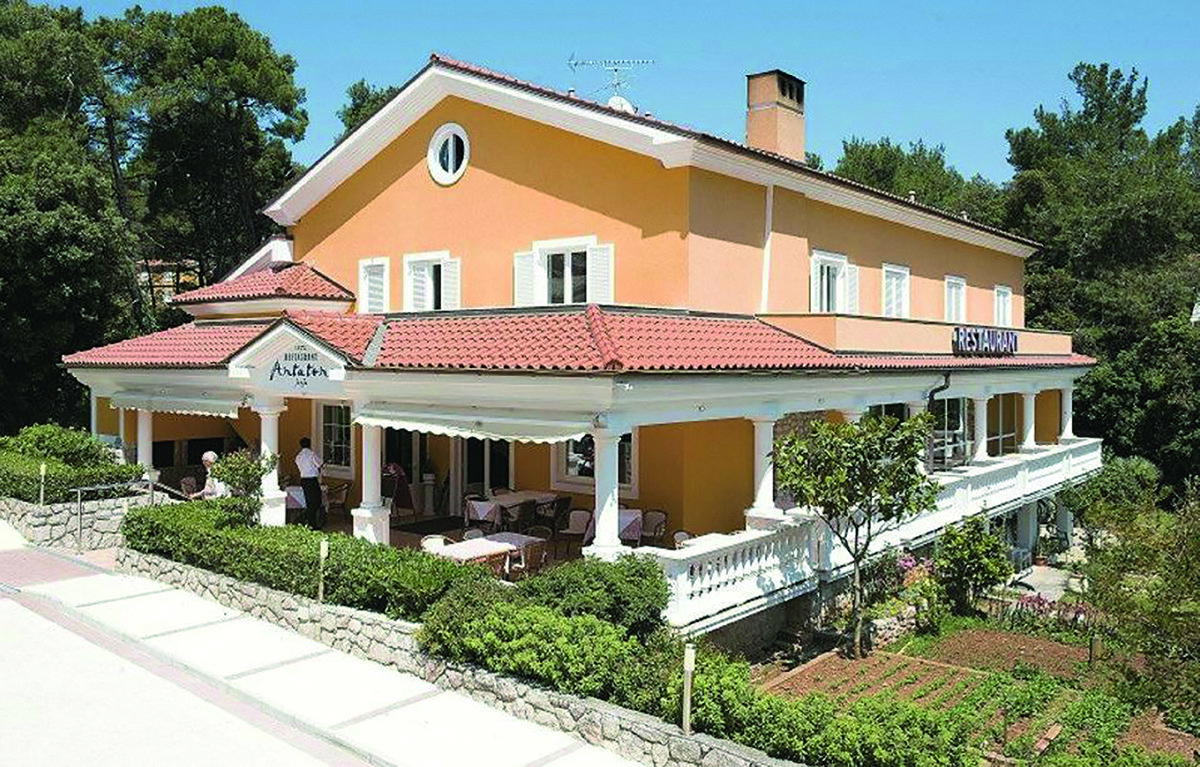
Most visitors to the island of Pag arrive via Novalja on the northern coast or the bridge at the island's southern end, and the dining conversation tends to follow the same well-worn routes. Stara Novalja, the older settlement sitting just north of Novalja town, operates on a different register. The waterfront here is quieter, the pace slower, and the konoba tradition, that distinctly Dalmatian institution of family-run taverns built around proximity to the source rather than prestige of address, runs deeper. Konoba Porat sits inside that tradition at an address on Drljanda, where the water and the kitchen exist in close conversation.
The konoba format across Croatia's islands has remained relatively stable for decades precisely because it works: produce from the immediate surroundings, preparation methods shaped by the local climate and culture, an absence of the formality that marks the more ambitious restaurants further south. For context on what that formality looks like at the other end of the spectrum, venues like Pelegrini in Sibenik or Restaurant 360 in Dubrovnik operate in a different category entirely, with elaborate tasting menus and extensive wine programs. Konoba Porat is not competing in that space, nor does it need to.
What Pag Island Actually Puts on the Plate
The ingredient story on Pag island is unusually legible. The island's stark, limestone-covered terrain and persistent bora wind produce conditions that shape what grows, grazes, and swims here in ways that are traceable on the plate. Paški sir, the island's sheep's milk cheese, is one of Croatia's most recognised food products, its flavour intensified by the salt-dusted herbs the sheep graze on across the rocky interior. Pag lamb, raised on those same salt-herb pastures, carries a mineral note that distinguishes it from mainland-reared animals and has given the island a firm place on Croatia's food map even before the dining scene developed any particular ambition.
Konobas along the northern Pag coast typically anchor their menus to these two products, supplemented by the Adriatic catch. The sea around Stara Novalja yields the standard Dalmatian roster: sea bream, sea bass, John Dory, and various shellfish, prepared simply and with the freshness that proximity makes possible. Across the island, the most persuasive argument for eating at a well-run konoba rather than a resort hotel or a more produced dining room is precisely this closeness to supply. The island's produce, when it travels, loses something. When it doesn't travel at all, the difference is evident.
For a sense of how island-sourced produce translates into more formally structured cooking, Boskinac in Novalja offers a useful comparison point, operating at a higher price tier and with a wine estate attached. Konoba Porat represents the more traditional end of that sourcing philosophy, where format and price stay modest and the produce does most of the work. Similarly, Bodulo in Pag shows how the same island larder can be handled in a slightly different setting.
Stara Novalja and the Logic of the Quieter Shore
Novalja itself is one of the more visited towns on Pag during summer, particularly among a younger tourist demographic drawn to the beach club scene at Zrće. Stara Novalja functions as its less-amplified neighbour. The bay is calmer, the accommodation smaller in scale, and the dining options fewer and more local in character. For travellers who have done the Dalmatian coast's more celebrated stops, including the towns covered by venues like LD Restaurant in Korčula or Alfred Keller in Mali Lošinj, Stara Novalja reads as a deliberate step back from the circuit.
Arriving here typically means coming via ferry from Prizna on the mainland, landing near Žigljen and driving north, or travelling down from Novalja town along the bay road. Neither approach is complicated, but Stara Novalja doesn't market itself aggressively, which means the visitors who arrive tend to have sought it out rather than stumbled in. That self-selection shapes the atmosphere at a place like Konoba Porat, where the clientele on most evenings skews toward repeat visitors and people staying in the immediate area rather than day-trippers.
The Croatian Adriatic coast has seen significant investment in fine dining infrastructure over the past decade, with recognitions from the World's 50 Best and Michelin's increased interest in the region. That development has been concentrated in Dubrovnik, Split, Rovinj, and Zagreb. The konoba tier, by contrast, has changed little in structure, and that continuity is part of what makes it a useful counterpoint. You can trace a line from the ambition of Agli Amici Rovinj or Nebo by Deni Srdoč in Rijeka down to what a well-run konoba does, and the comparison clarifies what each format is for.
Planning a Meal Here
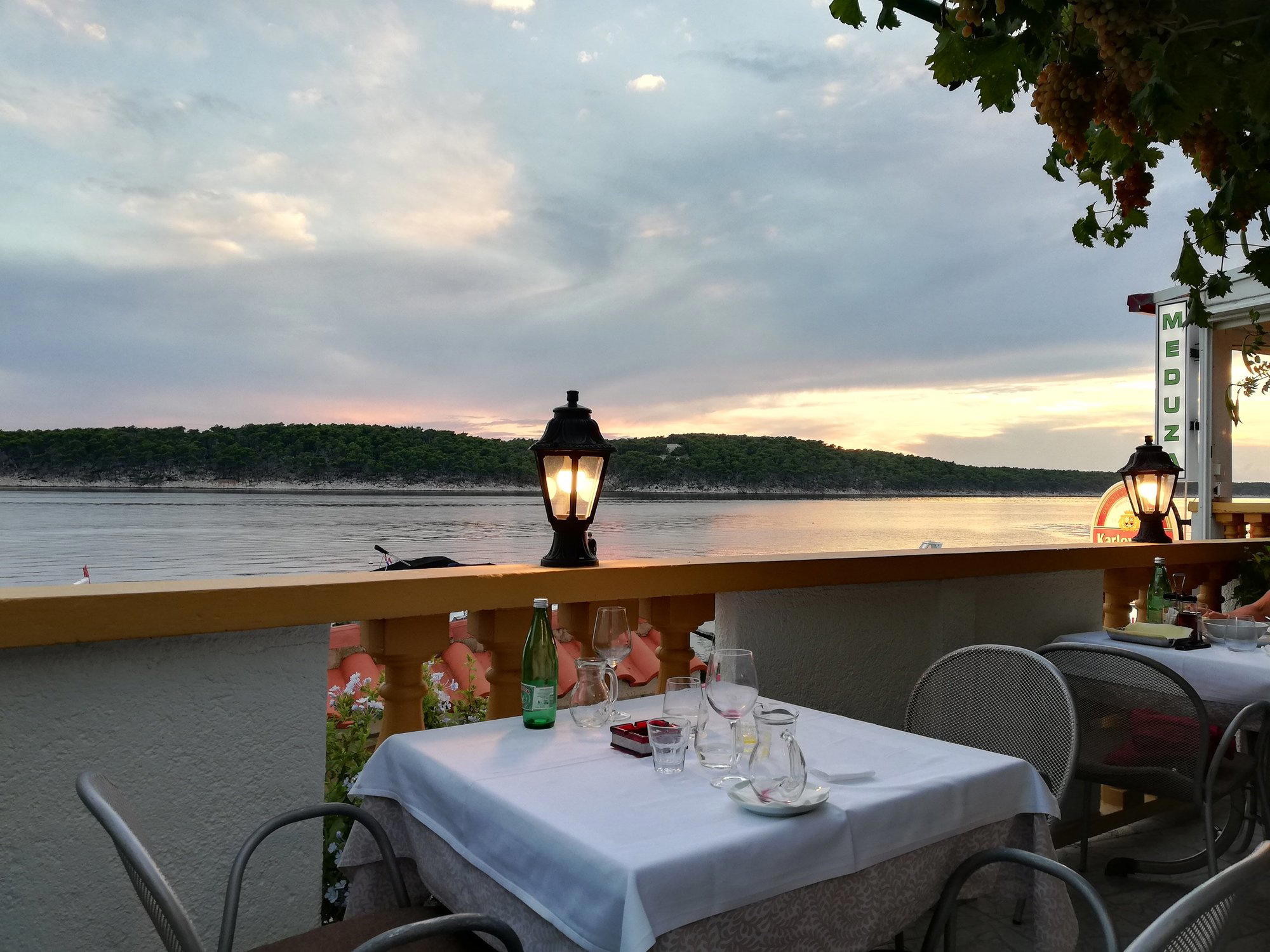
Stara Novalja is seasonal in a practical sense: the summer months from June through August represent the peak period for the whole northern Pag coast, and a konoba at a waterfront address will fill its tables during those weeks. Visiting in late May or early September gives more space, both physically and in terms of the pace of service. The address at Drljanda places the restaurant on the bay-facing side of the settlement, which in a waterfront konoba format typically means outdoor or terrace seating with sea views during the warmer months.
This is standard practice for the smaller dining establishments across Croatia's islands and is not a disadvantage so much as a reminder of the format's character. For travellers building a broader itinerary around Croatian dining, our full Stara Novalja restaurants guide maps the options across the settlement and the surrounding area.
Those extending their trip toward the mainland coast or further south might also consider the context provided by venues like Krug in Split, Burin in Crikvenica, or Cubo in Opatija for the range of what the northern and central Adriatic coast now offers across different price points and formats. Further inland, Dubravkin Put in Zagreb, Korak in Jastrebarsko, and Cantilly Garden Restaurant in Samobor complete the picture of a dining country that has moved well beyond its coastal konoba roots without abandoning them.
Frequently asked questions
Is Konoba Porat suitable for children?
A konoba format in a small Adriatic settlement like Stara Novalja typically means an informal, unhurried pace, the kind of setting where children are a natural part of the table. Nothing in the venue's profile suggests a formal or exclusionary environment. That said, it is a seasonal operation on a quiet stretch of the northern Pag coast, so confirming availability before arrival is sensible for family groups.
Is Konoba Porat formal or casual?
The konoba category in Croatia signals relaxed, family-run hospitality rather than fine-dining formality, think checked tablecloths over dress codes. Stara Novalja sits a few kilometres from Novalja's beach club strip, drawing visitors who are deliberately stepping away from that scene in favour of something quieter and more grounded. Arrive clean and comfortable; there is no indication of a dress requirement.
How does dining in Stara Novalja differ from eating in Novalja town?
Stara Novalja sits on the same bay but operates at a noticeably different register from Novalja town, which attracts a heavy seasonal crowd and the infrastructure that comes with it. A venue like Konoba Porat, positioned in the smaller settlement, is oriented toward the local and the unhurried rather than high-volume summer turnover. For visitors to Pag island who want proximity to the northern coast without the Novalja tourist density, Stara Novalja is a practical and quieter base for eating.
Where exactly is Konoba Porat?
Konoba Porat is located at Drljanda 0, 53291, Novalja, Croatia, Stara Novalja.
Side-by-Side Snapshot
Comparable venues nearby, for context on price, style, and recognition.
| Venue | Cuisine | Price | Notes |
|---|---|---|---|
| Konoba PoratThis venue (the venue you are viewing) | Traditional Croatian Seafood | Not listed | Not listed |
| Don Dino Restaurant | Modern Dalmatian Seafood | $20–30 | Trogir Old Town |
| Konoba NONO | Traditional Croatian Seafood & Grill | $20–30 | Krk |
| Galija | Mediterranean Seafood & Pizza | $20–30 | Crikvenica |
| Konoba Lanterna | Croatian Grill & Seafood | $50–100 | Mali Losinj |
| Leut | Mediterranean Seafood | $20–30 | Barbat na Rabu |
Continue exploring
More in Stara Novalja
Restaurants in Stara Novalja
All restaurants in Stara Novalja →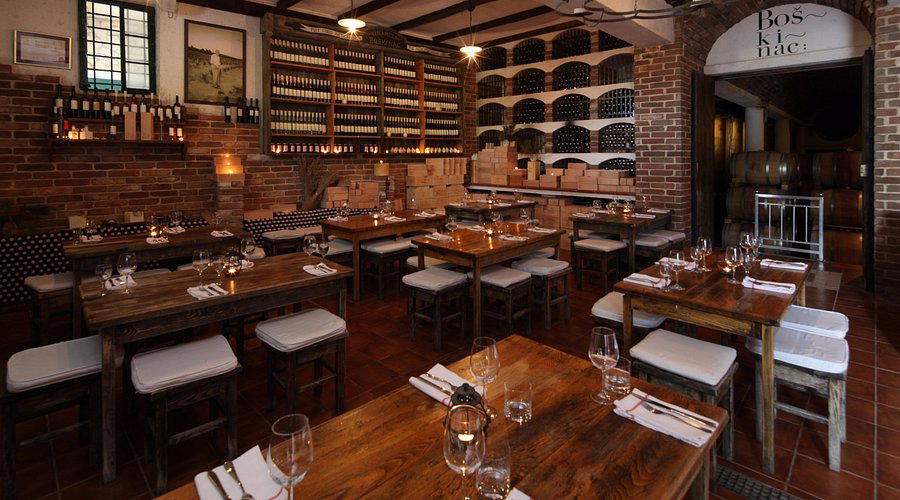
Bars in Stara Novalja
Browse all →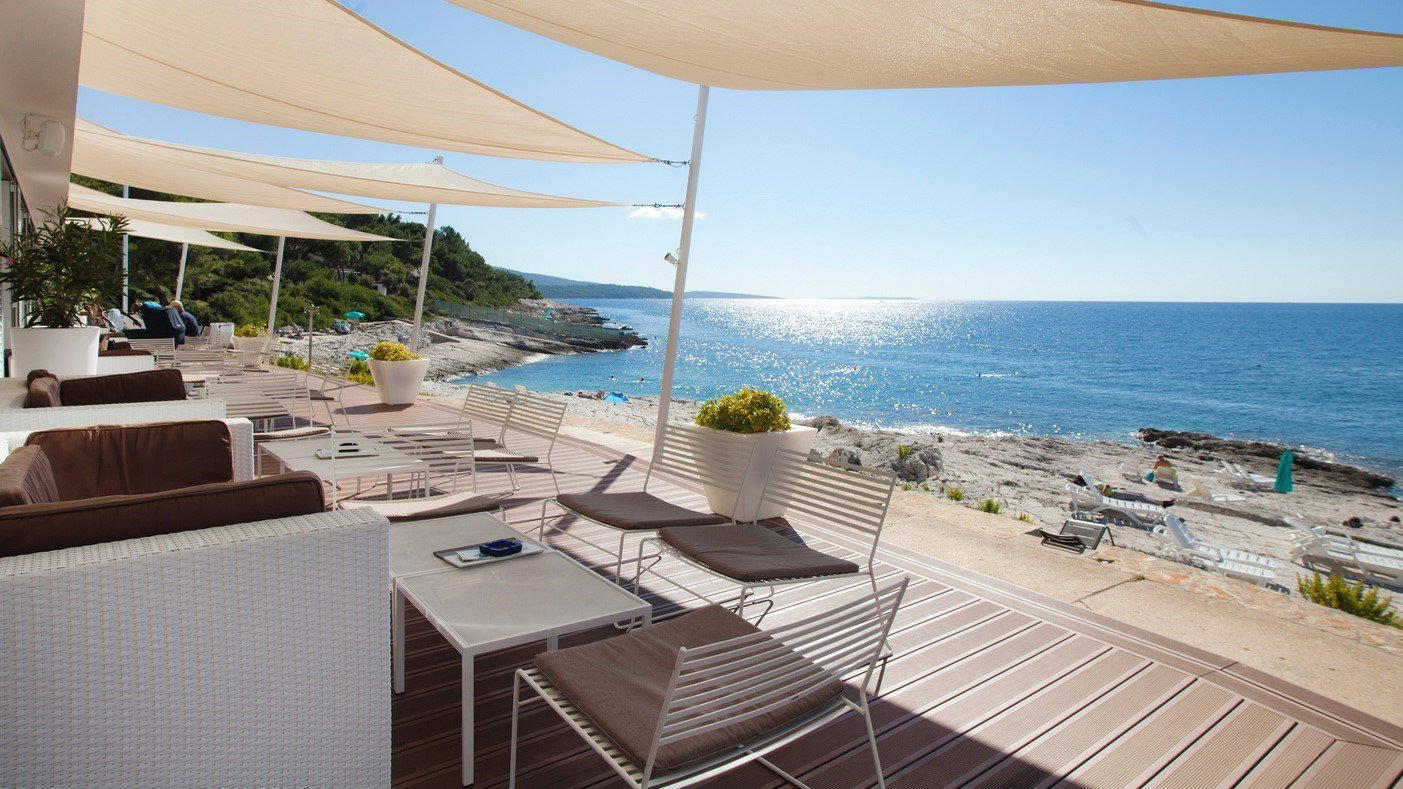
Hotels in Stara Novalja
Browse all →
Wineries in Stara Novalja
Browse all →

Details
- Rustic
- Scenic
- Cozy
- Casual Hangout
- Family
- Waterfront
- Terrace
- Local Sourcing
- Waterfront
- A La Carte
- Vegetarian Friendly
Current opening hours
- Monday
- 12–11 PM
- Tuesday
- 12–11 PM
- Wednesday
- 12–11 PM
- Thursday
- 12–11 PM
- Friday
- 12–11 PM
- Saturday
- 12–11 PM
- Sunday
- 12–11 PM
Hours can change for holidays and private events. Hours as of .
Scenic seaside terrace with relaxed, traditional Croatian atmosphere.