Artatore
Our verdict
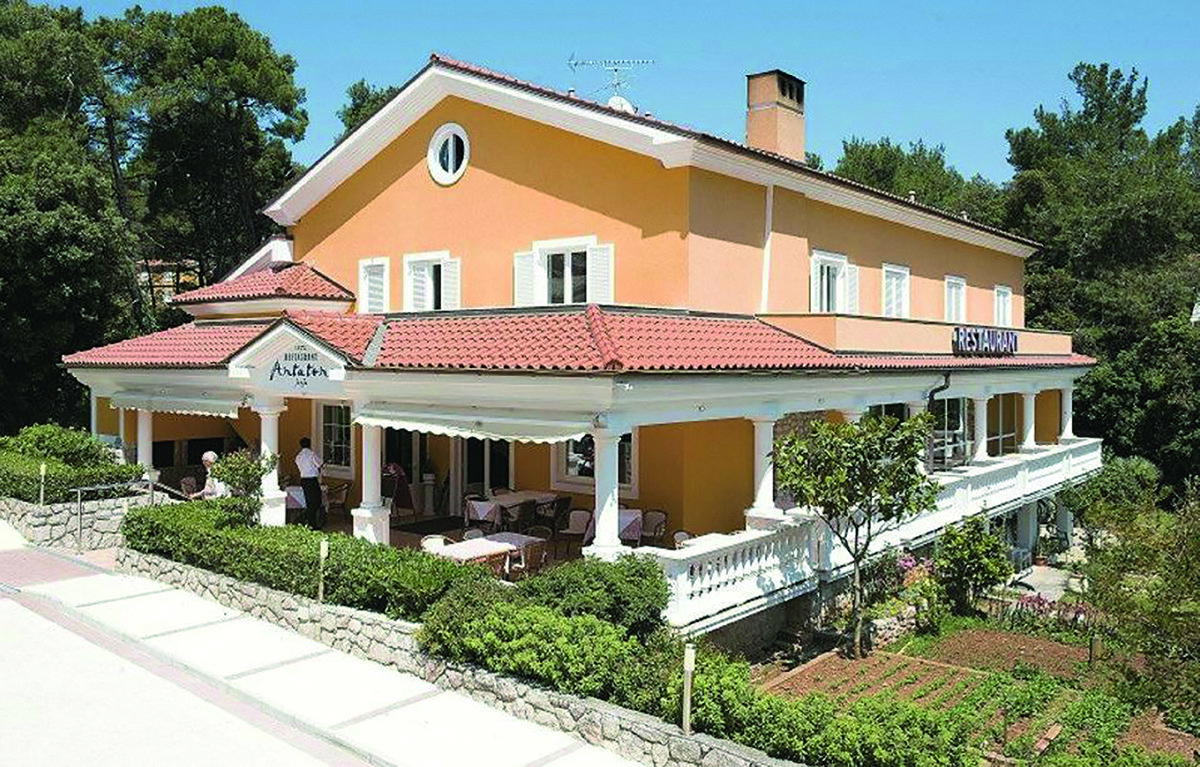
Artatore sits in a sheltered bay on the southwestern edge of Mali Lošinj, where the Adriatic dictates the menu as much as any kitchen decision. The cove's fishing tradition shapes what arrives at the table, placing this address within a broader Croatian coastal dining story that runs from local konoba informality to the more structured seafood programs appearing across the Kvarner islands. For visitors working through Mali Lošinj's dining options, Artatore represents the bay-side, ingredient-led end of the local spectrum.

Pearl is the En Primeur Club membership app, where members save venues, book tables and use the concierge.
The menu
What to order
- Crab soup
- Scampi na bijelo
- Lobster spaghetti
A Cove That Sets the Terms
On the southwestern curve of Mali Lošinj, the bay of Artatore operates by a different rhythm than the island's busier harbour front. The approach is unhurried: a narrow road drops toward water that sits unusually still, sheltered by pine-covered slopes that have made this cove a reference point for the island's quieter, more localized dining tradition. The physical setting is not incidental. In this part of the Kvarner archipelago, where and how a restaurant sits relative to the sea determines the supply logic of everything that follows.
Croatia's Adriatic coast has developed a recognizable tier of dining that sits between the konoba, the traditional, family-run tavern anchored in local ingredients and minimal intervention, and the more formally structured seafood restaurants that have emerged in cities like Rijeka and Rovinj over the past decade. Artatore, addressed at Artatore ul. 132 in Mali Lošinj, occupies territory closer to the former model, where the sourcing story and the setting carry more editorial weight than kitchen technique or tasting menu architecture.
What the Kvarner Waters Contribute
The Kvarner Gulf is among the more productive fishing zones on the eastern Adriatic. Its combination of depth, temperature variation, and relatively low industrial pressure has historically supported fish populations that feed directly into the konoba and restaurant culture of islands like Lošinj, Cres, and Krk. For kitchens operating at the bay level rather than the resort level, this geography is the primary supply chain. Seasonal catch from local boats, shellfish from the shallower coves, and foraged coastal herbs have shaped the Kvarner island table for generations, and restaurants positioned directly on these smaller bays are better placed to access that supply than those operating from the main harbour at higher volume.
This sourcing proximity matters because it defines the menu's constraints and its character simultaneously. A kitchen drawing on day-boat fish from its immediate surroundings cannot default to the predictable items that appear across mass-market coastal tourism menus. What is available shapes what is served, and that constraint, in the hands of a kitchen that understands it, produces something closer to a record of the season than a fixed offering. It is the logic that distinguishes the more interesting addresses along this coastline from the interchangeable grilled-fish operations that serve every Adriatic harbour town from Istria to Dalmatia.
For comparative context, the Croatian coast's most decorated seafood programs, including Agli Amici Rovinj in Rovinj and Pelegrini in Sibenik, have built their reputations partly on articulating this regional sourcing logic within more structured formats. Artatore operates without that level of formal recognition, but the underlying geography it draws on is the same Adriatic tradition.
Mali Lošinj's Dining Tier
Mali Lošinj's restaurant scene divides along a few predictable lines. There are harbour-facing addresses serving the summer tourist volume, a smaller number of konoba-style spots where the family and the fishing boat are effectively the same business, and a handful of more considered tables that have begun attracting visitors who come to the island partly for the food rather than simply while on the island for other reasons. Alfred Keller in Mali Lošinj sits at the more formally ambitious end of that local range.
Within that local picture, the Artatore bay addresses occupy a distinct position. Restaurants here, including Baracuda, BoccaVera, Corrado, Diana, and Konoba Cigale, share the same bay geography and therefore the same sourcing opportunity. The differentiation between them comes from kitchen approach, family tradition, and the degree to which each has developed a consistent identity beyond the location itself. Visitors planning across multiple evenings on the island should treat the Artatore bay as a cluster rather than defaulting to a single address. Our full Mali Lošinj restaurants guide maps the broader options across the island.
Beyond Mali Lošinj, the Kvarner and wider Croatian coast offer a range of seafood-forward addresses worth considering for a longer circuit. Boskinac in Novalja on Pag combines island sourcing with winemaking. Nebo by Deni Srdoč in Rijeka represents the more technically structured end of the regional dining argument. LD Restaurant in Korčula, Krug in Split, Restaurant 360 in Dubrovnik, Korak in Jastrebarsko, and Dubravkin Put in Zagreb round out a credible national picture for visitors building an itinerary around Croatian food more broadly. For those interested in how Adriatic seafood sourcing compares internationally, the tightly sourced ocean-to-plate logic at Le Bernardin in New York City and the seasonal, produce-led transparency of Lazy Bear in San Francisco offer useful reference points, even if the format and price tier are entirely different.
Planning a Visit
Artatore bay sits a short drive or a navigable walk from Mali Lošinj's main harbour, making it accessible without requiring a boat or a hire car if you are based centrally on the island. The Kvarner summer season runs from June through September, with July and August representing the peak period when bay-side tables at well-regarded addresses fill early. Visiting in late June or early September offers the same sourcing quality with less competition for seats. Given the bay's popularity during high season, arriving without a reservation carries real risk at the more consistently busy addresses. Contact details for Artatore were not available at time of writing; checking current booking channels on arrival or through your accommodation is the most reliable approach.
Frequently asked questions
What part of town is Artatore in?
Artatore is located at Artatore ul. 132, 51550, Mali Lošinj, Croatia, Mali Losinj.
Is Artatore accessible by boat, and do restaurants there accommodate arriving by sea?
The Artatore cove accepts small vessels, and arriving by sea is a practical option along this stretch of the Croatian Adriatic. Several konoba-style addresses in comparable Kvarner bays are set up to receive guests who anchor offshore, with moorings or dinghy access adjacent to the dining area. Mali Lošinj's position as a registered sailing destination means the infrastructure for nautical arrivals is generally in place around its secondary bays.
Can I walk in to Artatore?
Artatore bay is reachable on foot from Mali Lošinj's main harbour, so arriving without a car or boat is possible. Walk-in dining depends heavily on the time of year: Mali Lošinj runs a compressed summer season, and bay-side spots fill quickly in July and August. Outside peak season, the bay operates at a far lower volume and walk-in chances improve considerably.
Fast Comparison
Comparable venues nearby, for context on price, style, and recognition.
| Venue | Cuisine | Price | Notes |
|---|---|---|---|
| ArtatoreThis venue (the venue you are viewing) | Croatian Seafood | $30–50 | Not listed |
| Baracuda | Fresh Croatian Seafood | $20–30 | Mali Losinj |
| Nostromo | Mediterranean Seafood | Not listed | Mali Losinj |
| Corrado | Croatian Seafood | $20–30 | Mali Losinj |
| Konoba Cigale | Traditional Adriatic Seafood | $50–100 | Čikat Cove, Mali Lošinj |
| Konoba Lanterna | Croatian Grill & Seafood | $50–100 | Mali Losinj |
Continue exploring
More in Mali Losinj
Restaurants in Mali Losinj
All restaurants in Mali Losinj →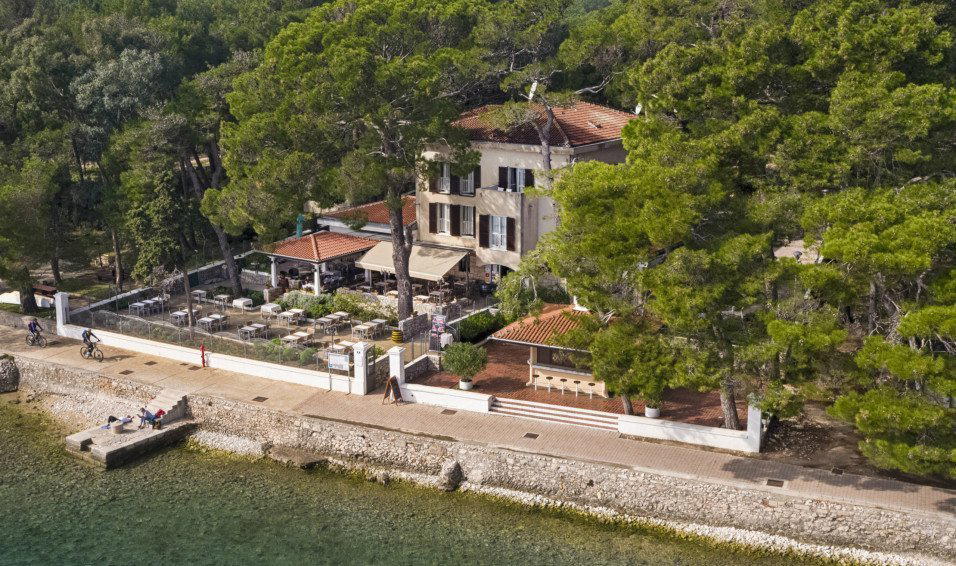
Bars in Mali Losinj
All bars in Mali Losinj →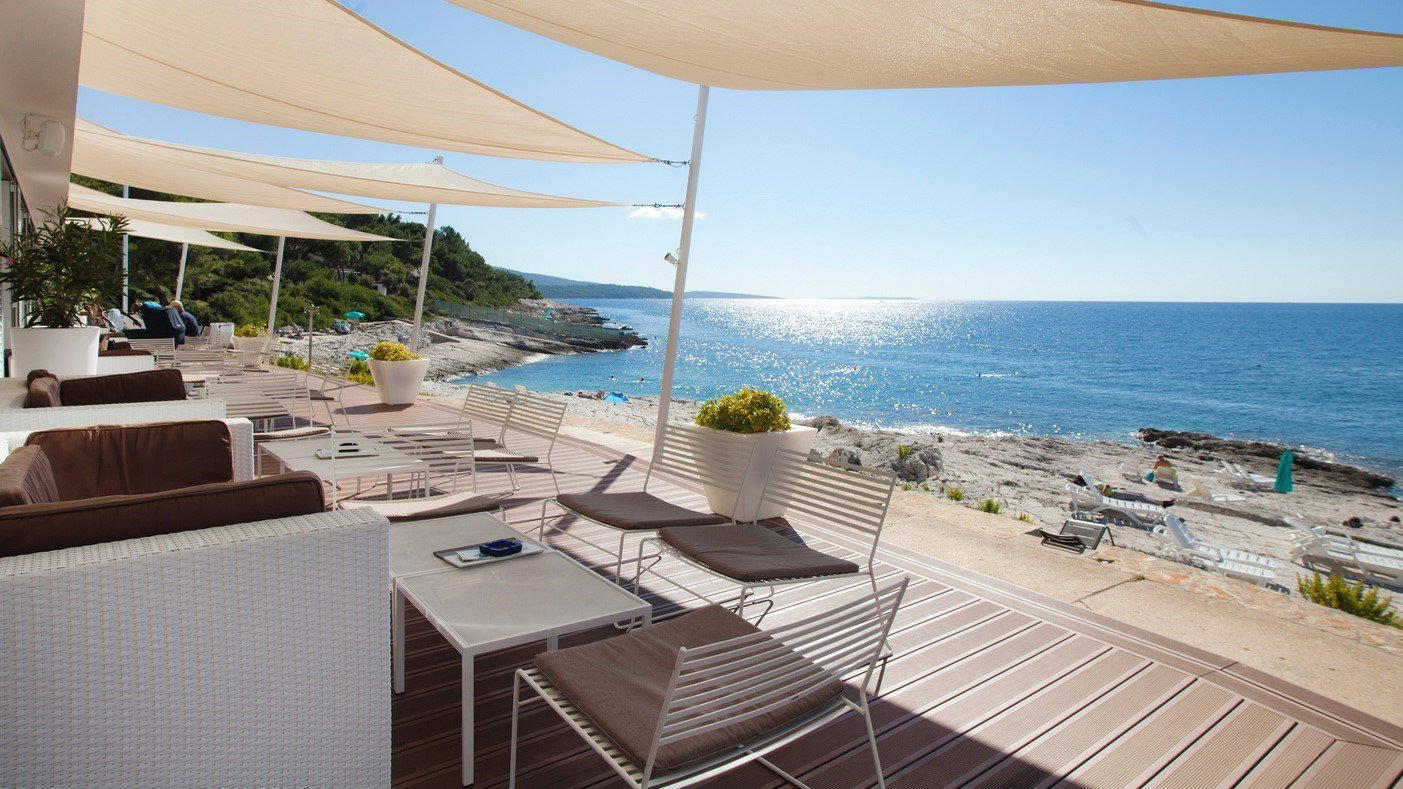
Hotels in Mali Losinj
All hotels in Mali Losinj →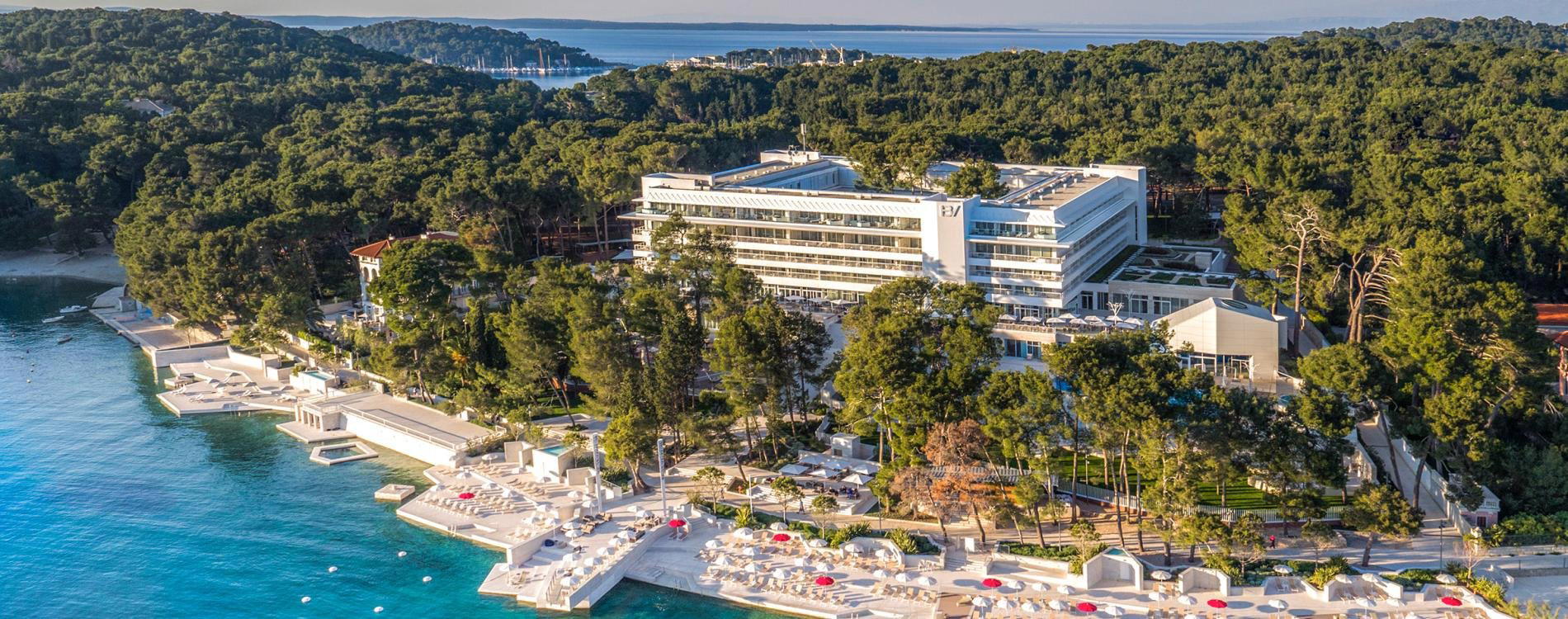
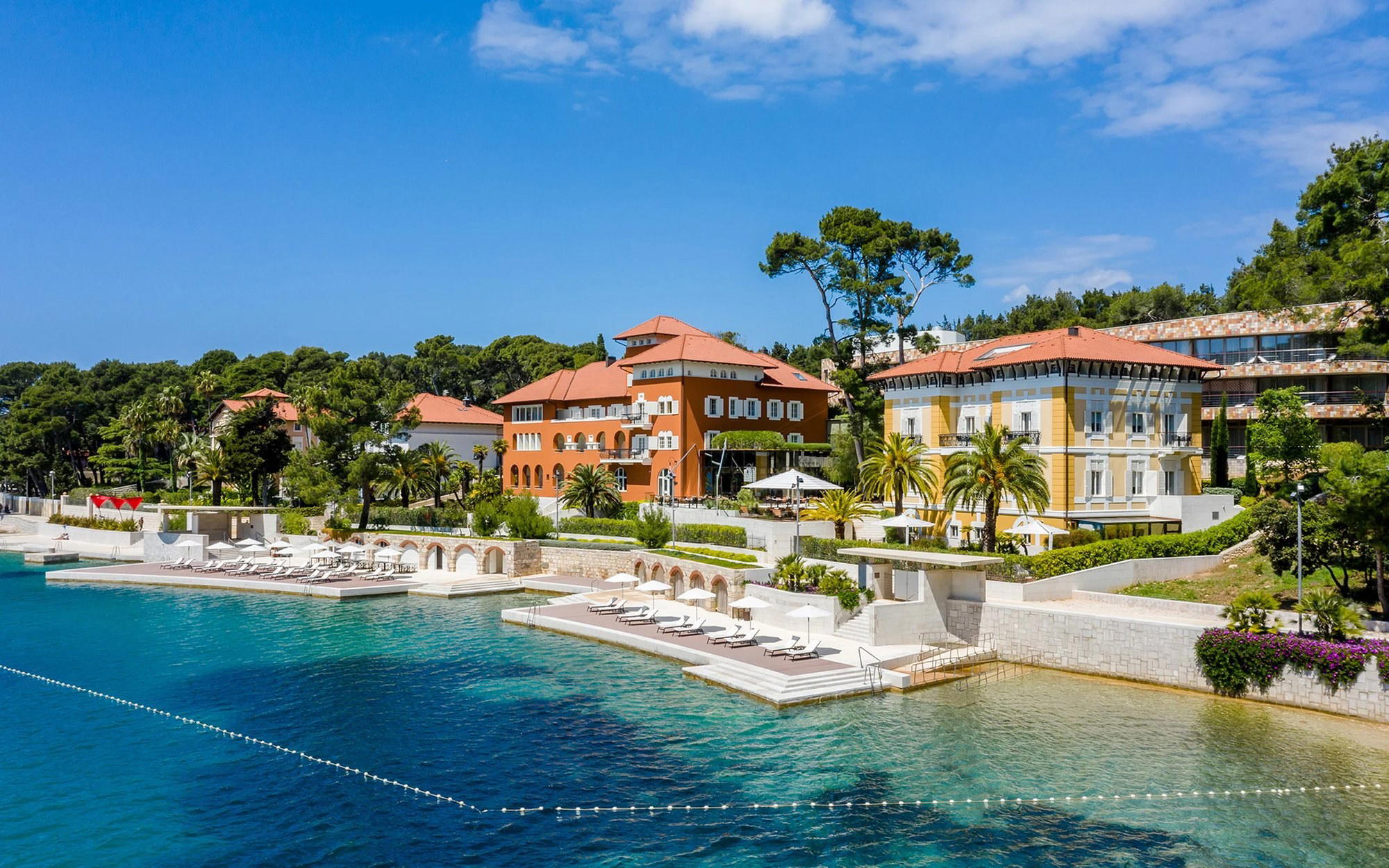
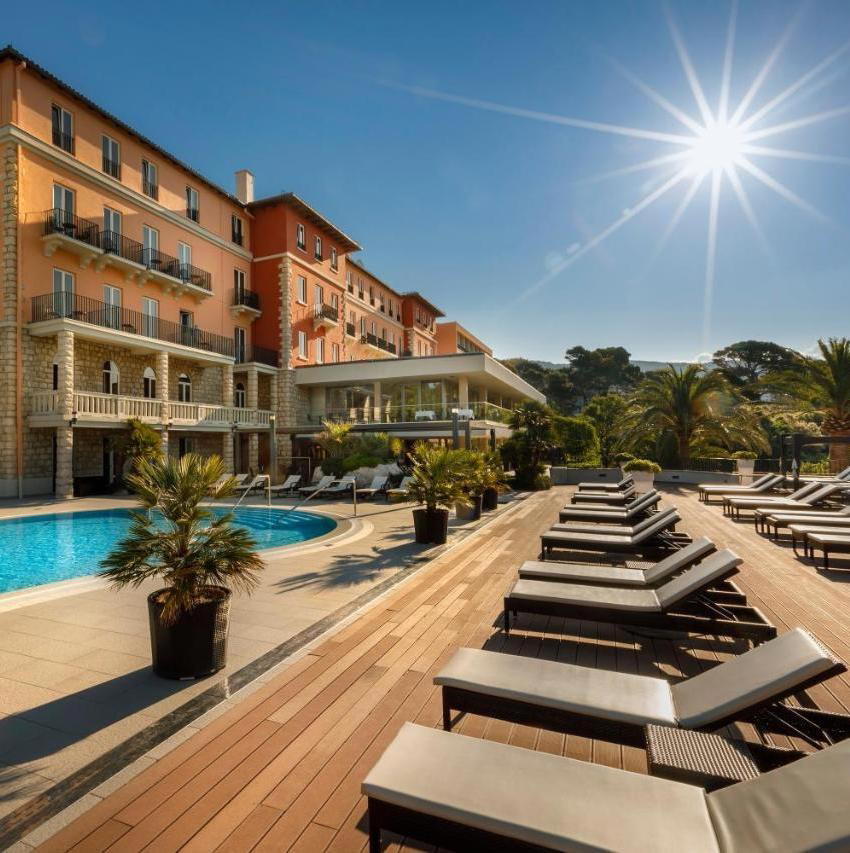
Wineries in Mali Losinj
Browse all →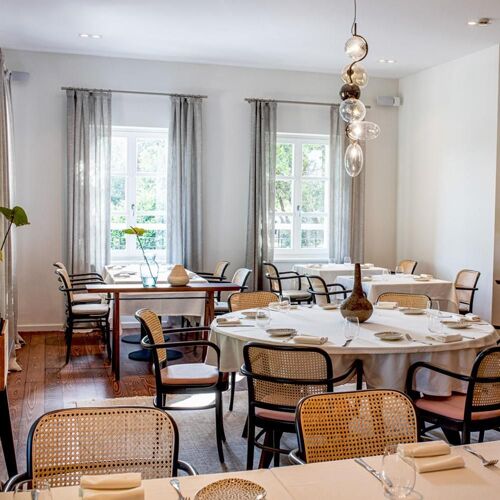

Details
- Cozy
- Scenic
- Family
- Date Night
- Waterfront
- Terrace
- Local Sourcing
- Waterfront
- A La Carte
- Vegetarian Friendly
- Gluten Free Options
Current opening hours
- Monday
- 12–10 PM
- Tuesday
- 12–10 PM
- Wednesday
- 12–10 PM
- Thursday
- Closed
- Friday
- 12–10 PM
- Saturday
- 12–10 PM
- Sunday
- 12–10 PM
Hours can change for holidays and private events. Hours as of .
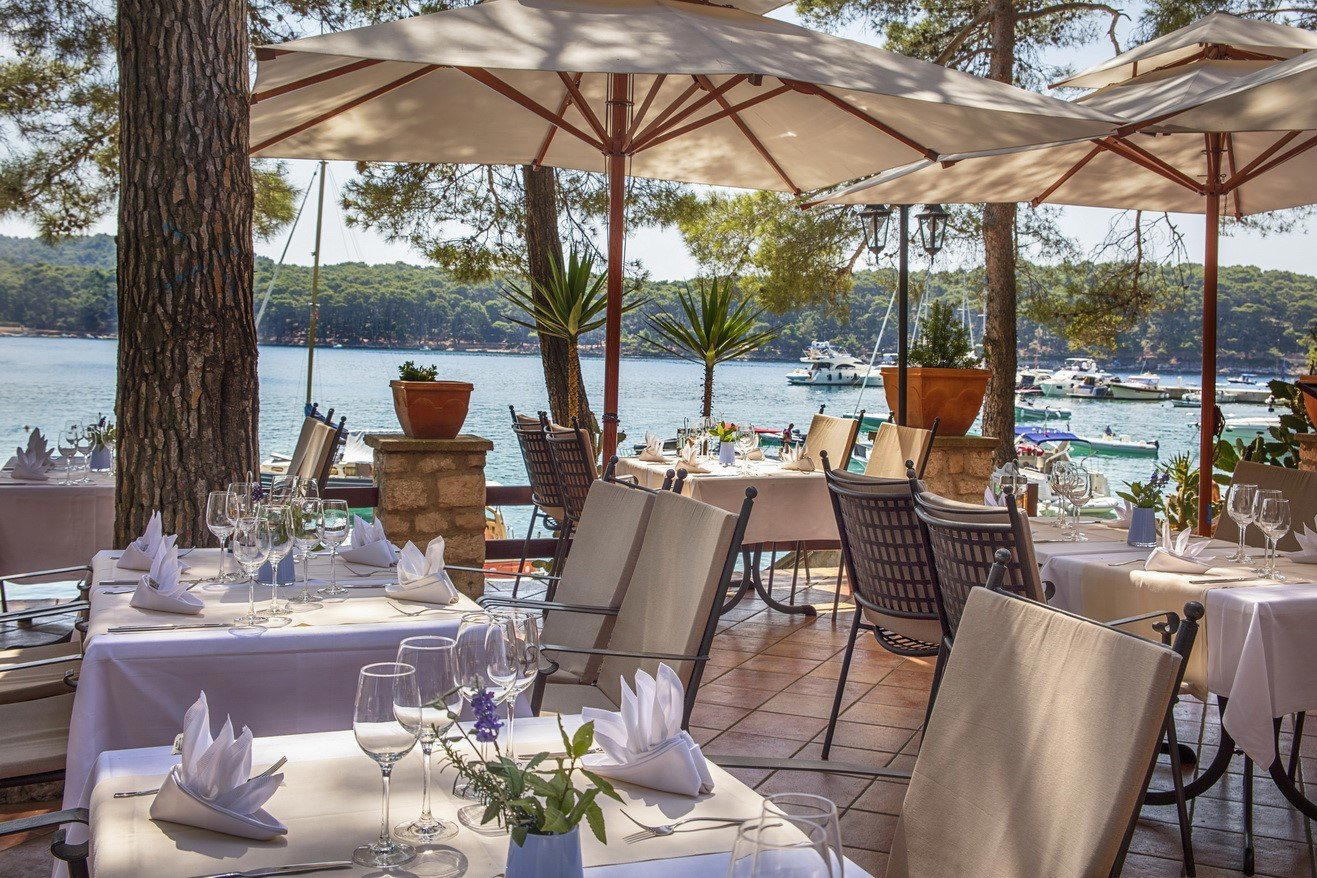
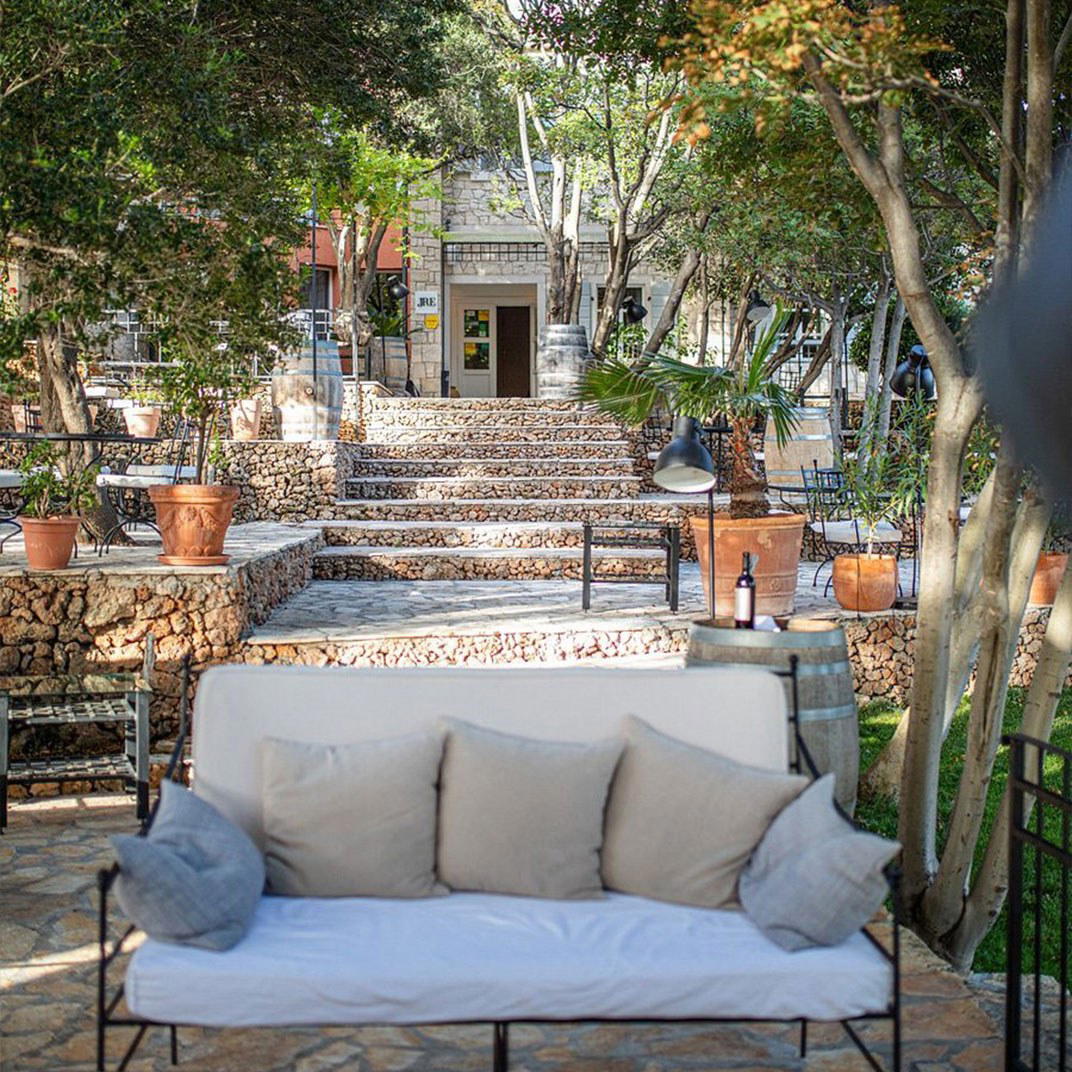
Relaxed terrace seating by the bay with sea views, trees, and a serene, welcoming atmosphere.