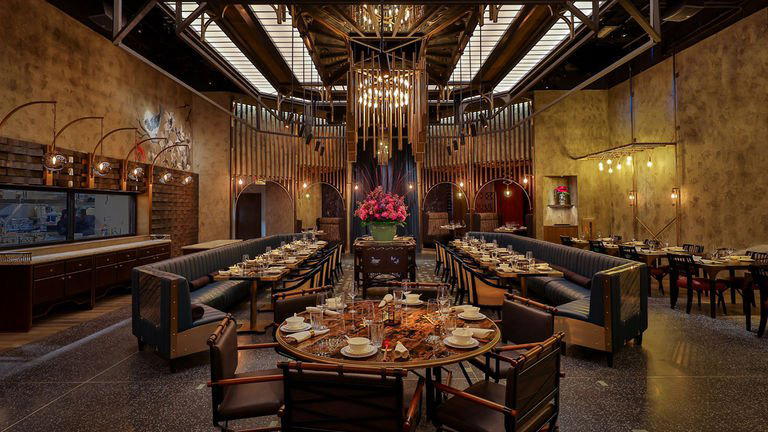
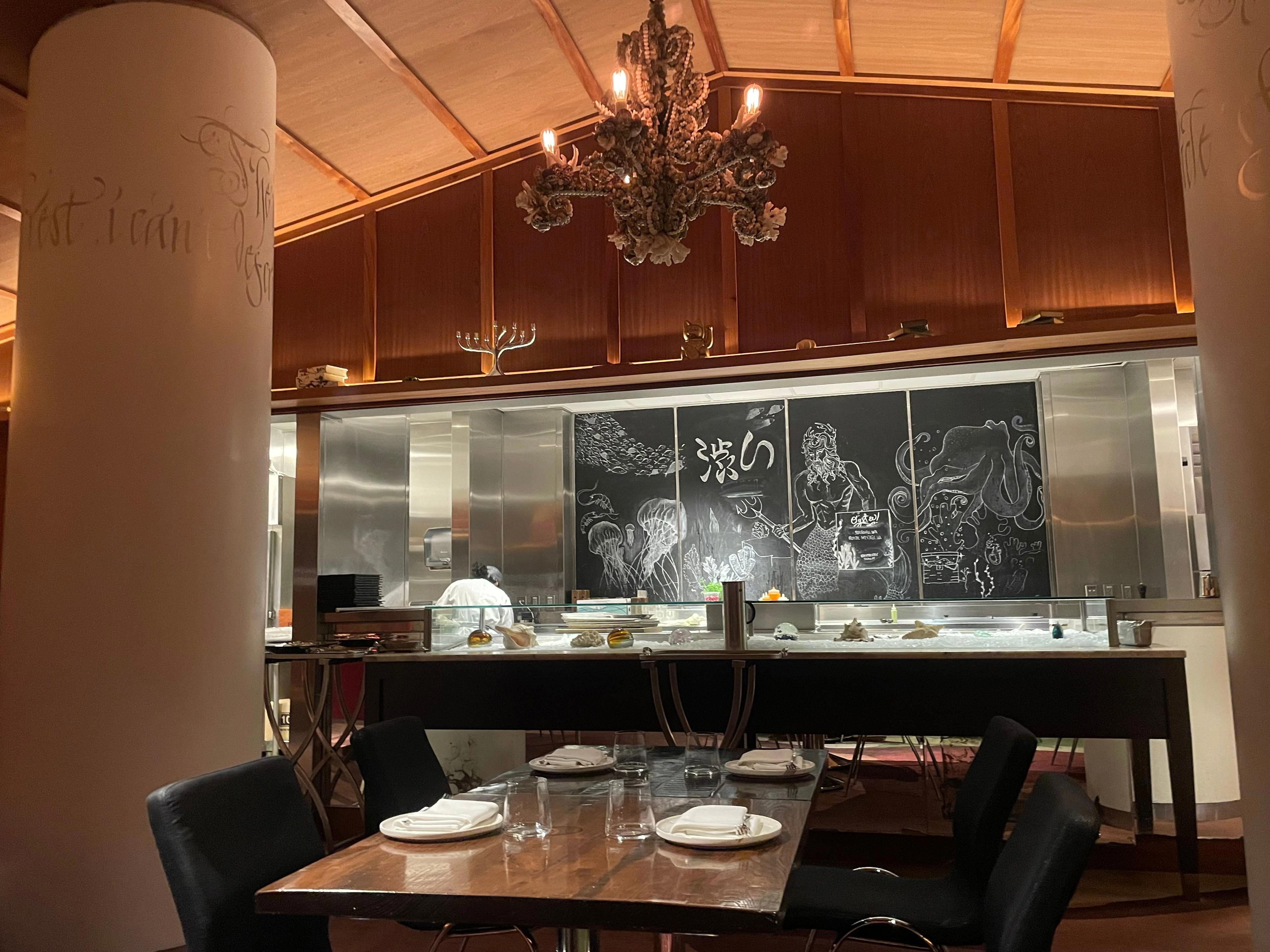
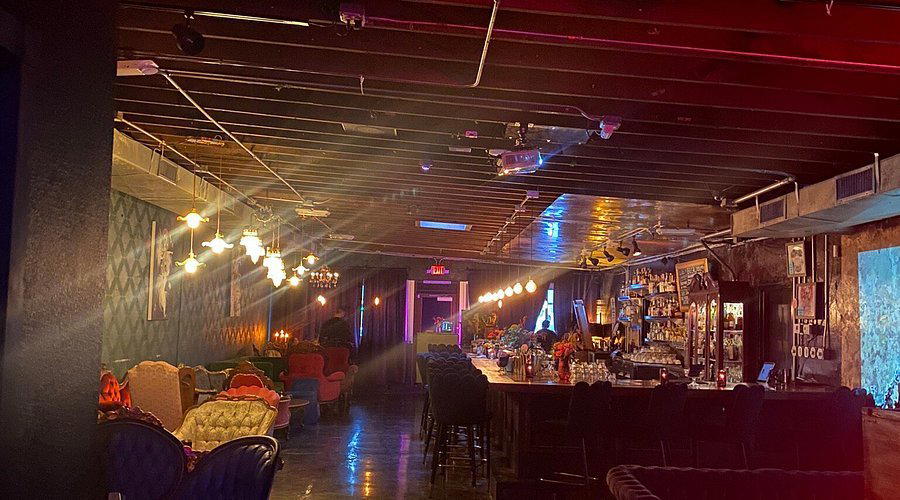
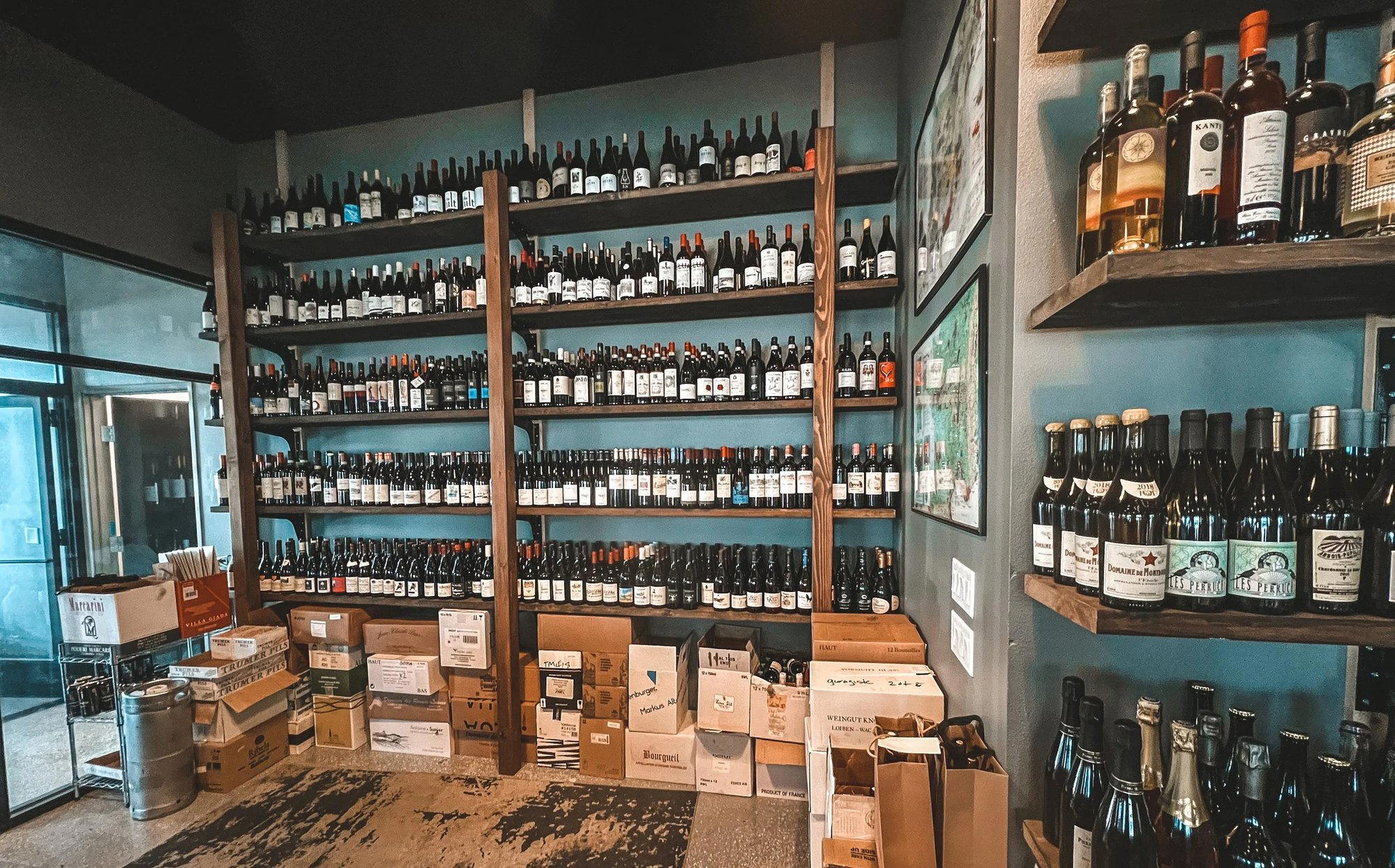
Komodo

Star Wine List
Our verdict
Komodo on the Las Vegas Strip offers a format that steps outside the standard reservation-and-order routine: arrive early, join a dumpling or sushi class, and let the meal follow the lesson. The approach positions it within a small tier of Strip restaurants where the dining ritual itself is the draw, not just the food on the plate.

Pearl is the En Primeur Club membership app — saves, bookings, and concierge access live there. Same editors, same standards.
- Address
- 2777 S Las Vegas Blvd, Las Vegas, NV 89109
- Phone
- (702) 998-3100
- Hours
- Mon–Thu 5:30–10:30 PMFri–Sat 5:30–11 PMSun 5:30–10:30 PM
- Website
- komodolv.com
- Directions
- Get directions
The menu
What to order
- Wagyu Dumplings
- Peking Duck
- Wagyu Sushi Roll
- Spicy Bluefin Tuna
- Chilean Sea Bass
When the Meal Begins Before You Sit Down
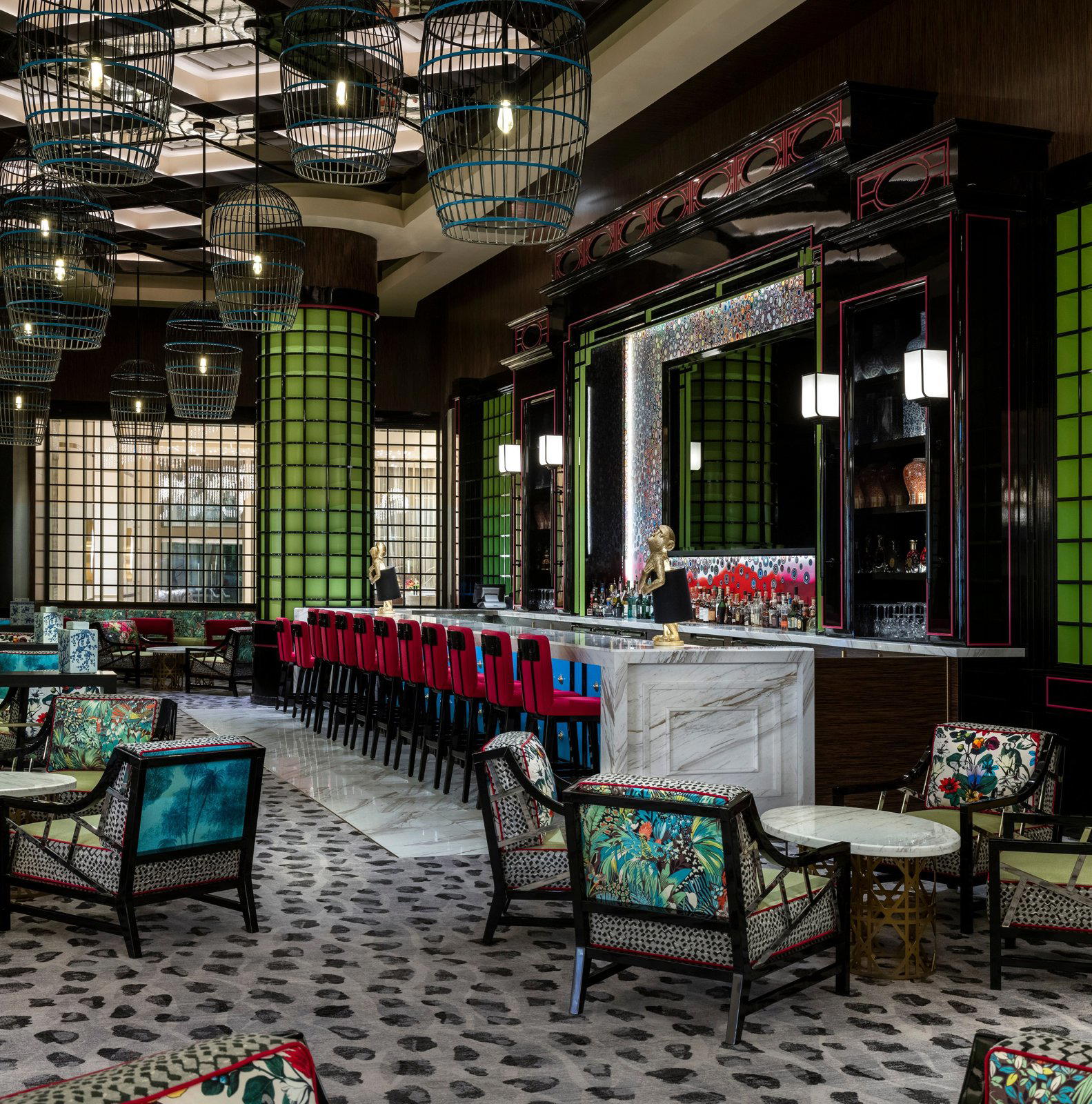
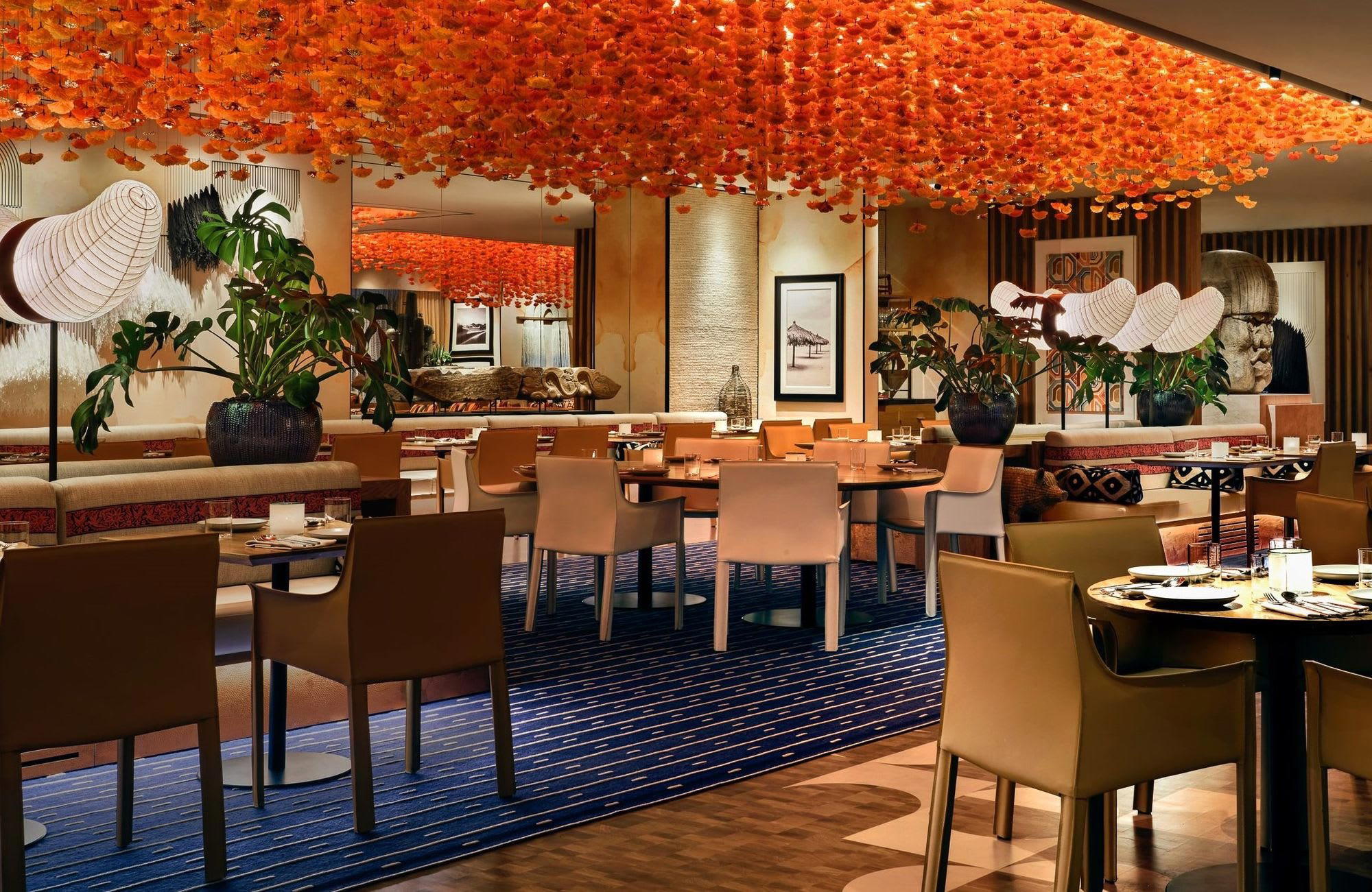
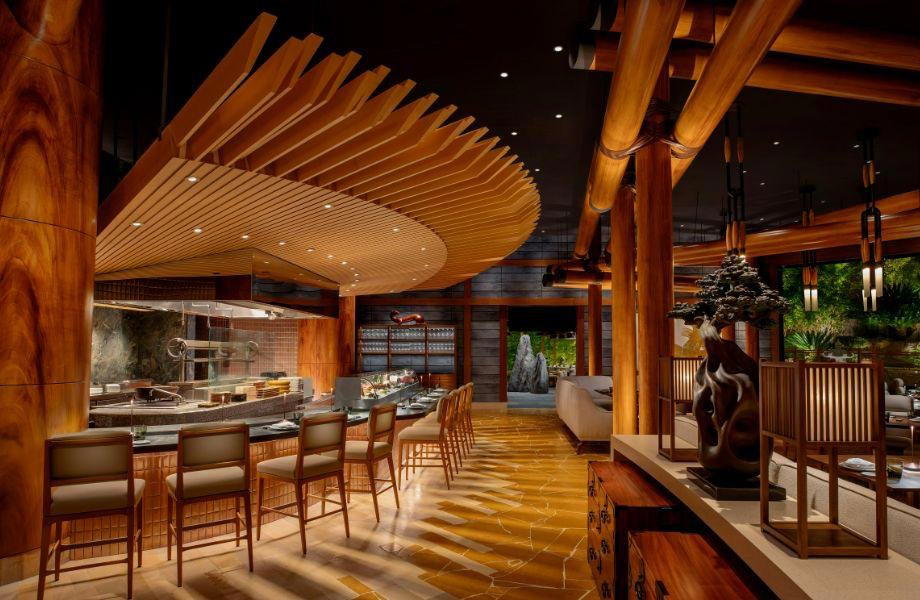
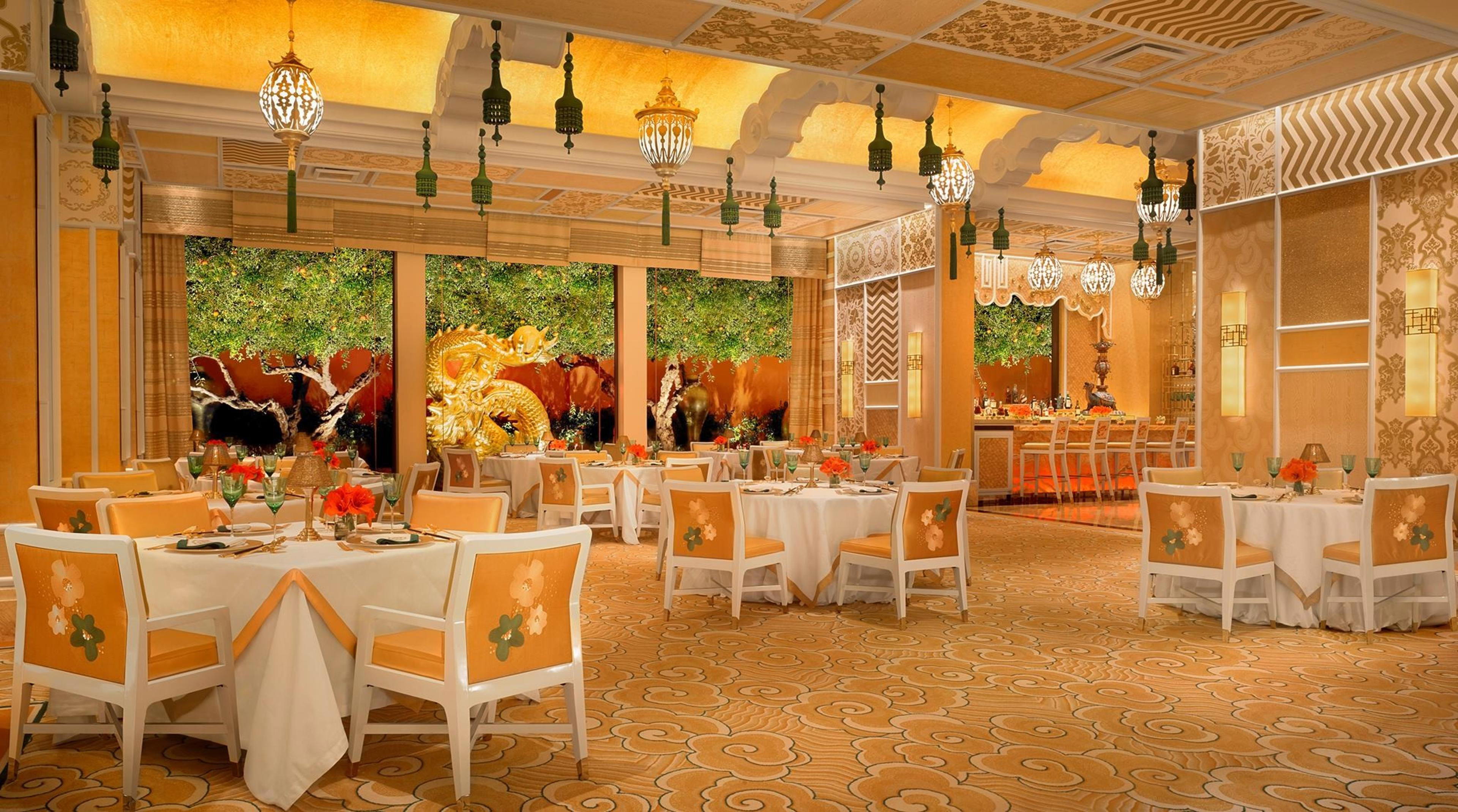
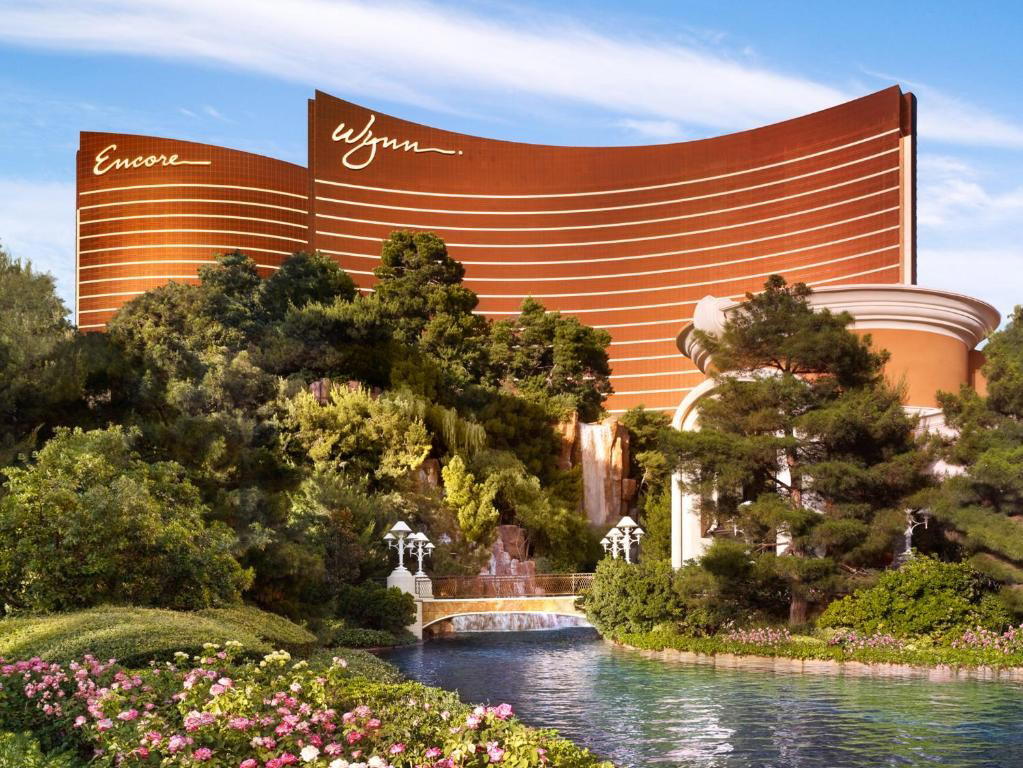
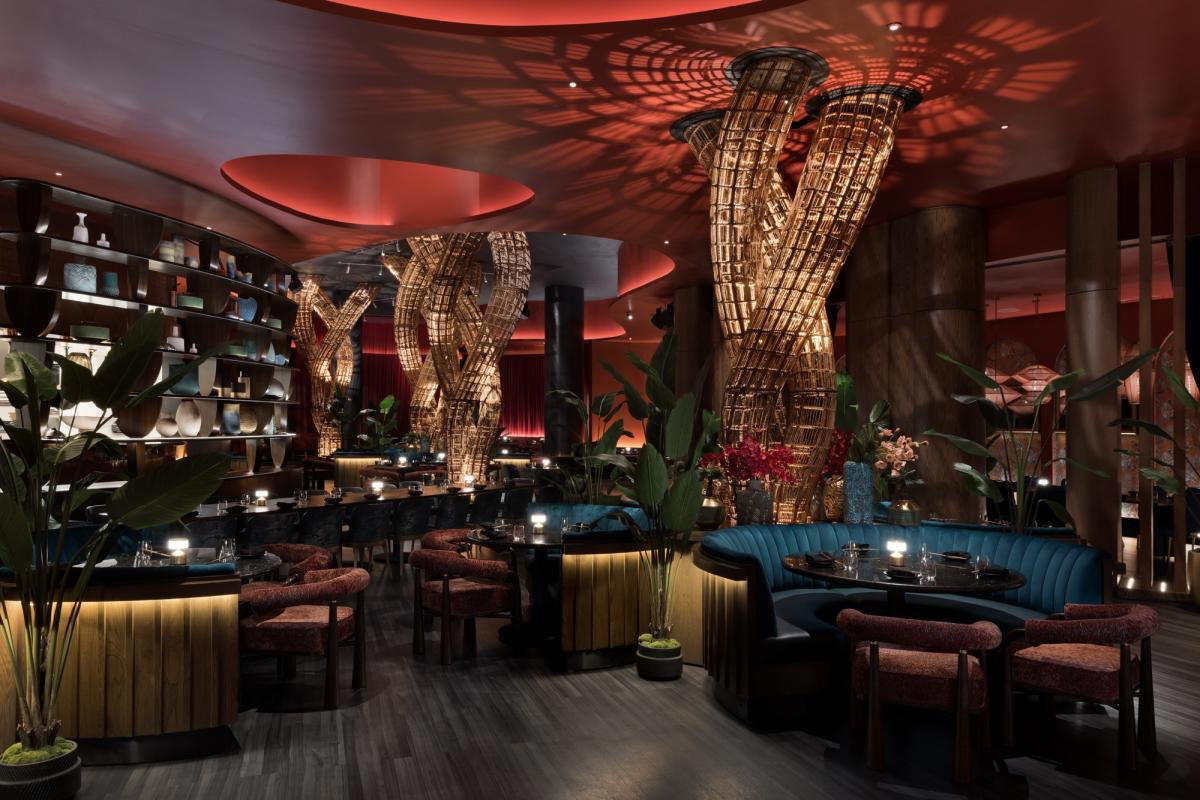
On a Strip corridor defined by spectacle and volume, Komodo at 2777 S Las Vegas Blvd occupies a different register. The experience here is structured around a ritual that most restaurants in Las Vegas do not offer: guests who arrive early are invited into a hands-on class before the dining room takes over. A cocktail, some sake, and a working lesson in dumpling-making or sushi technique set the pace for what follows. The meal is not the opening act; it is the continuation of something already in motion.
This format places Komodo in a small category of Strip venues where participation replaces passive consumption. Comparable participatory dining formats in other cities, including the communal-performance model at Lazy Bear in San Francisco and the chef-led engagement at Alinea in Chicago, demonstrate that when the ritual of a meal is designed deliberately, it changes what the food means. At Komodo, the logic is the same, applied to a more accessible, hands-on format.
The Structure of the Experience
The key distinction here is sequencing. In most Las Vegas restaurant formats, including the elaborate multicourse productions at places like Aqua Seafood & Caviar Restaurant by Shaun Hergatt, the guest arrives and receives. At Komodo, the offer is different: those who want a deeper engagement with the food are invited to come early, work with the kitchen team directly, and build a baseline of understanding before the formal meal begins. The dumpling class and the sushi class are the two documented entry points, and each one functions as a contextual prologue.
This structure echoes a broader shift across premium dining globally. The old transactional model, in which a restaurant's job was to produce and the diner's job was to consume, has given way in certain tiers to something more collaborative. The format at Single Thread Farm in Healdsburg and the ceremonial pacing at The French Laundry in Napa both reflect, in their own ways, the idea that dining ritual carries as much weight as the dish itself. Komodo's approach brings that philosophy to a more approachable format, one that doesn't require a three-month booking lead time or a multi-hundred-dollar cover charge to access.
What the Ritual Signals About the Food
When a restaurant builds a class around dumpling technique or sushi preparation, it is making a claim about what it considers central to its identity. The choice to teach these formats, specifically, signals a kitchen that values the precision and tradition embedded in both. Dumpling-making across Chinese and East Asian traditions is a craft with regional variation and accumulated technique; sushi preparation carries its own strict grammar of rice temperature, knife work, and fish handling. Offering guests a window into either practice is a way of asserting that the food on the subsequent menu is not decorative but genuinely rooted in process.
Elsewhere on the Strip, Japanese technique is addressed in depth at Aburiya Raku, which operates in an izakaya register and draws a knowledgeable local crowd alongside Strip visitors. The decision by Komodo to frame the experience around a teaching moment rather than a performance positions it in a different way: the guest leaves with something transferable, not just a memory.
Placing Komodo in the Strip's Dining Tier
The Strip operates across a wide range of dining formats, from the volume-driven approach of large buffet operations to the precision of chef-driven fine dining rooms. Komodo sits in a middle tier that is increasingly interesting: experiential restaurants where the format itself is the distinguishing factor, not the celebrity chef attachment or the Michelin signal. This is a growing category globally. The cooking-integrated dining model has precedents in places like Emeril's in New Orleans, where the personality of the kitchen permeates the guest experience, and at the highest levels of European fine dining, as seen at Alain Ducasse's Louis XV in Monte Carlo.
Komodo's version is less formal and more participatory. The cocktail and sake component at the start of the experience also indicates a thoughtfully sequenced drinks program, one that uses beverages not as an afterthought but as part of the ritual pacing. Sake, in particular, is a pairing with considerable depth when matched to the formats being taught; its regional variation and production categories offer as much complexity as a wine list, and its presence at the start of the experience suggests the kitchen is aware of that alignment.
For context on how other Strip restaurants handle the experiential question at different price and format points, Craftsteak and Ada's Food + Wine both represent the more conventional end of the guest experience spectrum, where execution is the primary offer. Komodo's differentiation is not about technique being superior, but about the guest relationship being structured differently from the start.
Planning Your Visit
Komodo is located at 2777 S Las Vegas Blvd, placing it on the central Strip corridor. Guests who want the full experience, class plus meal, should plan to arrive early and communicate that intent when booking, since the pre-meal class is opt-in rather than automatic. The cocktail and sake component at the start means pacing is built in; this is not a format suited to a short time window before a show. Budget at least two to three hours for the complete experience.
For broader context on where Komodo sits within the Las Vegas dining picture, EP Club's full Las Vegas restaurants guide covers the range of formats and price tiers across the city. If your visit extends beyond dining, the Las Vegas hotels guide, bars guide, and experiences guide map the wider options. The Amata Modern Thai listing is also worth consulting for visitors interested in Southeast and East Asian culinary formats at different points on the Strip. For those whose reference points extend beyond the US, 8½ Otto e Mezzo Bombana in Hong Kong and Le Bernardin in New York City represent the kind of format discipline and kitchen seriousness that Komodo, in its own register, is gesturing toward.
Frequently asked questions
What's Komodo's location?
Komodo is located at 2777 S Las Vegas Blvd, Las Vegas, NV 89109, Las Vegas.
What awards or recognition does Komodo have?
Komodo has received recognition including: Come for the dumpling or sushi class and stay for the meal. The chef and team here invite those who want more of an experience to arrive early and enjoy a cocktail, some sake and a hands-on experience....
What's the best thing to order at Komodo?
The dumplings and sushi are central enough to the kitchen's identity that the venue built hands-on classes around both. That signals where the kitchen's focus sits. Guests who arrive early for the class format get the most from those dishes, given the context of having just made them.
How hard is it to get a table at Komodo?
Specific reservation lead times aren't documented in available data, but guests who want the full class-plus-meal sequence are advised to plan ahead and arrive early. The class component adds a scheduling layer beyond a standard dinner booking on the Strip.
What has Komodo built its reputation on?
Komodo's documented reputation rests on its pre-meal participation format: guests can arrive early for a cocktail, sake, and a hands-on dumpling or sushi class before sitting down to eat. On a Strip corridor where most venues compete on scale and spectacle, that sequenced structure is the differentiating factor.
How does Komodo handle allergies?
Guests with dietary restrictions should check the venue's official channels before booking, particularly given the hands-on class component involving raw fish and dough-based preparations.
Can you just do the cooking class at Komodo without staying for dinner?
Based on documented information, the class is structured as an early-arrival add-on to the full meal experience rather than a standalone offering. The format pairs a cocktail and sake reception with the dumpling or sushi class, with dinner following. Guests interested in the class-only option should confirm the current format directly with the venue at 2777 S Las Vegas Blvd.
What It’s Closest To
Comparable venues nearby, for context on price, style, and recognition.
| Venue | Cuisine | Price | Awards | Notes |
|---|---|---|---|---|
| KomodoThis venue — the venue you are viewing | Southeast Asian Fusion | $150–200 | Star Wine List | Not listed |
| Rang's Cocina Moderne | Modern Spanish-Italian-Asian Fusion | $50–100 | Not listed | Charleston Heights |
| SW Steakhouse at Wynn Las Vegas | Classic Steakhouse with Wagyu | $150–200 | Wine Spectator Best of Award of Excellence · Forbes 4-Star | South Las Vegas |
| YU-OR-MI Pan Asian - Art District | Pan-Asian Fusion with Sushi and Thai | $50–100 | Not listed | Arts District |
| High Steaks Vegas | Modern American Steakhouse | $100–150 | Star Wine List | Off-Strip |
| Michael's | Classic American Fine Dining | $150–200 | Not listed | The Highlands |
Recognition history
Dated appearances from independent guides and award organizations, with the underlying list record or original source where available.
Star Wine List
Star Wine List