Amata Modern Thai

Star Wine List
Our verdict
Amata Modern Thai on South Rainbow Boulevard approaches the traditions of Thai and Lao street cooking through a contemporary lens, sitting in the quieter residential-commercial corridor that Las Vegas diners seek out when the Strip's volume becomes its own obstacle. The kitchen works within a cuisine defined by layered fermented pastes, fresh aromatics, and wok technique, a tradition with more depth than the city's Southeast Asian dining options often reflect.

Pearl is the En Primeur Club membership app, where members save venues, book tables and use the concierge.
The menu
What to order
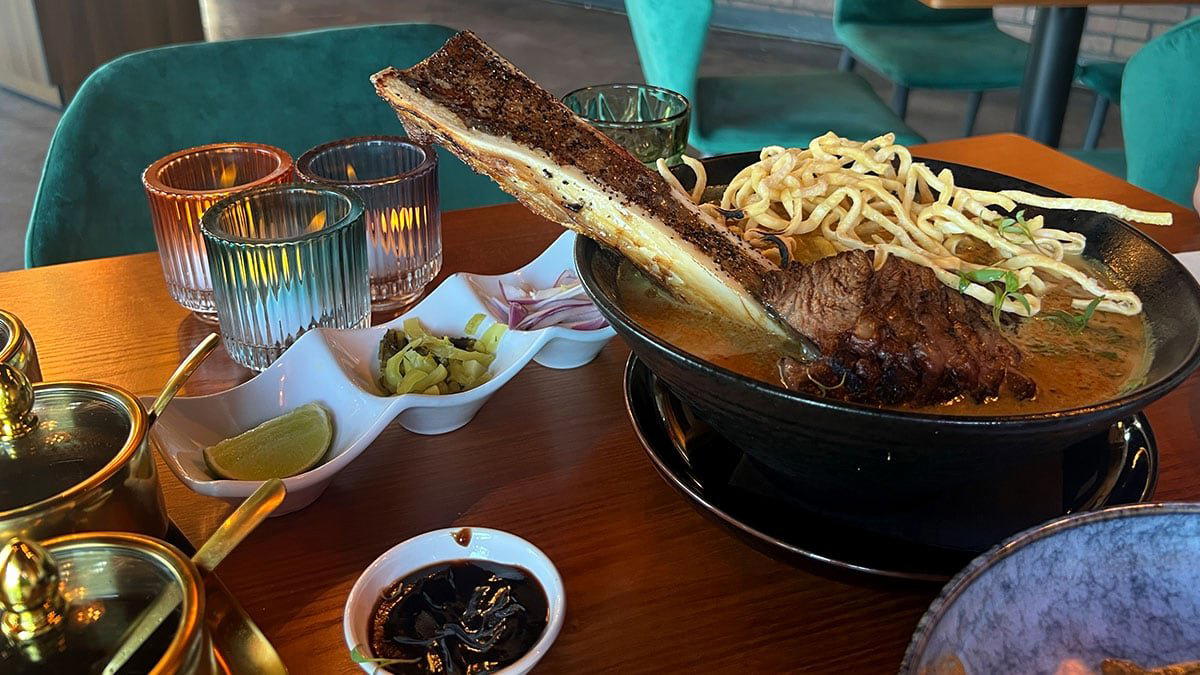
- Bone Marrow Short Rib Khao Soi
- Penang Ped Grob Crispy Duck Panang Curry
- Larb Nuea Spicy Beef Carpaccio
- Por Piea Ped Crispy Duck Rolls
Off the Strip, Into the Tradition
Las Vegas has two distinct dining geographies. The first is the resort corridor, where rooms are designed around spectacle and the price of real estate compresses menus into high-margin formats. The second is the city that locals actually inhabit: the strip-mall stretches of South Rainbow Boulevard, Decatur, and Spring Mountain Road where Vietnamese, Thai, Lao, and Chinese kitchens operate without the pressure of a hotel F&B; director reviewing the P&L.; Amata Modern Thai sits in that second geography, at 5597 S Rainbow Blvd in the southwest pocket of the valley, where the dining culture rewards cooking over concept.
That geography matters for Thai food specifically. The cuisine's defining techniques, the speed of wok cooking over high heat, the balance of fermented shrimp paste against fresh lime, the use of toasted dried chillies as a base note rather than a heat instrument, translate poorly to hotel kitchens calibrated for allergist-friendly volume. Street food traditions, which underpin the majority of Thailand's most respected dishes, require a cook's instinct more than a brigade's consistency. Restaurants in residential corridors tend to preserve that instinct better than their resort-adjacent counterparts.
What Lao Influence Changes
The menu at Amata operates within a Thai framework but carries Lao influences, a distinction worth understanding before you sit down. Thai and Lao cuisines share a common pantry, sticky rice, fermented fish sauce, galangal, lemongrass, but Lao cooking pulls harder on fermented and grilled preparations. Where Thai street food leans into the wok, Lao tradition leans into the mortar, the grill, and the clay pot. Papaya salad in the Lao mode (tam mak hoong) is more aggressively fermented and funkier than the Thai-Chinese version that migrated into Bangkok's night markets. Larb, the chopped meat salad with roasted rice powder and fresh herbs, reads differently depending on which side of the Mekong it comes from.
A Las Vegas kitchen that threads both traditions into a single menu is doing something that requires real clarity of intent. The city has a substantial Southeast Asian community, concentrated in part around the Spring Mountain Road corridor, and that community functions as a quality reference point for any Thai or Lao restaurant operating nearby. Cooking that lacks authenticity at its base gets noticed quickly in markets where diners have a working reference for what the dish should taste like.
The Street Food Case for This Kitchen
Bangkok's hawker tradition built its reputation on specialization: one vendor, one dish, decades of repetition. The pad kra pao cart that opens at 6am near Silom, the boat noodle shop on the canal in Rangsit, the grilled pork neck vendor outside a temple in Chiang Mai, these are not restaurants in any Western sense of the word. They are techniques compressed into a single expression, refined by volume and time. When a modern restaurant frames itself around that tradition, the question is always whether the technique survives the translation into a fixed address and a broader menu.
The designation "modern" in Amata's name signals a conscious positioning between those hawker roots and a dining-room format. This is increasingly common across Thai restaurants in American cities: the menu broadens to include dishes from multiple regions, the presentation tightens, the noise level drops, and fermented ingredients that might challenge a first-time diner get handled with a lighter touch. The risk in that translation is that the dish loses its edge. The better modern Thai kitchens in cities like Los Angeles, Houston, and Seattle have shown that the approach can work when the cook understands the original well enough to decide what to adapt and what to preserve.
For context on how different the ambitions can be across the wider EP Club dining coverage, compare the Las Vegas positioning of a neighbourhood Thai kitchen to the formal tasting formats at Le Bernardin in New York City, the California produce-driven precision of The French Laundry in Napa, or the ingredient-obsessed format at Single Thread Farm in Healdsburg. Those rooms operate in a different tier of formality and investment. Amata operates closer to the register of Aburiya Raku, the Japanese charcoal grill specialist that Las Vegas regulars treat as a neighbourhood anchor despite its critical recognition, a room where the cooking is serious without the room being ceremonial.
How Amata Fits the Las Vegas Off-Strip Scene
The restaurant sits in a part of Las Vegas where dining decisions are made on reputation rather than foot traffic. Nobody walks past 5597 S Rainbow Blvd and steps in on impulse. The clientele is composed of people who came specifically, which shifts the dynamic of a room in ways that matter. Off-Strip Las Vegas has produced some of the city's most consistent cooking, Aburiya Raku built a years-long following before wider recognition arrived, and the Spring Mountain corridor has a cluster of Chinese and Vietnamese kitchens that hold local loyalty without any formal award recognition. Amata operates in that ecosystem.
For visitors planning a broader Las Vegas dining itinerary, the contrast between the Strip and the residential dining scene is worth building into the plan deliberately. The resort restaurants, places like Craftsteak, Aqua Seafood & Caviar Restaurant by Shaun Hergatt, and Ada's Food + Wine, serve a particular purpose and do it with considerable resource. Amata serves a different purpose: a kitchen rooted in a specific regional tradition, operating in the part of the city where that tradition has a community behind it. The Bacchanal Buffet at Caesars represents another axis entirely, where scale and variety are the point. These are not competing formats, they answer different questions about what a Las Vegas meal is for.
For the full picture of what the city offers across categories, our full Las Vegas restaurants guide maps the landscape from Strip anchors to neighbourhood specialists. The Las Vegas bars guide, hotels guide, wineries guide, and experiences guide cover the adjacent planning decisions that shape a visit.
Planning Your Visit
Amata is located at 5597 S Rainbow Blvd, Suite 110, Las Vegas, NV 89118, a southwest-side address that sits outside the resort corridor and requires a deliberate drive or rideshare from the Strip. The strip-mall format is standard for this part of the city and carries no bearing on the quality of what the kitchen produces; some of the most consistent cooking in the American Southwest operates out of exactly this kind of space. Current hours, booking method, and pricing are best confirmed directly, as the restaurant's contact details and online presence were not available at the time of writing.
Frequently asked questions
Would Amata Modern Thai be comfortable with kids?
A neighbourhood Thai restaurant at this price tier and setting, away from the high-energy Strip environment, tends to be more relaxed and family-tolerant than Las Vegas's formal dining rooms. Thai cuisine's structure, individual dishes shared across the table, rice as a base, a range of mild and spiced preparations, adapts naturally to mixed-age groups. That said, some Lao-influenced preparations lean on fermented intensity and fresh chilli heat that younger diners may find challenging. Confirming the kitchen's flexibility with spice levels directly is the practical step before bringing children.
Is Amata Modern Thai formal or casual?
By Las Vegas standards, where formality often tracks with Strip location and award recognition, Amata reads as casual. The South Rainbow address, the strip-mall setting, and the neighbourhood positioning all point toward a relaxed dining register, closer to the approachable end of the city's Thai and Southeast Asian options than to the white-tablecloth tier occupied by venues like Alain Ducasse- Louis XV in Monte Carlo or the tasting-menu formats of Alinea in Chicago. No dress code information is publicly available, but smart casual would be appropriate for the category and location.
What do people recommend at Amata Modern Thai?
What the cuisine type signals, however, is that a kitchen working with Thai and Lao influences will likely anchor its menu around dishes where technique is visible: wok-fried preparations that require high heat and timing, papaya salad built on fermented ingredients, and larb-style chopped salads with toasted rice powder and fresh aromatics. These are the dishes that separate kitchens serious about the tradition from those working from a generic pan-Asian template. The Lazy Bear in San Francisco and Emeril's in New Orleans demonstrate how regional specificity anchors a kitchen's identity, the same principle applies here at a different price point and register.
Does Amata Modern Thai represent a different category of Thai food than what's available on the Las Vegas Strip?
Thai restaurants within Las Vegas resort properties typically adapt the cuisine toward broader palatability, reducing fermented intensity, moderating chilli heat, and standardising portion formats for high-volume service. A neighbourhood kitchen with Lao influences, operating in a community where Southeast Asian diners form part of the regular clientele, operates under different pressures. The result is usually a menu that holds closer to its source traditions, particularly on dishes like som tam and larb where the fermented and grilled notes are the point. For diners whose reference for Thai food is the Strip, Amata likely reads as a meaningfully different, and more regionally grounded, version of the cuisine.
Budget and Context
Comparable venues nearby, for context on price, style, and recognition.
| Venue | Cuisine | Price | Awards | Notes |
|---|---|---|---|---|
| Amata Modern ThaiThis venue (the venue you are viewing) | Modern Thai | $50–100 | Star Wine List | Not listed |
| Weera Thai Restaurant | Authentic Thai-Issan | $20–30 | Not listed | Las Verdes Heights, Authentic Thai-Issan |
| Nittaya's Secret Kitchen | Modern Thai Tapas | $30–50 | Not listed | Desert Shores, Modern Thai Tapas |
| Wally's Las Vegas | French Contemporary with Wine Focus | $50–100 | Star Wine List · Wine Spectator Best of Award of Excellence | Northern Strip, French Contemporary with Wine Focus |
| Lamaii | Modern Thai | $30–50 | Michelin Plate · Star Wine List | The Asian District, Modern Thai |
| La Cave Wine & Food Hideaway | Contemporary American Small Plates | $50–100 | Star Wine List | South Las Vegas, Contemporary American Small Plates |
Recognition history
Dated appearances from independent guides and award organizations, with the underlying list record or original source where available.
Star Wine List
Star Wine List
Continue exploring
More in Las Vegas
Restaurants in Las Vegas
All restaurants in Las Vegas →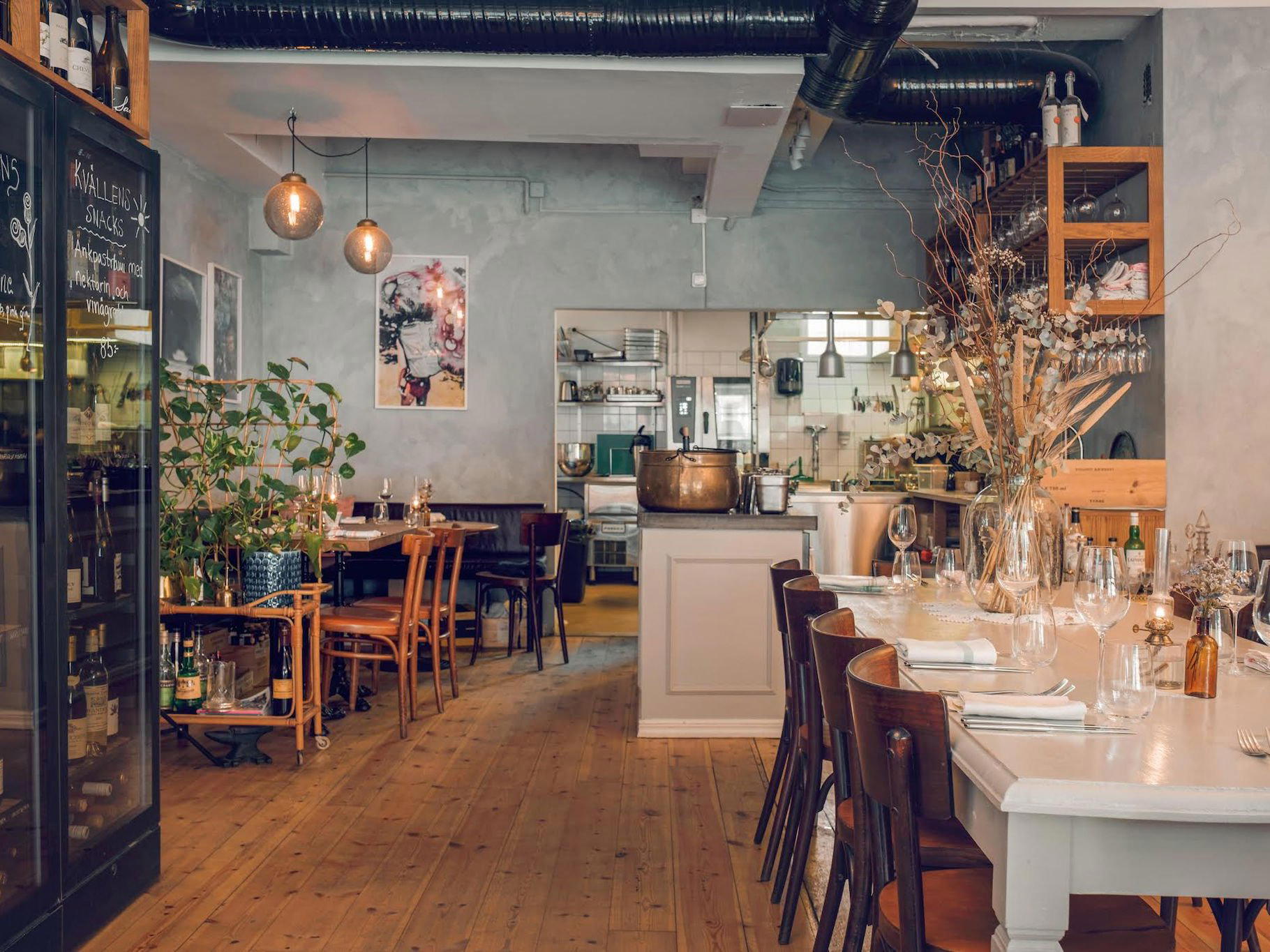
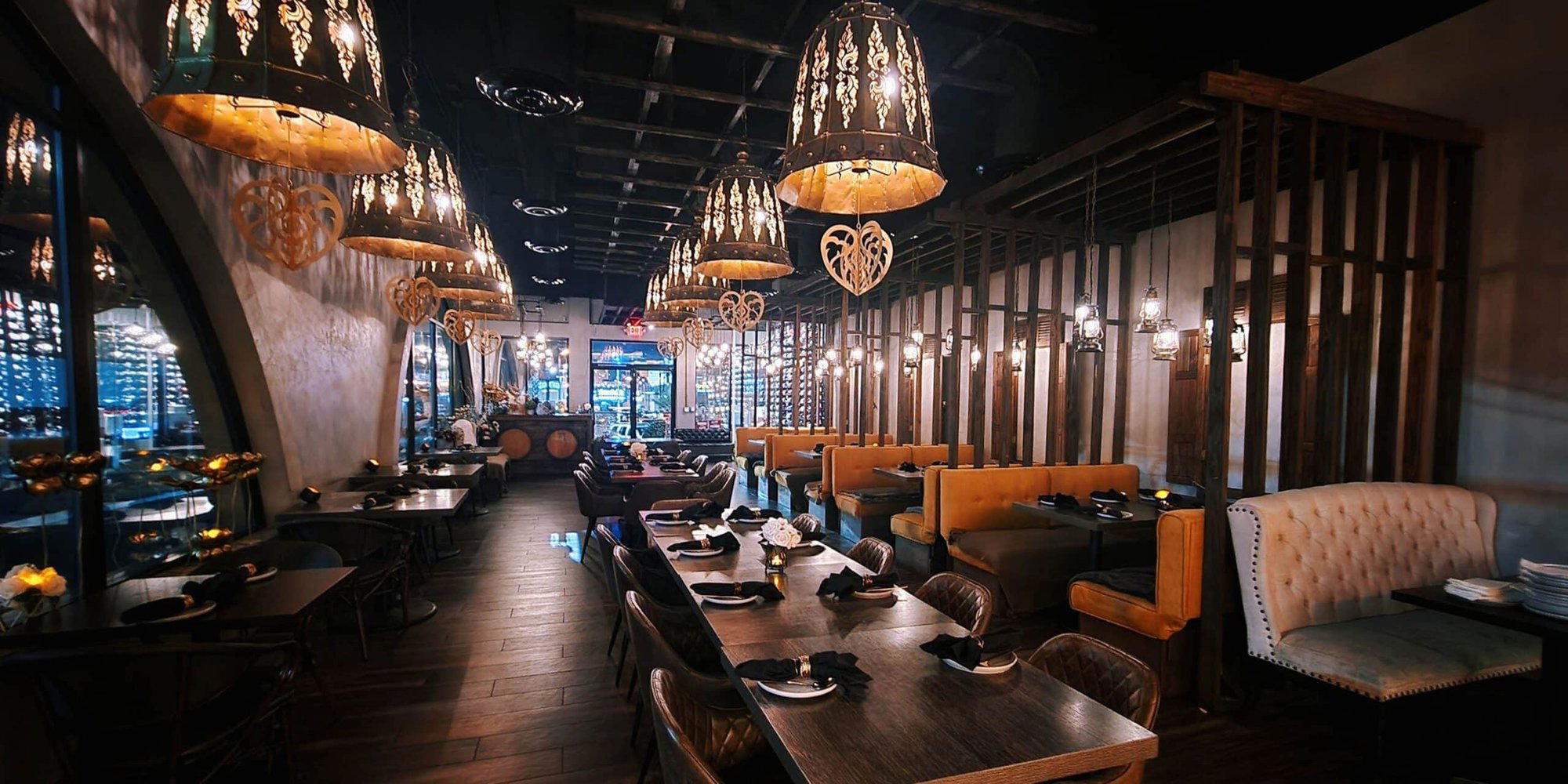
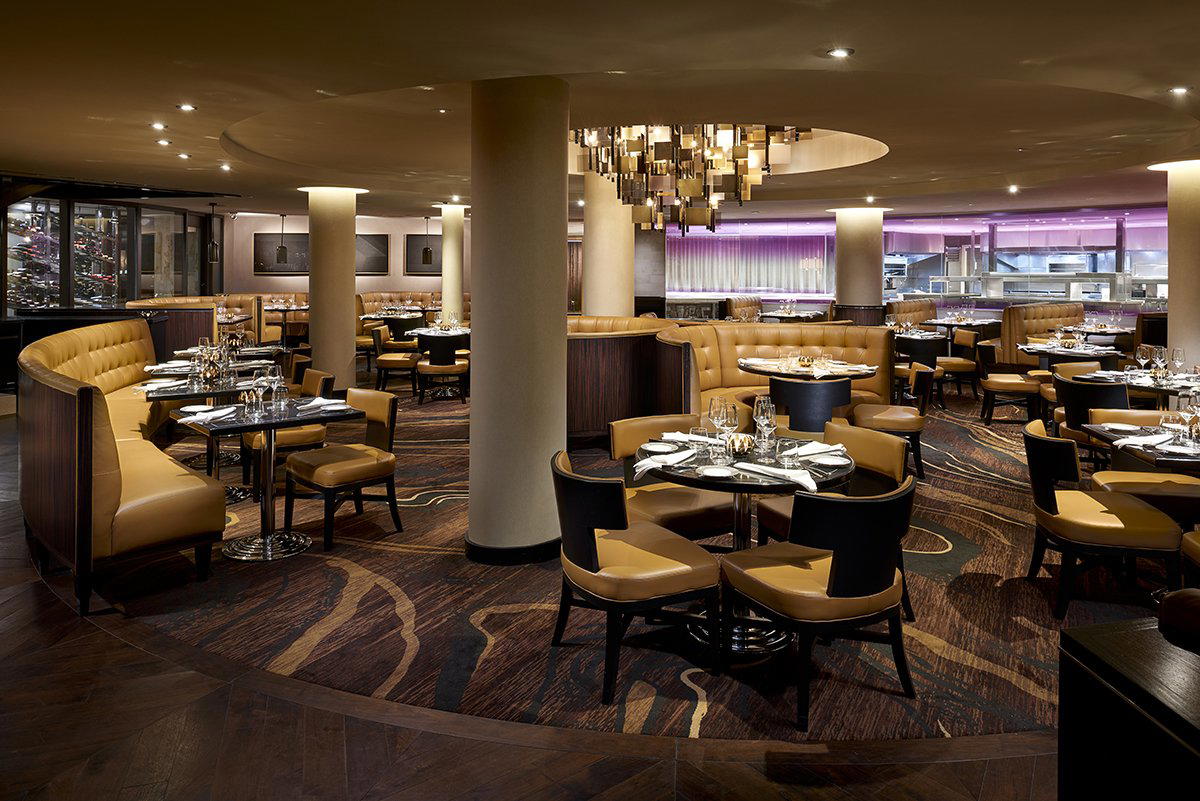
Bars in Las Vegas
All bars in Las Vegas →
Details
- Modern
- Cozy
- Elegant
- Trendy
- Date Night
- Group Dining
- Celebration
- Casual Hangout
- Open Kitchen
- Private Dining
- A La Carte
- Small Plates
- Vegetarian Friendly
Current opening hours
- Monday
- 11 AM–9 PM
- Tuesday
- 11 AM–9 PM
- Wednesday
- 11 AM–9 PM
- Thursday
- 11 AM–9 PM
- Friday
- 11 AM–11 PM
- Saturday
- 11 AM–11 PM
- Sunday
- 11 AM–9 PM
Hours can change for holidays and private events. Hours as of .
Warm, welcoming space with wood textures, mid-century chairs, mirrors, potted greenery, natural light, airy and balanced atmosphere.