On Ferrars Street in Southbank, KOMEYUI sits within Melbourne's quieter end of the Japanese dining spectrum, where the emphasis falls on craft over theatre. The address places it a short walk from the arts precinct, making it a practical choice before or after an evening at the nearby venues. For those working through Melbourne's Japanese options, it belongs on the same planning conversation as the city's more prominent counters.
Pearl is the En Primeur Club membership app — saves, bookings, and concierge access live there. Same editors, same standards.
- Address
- 181 Ferrars St, Southbank VIC 3006, Australia
- Phone
- +61396455420
- Website
- komeyui.com.au
- Directions
- Get directions
 Saves & bookings on Pearl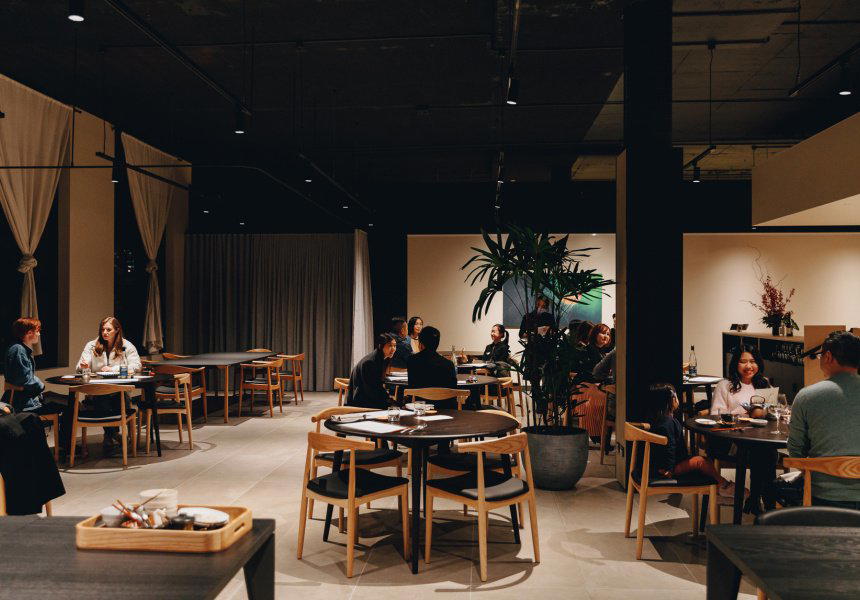
Southbank's Japanese Dining and Where KOMEYUI Fits
KOMEYUI Japanese Restaurant - Melbourne is a modern Japanese omakase and sushi restaurant in Southbank, Melbourne. The city runs a spectrum from high-volume ramen shops and conveyor-belt sushi in the CBD to counter-format omakase operations that book weeks out and price at a level that competes with the room at Attica. Sitting between those poles is a quieter middle register: restaurants on residential-adjacent streets, away from the Flinders Lane density, where the format is more relaxed but the sourcing and technique still warrant attention. KOMEYUI, at 181 Ferrars Street in Southbank, occupies that middle register. The address is not one of Melbourne's loudest dining corridors, and that relative quiet is part of what defines the experience of arriving here. Southbank carries a dual identity, arts precinct foot traffic on one side, a more residential feel as you move toward the quieter blocks, and Ferrars Street sits in the latter camp.
For those building a Melbourne itinerary around serious dining, the planning question with Japanese restaurants is less about finding them and more about sequencing. Melbourne now has enough credentialed Japanese cooking across suburbs and precincts that a thoughtful visitor or local could construct a week of dinners without repeating a format. KOMEYUI enters that conversation as the Southbank option, geographically distinct from the Japanese restaurants clustered further north or east, and worth factoring into any multi-night plan that also takes in options like Flower Drum for Cantonese or 48h Pizza e Gnocchi Bar for Italian.
Approaching the Booking: What to Know Before You Go
KOMEYUI is recommended for reservations, especially for weekend sittings. This is a city-wide pattern: strong local demand for Japanese dining, relatively limited capacity at the more considered end of the market, and an international visitor population that adds competitive pressure during peak periods. Above Board in the CBD is often cited as an example of how small-format bars and restaurants in Melbourne can develop outsized waiting lists relative to their physical footprint. The same dynamic plays out across Japanese dining at this level.
The practical advice is to contact in advance, especially for weekend sittings. Restaurants on quieter streets outside the main dining corridors sometimes carry less visible digital presence than their CBD counterparts, which can create the impression that they are easier to walk into than they actually are. The gap between a restaurant's online visibility and its actual availability is a consistent feature of Melbourne's mid-tier dining, and it catches visitors who assume that a lower-profile address means a lower-demand table.
For those planning around Melbourne's arts calendar, the Ferrars Street location is a relevant logistical detail. The proximity to the arts precinct means that pre-theatre dinner timing is genuinely viable from this address, more so than from restaurants in Fitzroy or Brunswick that require tram or rideshare time to reach the same destinations. That geographic utility does not diminish the dining case for KOMEYUI, but it does add a planning argument for visitors whose evenings are structured around performances or events nearby. Contrast this with the longer travel calculation required for destinations like Brae in Birregurra, which demands a full regional day-trip commitment.
The Cuisine Context: Japanese Cooking in Melbourne's Current Moment
Japanese cuisine in Melbourne has moved through several distinct phases over the past two decades. The early 2000s were defined by broad-market sushi bars and izakaya formats aimed at a market unfamiliar with regional Japanese distinctions. By the mid-2010s, a more technically serious generation had emerged, with chefs trained in Japan or under Japanese mentors introducing kaiseki-adjacent structures, single-product focus menus, and counter formats that prioritised the cooking process as a visible element of the dining experience. The present moment shows a further refinement: some of Melbourne's Japanese restaurants now operate at a price and format level that invites direct comparison with high-end Japanese dining in Sydney, or with the counter restaurants that Atomix in New York City and similar operations represent in the global conversation.
KOMEYUI sits within this evolved context. The address and the name signal a Japanese kitchen with considered intent, in a city where the competition for that positioning is genuine. Melbourne diners who have worked through the obvious landmarks, 7 Alfred for steak-frites, the established Cantonese rooms, the modern Australian fine dining tier, often find Japanese restaurants represent their most consistent source of discovery eating: formats that reward repeat visits, where a different seat or a different season produces a meaningfully different experience.
The comparison to Rockpool in Sydney is instructive in one sense: both cities have developed Japanese dining programmes that sit comfortably within the upper tier of their respective scenes, but Melbourne's geography means those programmes are distributed differently across suburbs and precincts rather than concentrated in a single harbour-adjacent district. For visitors accustomed to Sydney's waterfront dining geography, Southbank's arts-district positioning is the closest Melbourne equivalent in terms of concentrated foot traffic and venue density, though the character of the two areas diverges considerably on tone.
Planning Your Visit
Ferrars Street is accessible by tram from the CBD, and the Southbank Arts Precinct is a short walk, which makes the address more convenient on foot than it appears on a map. Those arriving from further afield, including visitors based in precincts like South Yarra or Northcote, will find rideshare one direct option for evening visits. Given Melbourne's dining demand patterns, booking rather than walking in is always the safer assumption for Japanese restaurants at this level, regardless of what a venue's online presence suggests about its accessibility.
A Quick Peer Check
Comparable venues nearby, for context on price, style, and recognition.
| Venue | Cuisine | Price | Notes |
|---|---|---|---|
| KOMEYUI Japanese Restaurant - MelbourneThis venue — the venue you are viewing | Modern Japanese Omakase & Sushi | $$$ | Not listed |
| Kazuki’s | Franco-Japanese Fine Dining | $$$$ | Carlton |
| Cote Basque | Basque Coast-Inspired European Grill | $$$ | CBD |
| Vasko Restaurant Functions | Modern Mediterranean | $$$ | Ivanhoe |
| Bistrot d'Orsay | Provençal Mediterranean French Bistro | $$$ | Melbourne |
| MoVida | Modern Spanish Tapas | $$$ | Melbourne |
Continue exploring
More in Melbourne
Restaurants in Melbourne
Browse all →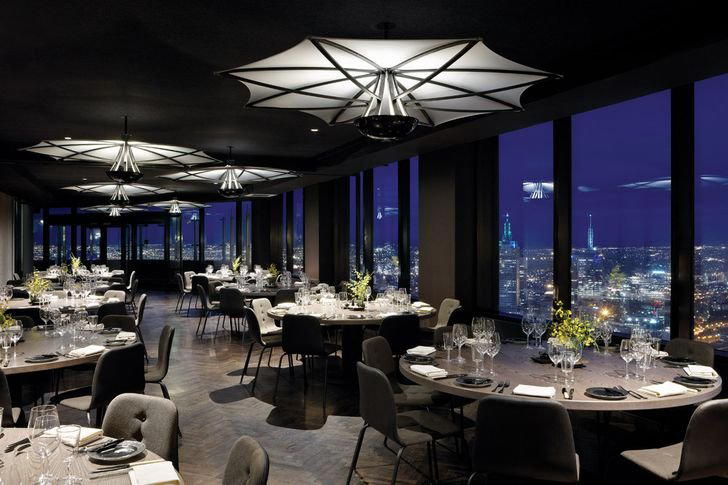
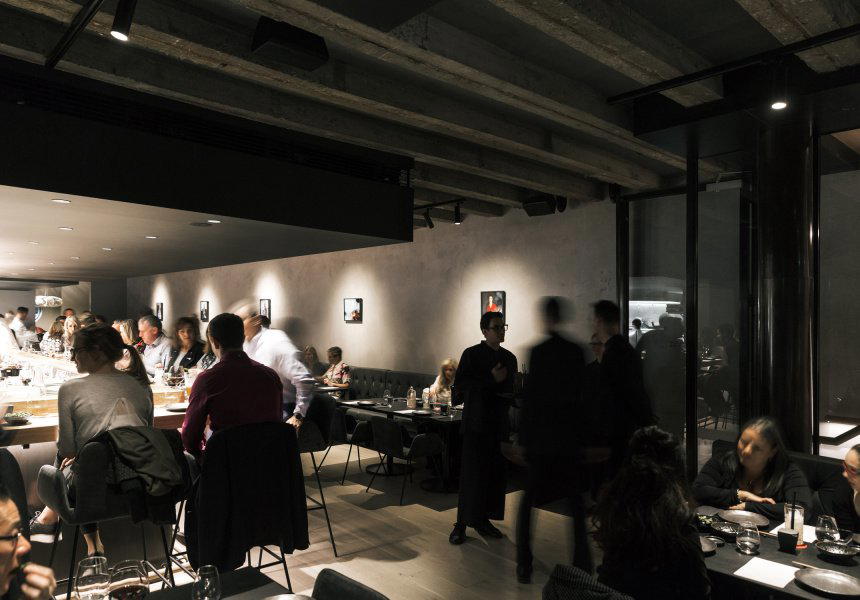
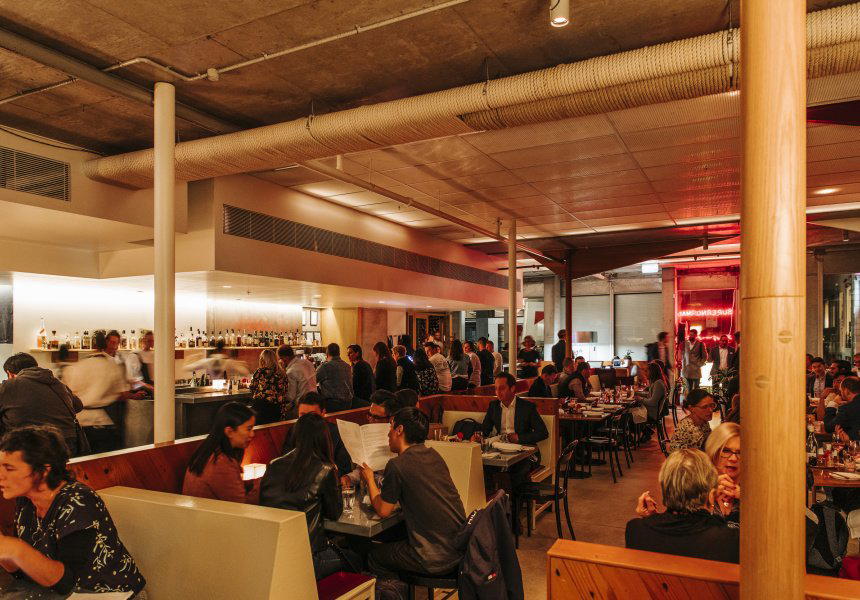
Bars in Melbourne
Browse all →
Hotels in Melbourne
Browse all →

At a Glance
- Elegant
- Modern
- Sophisticated
- Intimate
- Date Night
- Business Dinner
- Special Occasion
- Chefs Counter
- Open Kitchen
- Sake Program
Current opening hours
- Monday
- Closed
- Tuesday
- 11:30 AM–2:30 PM, 5:30–9:30 PM
- Wednesday
- 11:30 AM–2:30 PM, 5:30–9:30 PM
- Thursday
- 11:30 AM–2:30 PM, 5:30–9:30 PM
- Friday
- 11:30 AM–2:30 PM, 5:30–9:30 PM
- Saturday
- 11:30 AM–2:30 PM, 5:30–9:30 PM
- Sunday
- 11:30 AM–2:30 PM, 5:30–9 PM
Hours can change for holidays and private events. Last verified .
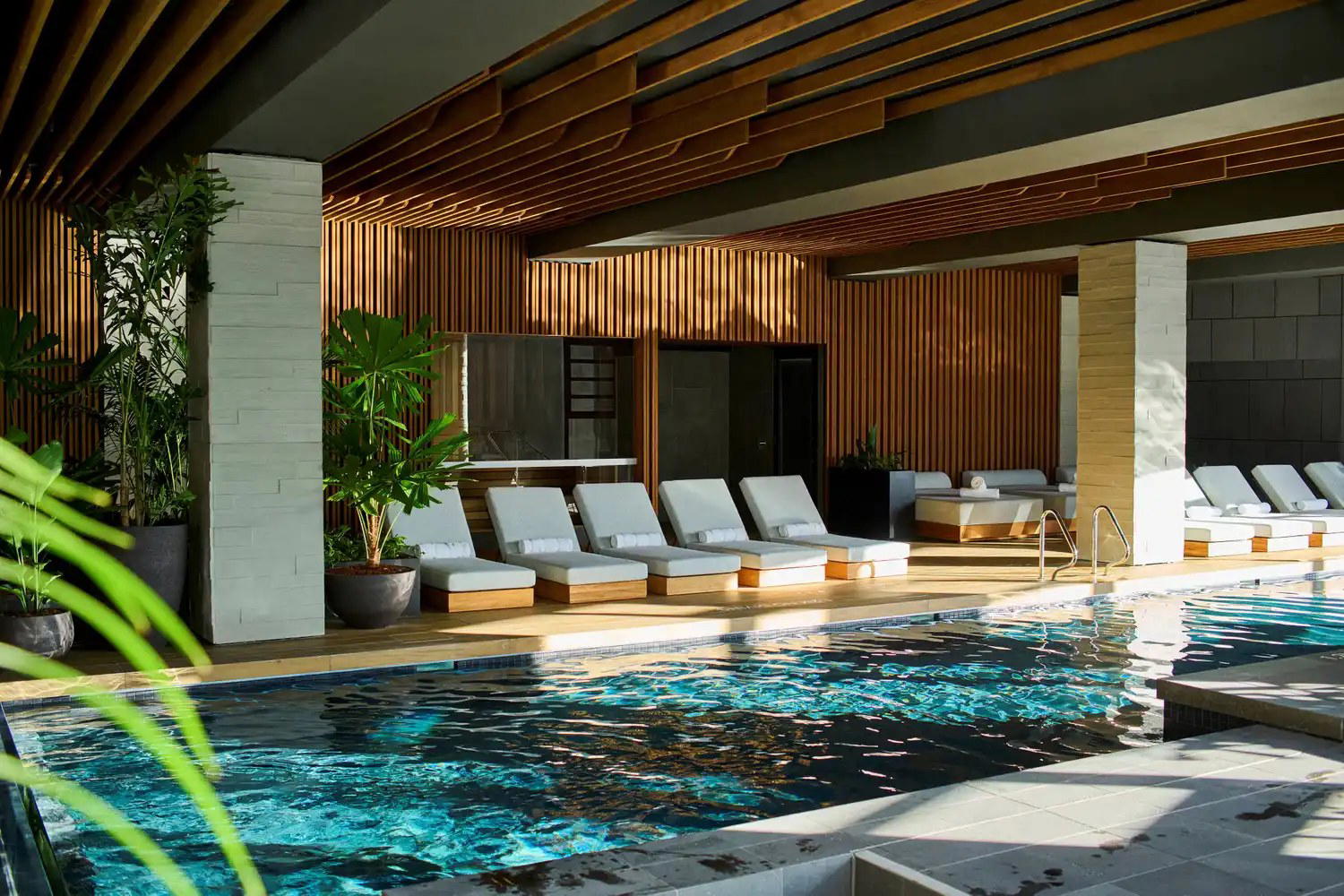
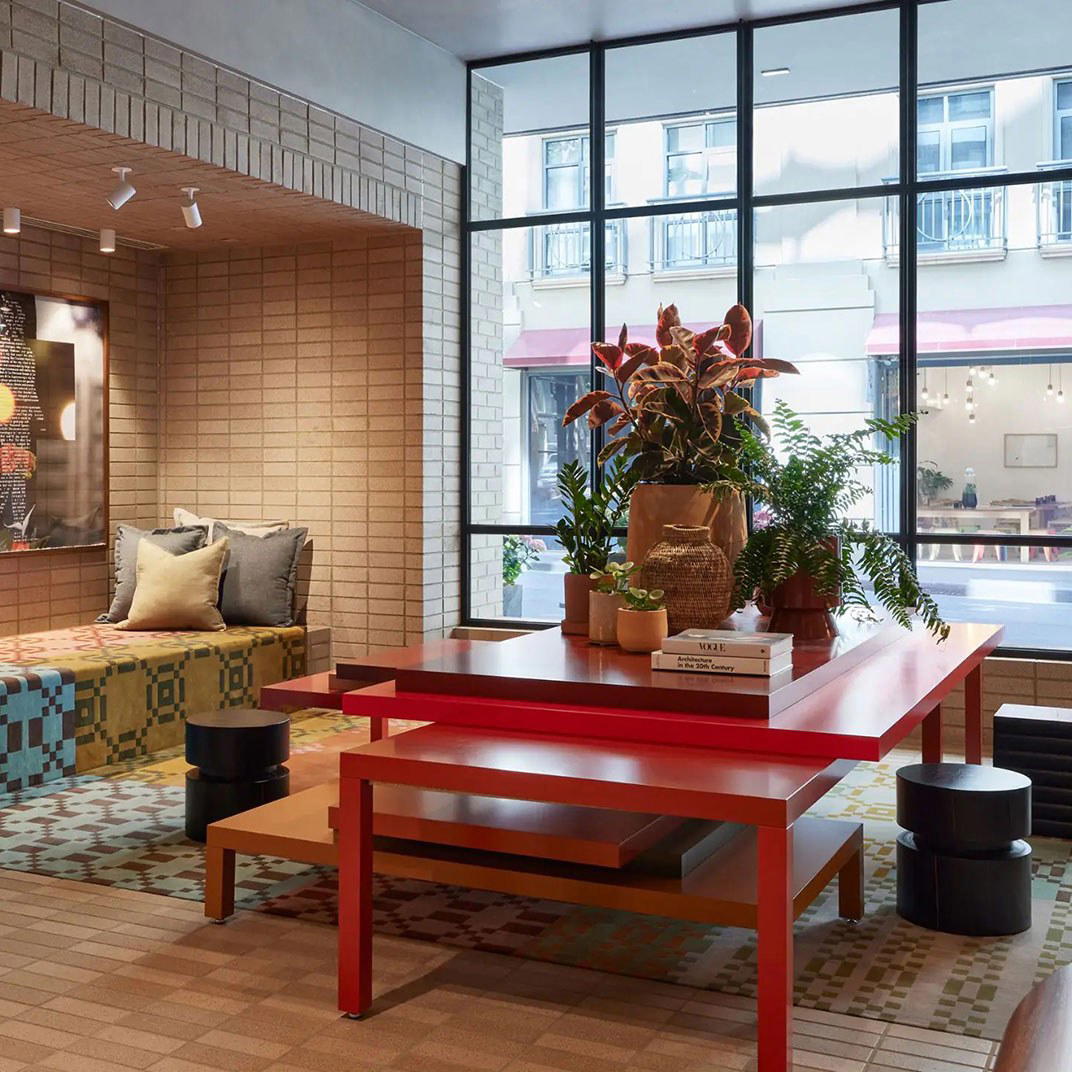
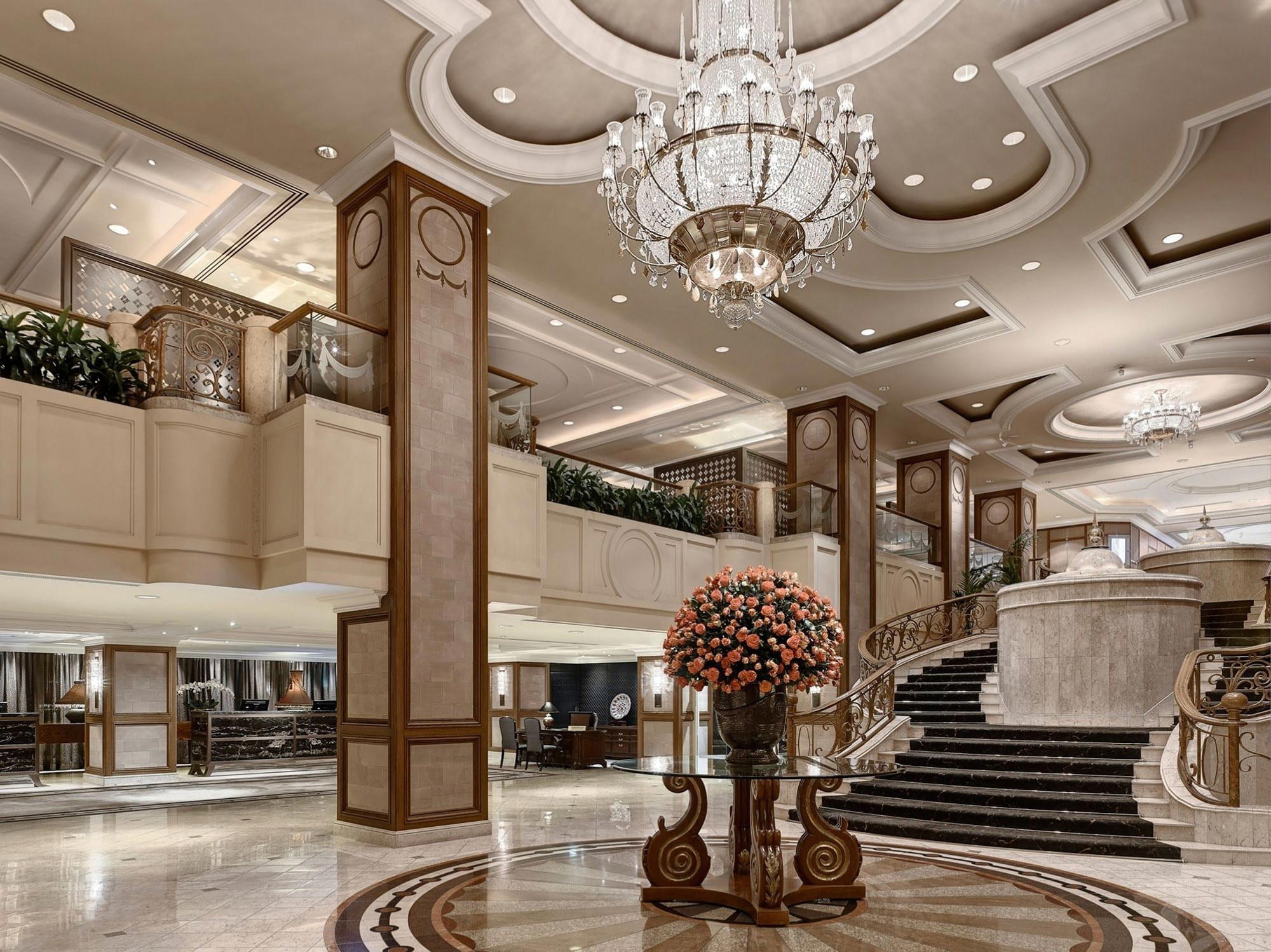
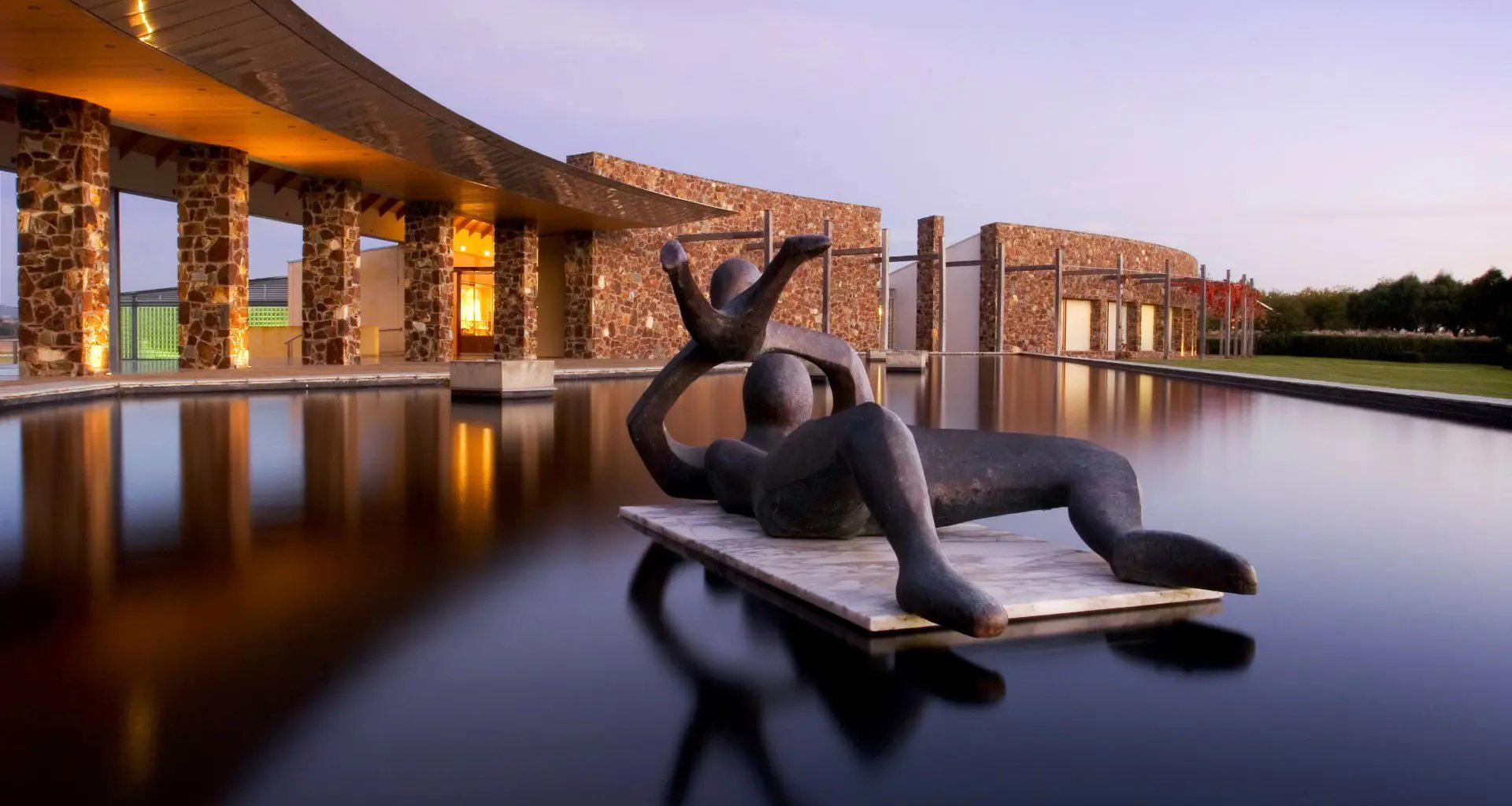
Elegant and classy atmosphere with modern sleek style, impeccably clean kitchen, and tastefully decorated spacious interior.