On Rue des Boulangers in Paris's 5th arrondissement, KOKORO occupies a stretch of the Latin Quarter where the neighbourhood's academic density gives way to quieter residential life. The address places it within a tradition of small, focused Paris restaurants that draw on cross-cultural culinary dialogue rather than canonical French cuisine. A reservation here positions you inside one of the city's more considered dining pockets.
Pearl is the En Primeur Club membership app — saves, bookings, and concierge access live there. Same editors, same standards.
- Address
- 36 Rue des Boulangers, 75005 Paris, France
- Phone
- +33144071329
- Directions
- Get directions
 Saves & bookings on Pearl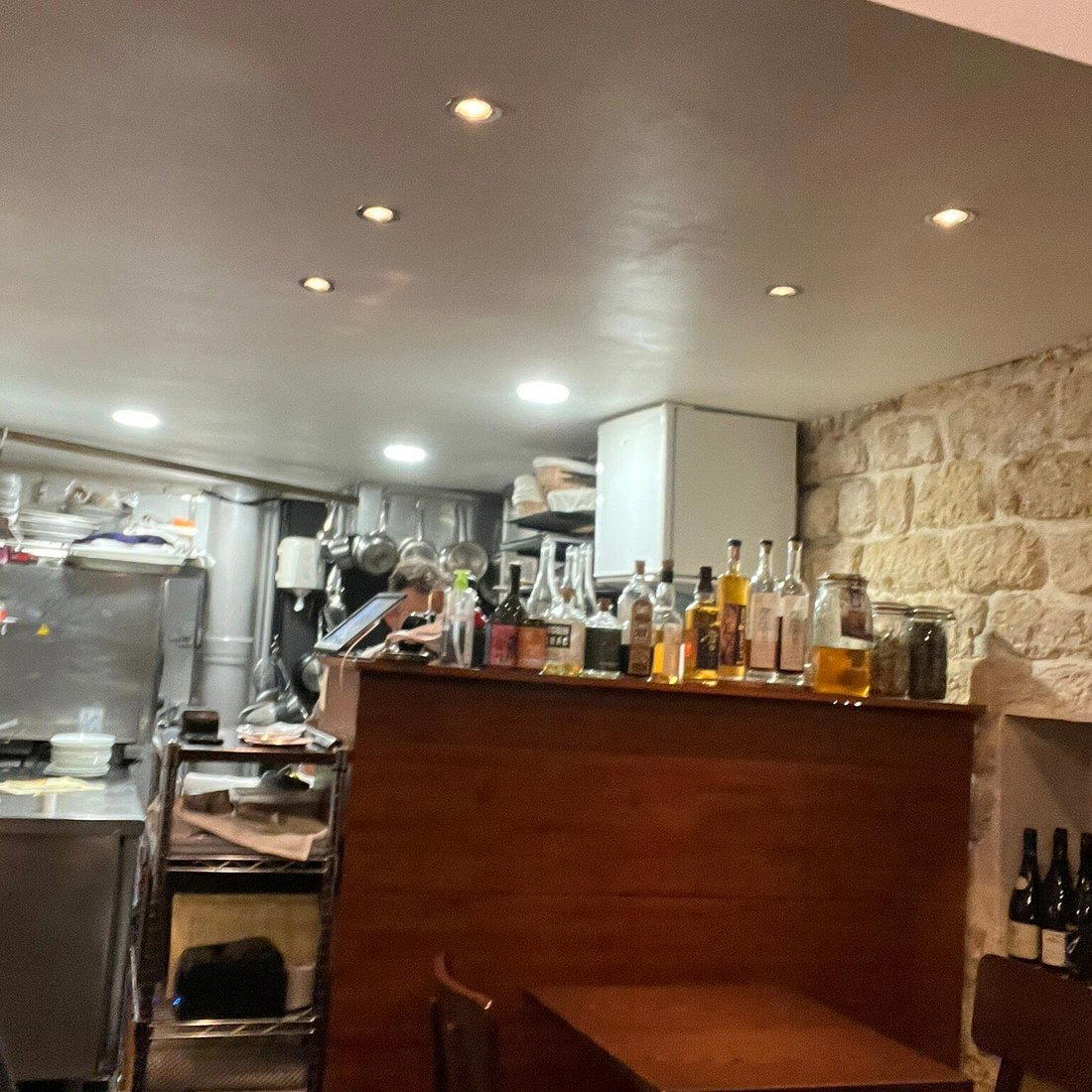
Rue des Boulangers and the 5th Arrondissement's Quieter Dining Register
The 5th arrondissement contains multitudes. On one axis, it runs through the Sorbonne corridor and the tourist pressure of the Latin Quarter's main arteries. On another, it shelters some of Paris's most serious small restaurants, tucked onto side streets where rents are lower and the clientele tends to arrive with a destination rather than a wander in mind. Rue des Boulangers belongs to the latter register: a quiet residential address in the eastern part of the arrondissement, closer to the Jardin des Plantes than to Saint-Michel, and far enough from the Boulevard Saint-Germain axis that foot traffic alone will not fill a dining room.
That geography is a filter. Restaurants that survive on streets like this one do so because they generate their own gravitational pull. KOKORO, at number 36, operates in that context: a Paris address that requires intention to reach, situated in a neighbourhood whose dining culture skews local and considered rather than aspirational or scene-driven. For the 5th's permanent residents, this stretch functions as an antidote to the Marais or Saint-Germain circuits. For visitors, it offers a different reading of how Paris eats when it is not performing for an audience.
Where KOKORO Sits in the Cross-Cultural Dialogue
Paris has long been a testing ground for Japanese-French culinary intersection. That conversation has produced some of the city's most closely watched restaurants across a broad spectrum, from the Michelin-starred formality of Kei, where Japanese sensibility is applied to high classical French technique, to smaller neighbourhood formats that approach the exchange from the Japanese side of the equation. The category is now established enough that Paris diners have calibrated expectations: a Japanese-influenced address in this city can mean anything from a €€€€ omakase counter to a bistro-format lunch with clear Japanese technique in the seasoning and plating.
KOKORO's address and neighbourhood positioning suggest it sits closer to the latter end of that range: a focused, probably intimate format rather than a grand-stage tasting menu operation. The 5th arrondissement's side-street addresses tend to house restaurants built on repeat local custom, where the value proposition is precision and consistency rather than spectacle.
For context on how Japanese-French dialogue operates at the other end of the formality scale, Le Cinq at the Four Seasons George V and L'Ambroisie represent the canonical French registers that the cross-cultural conversation is always, implicitly, in dialogue with. Arpège offers a different reference point: a three-star house that has moved toward vegetable-led cooking in ways that resonate with Japanese ingredient philosophy without being explicitly Japanese in identity.
The Latin Quarter's Place in Paris Dining Geography
The 5th arrondissement's dining reputation has always been complicated by its tourist density. The Rue de la Huchette corridor represents the worst of that problem: tourist-trap Greek restaurants and crêperies operating on volume and location rather than quality. But the arrondissement's eastern reaches, particularly the streets between the Rue Monge market and the Jardin des Plantes, function quite differently. This is a neighbourhood where Paris's academic and scientific communities eat regularly, and where the restaurant ecology reflects that: fewer destinations built on theatre, more on quiet reliability.
Nationally, France's most decorated restaurant culture extends well beyond Paris. Mirazur in Menton and Troisgros in Ouches anchor the provincial end of that reputation, while addresses like Flocons de Sel in Megève, Bras in Laguiole, and Auberge de l'Ill in Illhaeusern demonstrate how much serious cooking sits outside the capital. Within Paris, the question of where to eat has become increasingly neighbourhood-specific: the city's leading restaurants are distributed across arrondissements in ways that reward geographic knowledge rather than simply heading to the 8th. For visitors building a Paris itinerary, understanding that the 5th's quieter streets contain serious cooking is part of reading the city accurately. You can find our full orientation in the EP Club Paris restaurants guide.
Planning a Visit to KOKORO
Small restaurants on residential Paris streets tend to operate on limited covers and tightly managed reservation windows. Booking in advance is the standard discipline for this category of address, regardless of whether a restaurant holds formal accolades.
The Rue des Boulangers address is walkable from the Cardinal Lemoine and Jussieu Métro stations on line 7 and 10 respectively, placing it within easy reach of the Left Bank hotel cluster. The Jardin des Plantes is a short walk east, making the neighbourhood coherent as an afternoon-into-evening sequence if you are structuring a day around the arrondissement.
For comparison against peer venues in terms of planning logistics:
| Venue | Format | Price Tier | Booking Lead Time |
|---|---|---|---|
| KOKORO (5th arr.) | Small neighbourhood restaurant | Not confirmed | Advance recommended |
| Kei (1st arr.) | Contemporary French-Japanese | €€€€ | Several weeks minimum |
| Alléno Paris (8th arr.) | Creative tasting menu | €€€€ | Months in advance |
| L'Ambroisie (4th arr.) | Classic French | €€€€ | Weeks to months |
For regional French cooking at the highest award tier outside Paris, reference points include Paul Bocuse in Collonges-au-Mont-d'Or, Assiette Champenoise in Reims, Au Crocodile in Strasbourg, and Auberge du Vieux Puits in Fontjoncouse. For Japanese-influenced fine dining operating in a different national context, Atomix in New York and AM par Alexandre Mazzia in Marseille each demonstrate how Japanese precision and product-led philosophy translates across geographies. Le Bernardin in New York offers a parallel reference for French technique operating at high discipline outside its home country.
How KOKORO Paris compares with similar nearby venues.
| Venue | Cuisine | Price |
|---|---|---|
| Cucina Mutualité | Italian | €€ |
| Le Moulin à Vent | Modern Cuisine | €€ |
Continue exploring
More in Paris
Restaurants in Paris
Browse all →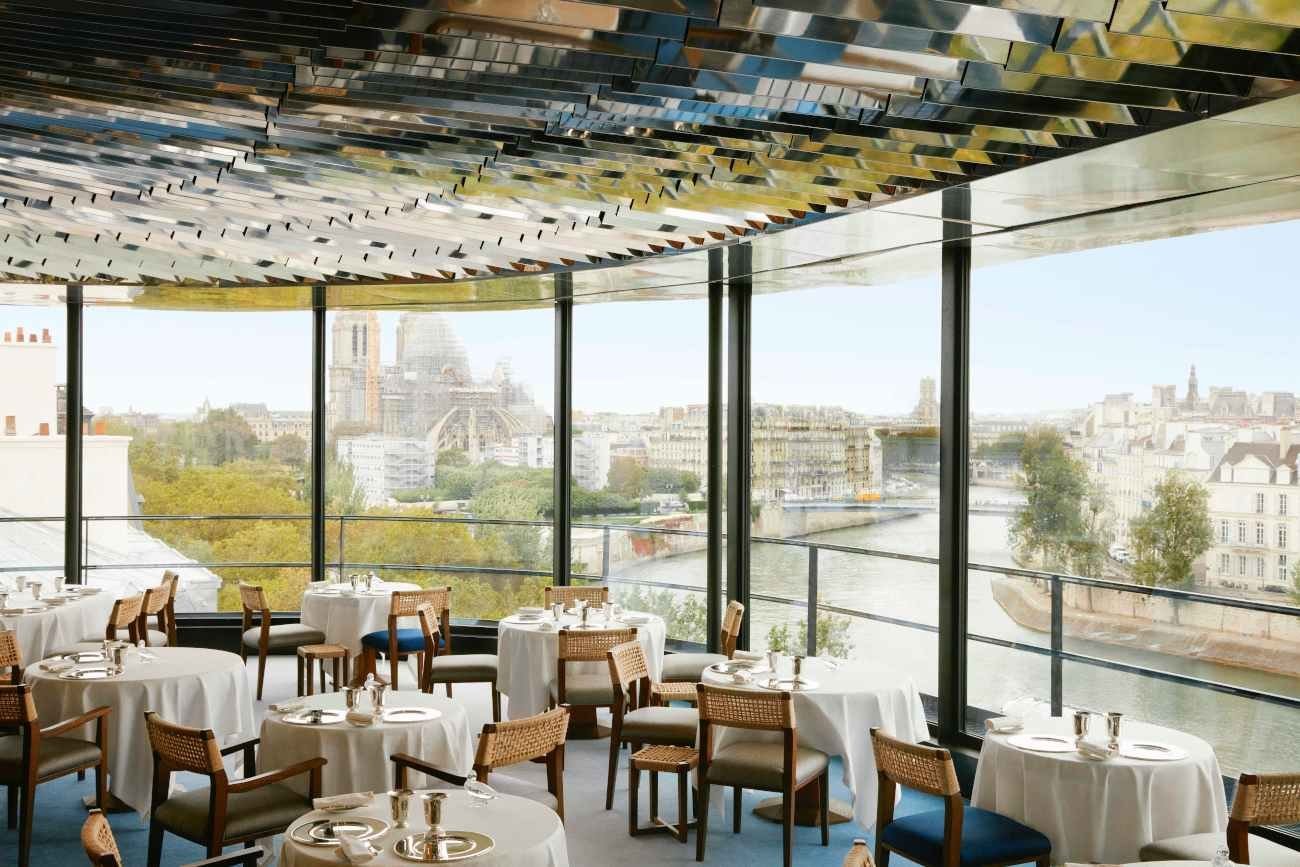
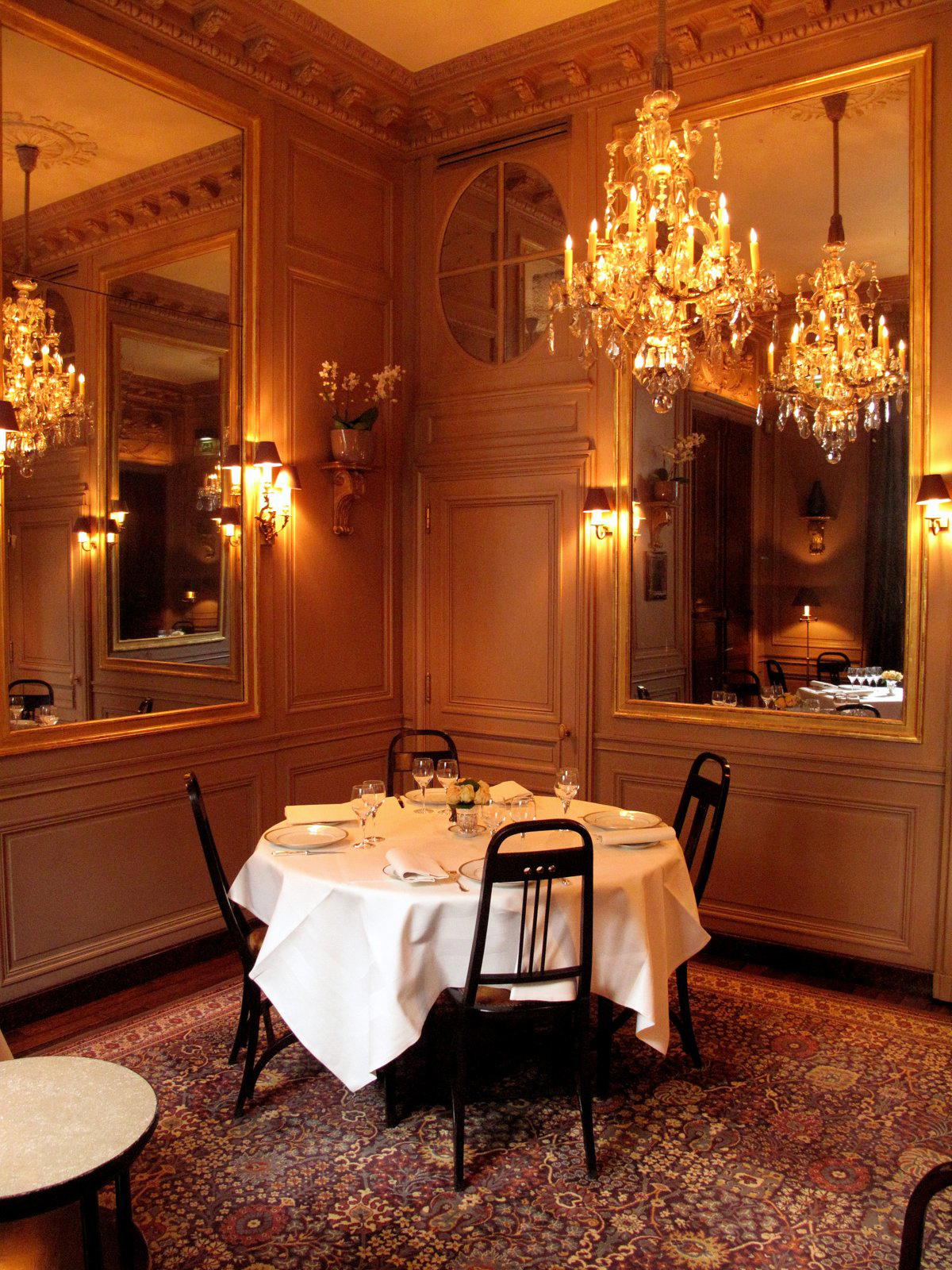
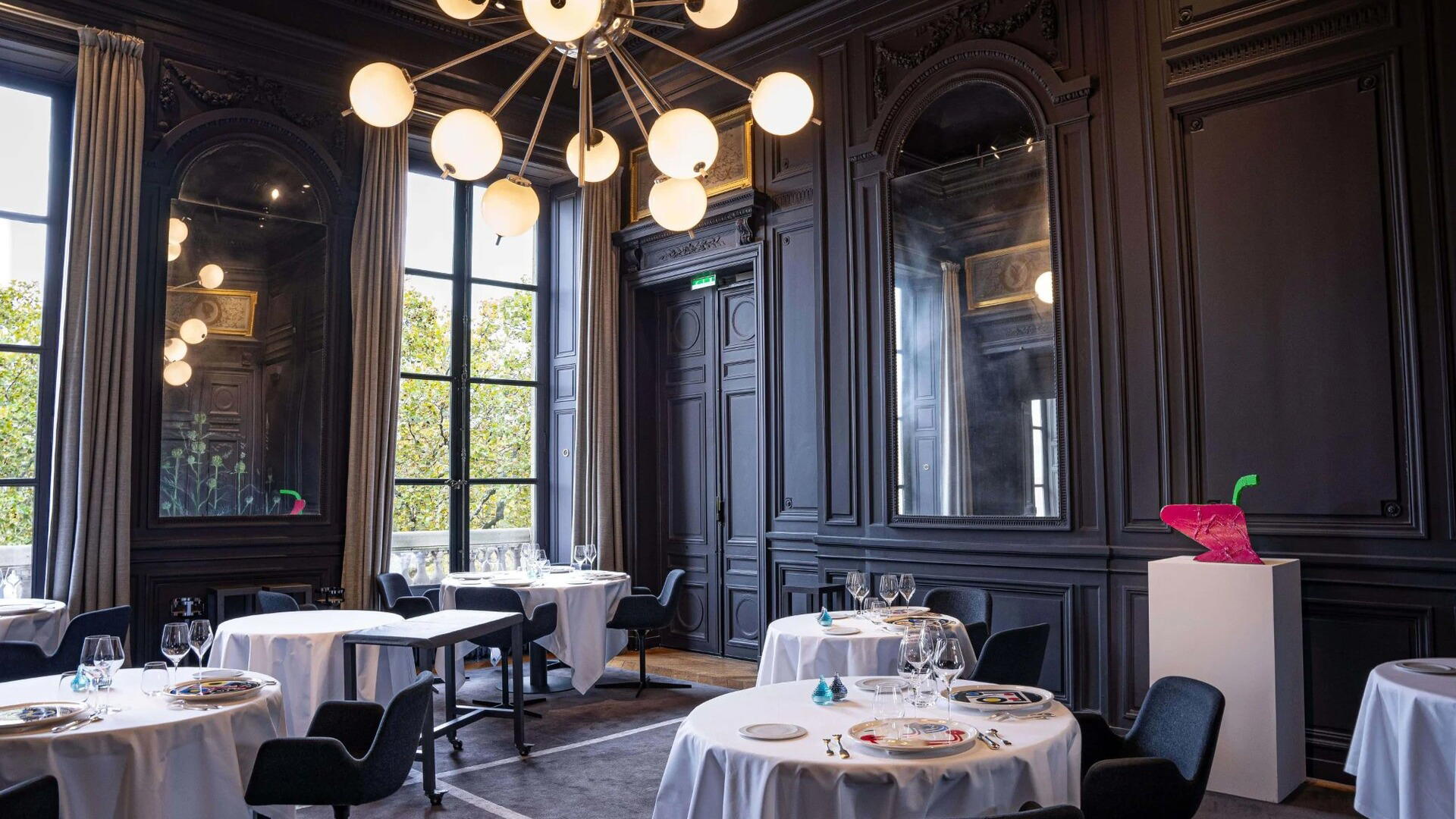
Bars in Paris
Browse all →
Hotels in Paris
Browse all →
At a Glance
- Intimate
- Cozy
- Date Night
- Casual Hangout
- Solo
- Open Kitchen
- Natural Wine
- Farm To Table
- Local Sourcing
Current opening hours
- Monday
- 7:15–9:30 PM
- Tuesday
- 12–2 PM, 7:15–9:30 PM
- Wednesday
- 12–2 PM, 7:15–9:30 PM
- Thursday
- 12–2 PM, 7:15–9:30 PM
- Friday
- 12–2 PM, 7:15–9:30 PM
- Saturday
- Closed
- Sunday
- Closed
Hours can change for holidays and private events. Last verified .
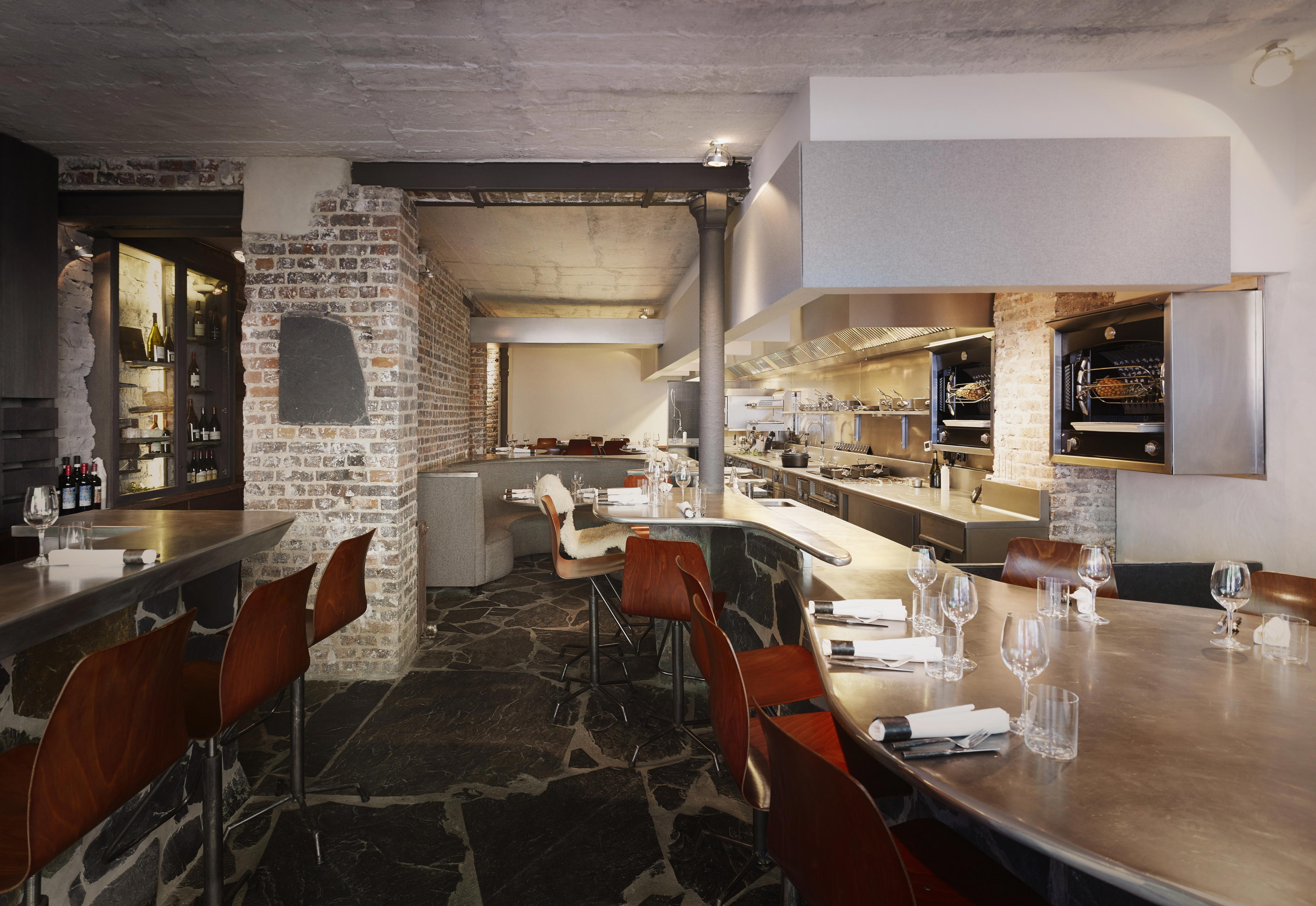
Unpretentious, intimate dining room with front-row view of the open kitchen; small, spread across two floors with friendly access to the chefs at work.
Know Before You Go
- Getting there
- 36 Rue des Boulangers, 75005 Paris, France