Our verdict
A roadside khanawal on the Ratnagiri-Ganpati Pule highway that draws on the Konkan coast's fishing tradition and agricultural hinterland. The format is built around home-style Malvani cooking, the kind rarely codified in city restaurants. For travellers moving between Ratnagiri and the beaches to the north, it functions as a geographic and culinary checkpoint.

Pearl is the En Primeur Club membership app — saves, bookings, and concierge access live there. Same editors, same standards.
- Address
- Ratnagiri-Ganpati Pule Hwy, Kajirbhati, Neware, Maharashtra 415620, India
- Phone
- +918766823398
- Hours
- Mon–Thu 9 AM–5 PMFri–Sun 9 AM–6 PM
- Directions
- Get directions
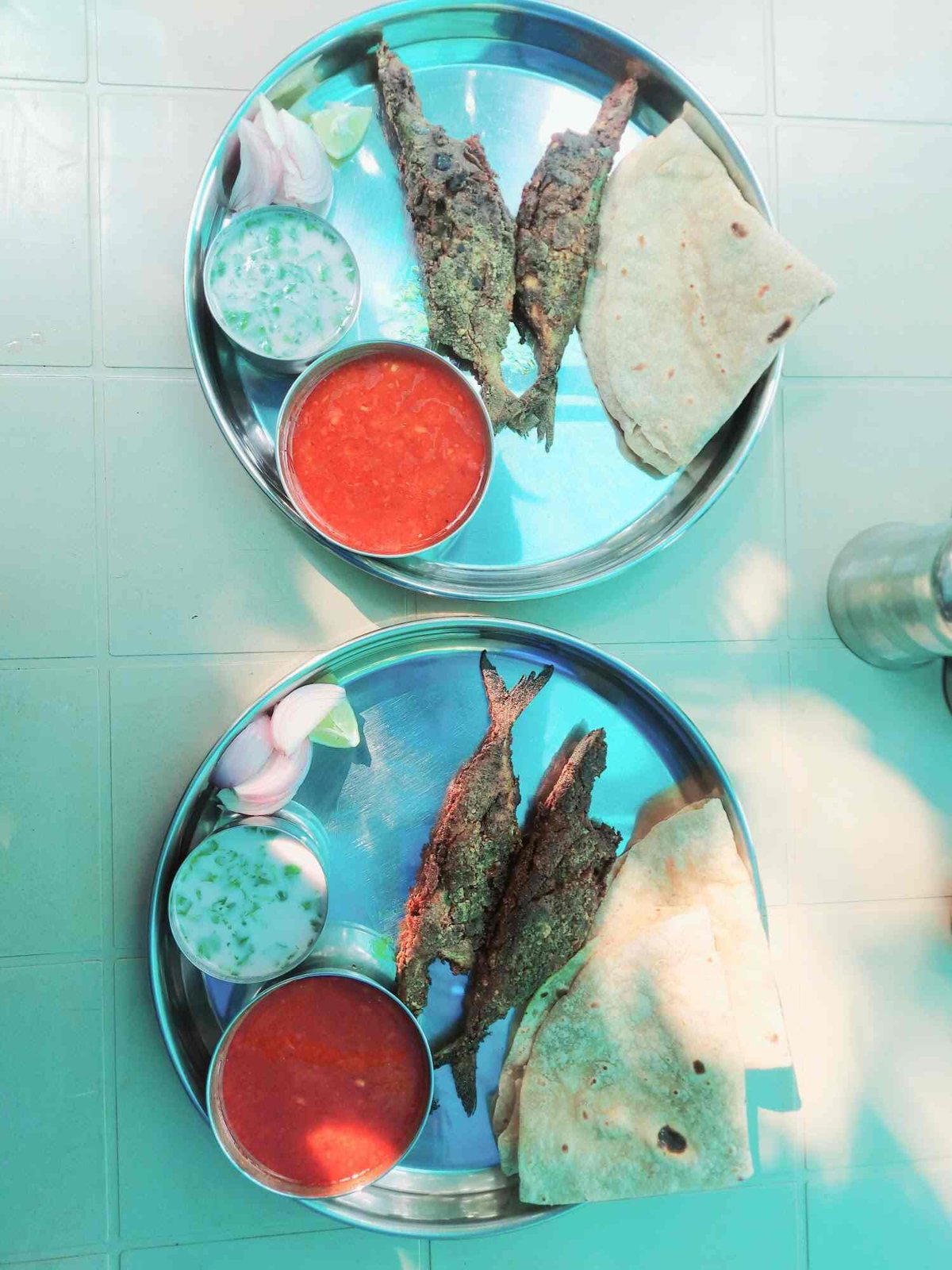
The menu
What to order
- Fish Thali
- Surmai Thali
- Pomfret Thali
- Solkadhi
- Kolke Wadi
Where the Highway Meets the Coast
The stretch of road between Ratnagiri town and Ganpati Pule is one of those drives where the landscape shifts faster than the kilometre markers. Coconut groves give way to red-laterite hillsides, and the air carries salt before you can see the water. It is along this corridor, at Kajirbhati near Neware, that Kokani Khanawal positions itself, not as a destination in the conventional sense but as a stopping point calibrated to the rhythm of coastal travel. The physical approach is functional: a highway-facing setup that communicates availability to passing traffic rather than exclusivity to a reservation list. In the lexicon of Maharashtra's food culture, khanawal is a specific register, a boarding-house or mess-style eating format associated with home cooking, communal seating, and a rotating daily menu rather than a fixed à la carte card. Kokani Khanawal operates within that tradition.
The Khanawal Tradition and What It Preserves
The khanawal format is one of the more underappreciated institutional forms in Indian food culture. Historically tied to working-class and middle-class urban migration, the format survived not through reinvention but through reliability: a set daily menu, served in quantity, priced accessibly, and anchored to whatever was seasonal and local. Along the Konkan coast, this tradition intersects with one of India's most ingredient-driven regional cuisines. Malvani cooking, the dominant culinary tradition of the Ratnagiri and Sindhudurg districts, draws from a proximity to both the sea and the ghats. The result is a cuisine built around fresh-caught fish, kokum, raw coconut, and a spice palette that differs substantially from the drier, nut-heavy preparations of the Deccan plateau. What distinguishes Malvani food from many other coastal Indian traditions is its insistence on freshness as a structural requirement rather than a marketing claim. The fish that goes into a Malvani kalvan (gravy curry) is expected to have been caught the same morning; the coconut is ground fresh rather than from dried or packaged stock. This is not artisanal posturing. It is a practical consequence of geography and supply chain: in districts like Ratnagiri, cold-chain infrastructure remains limited relative to urban centres, so the default is hyperlocal and immediate. Kokani Khanawal, sitting on a rural highway in this zone, operates inside that supply logic rather than despite it.
Ingredient Geography: Why Ratnagiri Matters
Ratnagiri district's food identity is inseparable from two export-grade products that dominate its agricultural profile: the Alphonso mango and the Ratnagiri-Sindhudurg Malvani chilli, both of which carry geographical indication status in India. The district's fishing activity centres on Bombay duck (Bombil), pomfret, surmai (kingfish), and prawns, all of which reach the table faster here than in any Mumbai seafood restaurant, where the same catch travels six to seven hours south by truck. For a highway khanawal in this region, sourcing is less a philosophy than a practical default. The market proximity that any establishment in this corridor inherits structurally is the same condition that makes Ratnagiri a reference point for Malvani food in the way that, say, Malabar is for Kerala seafood or the Chettinad heartland is for that cuisine's distinctive spice depth. Travellers who have eaten at regionally anchored Indian restaurants elsewhere, whether at Farmlore in Bangalore with its farm-direct sourcing model or at Karavalli-comparable coastal kitchens, will recognize the difference that hyper-proximity to source makes in texture and flavour intensity. A pomfret served within hours of landing and a pomfret that has spent a night in transit are not the same dish. For context on how differently positioned restaurants handle regional Indian identity at the premium end, Bukhara in New Delhi and Esphahan in Agra show how heritage and sourcing narratives operate at the formal tier. The khanawal format inverts that dynamic: the credibility here comes from informality and embeddedness rather than from curated presentation.
The Format in Practice
A khanawal meal structure typically involves a set thali or daily menu, communal or semi-communal seating, and a pace that is functional rather than leisurely. This format has no relationship to the tasting-menu architecture of a restaurant like Atomix in New York City, where progression and spacing are deliberate editorial choices. The khanawal is the opposite: food arrives when ready, portions are calibrated for working appetites, and the entire interaction is compressed by design. On the Ratnagiri-Ganpati Pule highway, this format aligns well with the traveller's situation. The route attracts both domestic tourists heading to Ganpati Pule beach and working-route traffic between coastal settlements. Neither group typically wants a two-hour lunch. A khanawal meal can be completed in thirty to forty-five minutes without any sense of having been rushed, because the format doesn't build in waiting by design. For the visitor coming from Mumbai, the drive from the city takes approximately five to six hours via the coastal route or the expressway and NH66 combination, making the highway stop at Kajirbhati a logical midpoint or arrival-adjacent meal. Those travelling from Pune face a similar journey window of roughly four to five hours through the Tamhini or Kashedi Ghat passes. Timing a stop here for lunch, when a daily menu is most likely to be fully stocked and freshly prepared, is the practical approach. For more context on dining options across the region, see our full Ratnagiri restaurants guide.
Placing Kokani Khanawal in a Wider Coastal Frame
India's coastal highway dining sits in a structural gap between two better-documented tiers: the premium seafood restaurants in major cities, which import their coastal identity, and the village-level eating houses that rarely surface in any review ecosystem. The khanawal occupies the middle: it serves a genuine local cuisine with genuine local ingredients but without the pricing or ambience signals that attract formal food writing. Comparable dynamics appear elsewhere on India's coasts. Leela Kerala Terrace in Trivandrum and WelcomCafe Oceanic Restaurant in Visakhapatnam represent the hotel-anchored coastal dining tier, where sourcing may be equally strong but the format is more institutionalised. Harvest Kitchen Somnath in Veraval operates in a similar highway-adjacent coastal context along Gujarat's coastline. What unites these cases is the argument that coastal India's most ingredient-honest cooking is often found not in city restaurants claiming regional identity but in the places that have no reason to perform it. Kokani Khanawal, as a name, signals exactly what it is: Konkan-style, khanawal format. There is no secondary meaning to decode.
Planning Your Visit
Kokani Khanawal is located on the Ratnagiri-Ganpati Pule Highway at Kajirbhati, Neware, Maharashtra 415620. No website or advance booking mechanism is publicly listed, which is consistent with the walk-in, daily-menu format of the khanawal tradition. Visitors planning a meal here should treat it as a stop rather than a seated reservation, arriving during midday service windows when the daily preparation is freshest. Because the venue sits on a working highway, access is direct for anyone driving the coastal route. Those combining this with broader travel through Maharashtra's Konkan belt may find it useful to cross-reference options across other destination-driven eating contexts, from the spice-forward highway formats in the Western Ghats foothills to the fish-market-adjacent restaurants in Ratnagiri town itself. For travellers building a wider Indian dining itinerary, Naar in Kasauli, Americano in Mumbai, and Le Cirque Delhi in Delhi represent very different format registers that together illustrate how varied the country's restaurant culture is outside any single tier.
Frequently asked questions
Is Kokani Khanawal a family-friendly restaurant?
The khanawal format that Kokani Khanawal operates within is structurally suited to families: set menus, communal-style seating, and a functional pace remove the friction of à la carte ordering with children. Located on the Ratnagiri-Ganpati Pule Highway, it draws a broad cross-section of travellers including families making the coastal drive to Ganpati Pule. No advance booking is required, which works in favour of flexible family travel schedules.
What should I expect atmosphere-wise at Kokani Khanawal?
Kokani Khanawal operates in the khanawal tradition, which means the atmosphere is functional rather than formal: straightforward seating, a set daily menu, and a pace set by the kitchen rather than the clock. The highway location at Kajirbhati on the Ratnagiri-Ganpati Pule road means the clientele shifts throughout the day from local workers to coastal tourists. Do not expect curated interiors or a long beverage programme; the draw is the food and the format.
Is Kokani Khanawal worth stopping at on a drive from Ratnagiri to Ganpati Pule?
Kokani Khanawal sits directly on the Ratnagiri-Ganpati Pule Highway at Kajirbhati, Neware, placing it on the natural route between the two destinations rather than as a detour. The khanawal format means meals are quick and structured around a set menu, which suits a highway stop better than a tasting menu restaurant would. For travellers passing through Ratnagiri district who want coastal Konkani food in an unmediated setting, this is the format that city seafood restaurants in Mumbai or Pune cannot replicate at the same price point.
What dish is Kokani Khanawal famous for?
Kokani Khanawal sits in Ratnagiri district, whose food identity is built around two products with genuine agricultural status: the GI-tagged Alphonso mango and Ratnagiri's coastal catch, which includes fish species central to Konkani cooking. Within the khanawal format, fish-based preparations served as part of a set thali are the structural centrepiece of any meal on this stretch of the Maharashtra coast. Specific daily dishes depend on the catch and season, so the menu shifts accordingly.
Comparable Venues
Comparable venues nearby, for context on price, style, and recognition.
| Venue | Cuisine | Price | Notes |
|---|---|---|---|
| Kokani KhanawalThis venue — the venue you are viewing | Authentic Konkani Seafood | $1–10 | Not listed |
| Hotel Aganta Green | Indian Multicuisine | $1–10 | Fardapur |
| Aanch | North-West Frontier North Indian | $10–20 | Niranjanpur |
| Green Park | Indian & International Garden Dining | $1–10 | Fatehabad Road |
| Common Time | Contemporary Coffee & Bakery Café | $10–20 | Lodhi Colony |
| De Grasshopper Food and Cocktails | Multicuisine Indian, Chinese, Punjabi, Seafood | $10–20 | Hatkanangle |
Details
- Rustic
- Cozy
- Family
- Group Dining
- Casual Hangout
- Standalone
- Local Sourcing
- Sustainable Seafood
- Family Style
- A La Carte
- Solkadhi
- Pescatarian Friendly
Current opening hours
- Monday
- 9 AM–5 PM
- Tuesday
- 9 AM–5 PM
- Wednesday
- 9 AM–5 PM
- Thursday
- 9 AM–5 PM
- Friday
- 9 AM–6 PM
- Saturday
- 9 AM–6 PM
- Sunday
- 9 AM–6 PM
Hours can change for holidays and private events. Last verified .
Simple, no-frills decor with a traditional homestyle atmosphere; minimal waiting time typical for authentic coastal khanawals.