
A compact yoshoku counter near Kujo, Izumi Burger belongs to Osaka’s low-cost, high-specificity dining tier: hamburger steak, curry, and Japanese-style Western cooking rather than destination tasting-menu theatre. Its Tabelog 100 Yoshoku WEST 2025 selection and earlier Curry WEST 2020 recognition make it a useful address for reading how everyday Osaka lunch culture can carry serious critical weight.
Pearl is the En Primeur Club membership app — saves, bookings, and concierge access live there. Same editors, same standards.
- Address
- 2 Chome-8-9 Chiyozaki, Nishi Ward, Osaka, 550-0023, Japan
- Phone
- +81 6-7165-1331
- Website
- tabelog.com
 Saves & bookings on Pearl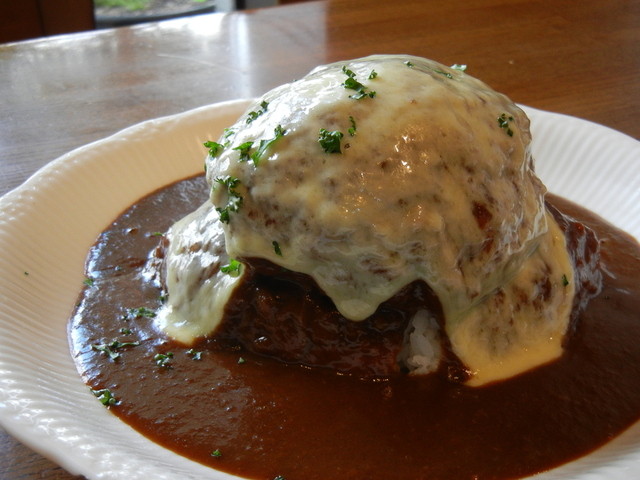
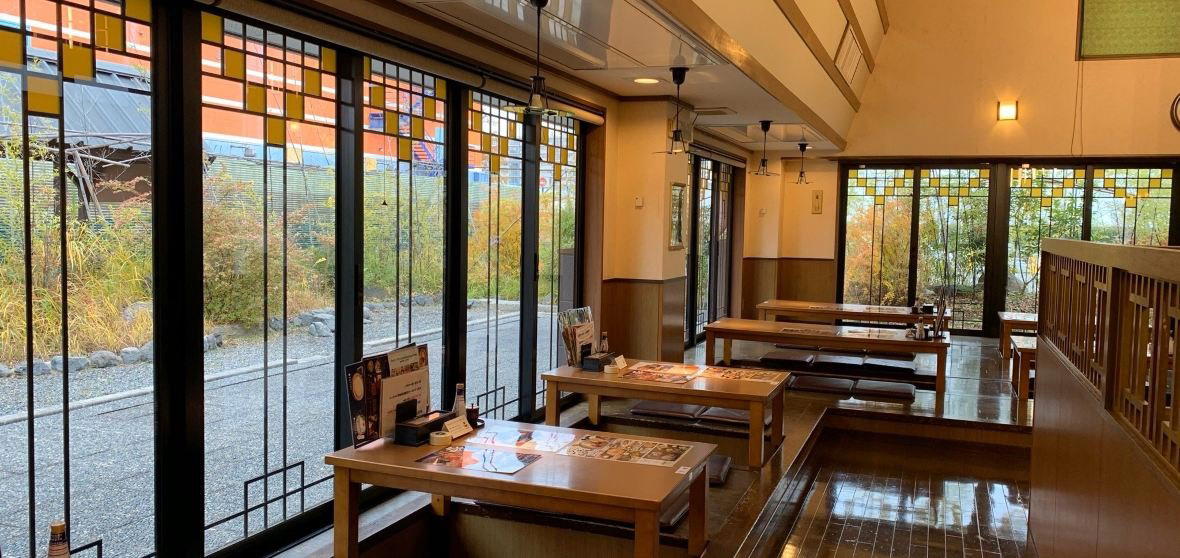
Approach this part of Nishi Ward and Osaka shifts from polished department-store dining floors into a workaday register: compact shopfronts, short meals, counter seats, and cooking that must justify itself quickly. That is the natural habitat for yoshoku, Japan’s long-running adaptation of Western dishes into local comfort food. At Izumi Burger, counter seating and a few tables make the small room feel closer to a neighbourhood lunch room than a special-occasion restaurant, even as its recognition places it in a sharper competitive category.
Osaka’s serious eating culture is often reduced to takoyaki, okonomiyaki, and late-night drinking, but daytime dining tells another story. Curry counters, hamburger steak shops, bakeries, and yoshoku rooms form a parallel map of everyday cooking, where speed, value, and repeatability matter more than ceremony. Izumi Burger sits inside that map, with Tabelog 100 Yoshoku WEST 2025 selection and Tabelog Curry WEST 2020 recognition giving a modest format the kind of signal usually associated with more expensive rooms.
Yoshoku as an Osaka lunch language, not a Western import
Yoshoku is not simply Western food translated into Japanese. It is a domestic genre with its own grammar: demi-glace-style sauces, curry rice, hamburger steak, cutlet culture, omelette rice, and plate lunches built around rice rather than bread. In Kansai, the category often overlaps with curry houses and small grill counters, so a restaurant can be read through both yoshoku and curry recognition without contradiction.
Here, hamburger steak and curry carry the weight of the kitchen. That matters because the burger name can mislead visitors expecting an American-style sandwich shop. The stronger reading is Japanese-style Western cooking, where ground-meat cookery, sauce, rice, and curry sit at the centre of the meal. In a city where quick eating can be technically casual but highly judged, that distinction is the point.
The lunch-versus-dinner divide is less a change in ambition than mood. Daytime yoshoku in Osaka is positively transactional: office workers, solo diners, and families measure a kitchen by how cleanly it delivers a plate within a narrow window. Evening service gives the same category more breathing room, not a different identity. The cooking belongs to the daily-meal tier, not the celebratory omakase economy.
That value context matters. Nearby casual specialists such as RODDA group and Asian Kitchen Cafe Momofuku sit in a slightly higher dinner band while remaining affordable at lunch; Aabel Curry occupies a similar low-cost curry bracket; Mendokoro Amakawa sits below that for noodle-focused eating. Against that set, Izumi Burger is notable because its recognition comes in a category where price alone rarely signals seriousness. The award signal separates a compact yoshoku counter from a generic quick meal without pretending the experience is formal.
A small-room format built for solo diners and repeat meals
The physical scale shapes how to read the place. A 12-seat room, split between counter and table seating, keeps the experience close to the kitchen and limits the distance between ordering and eating. This is where Osaka’s casual dining excels: not theatrical service, but formats that compress decision-making, cooking, and turnover into a tight rhythm. Counter seats suit solo diners; tables keep it usable for families or friends without changing the pace.
The practical texture is also part of the editorial story. English-language support, takeout, delivery, wheelchair access, and cashless payment options make the restaurant easier to use than many small Japanese counters. Those details do not make the food more serious, but they change the traveller’s risk calculation. For visitors wanting a low-friction meal outside the usual tourist corridor, this is an address where category, scale, and access line up neatly.
Lunch is the cleaner play for understanding the genre. Yoshoku’s power is clearest as a routine meal: not precious, not extended, but judged by balance, consistency, and the comfort of a familiar format done with care. Dinner has value for travellers building a low-key evening near Kujo or Kyocera Dome, yet the restaurant’s strongest logic remains daytime eating, when Osaka’s compact speciality shops are sharpest.
There is no chef mythology required here, and that is a strength. In this tier, biography matters less than format discipline. The restaurant’s public identity is carried by category, seating, recognition, and utility rather than a named chef narrative. That is common in Japan’s casual specialist culture, where a shop can build serious local credibility without adopting fine-dining language.
How to place it in a wider Osaka food itinerary
For a broader Osaka plan, treat this as one marker in a city that rewards category-hopping. The polished Italian end of the spectrum appears in addresses such as a canto (Italian), while casual bakery and cafe culture pulls toward 52CHO-ME BAKERY and .cafe. Street-level Osaka appetite can also be read through 551 Horai (551蓬莱) and the imported craft of 99 Pizza Napoletana Gourmet. The restaurant belongs in that practical itinerary, not as a luxury stop, but as evidence that Osaka’s everyday meals are often where the city is most exacting.
Travellers comparing Japanese casual genres beyond Osaka can map this address against curry, grill, and rice-based specialists elsewhere: [Curry Senmon Ten] Maruyama Kyoju. in Sapporo, [ki:] in Kyoto.know in Kumamoto, (Shoku) Vietnam in Kawasaki. 鮪と炭火焼き うお炭 秋葉原店 in Tokyo, and -Grilled beef Sukiyaki- KAMAKURA TANUKIAN 鎌倉 たぬき庵 in Kamakura. Outside Japan, related casual-specialist logic appears in places such as Jōdo Saké Bar in Los Angeles and Onigiri Time in Pasadena, where narrow formats carry the experience more than décor or ceremony.
For planning the city around meals, use Our full Osaka restaurants guide as the anchor, then layer in Our full Osaka bars guide for after-dark drinking, Our full Osaka hotels guide for neighbourhood positioning, Our full Osaka experiences guide for daytime structure, and Our full Osaka wineries guide for wine-led side trips. The stronger Osaka itineraries do not chase only prestige dining; they balance acclaimed rooms with places where everyday categories, yoshoku included, show how the city actually eats.
Awards and Standing
Comparable venues for context, by category and price tier.
| Venue | Cuisine | Price | Notes |
|---|---|---|---|
| Izumi Burger | Yoshoku European-style curry & hamburger steak | $$ | Nishi |
| Watanabe Curry Umeda honten | Japanese–Sri Lankan Curry House | $$ | Kita |
| tanpopo Kitashinchi honten | Teppanyaki & Okonomiyaki with Italian Wine | $$ | Kita |
| OXYMORON Kitahama | Japanese Curry Cafe | $$ | Chūō |
| Stand Tiger Lily | Standing Teppan Izakaya & Bar | $$ | Kita |
| Kyu Yam Tei Karahori ten | Spice Curry & Café in a Retro Townhouse | $$ | Chūō |
Recognition history
Dated appearances from independent guides and award organizations, with the underlying list record or original source where available.
Tabelog 100 #34 · No. 34
Tabelog · Tabelog 100 - Yoshoku - WEST - 2025
Continue exploring
More in Osaka
Restaurants in Osaka
Browse all →

Bars in Osaka
Browse all →
Hotels in Osaka
Browse all →


Wineries in Osaka
Browse all →
At a Glance
- Cozy
- Lively
- Casual
- Solo
- Family
- Casual Hangout
- After Work
- Group Dining
- Standalone
Current opening hours
- Monday
- 11 AM–2:30 PM, 6–8:30 PM
- Tuesday
- 11 AM–2:30 PM, 6–8:30 PM
- Wednesday
- 11 AM–2:30 PM, 6–8:30 PM
- Thursday
- 11 AM–2:30 PM, 6–8:30 PM
- Friday
- 11 AM–2:30 PM, 6–8:30 PM
- Saturday
- 11 AM–2:30 PM, 6–8:30 PM
- Sunday
- 11 AM–2:30 PM, 6–8:30 PM
Hours can change for holidays and private events. Last verified .
Small, Asian-inspired yoshoku curry shop with counter and a few table seats, casual and welcoming for solo diners, families, and friends; atmosphere is cozy and everyday, with a focus on quick, comforting meals rather than long, formal dining.