
Tabelog 100 #63
Our verdict
Kobayashi’s chicken culture is the point here: regional jidori treated as a destination meal rather than a side note to a broader Japanese menu. Kobayashi Jidori no Sato sits in that ingredient-led lane, with Tabelog 100 Chicken cuisine recognition in 2025 and pricing that keeps it closer to local eating than luxury tasting-menu theatre.

Pearl is the En Primeur Club membership app — saves, bookings, and concierge access live there. Same editors, same standards.
- Address
- 1247-1 Minaminishikata, Kobayashi, Miyazaki 886-0005, Japan
- Phone
- +81 984-22-0262
- Hours
- Daily 11 AM–8 PM
- Website
- jidorinosato.net
- Directions
- Get directions
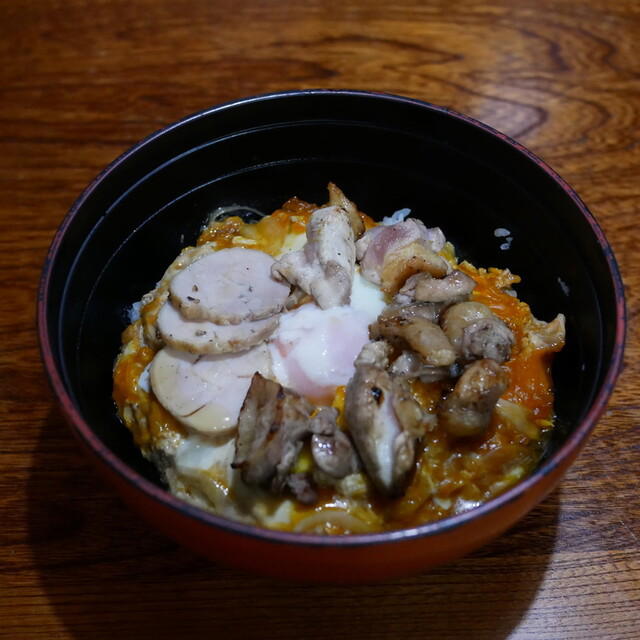
The menu
What to order
- Jidori chicken with egg on rice
- Tamago kake gohan with local jidori egg
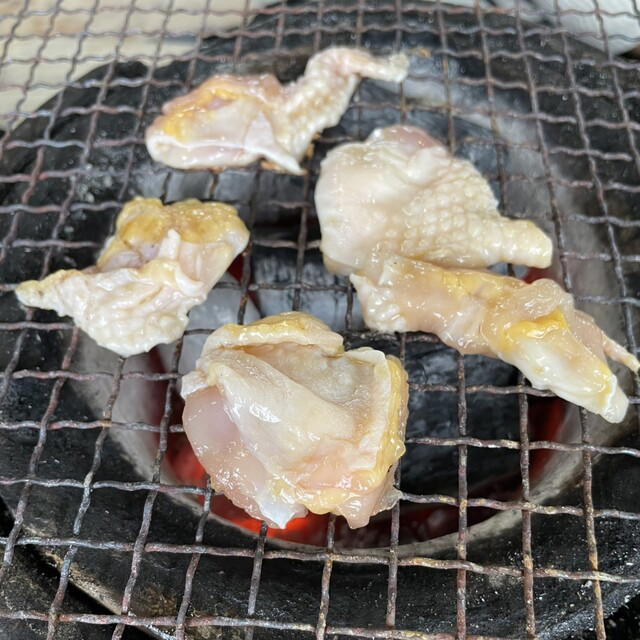
- Grilled jidori chicken
- Chicken nanban-style dishes
The approach to Kobayashi’s countryside restaurants has a different rhythm from urban dining in Japan. This venue sits in a city where the agricultural setting can matter as much as the plate, and its listed category keeps the focus on chicken dishes. Chicken is not generic here; it carries regional identity, tied to local production, grilling traditions, and Kyushu’s habit of treating simple preparations seriously.
That frames Kobayashi Jidori no Sato. Its inclusion in the Tabelog Hyakumeiten selection for 2025 puts it inside a wider conversation about Japanese chicken specialists, a category ranging from counter-style meals to countryside destinations. The point is not that Kobayashi suddenly matches Tokyo polish, but that Japan’s chicken-focused restaurants are judged across formats, and Kobayashi has a credible claim when the ingredient is the headline.
Chicken dishes as regional argument, not menu decoration
In much of Japan, chicken cuisine divides into urban precision and regional directness. The former prizes pacing and counter choreography; the latter often cares more about sourcing, cooking heat, and the communal tempo of the table. Kobayashi belongs to the second camp. The listed category is chicken dishes, and the dining identity is built around that focus rather than a long, mixed menu covering every craving.
Kobayashi’s food reputation is closely tied to local agriculture and the surrounding countryside. That does not make every regional restaurant serious, but it changes expectations. A chicken specialist in Kobayashi is not performing rusticity for tourists; it operates where diners can understand the difference between commodity poultry and chicken treated as a local product.
The Tabelog score of 3.64 is worth reading in category context. Japanese user-rating platforms are conservative, and specialist rural venues can be affected by access and format as much as cooking. A 2025 Tabelog Hyakumeiten selection is the stronger signal: it places the restaurant among recognized addresses in its field, while the listed price bands keep it grounded in accessible regional dining rather than formal destination gastronomy.
That balance matters. In Kobayashi, a chicken meal can sit closer to local habit than ceremony. The appeal is not luxury ingredients, but the confidence of a place where the main ingredient has enough regional weight to carry the table. For food-led travellers, that is the difference between eating in a town and understanding why it eats the way it does.
The house-restaurant format suits Kobayashi's slower table culture
The draw here is less about metropolitan performance than about a focused regional meal. The tempo is best understood as slower and more local than a counter-led city address: groups can treat the meal as shared dining, conversation matters, and the cooking reads as part of Kobayashi’s food culture rather than chef-fronted spectacle.
For Kobayashi, that format is part of the editorial value. The city is not mimicking Fukuoka, Tokyo, or Kyoto. Its stronger dining argument comes from agricultural proximity and restaurants handling local products without stripping away the setting that produced them. Kobayashi Jidori no Sato works as a lens on that culture because it keeps the focus narrow: chicken dishes and a Kobayashi setting rather than a city menu’s restless breadth.
Comparison inside the area helps only if categories stay clear. Beef Cook Kurazono gives Kobayashi another livestock-led reference point, but beef and chicken dishes answer different appetites. One points to richness and marbling; the other to texture, heat, and the flavour of the bird itself. Treat them as complementary, not interchangeable. For a wider read on the city’s dining pattern, start with our full Kobayashi restaurants guide.
The wider planning frame matters because Kobayashi rewards a slower route. Pairing a restaurant meal with lodging and low-key evening options gives the food more context than a rushed stop. EP Club’s city pages for Kobayashi hotels, Kobayashi bars, Kobayashi wineries, and Kobayashi experiences are better used as a map of pace: this is where the meal benefits from staying nearby, not treating the city as a checkpoint.
Who should put this on a Kobayashi food route
This is the right address for diners who care about ingredient specificity more than chef mythology. No public chef narrative is needed. The stronger story is that chicken cuisine in Japan has enough depth for national recognition, and Kobayashi’s regional dining rooms can compete through product and format rather than gloss.
The price positioning reinforces that reading. Dinner is listed at JPY 3,000–JPY 3,999, while lunch is listed at JPY 1,000–JPY 1,999, making the restaurant useful for travellers who want a serious regional meal without turning the day into a formal tasting-menu commitment. In Kobayashi, planning around distance and pace matters as much as choosing the restaurant itself.
Readers comparing Japan-wide dining styles can use Kobayashi as a counterweight to urban categories: beef-focused meals, casual specialists, and other tightly defined dining rooms across Japan all show how precisely a restaurant can build itself around a narrow idea. Kobayashi’s value is inseparable from place, because the argument here is not novelty or translation, but a chicken-focused meal rooted in its city.
The editorial call is simple: come for the regional chicken argument, not metropolitan ceremony. Kobayashi Jidori no Sato is strongest as a meal explaining why Kobayashi’s chicken-dishes culture deserves attention, with 2025 Tabelog Hyakumeiten recognition, local pricing, and a focused format that keeps the experience close to the source.
Frequently asked questions
Is Kobayashi Jidori no Sato okay with children?
Those details are not published. The listed lunch budget is JPY 1,000–JPY 1,999, but families should check the venue's official channels for the latest practical details.
What's the overall feel of Kobayashi Jidori no Sato?
It reads as a focused Kobayashi chicken-dishes specialist with a more local tempo than a city counter. The mood is shaped by its chicken-dishes focus, accessible price bands, Tabelog score of 3.64, and its 2025 Tabelog Hyakumeiten selection.
What should I budget for a meal at Kobayashi Jidori no Sato?
Pricing at Kobayashi Jidori no Sato is listed as Dinner: JPY 3,000 - JPY 3,999; Lunch: JPY 1,000 - JPY 1,999.
What days is Kobayashi Jidori no Sato closed?
Published closure details were not provided in the source information. Check the venue's official channels before planning around a specific day.
In Context: Similar Options
Comparable venues by cuisine and price in the same metro.
| Venue | Cuisine | Price | Awards | Notes |
|---|---|---|---|---|
| Kobayashi Jidori no SatoThis venue — the venue you are viewing | Farm-to-table Jidori chicken restaurant | $20–30 | Tabelog 100 #63 | Not listed |
| Beef Cook Kurazono | Premium Miyazaki Wagyu Yakiniku | $50–100 | Tabelog 100 #2 | Kobayashi |
| Katsu Sando Kobo Panton | Japanese Katsu Sando | $10–20 | Not listed | Nakao-cho, Takasaki |
| やいろ亭 | Kochi-Style Izakaya Specializing in Katsuo no Tataki | Not listed | Not listed | 帯屋町 |
| Mamiyado | Japanese Seafood Ramen | $10–20 | Not listed | Cape Soya |
| 寿司常 | Traditional Osaka Sushi | $30–50 | Michelin Bib Gourmand | Tsukamoto |
Recognition history
Dated appearances from independent guides and award organizations, with the underlying list record or original source where available.
Tabelog 100 #63 · No. 63
Tabelog · Tabelog 100 - Chicken cuisine - 2025
Continue exploring
More in Kobayashi
Restaurants in Kobayashi
Browse all →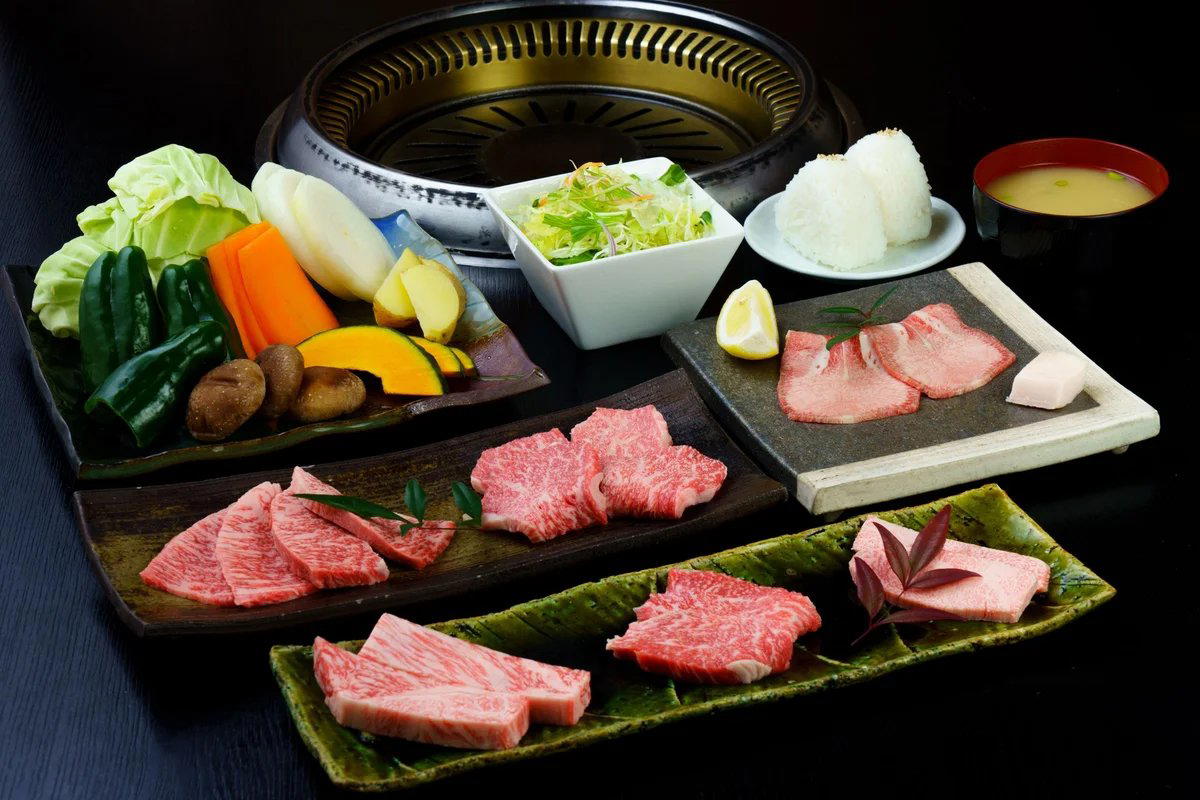
Hotels in Kobayashi
Browse all →

Details
- Rustic
- Cozy
- Scenic
- Family
- Group Dining
- Casual Hangout
- Special Occasion
- Solo
- Garden
- Standalone
- Farm To Table
- Local Sourcing
- Sustainable Seafood
- Garden
- A La Carte
- Family Style
- Pescatarian Friendly
Current opening hours
- Monday
- 11 AM–8 PM
- Tuesday
- 11 AM–8 PM
- Wednesday
- 11 AM–8 PM
- Thursday
- 11 AM–8 PM
- Friday
- 11 AM–8 PM
- Saturday
- 11 AM–8 PM
- Sunday
- 11 AM–8 PM
Hours can change for holidays and private events. Last verified .
Calm, country-style atmosphere with relaxing tatami and sunken seating, set in a standalone house amid rich natural surroundings, emphasizing simple, hearty countryside food.