
Kitsune An places Ginza’s udon culture in a compact counter format, with Tabelog 100 Udon EAST 2024 recognition and a seven-seat room that suits solo dining. The appeal is less ceremony than precision: wheat noodles, sake as the listed drink focus, and a price tier that keeps it closer to everyday Tokyo eating than Ginza’s luxury dining circuit.
Pearl is the En Primeur Club membership app — saves, bookings, and concierge access live there. Same editors, same standards.
- Address
- Japan, 〒104-0061 Tokyo, Chuo City, Ginza, 3 Chome−8−13 光生ビル 2F
- Phone
- +81 3-6264-4715
- Website
- kitsunean.com
 Saves & bookings on Pearl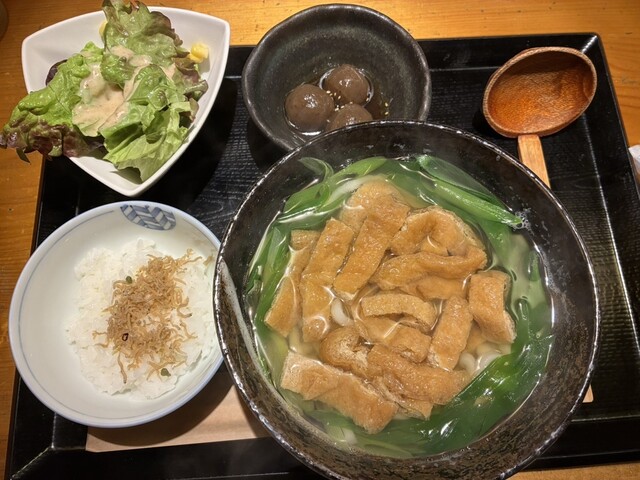
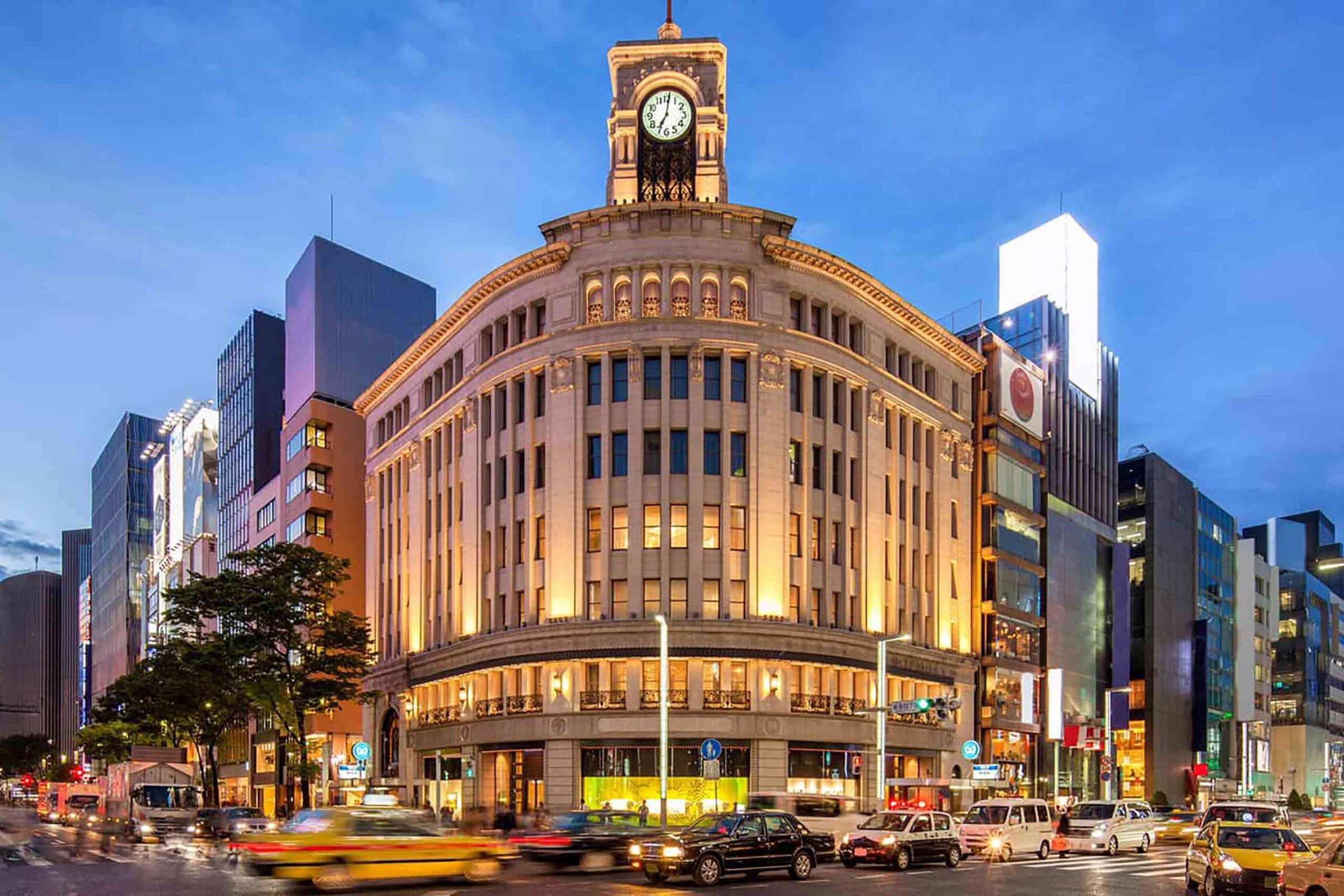
Ginza can make even lunch feel staged: department-store entrances, polished crossings, quiet upper floors with small dining rooms above the street. Udon is a useful counterpoint to the district’s luxury grammar: direct, fast when needed, and judged by texture, broth discipline, and rhythm rather than theatre. Kitsune An fits a smaller Ginza category: a compact seven-seat udon counter with Tabelog 100 Udon EAST 2024 recognition and a sake listing that signals a grown-up noodle meal, not a purely functional stop.
That matters in Tokyo because udon lacks the international shorthand of sushi, tempura, or ramen. It is less exportable as spectacle; the pleasure is in wheat, heat, proportion, how a bowl behaves across ten minutes, and whether the room lets the cooking stay central. Ginza has high-spend dining, from sushi counters to French rooms and beef-focused formats, but a small udon specialist here asks a sharper question: how much craft can sit inside a modest price band without fine-dining costume?
Ginza udon without the luxury script
The useful comparison in Ginza is not only with other noodle shops, but with the district’s spending range. Nearby peer venues run from sub-JPY 999 casual addresses such as L'ibisco Ginza ten to high-ticket rooms such as Koran at JPY 40,000-JPY 49,999 for dinner and JPY 20,000-JPY 29,999 for lunch. Against that spread, Kitsune An’s JPY 1,000-JPY 1,999 range keeps the meal in a different civic register: recognisably Ginza in location, but closer to the city’s everyday noodle economy.
The Tabelog 100 Udon EAST 2024 selection gives the place a clearer credential than neighbourhood affection alone. Tabelog’s Hyakumeiten lists are useful where Michelin coverage is not the dominant filter, especially for Japanese staples that reward repetition and local consensus. The restaurant was also selected for Tabelog’s Udon TOKYO 100 in 2020, placing it within a longer recognition pattern rather than a single-year spike.
For travellers, the lesson is broader than one bowl. Tokyo’s serious casual dining often hides in plain formats: curry counters, yakitori rooms, kissaten, standing bars, and noodle shops where the bill stays low but standards are exacting. For wider city mapping, Our full Tokyo restaurants guide is the natural next layer; drinking-focused itineraries belong in Our full Tokyo bars guide, while hotel planning sits separately in Our full Tokyo hotels guide. Tokyo’s restaurant culture is not one hierarchy, but formats with their own evidence of seriousness.
Sake, counter scale, and the discipline of a short meal
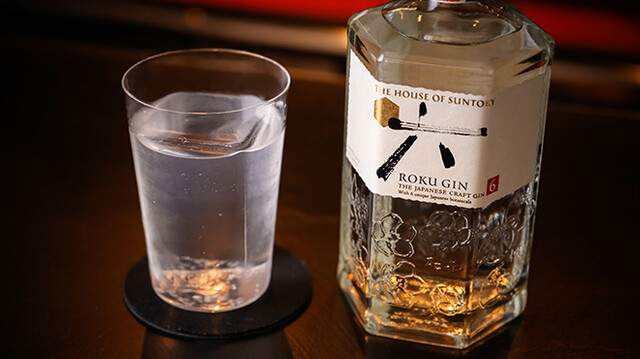
The wine-list assignment here translates, sensibly, into sake. Kitsune An lists sake as its drink category, framing the meal differently from a quick noodle refuel. Udon and sake can be a compact pairing when the cooking has restraint: wheat sweetness, dashi depth, fried tofu, scallion, and seasonal toppings create a quiet bridge to nihonshu without requiring a long bottle list. The point is not cellar theatre, but curation at seven-seat-counter scale.
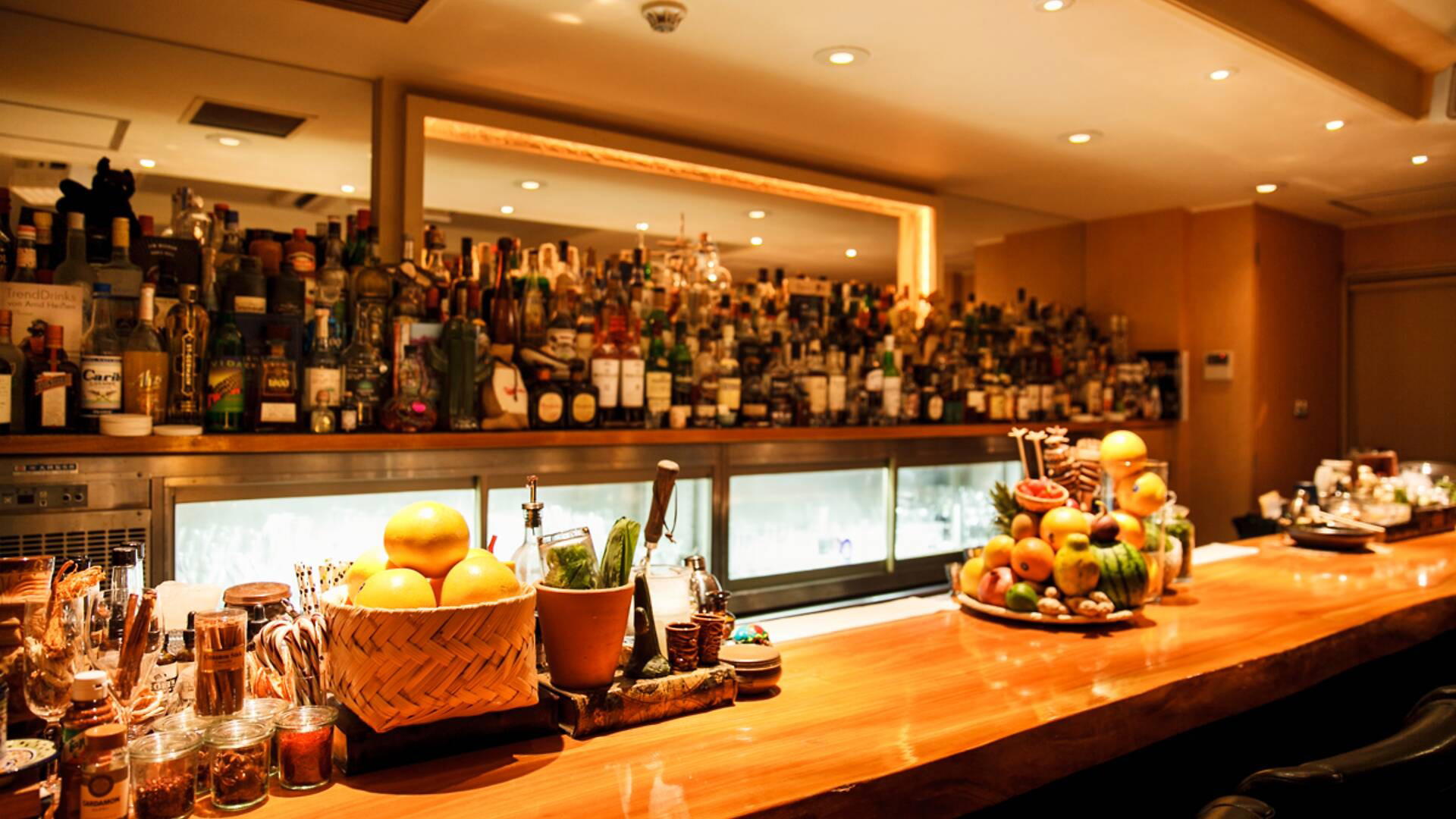
Tokyo drinking culture often separates by format: cocktail bars prize technique, izakaya prize range and pace, fine-dining rooms prize pairing architecture. A small udon shop with sake sits between those categories, letting the diner slow a short meal without turning it into a tasting menu. In Ginza, where casual can jump abruptly to ceremonial, sake reads as adult punctuation, not a luxury signal.
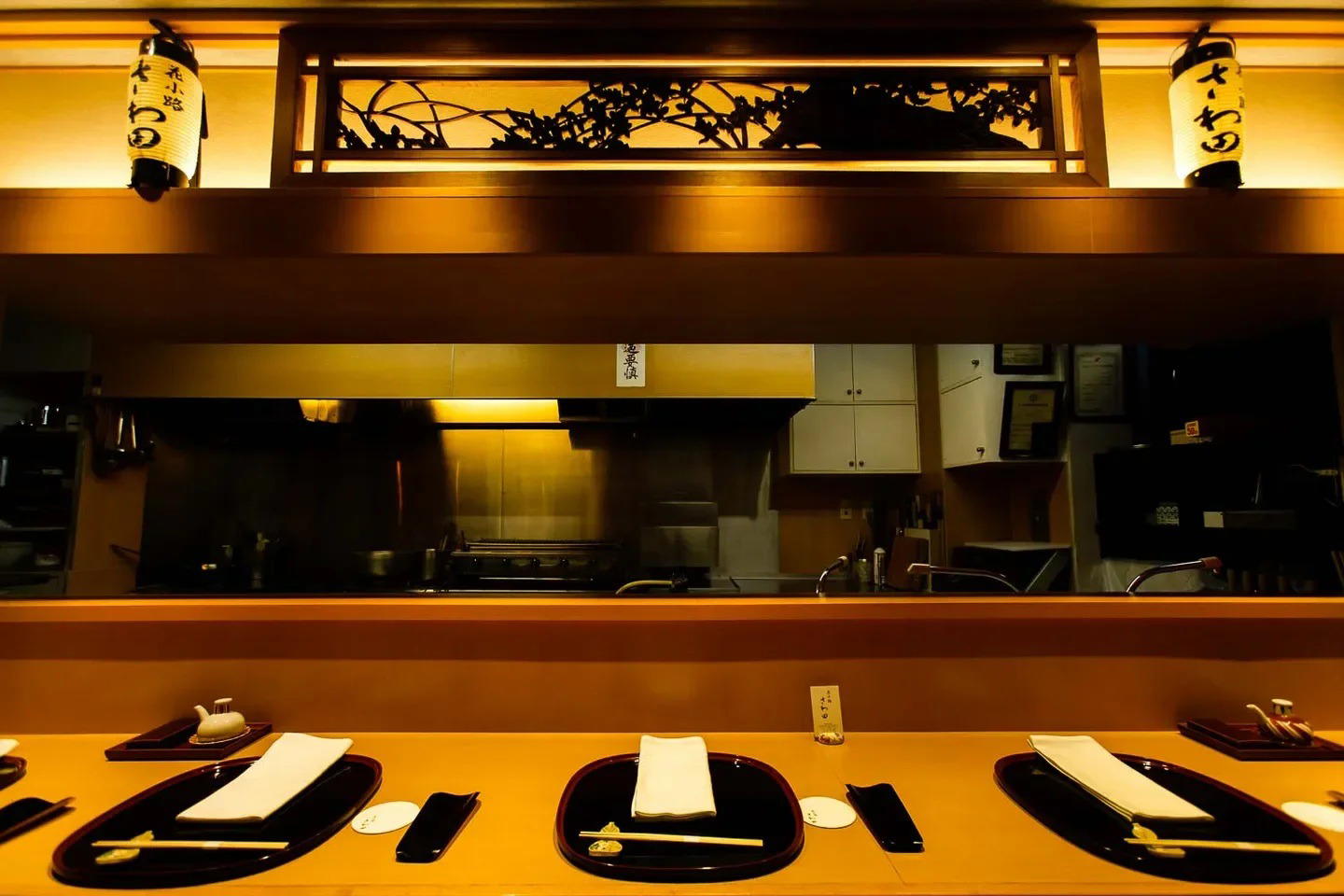
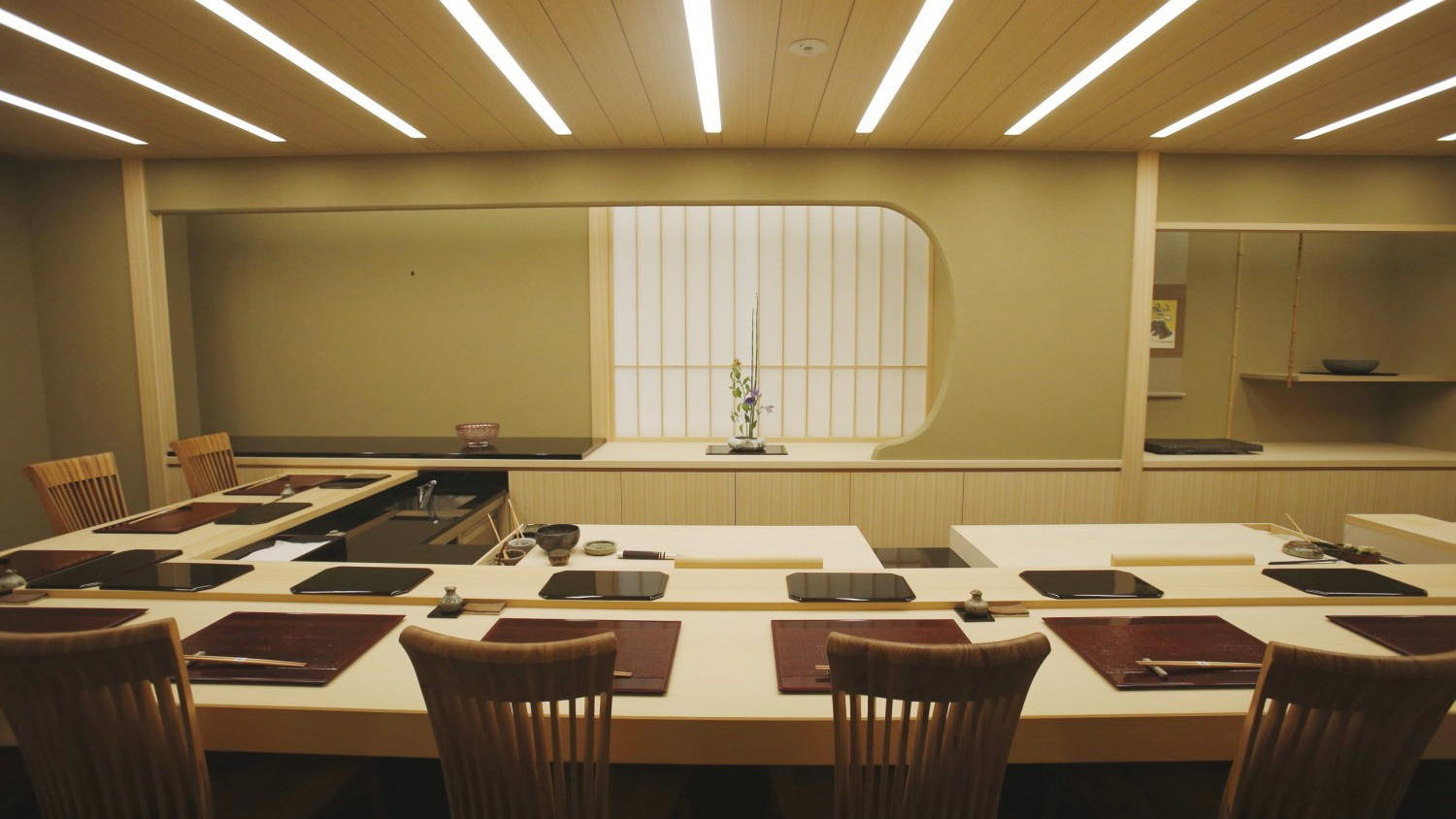
The counter format changes the dining calculus. Seven seats means the room is not built for large groups, lingering meetings, or elaborate service choreography. It suits solo dining and pairs, aligning with many Tokyo specialists at their strongest: minimal party management, quick turnover, and close attention to the main product. The room’s scale makes timing matter more than at larger restaurants, even when the category appears casual.
For readers cross-shopping Tokyo’s casual depth, the city rewards category hopping. Akihabara has seafood-and-grill addresses such as . 鮪と炭火焼き うお炭 秋葉原店, Shinjuku adds compact specialist formats like 12/10 Shinjuku ten, and Kagurazaka keeps yakitori in play at 124. KAGURAZAKA (Yakitori). For daytime contrast, 2D Cafe and 3 Chome no Curry Ya San show how Tokyo’s casual categories become destinations without formal-service pricing.
How to place it in a Tokyo itinerary
The restaurant is best understood as a precision lunch or early-evening noodle stop within a Ginza day, not a substitute for long omakase or a multi-course dinner. The nearest station is Higashi Ginza, so it folds easily into routes with department-store food halls, galleries, theatre-area wandering, or a later bar reservation. The no-reservations format changes the decision: treat it as a flexible anchor rather than a fixed appointment.
The payment setup is another signal of category discipline. Cards, electronic money, and QR code payments are not accepted, so cash is the sensible default. There is no parking, private room, or private-use option listed, and the restaurant is non-smoking. None diminishes the experience; it clarifies the format. This is a small counter for udon, not a room trying to solve every dining occasion.
Across Japan, stronger travel itineraries mix recognised specialists with regional and genre contrasts. Around the country, that could mean -Grilled beef Sukiyaki- KAMAKURA TANUKIAN 鎌倉 たぬき庵 in Kamakura.cafe in Osaka.know in Kumamoto, (Shoku) Vietnam in Kawasaki, [Curry Senmon Ten] Maruyama Kyoju. in Sapporo, and [ki:] in Kyoto. For a sake thread beyond Japan, Jōdo Saké Bar in Los Angeles and Onigiri Time in Pasadena show how Japanese casual forms travel, though Tokyo remains the reference for density and format precision.
EP Club’s read: this is a narrow-format Ginza address with credible udon recognition, small-counter constraints, and enough sake context to make a short meal feel considered. Use it when the itinerary needs craft without ceremony. For broader planning beyond restaurants, Our full Tokyo wineries guide and Our full Tokyo experiences guide help separate drinking, dining, and cultural time instead of forcing them into one overpacked day.
Peers in This Market
Comparable venues for cuisine and category context.
| Venue | Cuisine | Price | Notes |
|---|---|---|---|
| Kitsune An | Traditional Udon Noodle Bar | $$ | Chūō |
| 川田 | Sushi Omakase | Not listed | Chūō |
| Misojyu | Miso Soup Specialty | $$ | Taitō |
| Tonkatsu Yutaka | Traditional Asakusa Tonkatsu & Japanese Cuisine | $$ | Taitō |
| Takenoshita Soba | Traditional Japanese Soba | $$ | Shibuya |
| Grill K Komagome honten | Charcoal-grilled Japanese hamburg & steak | $$ | Toshima |
Recognition history
Dated appearances from independent guides and award organizations, with the underlying list record or original source where available.
Tabelog 100 #4 · No. 4
Tabelog · Tabelog 100 - Udon - EAST - 2024





At a Glance
- Cozy
- Quiet
- Classic
- Intimate
- Solo
- Casual Hangout
- Late Night
- Standalone
Current opening hours
- Monday
- 11 AM–3:30 PM, 5–8:30 PM
- Tuesday
- 11 AM–3:30 PM, 5–8:30 PM
- Wednesday
- 11 AM–3:30 PM, 5–8:30 PM
- Thursday
- 11 AM–3:30 PM, 5–8:30 PM
- Friday
- 11 AM–3:30 PM, 5–8:30 PM
- Saturday
- 11 AM–3:30 PM
- Sunday
- 11 AM–3:30 PM
Hours can change for holidays and private events. Last verified .
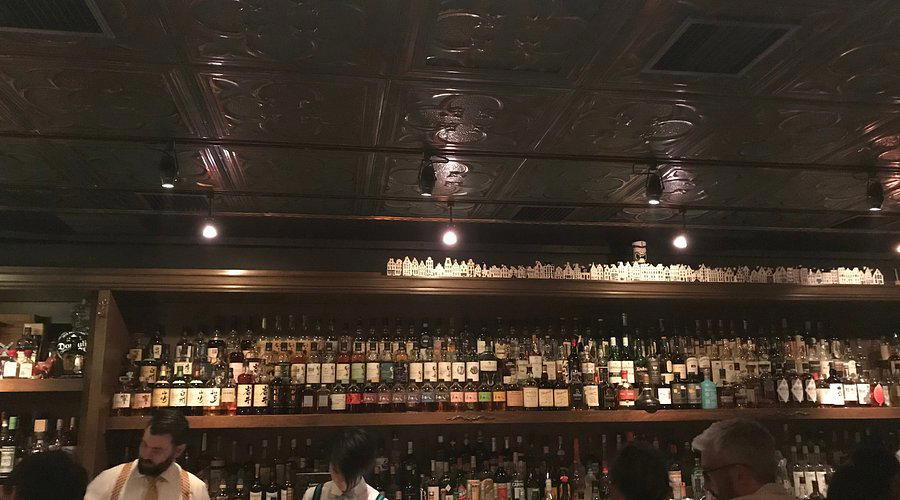
An intimate second-floor counter with only a handful of seats, subdued and quiet, where guests linger over carefully made udon in a relaxed, traditional-feeling setting.