Kitchen Social
Our verdict
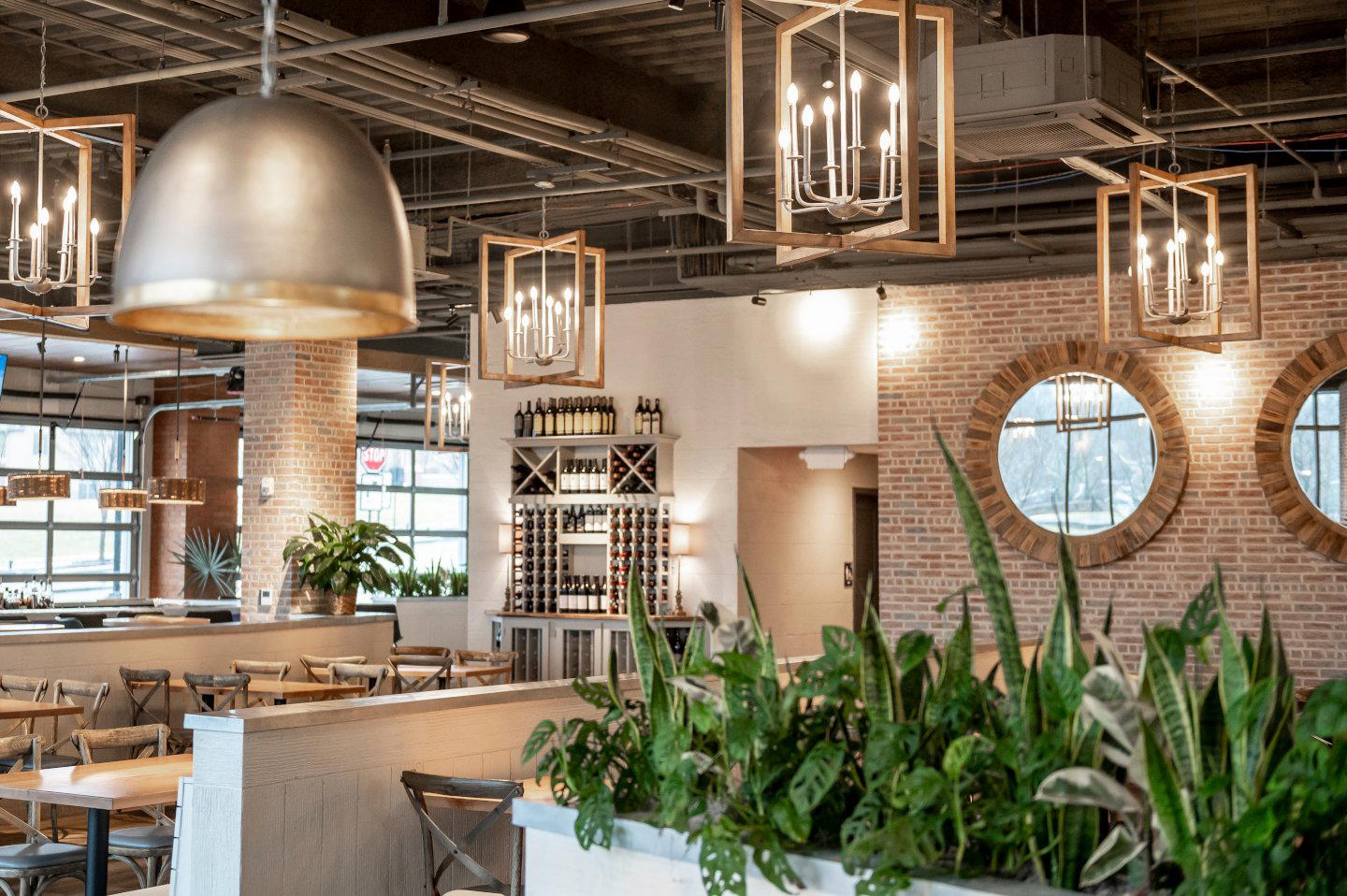
Kitchen Social occupies a spot in Dublin, Ohio's Bridge Park district, where the menu architecture reflects the broader American shift toward social, shareable formats over rigid course progressions. The kitchen draws from a range of influences to suit a neighbourhood built around communal gathering rather than destination dining. It sits in a price tier and setting that rewards casual regularity over occasion-driven visits.

Pearl is the En Primeur Club membership app, where members save venues, book tables and use the concierge.
The menu
What to order
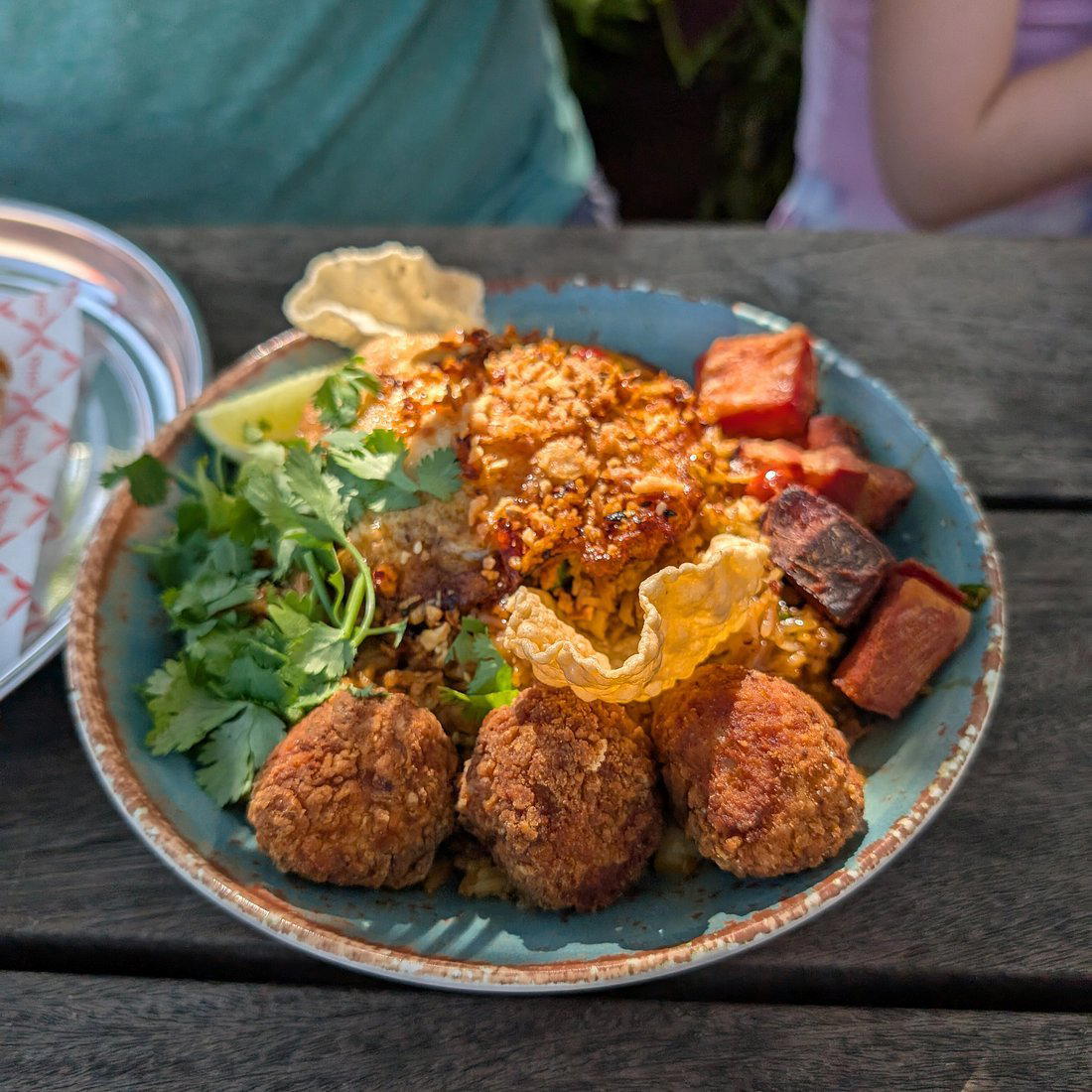
- Cheddar + Scallion Biscuits
- Short Rib + Carrot Hummus
Where the Format Does the Talking
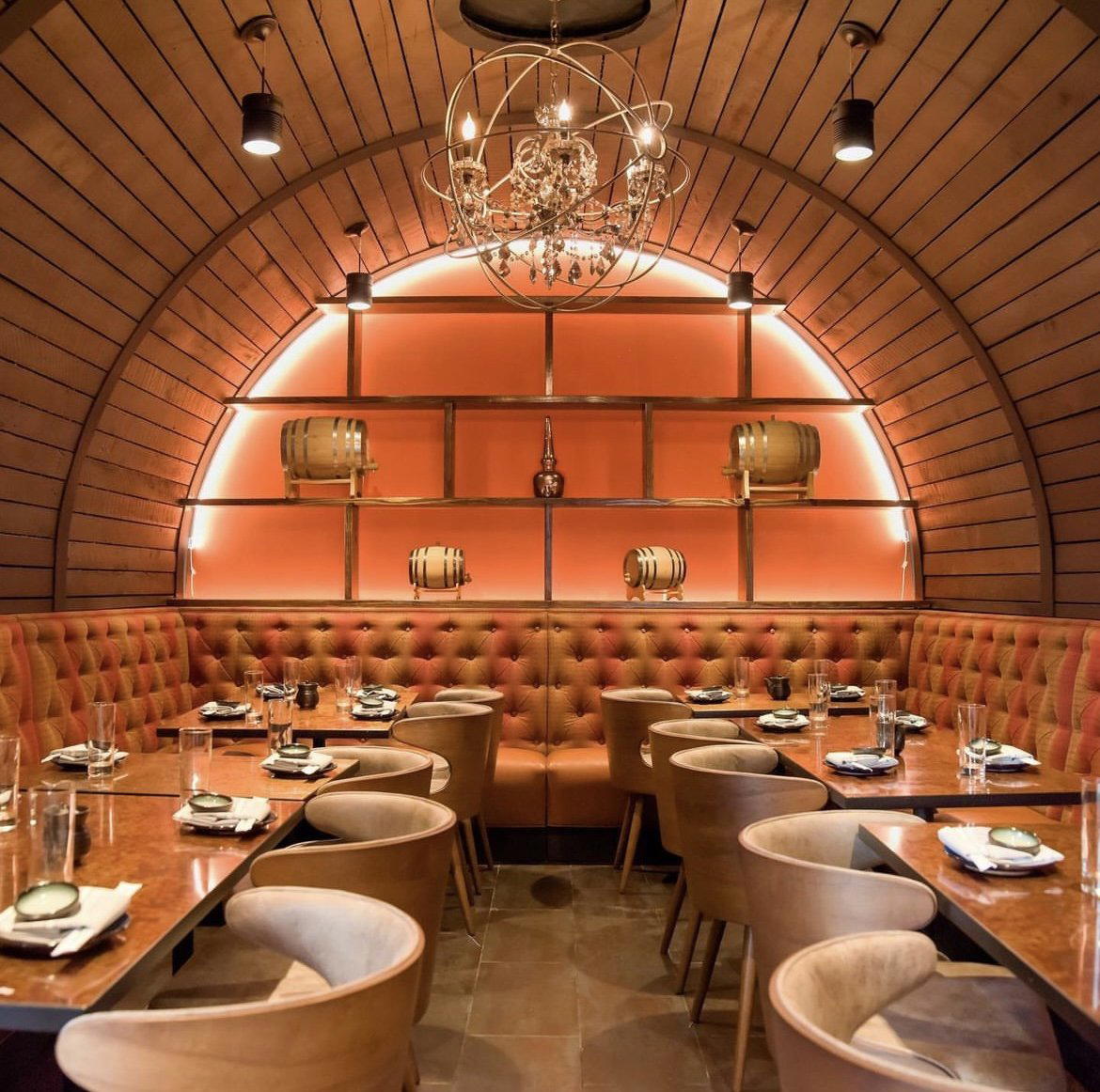
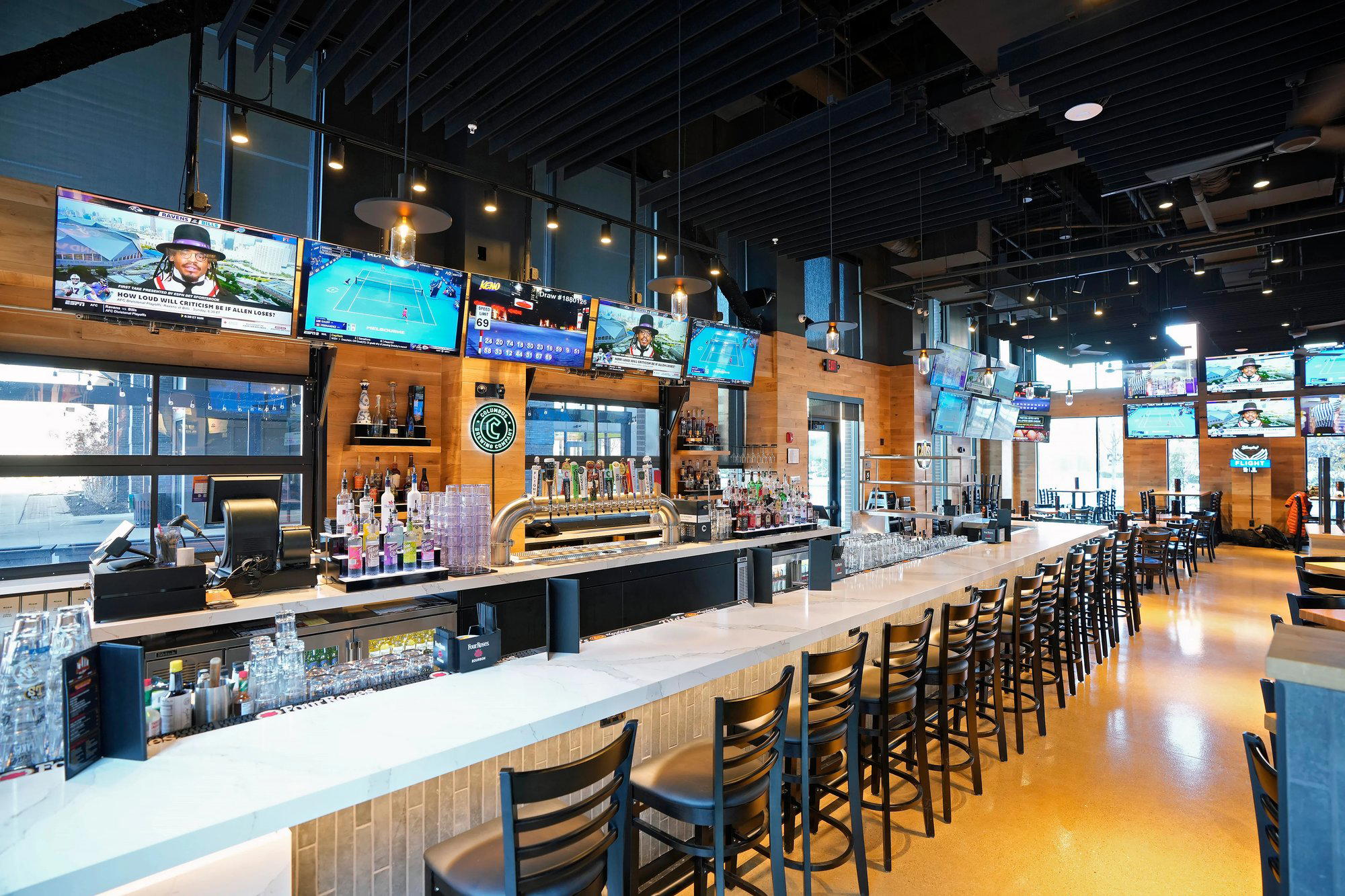
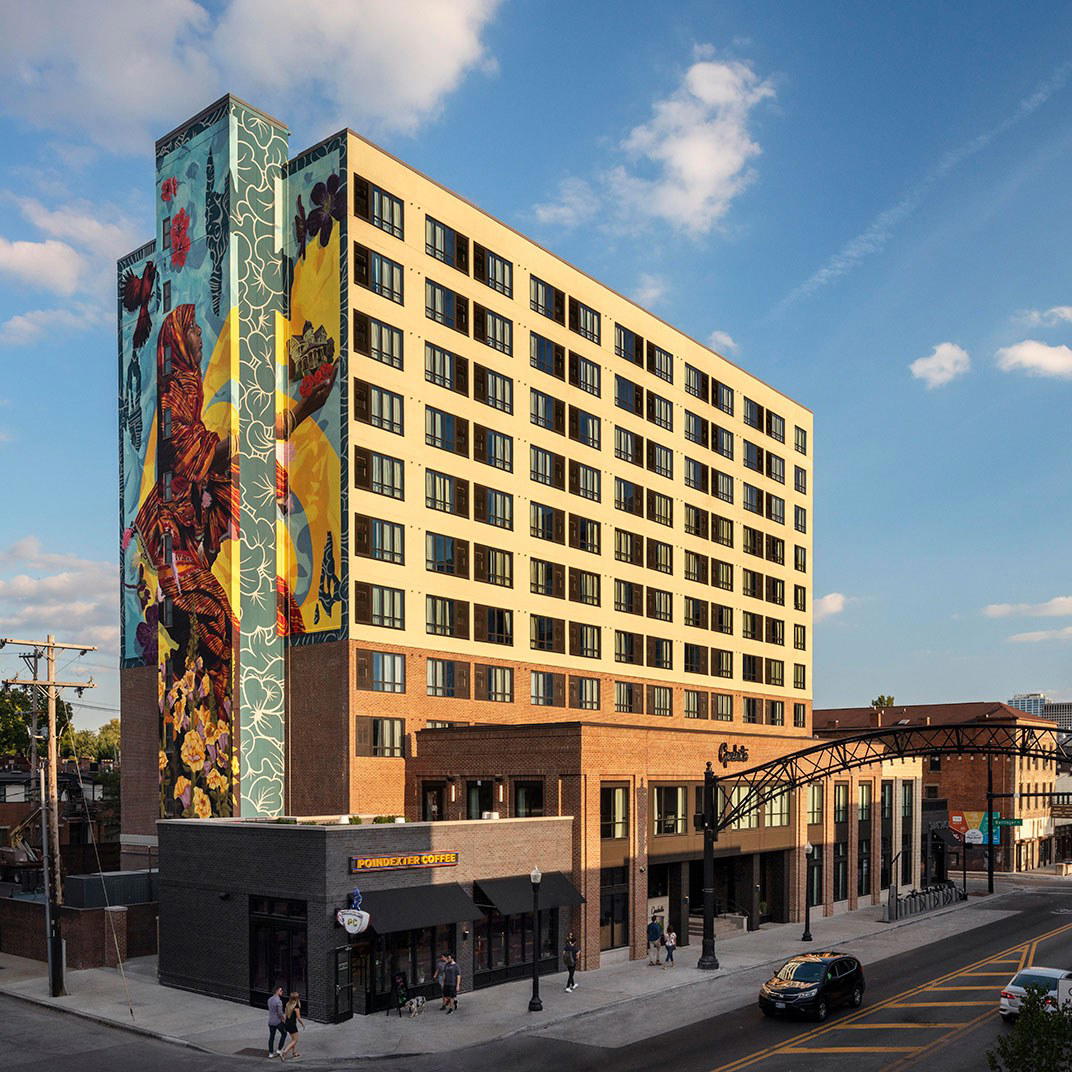
Bridge Park, Dublin's mixed-use waterfront development along the Scioto River, has added a layer of dining infrastructure to a suburb that previously sent residents into Columbus proper for anything beyond casual. The district's design is intentional: walkable blocks, ground-floor restaurants, and a built-in residential and office population that supports volume-driven concepts. Kitchen Social at 6791 Longshore Street reads the room correctly. Its format is calibrated for the neighbourhood rather than imposed upon it.
The broader trend Kitchen Social participates in is well-established across American mid-market dining: menus organised not around chef authorship or tasting progression, but around the pace and preference of the table. Shareable plates, range over specialism, and an interior that keeps noise levels social rather than hushed. That format has become the default register for neighbourhood anchors in planned mixed-use developments from Atlanta to Denver, and Bridge Park is no exception.
Reading the Menu as a Structural Argument
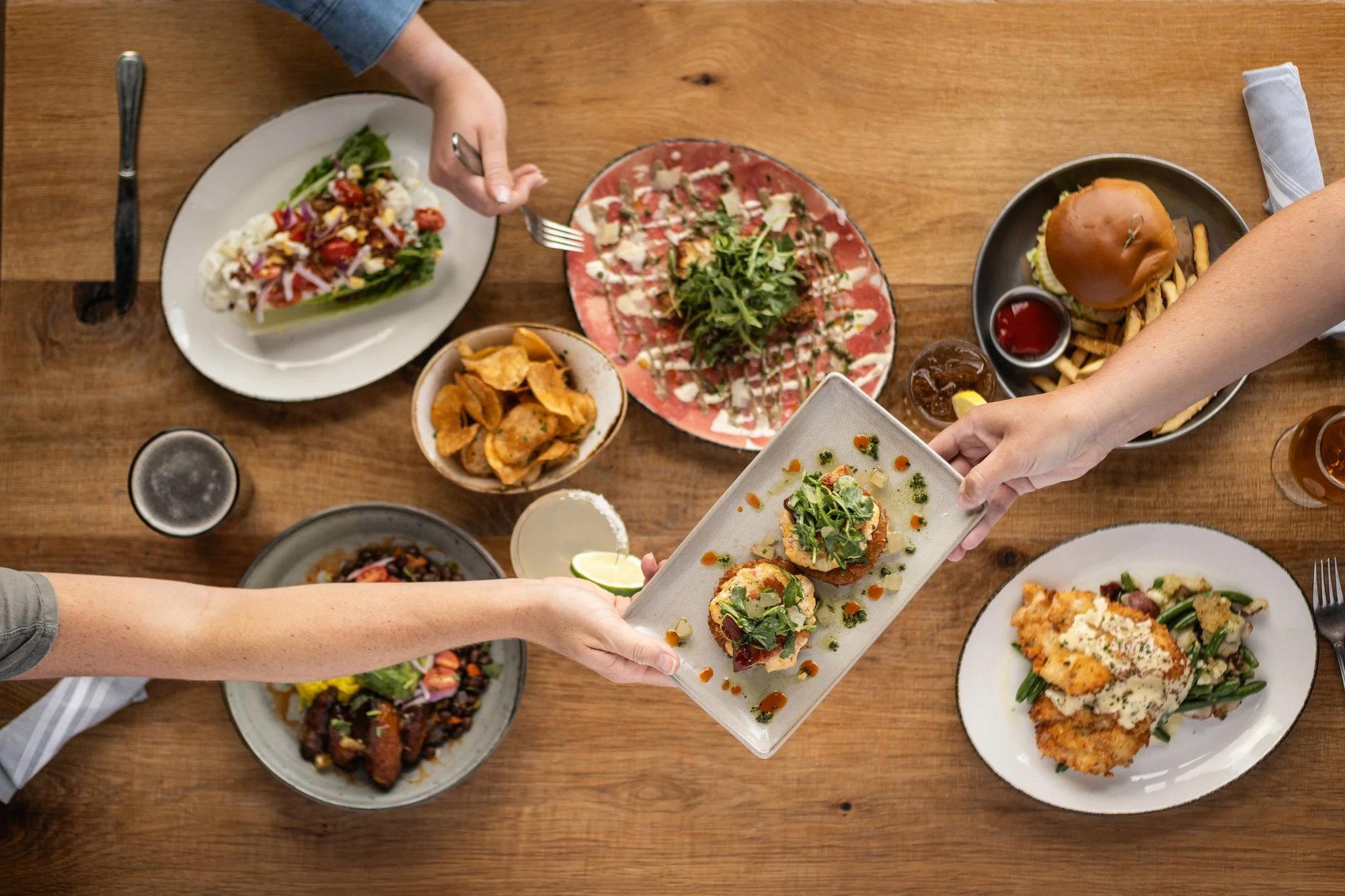
A menu's architecture is rarely neutral. The choice of how to divide plates, how many proteins to run, whether to anchor in a single cuisine or range freely, all of it signals who the kitchen is trying to feed and how often they expect those people to return. Kitchen Social's approach, consistent with its name and setting, leans toward breadth. That breadth serves repeat visitors who can order differently across visits, and it serves groups whose preferences diverge. It is a social contract written in courses.
This stands in contrast to the tighter editorial menus that define Dublin's more celebrated counterparts at the other end of the ambition spectrum. Chapter One by Mickael Viljanen and Patrick Guilbaud operate with menus that function more like arguments, each course a deliberate step in a defined direction. Bastible and Glovers Alley occupy middle ground, where chef perspective still shapes the plate count and sequencing. Kitchen Social's register is different: it is additive rather than curatorial.
The same structural logic appears at the upper end of American dining when chefs deliberately resist tasting-menu formalism. Lazy Bear in San Francisco and Alinea in Chicago have both experimented with communal formats, though at price points and with technical ambitions that sit in an entirely different category. What connects them to Kitchen Social is the underlying premise that the table's collective experience matters as much as any single plate. The application differs radically, but the instinct is shared.
The Bridge Park Context
Understanding Kitchen Social requires understanding Bridge Park as a dining environment. The development attracted a cluster of restaurants simultaneously, which means the competitive set is tight and geographically contained. Diners do not arrive from across the metro with a specific destination in mind; they arrive from within walking distance and make choices based on mood, group size, and availability. That dynamic rewards consistency and penalises inconsistency more sharply than in a destination dining context.
Dublin, Ohio sits northwest of Columbus, roughly 15 miles from the city centre, which means it draws from a suburban demographic with disposable income and family-oriented dining priorities. The Bridge Park development has shifted that profile somewhat, adding a younger professional contingent, but the core audience remains neighbourhood-first. Restaurants that have succeeded in comparable planned districts, from Easton Town Center within Columbus itself to similar developments in other Midwestern metros, have done so by building loyalty through reliability rather than novelty.
For reference across American fine dining contexts, the distance between Kitchen Social's neighbourhood-anchor format and the destination tier is considerable. The French Laundry in Napa, Blue Hill at Stone Barns in Tarrytown, and Single Thread Farm in Healdsburg all operate at a remove from their surrounding communities, drawing diners who have planned around the visit. Kitchen Social operates in the opposite mode, where proximity and ease of access are features rather than afterthoughts.
Planning Your Visit
Kitchen Social is located at 6791 Longshore St in Dublin's Bridge Park district, accessible by car from central Columbus in under 25 minutes under normal traffic conditions. The development has dedicated parking, which removes a friction point common to urban dining. As a neighbourhood concept in a high-density mixed-use block, demand is driven by local foot traffic and tends to concentrate on weekend evenings and post-work weekdays. Reservations, where available, are advisable for groups of four or more on those windows. The format suits both counter or bar seating for solo visitors and larger table configurations for groups. Comparable concepts in similar developments tend to run service across lunch and dinner, though specific hours should be confirmed directly given the absence of published details in current listings.
For broader context on where Kitchen Social sits within Ohio's dining scene, or for planning around a wider Columbus-area itinerary, our full Dublin restaurants guide maps the options across categories and price points. Internationally, diners curious about how social-format menus translate at higher price tiers might look at how Atomix in New York City or Le Bernardin handle the tension between structure and flexibility within their own menu architectures. For the American South's version of the social dining format, Emeril's in New Orleans offers a point of comparison built on a different regional tradition. And for those interested in how farm-driven sourcing reshapes the social menu format at the premium end, Providence in Los Angeles, Addison in San Diego, and The Inn at Little Washington each approach the problem from distinct regional perspectives. Further afield, 8 1/2 Otto e Mezzo Bombana in Hong Kong and D'Olier Street in Dublin show how the social-table instinct travels across cultural contexts with notably different results.
Frequently asked questions
What should I eat at Kitchen Social?
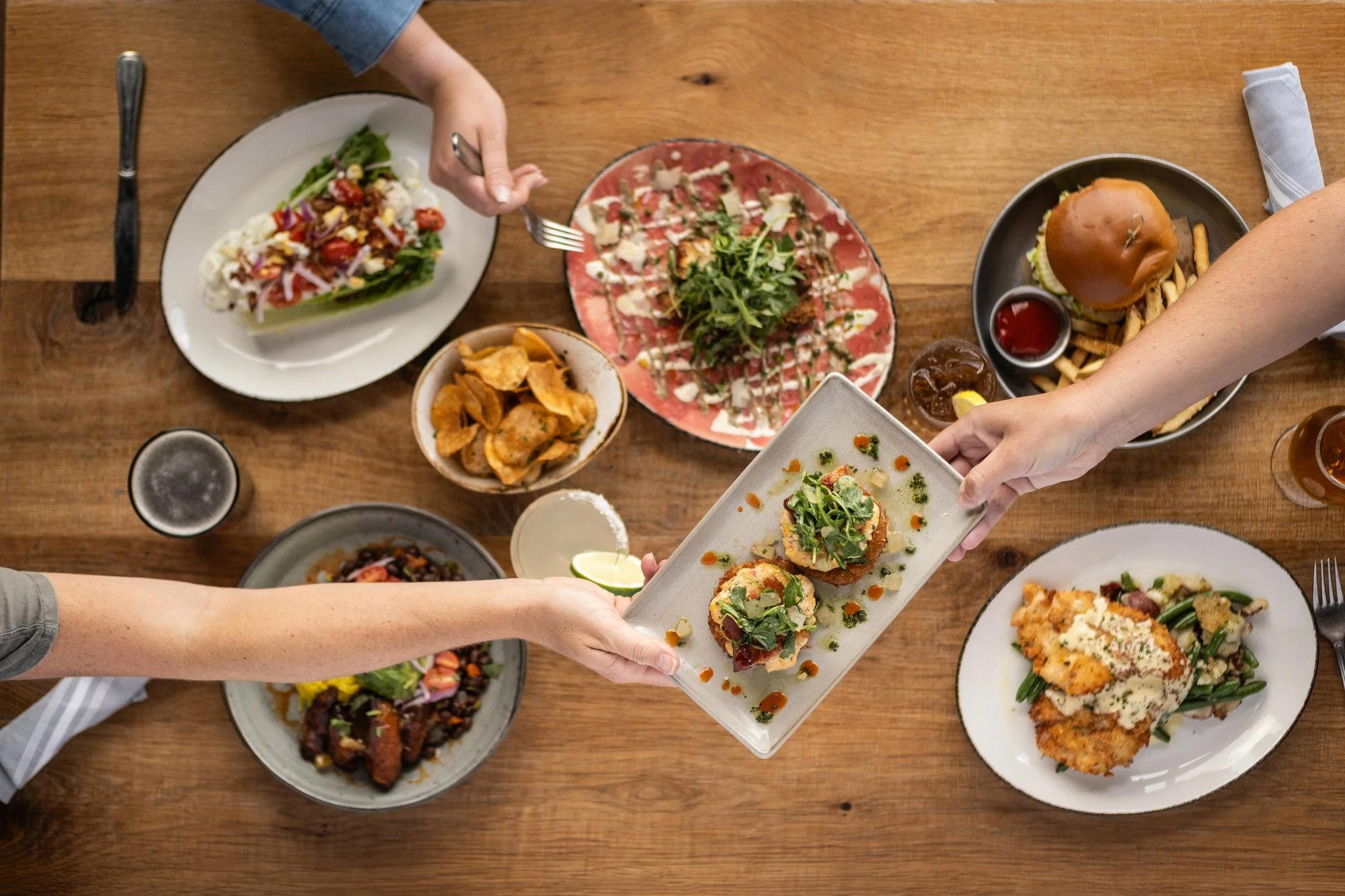
The menu's architecture at Kitchen Social is designed for sharing across a group rather than individual progression through set courses. Order across multiple sections of the menu to use the format as intended. The kitchen's range-over-specialism approach means the table rewards exploration: anchor with proteins, fill in with smaller plates, and let the group's preferences drive the sequence rather than following a fixed order.
How hard is it to get a table at Kitchen Social?
Kitchen Social sits in a planned mixed-use development where foot traffic is high and concentrated. Demand peaks on Friday and Saturday evenings and during post-work dinner windows on weekdays. For groups of four or more, booking ahead is sensible. Solo and couple visits have more flexibility, particularly at bar or counter seating. Unlike Dublin's Michelin-tracked restaurants, where lead times can run weeks, Kitchen Social's neighbourhood format typically allows shorter booking windows.
What's the standout thing about Kitchen Social?
The format itself is the answer. Kitchen Social is calibrated for the social-table era of American mid-market dining: menus designed for groups, ranges broad enough to accommodate divergent preferences, and a setting that matches the Bridge Park neighbourhood's communal orientation. It is not trying to compete with Columbus's destination dining tier, and that clarity of purpose is what makes it work within its own context.
Is Kitchen Social a good option for a business dinner in the Dublin, Ohio area?
Bridge Park's mixed-use setting makes Kitchen Social a practical choice for business meals that require flexibility in group size and a setting less formal than a traditional white-tablecloth room. The shareable format works for tables where ordering preferences vary, and the neighbourhood's proximity to Dublin's corporate corridor reduces travel time for attendees coming from local offices. Confirm current private dining or reservation options directly, as specifics are not published in current listings.
Category Peers
Comparable venues nearby, for context on price, style, and recognition.
| Venue | Cuisine | Price | Awards | Notes |
|---|---|---|---|---|
| Kitchen SocialThis venue (the venue you are viewing) | Modern American Gastropub | $20–30 | Not listed | Not listed |
| 101 Craft Kitchen | Seasonal American Gastropub | $20–30 | Not listed | Sawmill Rd |
| Siam Orchid | Thai | $20–30 | Not listed | Dublin |
| Mezzo | Modern Italian | $30–50 | Not listed | Historic Dublin |
| Z Cucina di Spirito Dublin | Modern Italian with Mediterranean Influences | $30–50 | Not listed | Bridge Park |
| Tucci's | Italian Steakhouse | $50–100 | Wine Spectator Best of Award of Excellence | Historic Dublin |
Continue exploring
More in Dublin
Restaurants in Dublin
All restaurants in Dublin →
Details
- Lively
- Modern
- Trendy
- Brunch
- Casual Hangout
- Group Dining
- Open Kitchen
- Craft Cocktails
- A La Carte
- Small Plates
- Vegetarian Friendly
- Vegan Options
Current opening hours
- Monday
- 3–9 PM
- Tuesday
- 3–9 PM
- Wednesday
- 3–9 PM
- Thursday
- 11 AM–9 PM
- Friday
- 11 AM–10 PM
- Saturday
- 10 AM–10 PM
- Sunday
- 10 AM–8 PM
Hours can change for holidays and private events. Hours as of .
Enjoyable atmosphere with an upscale yet welcoming vibe suitable for brunch and casual dining.