The Blackwell Inn and Pfahl Conference Center

Preferred Hotels Member
The Blackwell Inn and Pfahl Conference Center sits directly on the Ohio State University campus at 2110 Tuttle Park Pl, offering 151 rooms in a setting where academic architecture meets full-service hospitality. It occupies a specific niche in Columbus: a campus-anchored property designed to serve conference and leisure guests within walking distance of the university's central facilities.

Pearl is the En Primeur Club membership app — saves, bookings, and concierge access live there. Same editors, same standards.
- Address
- 2110 Tuttle Park Pl, Columbus, OH 43210
- Phone
- (614) 247-4000
- Website
- theblackwell.com
- Directions
- Get directions
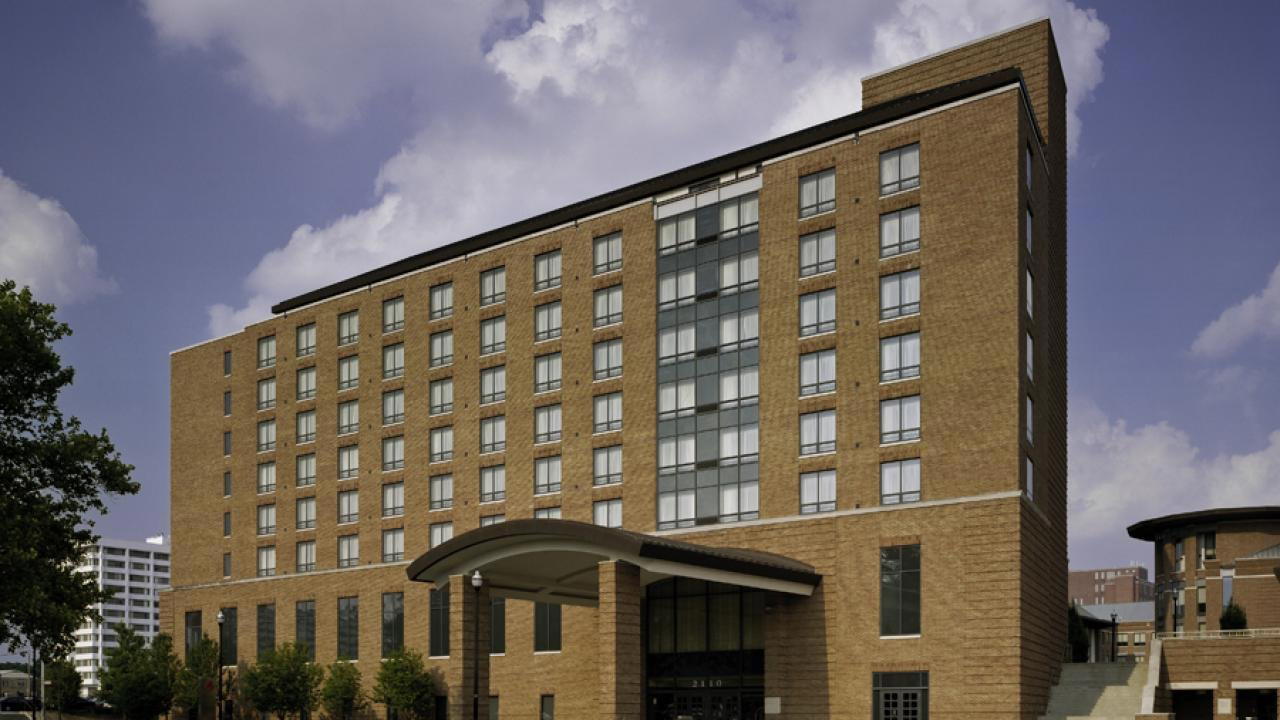
Campus Architecture as Hospitality Premise
University-affiliated hotels occupy a distinct category in American hospitality — properties where the institutional setting is not incidental but constitutive of the guest experience. The Blackwell Inn and Pfahl Conference Center, positioned directly on the Ohio State University campus at 2110 Tuttle Park Pl, belongs to that tradition. Its architecture and siting reflect a model common to flagship public universities that constructed full-service properties in the 1990s and 2000s: buildings designed to absorb conference traffic, recruit guests, and serve ceremonial functions without requiring visitors to leave campus. The result is a hotel whose design reads as deliberately institutional in the leading sense — coherent, purposeful, and contextually rooted in the rhythms of university life rather than the conventions of commercial hospitality.
What distinguishes this tier of campus hotel from a standard suburban conference property is the degree to which the built environment contributes to the sense of occasion. Arriving at The Blackwell, the surrounding OSU campus provides a scale and seriousness of place that generic conference centers rarely achieve. The perimeter of Ohio Stadium, the tree-lined paths of the South Oval, and the mass of academic buildings in brick and limestone create an ambient backdrop that frames the hotel as part of something larger than itself. For guests accustomed to properties like Chicago Athletic Association in Chicago, where institutional legacy generates a specific atmosphere, the campus-embedded model offers a parallel logic: the building borrows gravity from its surroundings.
151 Rooms and the Conference Center Model
At 151 rooms, The Blackwell operates at a scale typical for university flagship hotels, large enough to absorb significant conference groups through the Pfahl Conference Center component, but compact enough to maintain some coherence as a guest-facing operation. The conference center pairing is the structural key to understanding how this property functions. Unlike leisure-first hotels, where the room count is calibrated to revenue-per-available-room targets in a competitive market, university conference hotels are often sized to match the institution's event calendar: academic symposia, alumni weekends, recruitment weekends, and commencement-adjacent stays that fill blocks predictably through the academic year.
This model has a direct implication for the independent traveler. Properties like The Blackwell price and operate against two distinct demand curves, the institutional block booking cycle and the open market. Guests booking outside conference-heavy periods often find availability and pricing that the hotel's facilities would not suggest. Conversely, during Ohio State's major event weekends, home football Saturdays in particular, which draw crowds into six figures, rooms at campus properties become some of the most competed-for inventory in the city. Planning around the university's academic and athletic calendar is the operative variable for any Columbus stay that intersects with this campus corridor.
For travelers comparing Columbus accommodation options against properties in other Midwestern university cities, the campus hotel category sits between full-service downtown hotels and suburban conference facilities. Columbus's downtown core, roughly two miles from the OSU campus, has seen significant hotel development over the past decade, but the Blackwell's location places it in a different access logic: proximate to the university medical center, the Wexner Medical Center complex, and the academic core, rather than to the Short North arts corridor or the Arena District.
Situating The Blackwell in Columbus Hospitality
Columbus has developed a more diversified hotel market than its Midwestern positioning might suggest. The city's growth as a tech and finance hub, alongside its established base as a state capital and Big Ten university city, has created demand for properties across multiple segments. Against that backdrop, The Blackwell's identity is specific: it serves the university ecosystem first, which means its natural guests include faculty, visiting researchers, prospective students and their families, conference attendees, and OSU-affiliated event participants rather than the leisure traveler drawn to the Short North or German Village.
That specificity is worth naming clearly, because it shapes everything from check-in experience to dining options to the ambient energy of the property on a given night. On a Tuesday in February, a conference hotel on a major research campus operates at a different register than on a September football weekend. Both experiences are genuine, but they are substantially different stays. Travelers who have calibrated their expectations at properties like Troutbeck in Amenia or Blackberry Farm in Walland, where the property's personality is consistent and deeply felt, will find The Blackwell operates on a different axis, one where institutional function shapes character as much as design intent does.
For those whose Columbus visit centers on the university, whether for academic, medical, or athletic purposes, the Blackwell's proximity eliminates logistical friction that downtown options introduce. That is a concrete value proposition, and for the right traveler, it is the deciding factor. For those whose visit is primarily city-facing rather than campus-facing, the broader Columbus hotel market warrants consideration alongside this property.
Planning a Stay: Practical Orientation
The address at 2110 Tuttle Park Pl places the hotel within the university's central campus precinct, accessible from the north via Lane Avenue and from the east via High Street, Columbus's main commercial spine. The surrounding area offers access to the university's recreational facilities, libraries, and museum spaces, including the Wexner Center for the Arts, which sits a short walk from the hotel and contributes to the cultural texture of a campus stay.
Guests traveling for non-university purposes who are considering Columbus more broadly would do well to cross-reference our full Columbus restaurants guide, which maps the city's dining neighborhoods against hotel proximity. The Short North, Columbus's densest concentration of independent restaurants and bars, is accessible from the OSU campus by a short drive or a longer walk along High Street, a corridor that itself reflects the city's shift from university-adjacent commercial strip to a more varied urban environment over the past fifteen years.
Room availability and pricing should be verified directly with the property, as the conference-driven booking model means inventory and rates vary considerably across the academic calendar. Properties in comparable university-affiliated categories across the country, from the Kellogg Hotel at Michigan State to the Inn at Penn, follow similar patterns, and the Blackwell operates within that established framework.
Comparison Snapshot
Comparable venues nearby, for context on price, style, and recognition.
| Venue | Cuisine | Price | Awards | Notes |
|---|---|---|---|---|
| The Blackwell Inn and Pfahl Conference CenterThis venue — the venue you are viewing | Craftsman-inspired full-service campus hotel | $200–300 | Preferred Hotels Member | Not listed |
| Graduate by Hilton Columbus | University-themed boutique hotel with local Columbus and OSU nostalgia. | Not listed | Michelin Selected | Short North |
| Kinley Cincinnati Downtown | Modern lifestyle hotel in historic building emphasizing social connection. | Not listed | Michelin Selected | Downtown |
| The Summit Hotel | Art Deco inspired contemporary luxury | $200–300 | Preferred Hotels Member | Madisonville |
| Graduate by Hilton Cincinnati | Collegiate-inspired boutique hotel with local Cincinnati character and modern design sensibility. | $100–200 | Michelin Selected | Corryville |
| Symphony Hotel & Vivaldi's Restaurant | Historic Victorian boutique hotel blending period architecture with modern hospitality in a restored 1871 townhome. | $100–200 | Not listed | Over-the-Rhine |
Recognition history
Dated appearances from independent guides and award organizations, with the underlying list record or original source where available.
Preferred Hotels Member
Preferred Hotels
Details
- Elegant
- Sophisticated
- Modern
- Business Trip
- Group Retreat
- Historic Building
- Terrace
- Wi Fi
- Fitness Center
- Business Center
- Room Service
- Concierge
- Restaurant
- Wheelchair Accessible
- Elevator
- Step Free Entrance
- Accessible Parking
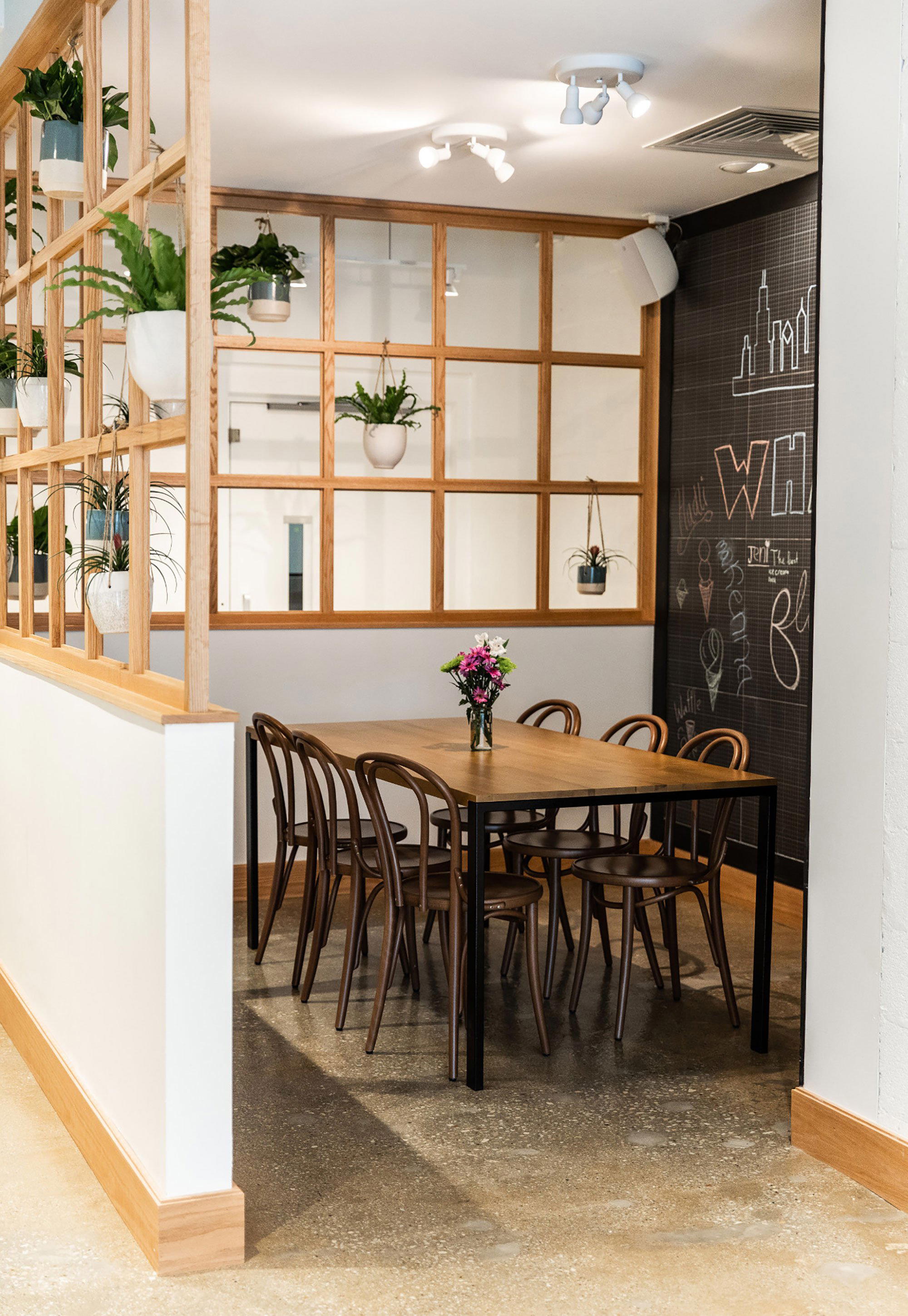
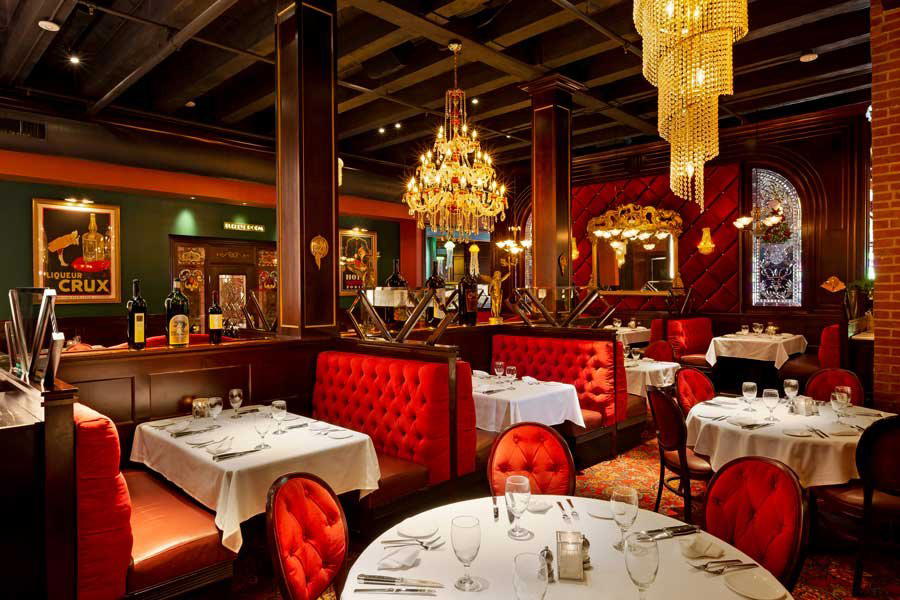
Inviting atmosphere with lobby fireplace, craftsman-inspired furnishings, and refined lighting creating a sophisticated yet comfortable environment.