Tabelog 100 #72
Our verdict
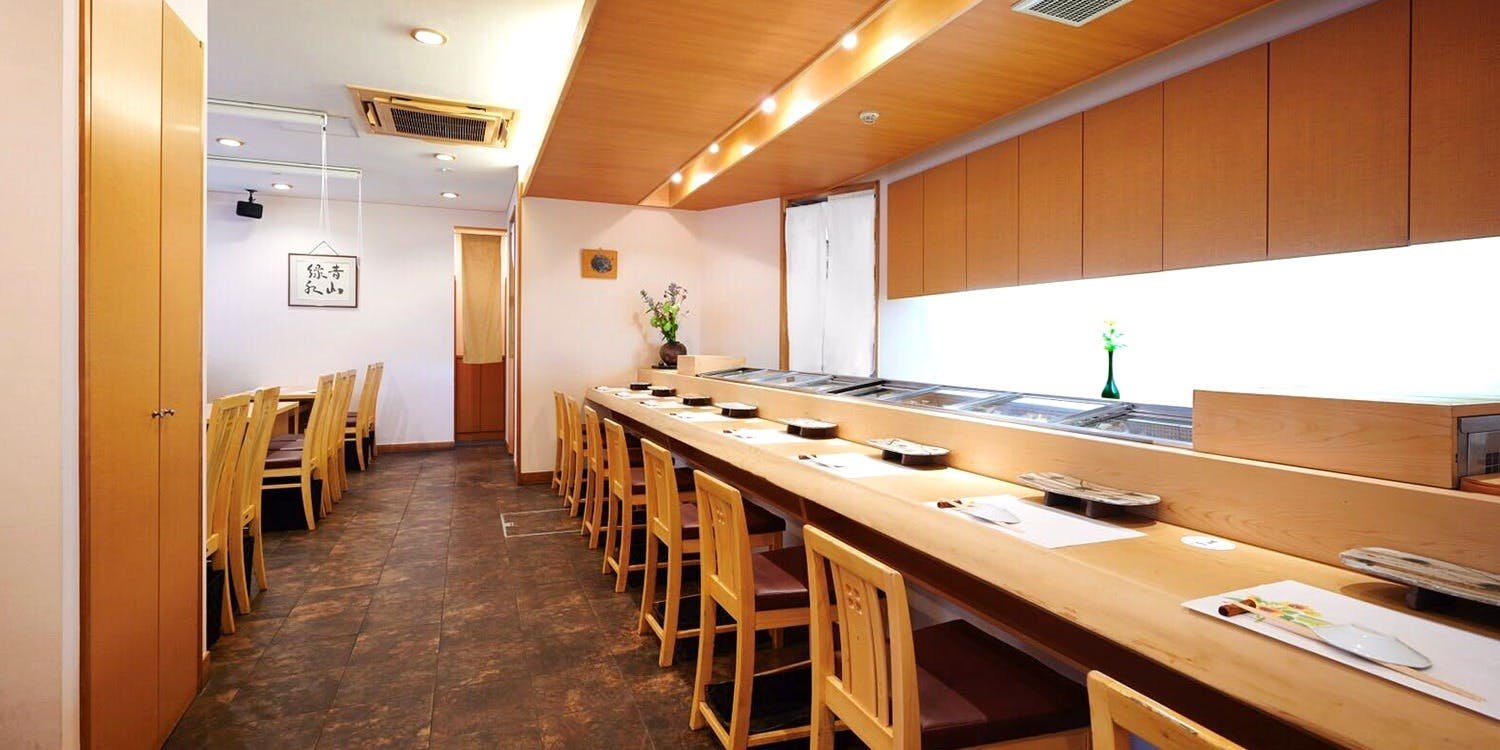
Kisetsu Ryori Ishii sits in Nihonbashi’s quieter register of Japanese dining: fish-led, seasonal, and shaped for regular use rather than ceremony. Its selection for Tabelog 100 - Diner - 2026 places it in a category that rewards everyday rigor, where counter seating, sake, shochu, and disciplined seafood cooking matter more than spectacle.

Pearl is the En Primeur Club membership app, where members save venues, book tables and use the concierge.
The menu
What to order
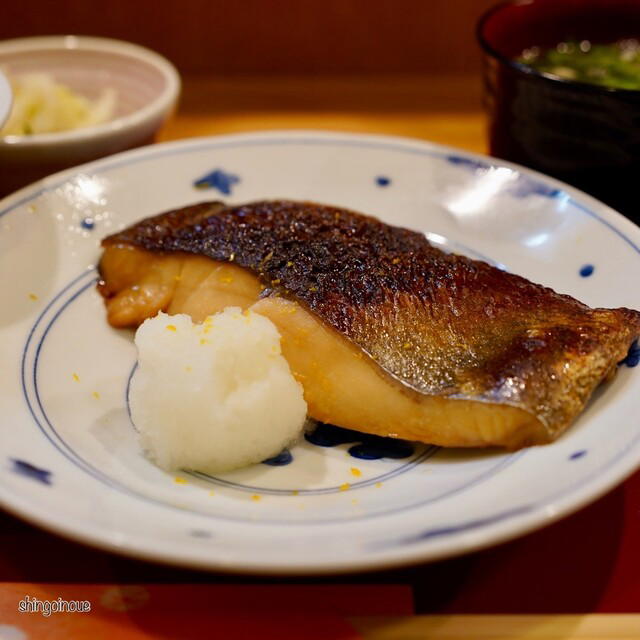
- Braised flounder set meal
- Seasonal grilled fish set
- Lunch fish set meal
- Selection course dinner
Tokyo lowers the volume before dinner. Around the city, everyday dining rooms, long-running specialists, and office towers sit within reach of one another, giving the dining rhythm a practical rather than theatrical feel. Kisetsu Ryori Ishii belongs to that Tokyo pattern: a restaurant whose public listing points to cafeteria and seafood categories, with a price structure that reads as working-city dining rather than destination-stage dining.
That matters because Tokyo’s international image often favors formal counters and tasting-menu restaurants with ceremony. The city’s older strength is different: repeat-use restaurants, narrow specialisms, and seasonal cooking that need not announce itself. Here, Kisetsu Ryori Ishii is less trophy booking than lens on how the city eats when precision becomes routine.
Tokyo's everyday dining tradition is changing without becoming casual
The Tabelog Hyakumeiten 2026 recognition is the central trust signal, useful because the category is not luxury shorthand. In this Japanese context, cafeteria-style dining can point toward meals everyday in format but serious in sourcing, seasoning, and regular-customer appeal. The venue’s listed Tabelog score of 3.68 gives the recognition a concrete public benchmark rather than relying on atmosphere alone.
Tokyo has steadily revalued this middle tier. From abroad, the hierarchy once looked simple: formal destination restaurants at one end, quick casual meals at the accessible end, and a blur between. The interesting movement sits in that blur. Fish-focused meals, set-meal lunches, and seafood-friendly evening formats compete for diners who want technique without the choreography of a long tasting menu.
Kisetsu Ryori Ishii fits because its public identity rests on the cafeteria and seafood categories rather than chef mythology. The absence of a named public chef narrative is not a weakness in this genre. Many serious Tokyo restaurants are defined by consistency, repeat clientele, and a narrow promise kept over time. The editorial point is format: a restaurant can be highly selected without adopting the international fine-dining script.
Nearby comparisons sharpen the read without needing to turn the meal into a checklist. 日本橋ゆかり, Yaesu Unagi Hashimoto, Nihonbashi Nagato, AU BON VIEUX TEMPS Nihonbashi takashimaya ten, and 365 Nichi to Nihonbashi all sit within the broader Tokyo conversation around daily eating, specialist craft, and repeat-use restaurants. Against that field, Kisetsu Ryori Ishii occupies the seafood-and-everyday-dining lane: not broadest or flashiest, but clearly placed in Tokyo’s current dining map.
Seafood, structure, and the value of restraint
The listed categories, cafeteria and seafood, can sound modest in English, but the combination is revealing. In Japan, a cafeteria-adjacent label does not necessarily mean low ambition; it can signal a meal structure built around practical dining rather than a Western sequence. The better comparison is not luxury ceremony, but Tokyo’s better seafood-led everyday rooms, where balance is the test: freshness, seasoning, rice, and how well the meal fits its price bracket.
That is why restraint matters. A restaurant described through cafeteria and seafood categories sits closer to domestic meal culture than to a wine-pairing template for global diners. The appeal is not theatrical beverage service or imported luxury cues, but the quieter intelligence of a place whose public profile is built on format, category, and selection rather than spectacle.
The pricing spread also speaks plainly. Lunch is listed at JPY 1,000–JPY 1,999, while dinner is listed at JPY 8,000–JPY 9,999. That split is part of Tokyo’s evolution: the same city can feed a quick weekday lunch crowd and a more deliberate evening audience, often in rooms plainer than the polished counters that dominate travel fantasy.
Readers should treat this as a city-specific choice rather than a citywide trophy. For a broader sweep of restaurant styles, start with Our full Tokyo restaurants guide. Travelers building a wider night should cross-check Our full Tokyo bars guide, while those weighing where to stay near station-linked dining can use Our full Tokyo hotels guide. The same planning logic extends beyond meals through Our full Tokyo experiences guide and, for category completists, Our full Tokyo wineries guide.
How to place it inside a Tokyo eating week
Kisetsu Ryori Ishii makes clearest sense for travelers who already have one high-formality meal planned and want a restaurant showing how Tokyo values repetition, seasonality, and seafood without heavy performance. It is also a counterpoint to more visual or single-specialty stops across the city: unnamed counters, casual cafés, and other Tokyo dining rooms that make the city’s food culture broader than a single luxury script.
The broader Japan map helps define the choice. Across the country, travelers will find regional meals, café culture, casual modern formats, and highly specific specialisms that frame how everyday dining can still carry serious local meaning. Even outside Japan, everyday meal formats travel differently, reminding diners that the category language around a restaurant can shift dramatically from one city to another.
The verdict is restrained but clear: this is a Tokyo choice for diners who know the city’s serious food culture is not confined to starched counters and international awards. The evidence sits in the Tabelog Hyakumeiten 2026 recognition, the 3.68 Tabelog score, the cafeteria and seafood categories, and the stated lunch and dinner budget bands. In a city where commerce and daily dining still shape restaurant behavior, Kisetsu Ryori Ishii offers a precise version of everyday dining adapted for current Tokyo.
Frequently asked questions
What part of town is Kisetsu Ryori Ishii in?
Tokyo.
What's the price range at Kisetsu Ryori Ishii?
Pricing at Kisetsu Ryori Ishii is listed as dinner: JPY 8,000 - JPY 9,999; lunch: JPY 1,000 - JPY 1,999.
What are Kisetsu Ryori Ishii's hours?
Published hours are not provided in the verified venue data. Check the venue's official channels for the latest details.
What makes Kisetsu Ryori Ishii worth seeking out?
The main draw is the Tabelog Hyakumeiten 2026 recognition, which places Kisetsu Ryori Ishii among Tokyo’s carefully judged everyday-dining addresses. Its cafeteria and seafood categories give it a clear identity without pushing into formal tasting-menu territory. Lunch is listed at JPY 1,000–JPY 1,999, while dinner is listed at JPY 8,000–JPY 9,999.
Is Kisetsu Ryori Ishii allergy-friendly?
Kisetsu Ryori Ishii is categorized under seafood, so diners with allergies should coordinate directly before booking. Check the venue's official channels for the latest details.
Is Kisetsu Ryori Ishii good for families?
Family suitability is not specified in the verified venue data. The listed lunch and dinner price bands may help diners decide whether the format fits their group, and the venue is in Tokyo.
Price and Recognition
Comparable venues at a similar level for quick context.
| Venue | Cuisine | Price | Awards | Notes |
|---|---|---|---|---|
| Kisetsu Ryori IshiiThis venue (the venue you are viewing) | Seasonal Japanese Seafood Diner | $50–100 | Tabelog 100 #72 | Not listed |
| Tengoku | Retro Japanese Cafe | $1–10 | Not listed | Asakusa, Retro Japanese Cafe |
| やきそばー HIT | Japanese Yakisoba & Ramen Bar | $10–20 | Not listed | Sugamo, Japanese Yakisoba & Ramen Bar |
| Tamacho Honten Yaesu ten | Nagoya-style miso nikomi udon & Nagoya regional cuisine | $10–20 | Tabelog 100 #78 | Chūō, Nagoya-style miso nikomi udon & Nagoya regional cuisine |
| Stone | Japanese Curry & Kissa | $10–20 | Tabelog 100 #29 | Taitō, Japanese Curry & Kissa |
| Jo Kigen | Standing Japanese sake & seafood bar | $20–30 | Tabelog 100 #29 | Minato, Standing Japanese sake & seafood bar |
Recognition history
Dated appearances from independent guides and award organizations, with the underlying list record or original source where available.
Tabelog 100 #72 · No. 72
Tabelog · Tabelog 100 - Diner - 2026