
Tabelog 100 #64
Our verdict
KIRIHARA puts Hayama’s kakigori culture in the serious-sweets lane rather than the casual beach-snack category. Its Tabelog Sweets EAST 100 selection in 2023, modest JPY 1,000–1,999 price band, and seasonal operating pattern make it a precise stop for travelers reading Miura-gun through ingredients, weather, and coastal pacing.

Pearl is the En Primeur Club membership app, where members save venues, book tables and use the concierge.
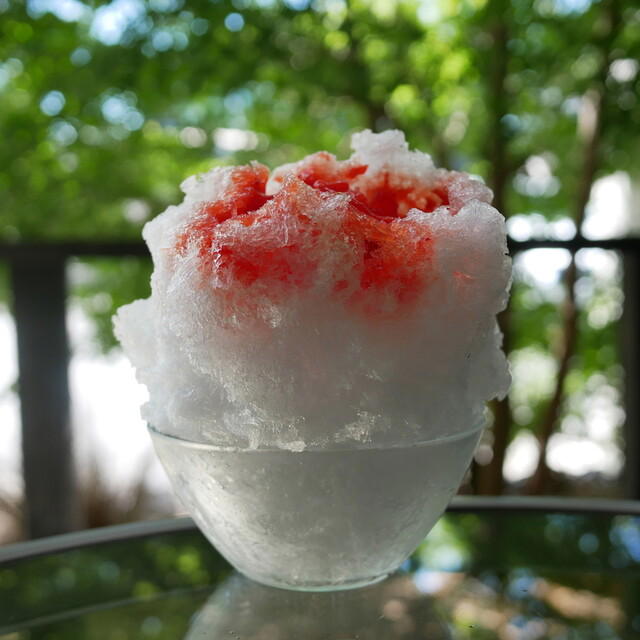
Miura-gun approaches slowly: low roofs, sea air, and the unhurried rhythm of a Kanagawa coast area that has never needed Tokyo’s volume to make its point. In that setting, kakigori is not a novelty dessert. It is a seasonal grammar of ice, syrup, fruit, dairy, tea, and texture, where sourcing matters because the format leaves nowhere to hide. KIRIHARA belongs to that small Japanese sweets category where restraint carries more authority than decoration.
The sharper way to read the place is through Miura-gun’s coastal food culture. This is not the ramen-and-bar crawl logic of a station district, nor the long-form register of a destination dining room. Miura-gun rewards shorter, ingredient-led stops: bread, tea, soba, sweets, and other dining rooms that make sense around daylight and weather. For a broader map, compare the area through Bledor Hayama honten, Fruhling, Hinode En, and Soba Edo; together they show a coastal area where casual formats can carry serious local weight.
Kakigori treated as produce, not spectacle
Kakigori has changed in Japan from a festival sweet into a specialist format with its own hierarchy. At the stronger counters, the appeal is not size alone. It is the relationship between shaved ice structure, dilution, temperature, and toppings that behave more like seasonal produce than candy. A syrup that tastes clear at the first spoon can collapse after five minutes if the ice is wrong; a dairy layer can soften acidity or flatten it. This is why the category now earns dedicated recognition rather than being folded into general café culture.
KIRIHARA’s inclusion in Tabelog’s Hyakumeiten record for 2023 is the useful trust signal here. Tabelog’s Hyakumeiten lists are not Michelin-style inspections, but they matter in Japan because they isolate category specialists with enough public dining traction to rise above ordinary local popularity. For kakigori, that distinction is particularly revealing: the field is crowded, seasonal, and sensitive to weather. A shop that registers in the kakigori category has crossed from neighborhood treat into a more serious regional reference point.
The price band also tells part of the story. Kakigori at this level sits far below tasting-menu dining but above throwaway refreshment. The listed spend of JPY 1,000 - JPY 1,999 is low enough to fold into a day in Miura-gun, yet specific enough that expectations should be set around craft rather than abundance. In Miura-gun terms, it occupies a different lane from fuller meal stops such as Soba Edo and simpler local pauses such as Hinode En. That spread is useful for planning a day by appetite rather than by prestige.
Why Miura-gun makes sense for serious shaved ice
Ingredient-led sweets read differently outside the city. Tokyo can support highly technical dessert rooms because density solves demand. Miura-gun has another advantage: a slower cadence, coastal humidity, and a visitor pattern that makes cold sweets feel tied to place rather than trend. Kakigori is especially dependent on timing. Heat, rain, and the short emotional window of summer shape demand as much as any menu decision, which explains why seasonality is not a minor detail in this category.
The venue’s category focus adds a quiet measure of credibility. KIRIHARA is listed for kakigori, a narrow format that depends on texture, temperature, and balance rather than breadth. That matters because the format has been through cycles: nostalgic summer bowls, elaborately layered café versions, and now a more disciplined specialist tier where recognition depends on consistency. KIRIHARA’s position is stronger when seen as part of that broader shift, not as a photogenic detour.
For travelers building a Miura-gun day, the move is to treat sweets as a central stop rather than an afterthought. Miura-gun’s dining map is unusually good at short formats: a bakery run, a tea or sweets pause, soba for a later meal, and other local dining if the day turns into dinner. The city guide layer helps frame those choices: Our full Miura-gun restaurants guide, Our full Miura-gun hotels guide, Our full Miura-gun bars guide, Our full Miura-gun wineries guide, and Our full Miura-gun experiences guide give the broader context.
The right expectation: narrow format, clear purpose
The strongest case for KIRIHARA is not breadth. It is focus. A kakigori specialist asks the traveler to accept a narrow proposition: cold dessert, seasonal logic, and the patience that comes with a format affected by weather and demand. That narrowness is also the point. In a prefecture with easy access to Tokyo and Kamakura, Miura-gun’s better food stops work because they resist becoming all-day, all-purpose venues.
That makes it a sharper choice for readers who care about ingredient expression in modest formats. The reward is not a long meal or a formal room; it is the chance to understand how Japanese sweets culture treats ice as a vehicle for produce, temperature, and texture. For a wider regional comparison, other unnamed specialist formats show how EP Club separates focused food experiences from conventional destination dining.
The editorial call is simple: come for a focused kakigori stop when Miura-gun’s coastal rhythm suits sweets, not when the day demands a full restaurant experience. The Tabelog Hyakumeiten 2023 recognition gives the venue category-level credibility; the better reason to go is that shaved ice, handled seriously, explains a side of Japanese dining culture that formal meals often miss.
Frequently asked questions
Is KIRIHARA good for families?
KIRIHARA is a kakigori specialist with a listed price range of JPY 1,000 - JPY 1,999, which keeps it approachable for an easy sweets stop in Miura-gun.
What kind of setting is KIRIHARA?
KIRIHARA is a kakigori specialist in Miura-gun. Its Tabelog Hyakumeiten 2023 recognition signals a focused dessert stop rather than a broad café.
What should I budget for a meal at KIRIHARA?
Pricing at KIRIHARA is listed as JPY 1,000 - JPY 1,999 View spending breakdown.
When is KIRIHARA open?
Current opening hours are not provided in the verified venue facts; check directly before visiting.
Side-by-Side Snapshot
Comparable venues by cuisine and price in the same metro.
| Venue | Cuisine | Price | Awards | Notes |
|---|---|---|---|---|
| KIRIHARAThis venue (the venue you are viewing) | Cafe / Kissaten | Not listed | Tabelog 100 #64 | Not listed |
| Fruhling | Patisserie / Cake Shop | Not listed | Tabelog 100 #96 | Miura-gun |
| Restaurant La Mare | French-inspired creative seaside cuisine | $30–50 | Tabelog 100 #92 | Hayama-machi Horiuchi |
| Soba Edo | Japanese Soba Noodles | Not listed | Tabelog 100 #25 | Hayama-machi |
| Bledor Hayama honten | Japanese Bakery Cafe | Not listed | Tabelog 100 #50 | Hayama |
| Hinode En | Japanese tea cafe & wagashi | $10–20 | Tabelog 100 #75 | Hayama |
Recognition history
Dated appearances from independent guides and award organizations, with the underlying list record or original source where available.
Tabelog 100 #64 · No. 64
Tabelog · Tabelog 100 - Sweets - EAST - 2023
Continue exploring
More in Miura-gun
Restaurants in Miura-gun
All restaurants in Miura-gun →



Bars in Miura-gun
Browse all →


Details
- Standalone
Current opening hours
- Monday
- 11 AM–4 PM
- Tuesday
- Closed
- Wednesday
- Closed
- Thursday
- Closed
- Friday
- 11 AM–4 PM
- Saturday
- 11 AM–4 PM
- Sunday
- 11 AM–4 PM
Hours can change for holidays and private events. Last verified .