King's Arms Tavern
King's Arms Tavern on Duke of Gloucester Street is Williamsburg's most direct link to 18th-century colonial dining, where historical authenticity shapes every plate. The kitchen draws on period ingredient traditions rooted in Virginia's agricultural past, placing it in a distinct category among Colonial Williamsburg's living-history dining options. For visitors seeking a meal that doubles as a documented encounter with American culinary heritage, it earns serious consideration.
Pearl is the En Primeur Club membership app — saves, bookings, and concierge access live there. Same editors, same standards.
- Address
- 416 E Duke of Gloucester St, Williamsburg, VA 23185
- Phone
- +18552403278
- Website
- colonialwilliamsburg.org
- Directions
- Get directions
 Saves & bookings on Pearl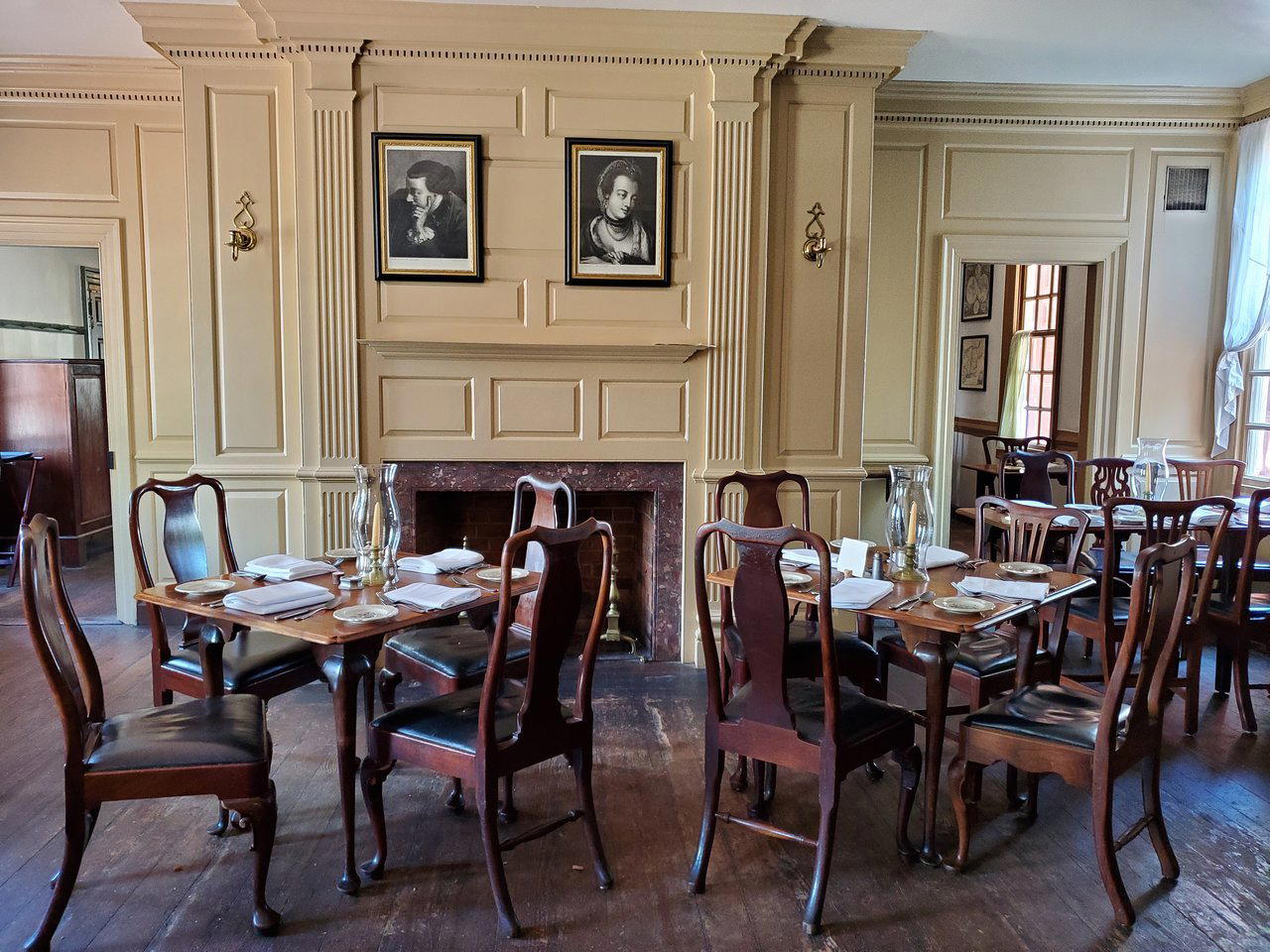
Where the Street Feels Like a Different Century
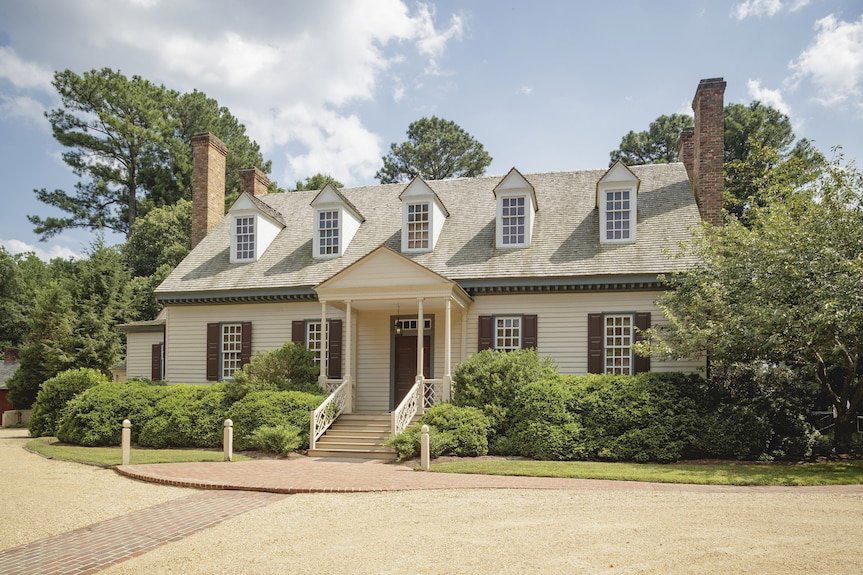
Duke of Gloucester Street in Colonial Williamsburg does something most American historic districts cannot quite manage: it creates spatial continuity with the past rather than a series of museum-like interruptions. Walking east along Duke of Gloucester Street toward King's Arms Tavern at number 416, the scale of the surrounding structures helps frame the 18th-century setting. That physical context matters for understanding what kind of dining experience this is. The tavern format, common to Virginia's colonial capital, was a civic institution as much as a dining venue, a place where merchants, lawyers, and travelers gathered around shared tables and common dishes. King's Arms Tavern operates within that tradition, and the physical setting is not decorative backstory, it is the frame through which the kitchen's sourcing decisions and menu logic should be read.
Colonial Ingredient Logic and Why It Still Matters
American culinary history has spent the last two decades reconnecting with pre-industrial ingredient traditions, from the grain revival driven by heritage millers to the regional seed-saving networks that have brought near-extinct vegetable varieties back to commercial kitchens. Williamsburg's colonial dining venues sit at an interesting intersection of that broader movement and living-history preservation. The ingredient sourcing at King's Arms Tavern is shaped by documented historical research rather than contemporary chef preference.
Colonial Virginia's food culture was defined by specific agricultural realities: a tobacco economy that shaped which crops competed for land, proximity to the Chesapeake Bay's seafood supply, and British culinary traditions adapted to an American growing environment. Peanut soup, a dish closely associated with this tavern, is not a nostalgic invention, it reflects the groundnut's actual presence in colonial Virginia kitchens, where it moved from small-scale cultivation to wider use in the 18th century. Similarly, game preparations and roasted meats reference a period when wild protein was a practical supplement to domestic livestock, not a luxury positioning choice. Here, the sourcing follows the historical record, which is a more constrained brief.
Williamsburg's Colonial Dining Tier and Where King's Arms Sits Within It
Colonial Williamsburg operates several taverns within its historic area, and they do not all occupy the same position. Christiana Campbell's Tavern, which has documented connections to George Washington's dining habits, carries a specific historical association that draws visitors interested in that lineage. The restaurant, by contrast, has historically positioned itself toward the upper register of the colonial dining options, with table service, period costumed staff, and a menu that emphasizes refined fare associated with Williamsburg's gentry class rather than the working tavern trade.
Beyond the colonial tier, Williamsburg's broader dining scene has expanded considerably. Amber Ox Public House and Cochon on 2nd operate in a contemporary American register that competes for a different type of visitor, while Berret's Restaurant and Craft 31 fill the seafood and craft-beverage niches respectively. King's Arms does not compete in that modern category. Its context is the living-history tavern model, where the dining experience is inseparable from the educational and cultural mission of the surrounding district.
For visitors who arrive in Williamsburg with an interest in American food history that extends beyond curiosity, placing King's Arms alongside nationally recognized ingredient-driven programs like The French Laundry in Napa or Providence in Los Angeles would be a category error. The relevant comparison is with living-history hospitality programs at institutions like Colonial Williamsburg itself, where accuracy and historical context are the primary quality markers, not culinary ambition measured against contemporary fine dining. That framing is not a criticism, it is the correct lens.
The Living-History Dining Format and What It Delivers
Dining in a tavern where the service format, table arrangement, and dish presentations are drawn from documented historical practice is a specific kind of experience. The format works well when visitors approach it as participatory history rather than as a restaurant visit judged by contemporary hospitality standards. Period staff in 18th-century dress, communal-style seating in historically proportioned rooms, and a menu shaped by what was available and appropriate to the colonial period all contribute to an immersive encounter that places food culture inside its original social context.
This approach has parallels in the broader American experiential dining movement. Restaurants like Alinea in Chicago or Lazy Bear in San Francisco use format and environment as meaning-making tools alongside the food itself, though in a contemporary idiom. The colonial tavern format predates all of that by two and a half centuries, and it remains one of the few dining formats in American hospitality where the room, the service style, and the dishes function as a single coherent argument about a specific historical moment. Visitors looking for a quieter introduction to Williamsburg's food culture can explore other Williamsburg dining options across price points and formats.
Planning a Visit
The restaurant is located at 416 East Duke of Gloucester Street within Colonial Williamsburg. Reservations are recommended, and the tavern's hours are Mon: 11 AM to 8 PM; Tue: Closed; Wed: Closed; Thu: 11 AM to 8 PM; Fri: 11 AM to 8 PM; Sat: 11 AM to 8 PM; Sun: 11 AM to 8 PM.
In Context: Similar Options
Comparable venues nearby, for context on price, style, and recognition.
| Venue | Cuisine | Price | Notes |
|---|---|---|---|
| King's Arms TavernThis venue — the venue you are viewing | Colonial American Chophouse | $$$ | Not listed |
| Sweet Tea & Barley | Modern Southern Gastropub | $$ | Williamsburg Lodge |
| Craft 31 | American Gourmet Burgers & Pizza | $$ | Williamsburg |
| Traditions | Contemporary American Breakfast | $$ | Colonial Williamsburg |
| Gabriel Archer Tavern | Farm-to-Table American Gastropub | $$ | Williamsburg Winery |
| Cochon on 2nd | New American Grill | $$$ | Williamsburg |
Continue exploring
More in Williamsburg
Restaurants in Williamsburg
Browse all →
Bars in Williamsburg
Browse all →
Hotels in Williamsburg
Browse all →
At a Glance
- Classic
- Historic
- Cozy
- Elegant
- Special Occasion
- Family
- Celebration
- Historic Building
Current opening hours
- Monday
- 11 AM–8 PM
- Tuesday
- Closed
- Wednesday
- Closed
- Thursday
- 11 AM–8 PM
- Friday
- 11 AM–8 PM
- Saturday
- 11 AM–8 PM
- Sunday
- 11 AM–8 PM
Hours can change for holidays and private events. Last verified .
Colonial elegance with period-authentic servers in 18th-century fashion, pewter candlesticks, and a transporting historical atmosphere.