Samurai Blue Sushi & Sake Bar
On Ybor City's East 8th Avenue, Samurai Blue Sushi & Sake Bar occupies a stretch of Tampa's most characterful dining corridor, drawing a loyal crowd that returns not for novelty but for consistency. The sake program anchors the bar, while the sushi counter positions the venue within Tampa's broader shift toward Japanese-inflected dining as a serious category rather than a casual fallback.
Pearl is the En Primeur Club membership app — saves, bookings, and concierge access live there. Same editors, same standards.
- Address
- 1600 E 8th Ave, Tampa, FL 33605
- Phone
- +1 813 242 6688
- Website
- samuraiblue.com
- Directions
- Get directions
 Saves & bookings on Pearl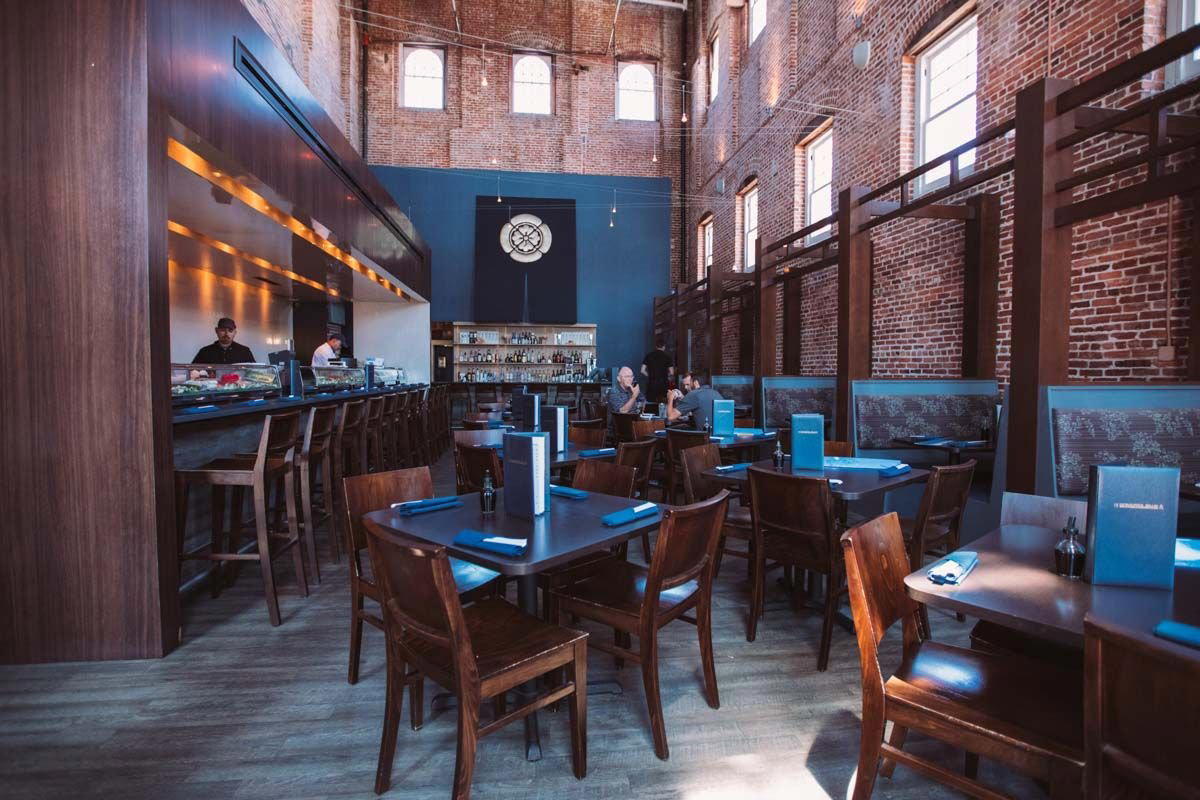
East 8th Avenue and the Rise of Japanese Dining in Tampa
Ybor City built its identity on Cuban sandwiches and cigar smoke, but the neighbourhood's dining character has broadened considerably over the past decade. East 8th Avenue now accommodates a range of formats that sit well outside the original Cuban-Spanish tradition, and Japanese dining has secured a genuine foothold in that mix. Samurai Blue Sushi & Sake Bar, at 1600 E 8th Ave, is a Japanese Sushi & Sake Bar in Tampa with a casual dress code, a recommended reservation policy, and an average price of about $25 per person.
Tampa's Japanese dining scene has matured in a way that mirrors what happened in mid-tier American cities over the past fifteen years: a first wave of broadly accessible sushi bars gave way to more differentiated offerings, with some venues moving up-market toward tasting menus and chef-driven counter formats, and others consolidating around a loyal, repeat-visit audience. Samurai Blue sits in the second category. The sake bar component signals something more considered than a standard roll-and-beer operation, positioning the venue closer to a Japanese izakaya in spirit, if not in strict format.
The Regulars and What They Know
One reliable measure of a neighbourhood sushi bar is not its opening menu or its press coverage but the behaviour of its regulars. In venues like this, the loyal clientele develops an unwritten menu over time: the order that doesn't appear on the printed list but that any experienced server recognises, the seat preference that gets honoured without asking, the time of evening when the kitchen is at its most responsive. Ybor City has enough dining options that a venue drawing a consistent repeat crowd is doing something right on the fundamentals, whether that's rice temperature, fish sourcing, or simply the atmosphere that makes a Tuesday feel worth leaving home for.
That dynamic is common to the better neighbourhood Japanese venues across American cities. At Atomix in New York City, the regulars arrive for a completely different reason, a tasting counter with serious Korean-Japanese lineage, but the principle is the same: earned trust, returned visits. Samurai Blue operates at a different scale and register, but the logic of the loyal clientele applies just as directly. The sake program is particularly obvious mechanism for repeat visits here. A well-maintained sake list rewards the guest who moves through it systematically over several evenings, and the bar format encourages exactly that kind of incremental exploration.
Sake as the Organising Principle
In American Japanese dining, sake has historically been an afterthought, a warm carafe offered reflexively before the beer list. The venues that changed that pattern tended to do so by treating sake with the same structural seriousness as a wine program: by style, by region, by brewery, with staff who can explain the difference between junmai daiginjo and honjozo without reciting from a laminated card. The inclusion of sake in the venue's name at Samurai Blue is a declaration of intent rather than marketing shorthand.
Florida's climate adds a practical dimension to this. Sake, particularly lighter ginjo styles, works well in warm-weather settings where a heavy red wine or barrel-aged spirit would feel wrong. That alignment between program and geography is one reason sake bars have taken hold in cities like Tampa and Miami in a way that might not have been predicted a decade ago. The drinking culture in these cities leans toward refreshment as much as contemplation, and the cleaner, more mineral styles of sake serve both impulses.
Where Samurai Blue Sits in Tampa's Dining Range
Tampa's higher-end Japanese options, including Koya at the summit of the price bracket, set a competitive ceiling that few venues in the city can match for formal execution. Below that tier, the field is broader and more varied. Samurai Blue competes in a different register than the $$$$-tier venues, positioning closer to a category where quality-to-value ratio and neighbourhood accessibility matter more than prestige signalling. That's not a criticism; it's a description of a legitimate and often more sustainable dining category.
For context on where Tampa's broader dining ambition sits, the city's contemporary restaurants, including Ebbe for modern European-inflected cooking, Rocca for Italian at an accessible price point, and Lilac at the Mediterranean fine-dining end, collectively demonstrate that the city's restaurant culture has moved well past its reputation as a steakhouse-and-Cuban-sandwich town. Japanese dining is part of that maturation.
The contrast with destination-level Japanese dining elsewhere in the country is instructive rather than unfavourable. Venues like Providence in Los Angeles, Le Bernardin in New York City, or Smyth in Chicago represent the outer edge of what American fine dining can deliver, and that's a different conversation entirely. Closer to Samurai Blue's register, the point is neighbourhood reliability, a sake program worth exploring, and a room that feels like it belongs to its regulars rather than to a rotating audience of first-timers.
Planning a Visit
Samurai Blue Sushi & Sake Bar is located at 1600 E 8th Ave in Ybor City, Tampa, FL 33605. The venue's position on East 8th Avenue places it within walking distance of the neighbourhood's core dining and bar corridor, making it direct to combine with a broader Ybor evening.
Category Peers
Comparable venues nearby, for context on price, style, and recognition.
| Venue | Cuisine | Price | Notes |
|---|---|---|---|
| Samurai Blue Sushi & Sake BarThis venue — the venue you are viewing | Japanese Sushi & Sake Bar | $$ | Not listed |
| Kobé Japanese Steakhouse - Tampa | Teppanyaki Japanese Steakhouse | $$ | Tampa |
| Sushi Time | Japanese Sushi and Hibachi | $$ | Hammocks |
| Sal Rosa | Latin-Caribbean | $$ | Franklin Street |
| KELP SUSHI JOINT | Modern Asian Fusion Sushi | $$ | South Tampa |
| Columbia | Traditional Spanish‑Cuban cafe | $$ | Water Street / Tampa Riverwalk |
At a Glance
- Lively
- Trendy
- Casual
- Casual Hangout
- Group Dining
- After Work
- Late Night
- Standalone
- Historic Building
- Sake Program
Current opening hours
- Monday
- 11:30 AM–2 PM, 5–11 PM
- Tuesday
- 11:30 AM–2 PM, 5–11 PM
- Wednesday
- 11:30 AM–2 PM, 5 PM–12 AM
- Thursday
- 11:30 AM–2 PM, 5 PM–12 AM
- Friday
- 11:30 AM–2 PM, 5 PM–1 AM
- Saturday
- 5 PM–1 AM
- Sunday
- 5–11 PM
Hours can change for holidays and private events. Last verified .
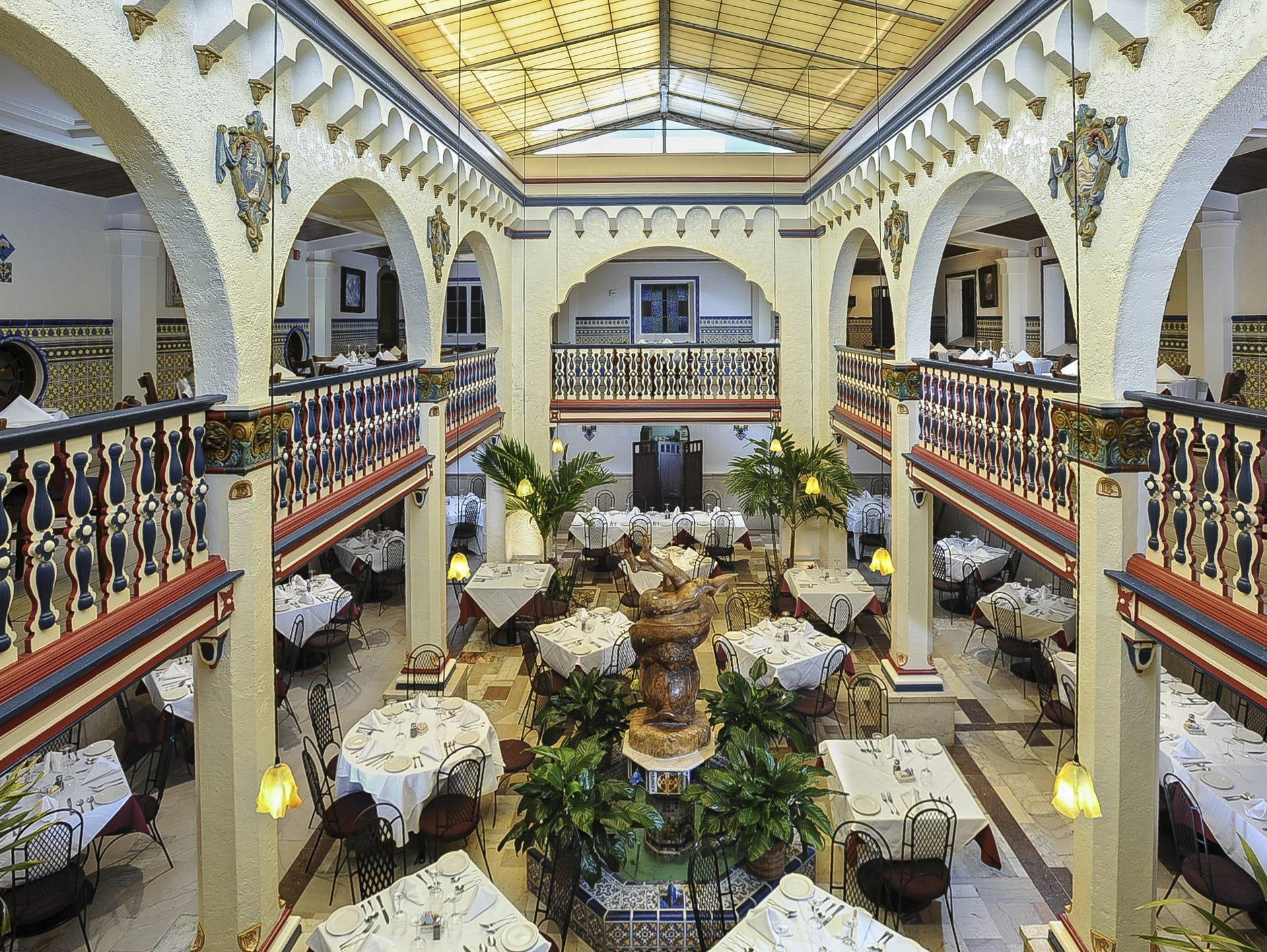
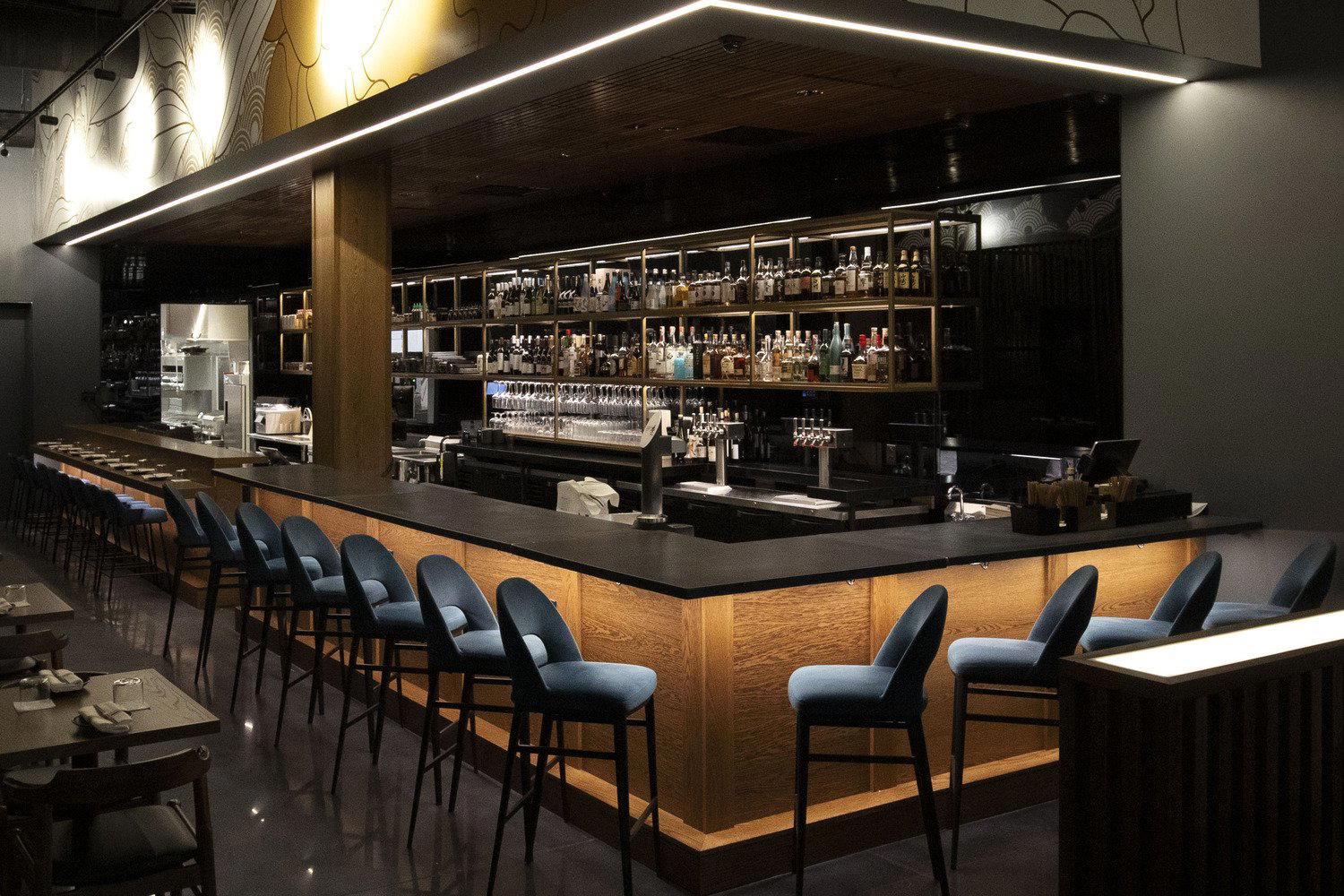
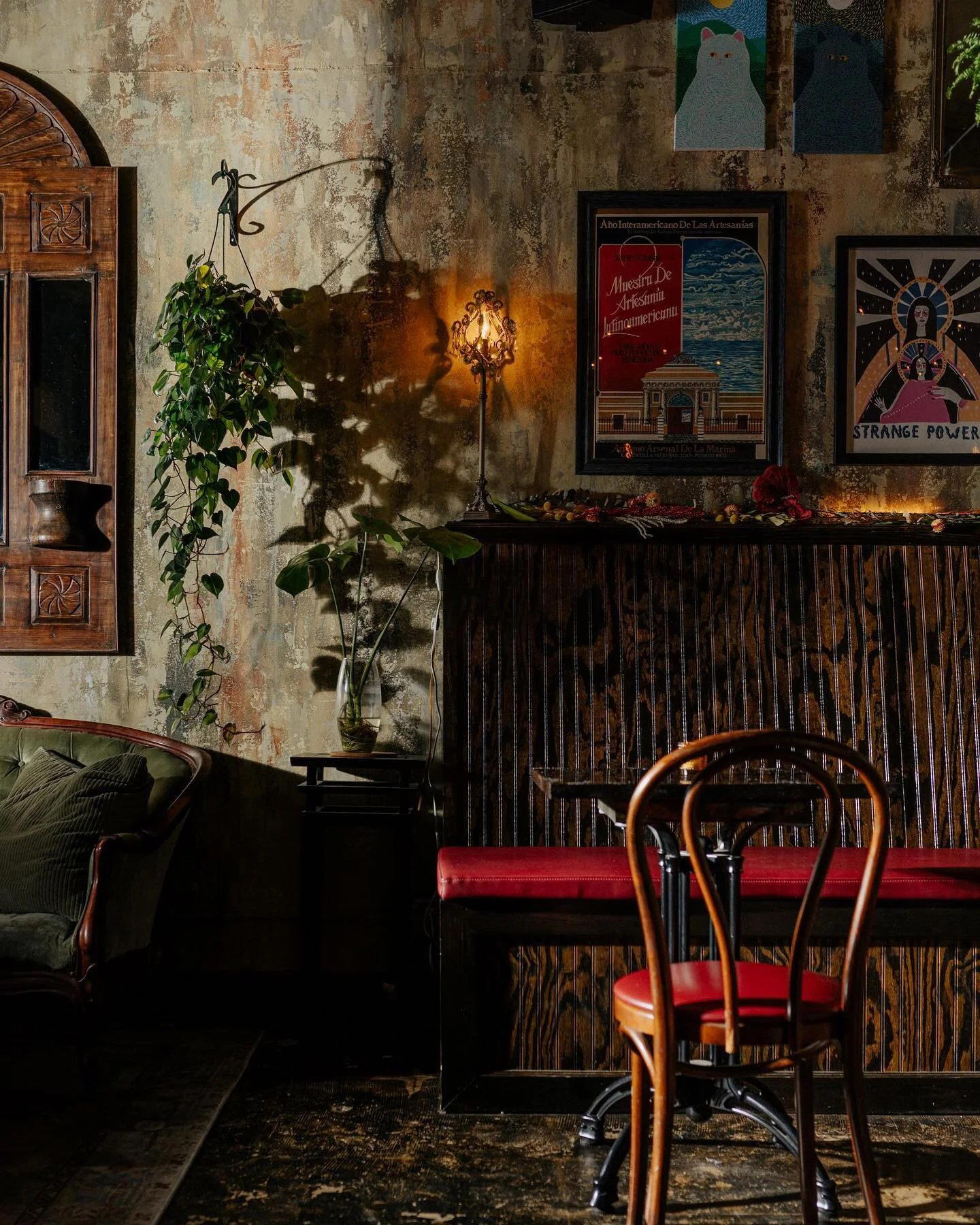
Casual and lively atmosphere in a converted historic building with colorful presentations and a lively bar scene.