Kim Heng Roasted Meat is a Singapore institution in the char siu and roasted meats tradition that defines the city-state's hawker culture. Operating within a food scene that spans three-Michelin-star counters and street-level stalls with equal seriousness, it represents the category where technique is passed through repetition rather than culinary school, and where the queue is the only reservation system that matters.

Pearl is the En Primeur Club membership app — saves, bookings, and concierge access live there. Same editors, same standards.
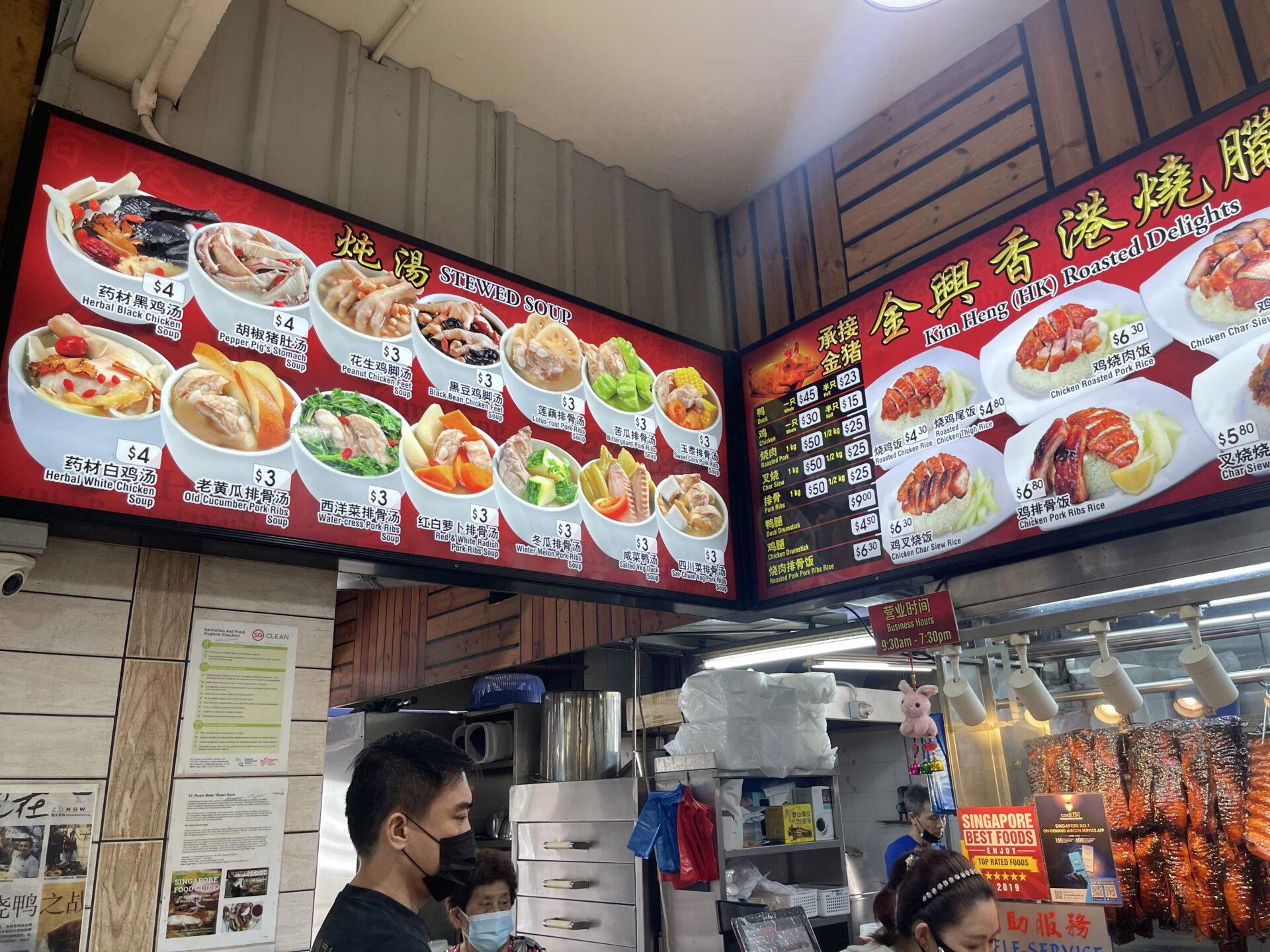
Char Siu in Context: Singapore's Roasted Meat Tradition
Singapore's hawker centres occupy a specific position in the global conversation about food culture: they are where Chinese regional technique, adapted over generations by immigrant communities from Guangdong, Fujian, and Hainan, met the humid tropics and produced something that belongs entirely to this island. The roasted meats counter is one of that tradition's most durable expressions. Char siu, siu yuk (roasted pork belly), and roast duck are not fusion concepts or modern interpretations. They are the product of a cooking lineage that treats the oven and the hook as precision instruments, where the margin between correct caramelisation and burnt sugar is measured in seconds, not minutes.
Kim Heng Roasted Meat operates within this tradition. In a city where Odette and Les Amis anchor the fine-dining tier and Zén represents the European contemporary import, the roasted meats hawker stall holds a different but no less consequential place. It is where Singaporeans eat without occasion, where the discipline of the craft is embedded in daily habit rather than special-event ritual. That context matters when assessing what Kim Heng does and why it draws the attention it does.
The Technique Behind the Counter
Cantonese roasting technique, as practised in Singapore's hawker tradition, is one of the clearest examples of what happens when a professional method migrates into a street-food format and loses none of its rigour. The marinade profiles for char siu, typically built around fermented bean paste, sugar, soy, and five-spice in varying ratios, are stall-specific and closely held. The roasting itself demands control over heat distribution and timing that professional kitchen equipment addresses through automation but that a hawker stall achieves through accumulated sensory knowledge: colour, smell, the sound of fat rendering.
Siu yuk demands a separate discipline. The layering of skin, fat, and meat means each component has a different optimal temperature, and achieving crackling without drying out the meat below is the central technical problem the roaster solves every morning. Across Singapore's hawker landscape, the distance between a stall that solves this problem consistently and one that does not is immediately apparent on the plate. The skin either shatters cleanly or it does not. There is no middle register.
This level of technical specificity is why the roasted meats category attracts serious attention in Singapore beyond its price point. It is also why the stalls operating at the summit of this category, including Kim Heng, sit in a different conversation from the format's entry-level examples. Compare this to the broader regional picture: in Hong Kong, the char siu tradition feeds into Michelin-recognised restaurants at one end and dai pai dong counters at the other. Singapore has compressed that spectrum, and particularly technically accomplished roasting happens at the hawker level.
Local Product, Inherited Method
The editorial angle on Kim Heng's category is precisely this intersection of inherited technique and local adaptation. The pork sourced for Singapore's hawker roasters is not the same product available to Cantonese operators in Guangzhou. Humidity, supply chain logistics, and local butchery conventions all shape what arrives at the stall each morning. The operator's skill is partly in applying a method developed for a different context to a product that has been shaped by its own geography. That adaptive layer is what makes Singapore's version of this dish its own thing rather than a replica.
The same logic applies across Singapore's food culture. Jaan by Kirk Westaway works with European technique and local produce at the fine-dining level. At the hawker level, Kim Heng operates on an analogous principle: a method that originated elsewhere, applied with discipline to what is available here, over enough time that the result reads as entirely local. That continuity is what the Singapore hawker culture preserves, and it is why UNESCO's 2020 inscription of hawker culture on its Intangible Cultural Heritage list was not merely ceremonial. It recognised that the knowledge embedded in these stalls is genuinely at risk of attrition as the generation of practitioners who learned through apprenticeship ages out.
Other hawker-adjacent options across the island demonstrate different facets of this tradition. KTMW chicken rice tea-cafe in Bedok applies similar generational discipline to Hainanese chicken rice, while 大巴窑93茶粿 in Kallang represents the Teochew strand of Singapore's hawker inheritance. Fu He Delights in Rochor and Asian Twist by 365 Food in Queenstown extend the picture further across the island's neighbourhoods.
Planning a Visit
Roasted meat stalls in Singapore typically begin service from mid-morning and sell through their prepared stock over the course of the day, with supply determining closing time rather than a fixed hour. Arriving early in the lunch window gives access to the full range of cuts before particularly popular items sell out. This is not a reservation format: you queue, you order, and the transaction is immediate. Payment in Singapore's hawker centres is almost universally cash-friendly, with most stalls now also accepting PayNow digital transfers. The meal cost will sit at a fraction of what the city's mid-range restaurant tier charges, which is part of the cultural argument for the hawker format's ongoing relevance in a city where dining costs have risen sharply across other categories. Visitors combining hawker meals with fine dining across a Singapore trip will find that the contrast sharpens both experiences. For those planning wider meals across the city, Etna Restaurant in Outram, Haidilao Hot Pot in Sembawang, Du Du Shou Shi in Jurong West, and Little Italy in Katong complete a cross-neighbourhood itinerary that captures the range of Singapore's food culture. International comparisons in the craft-technique-at-affordable-price category might point to Le Bernardin or Atomix in New York as examples of what sustained technical discipline produces at the opposite end of the formality spectrum.
City Peers
Comparable venues nearby, for context on price, style, and recognition.
| Venue | Cuisine | Price | Notes |
|---|---|---|---|
| Kim Heng Roasted MeatThis venue — the venue you are viewing | Hong Kong Roasted Meats | $$ | Not listed |
| Tim Ho Wan 添好運 | Hong Kong-style Dim Sum | $$ | KALLANG BAHRU |
| Bee Cheng Hiang | Bakkwa Fusion Grillery | $$ | Bendemeer |
| Beach Road Scissor-Cut Curry Rice | Hainanese Scissor-Cut Curry Rice | $ | Jalan Besar |
| Bao Zai | Traditional Handmade Bao & Dim Sum | $ | ALEXANDRA HILL |
| Roland Restaurant | Traditional Chinese Seafood with Singapore Chilli Crab | $$$ | MARINE PARADE |
Continue exploring
More in Singapore
Restaurants in Singapore
Browse all →
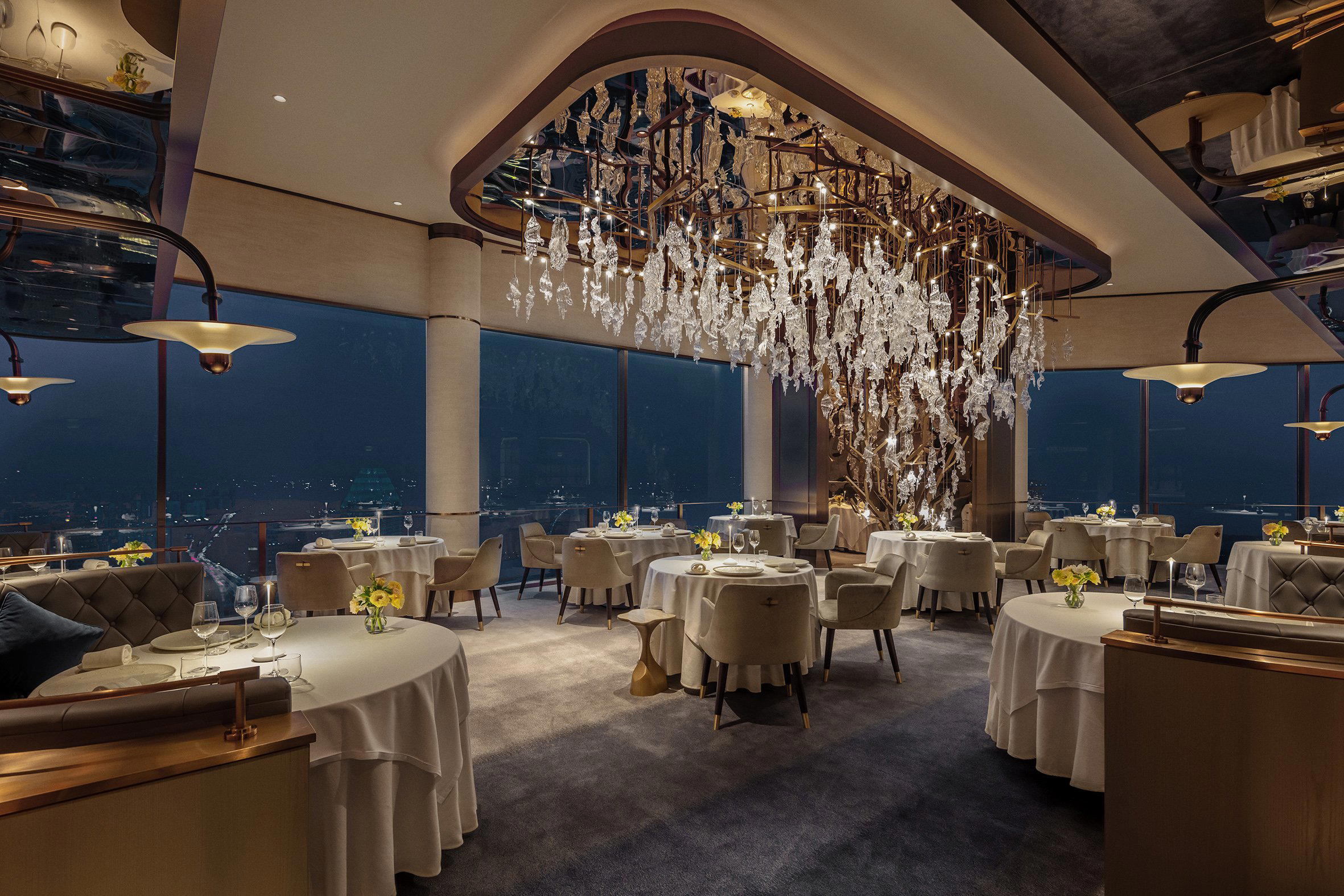
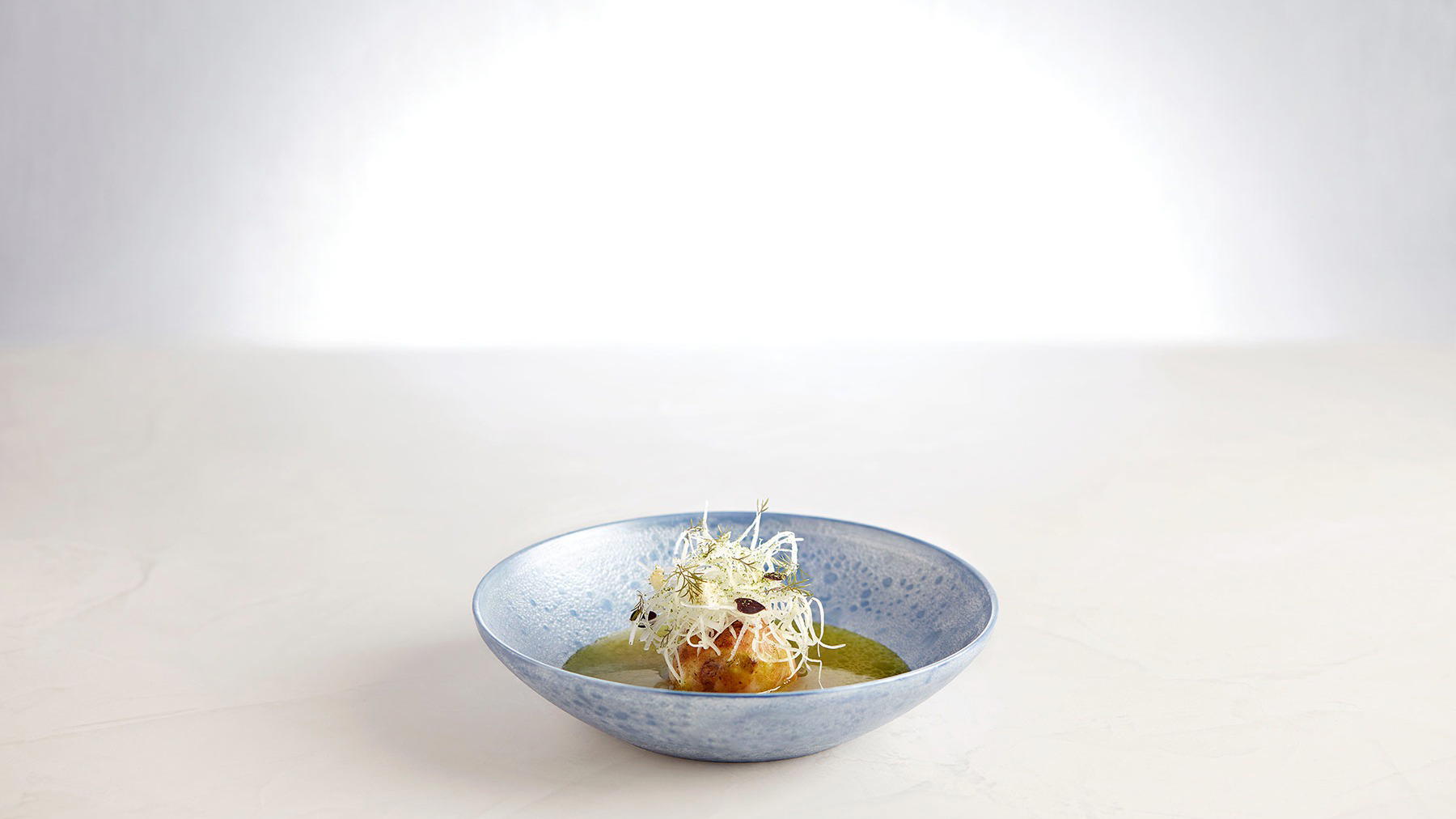
Bars in Singapore
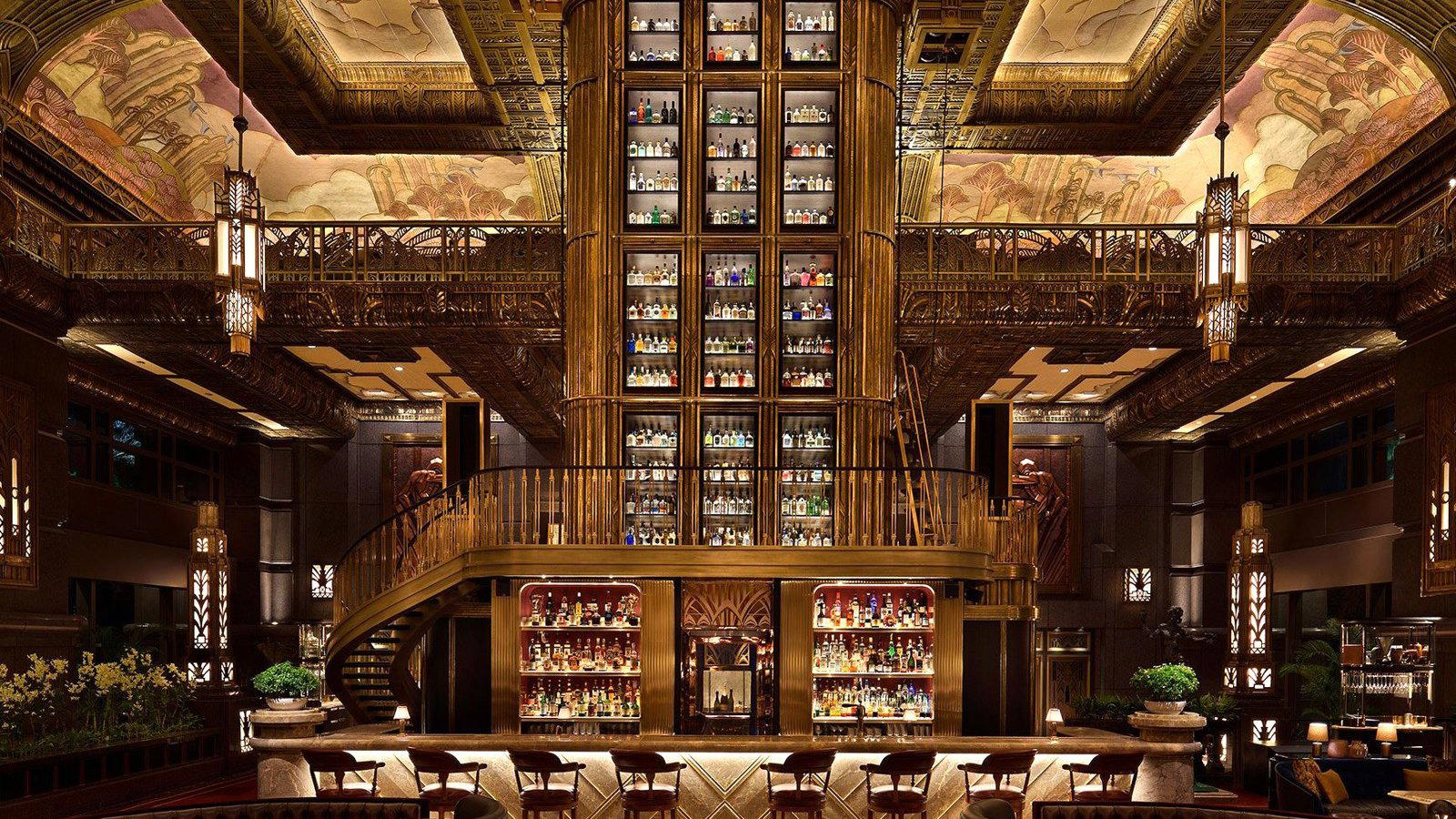
Browse all →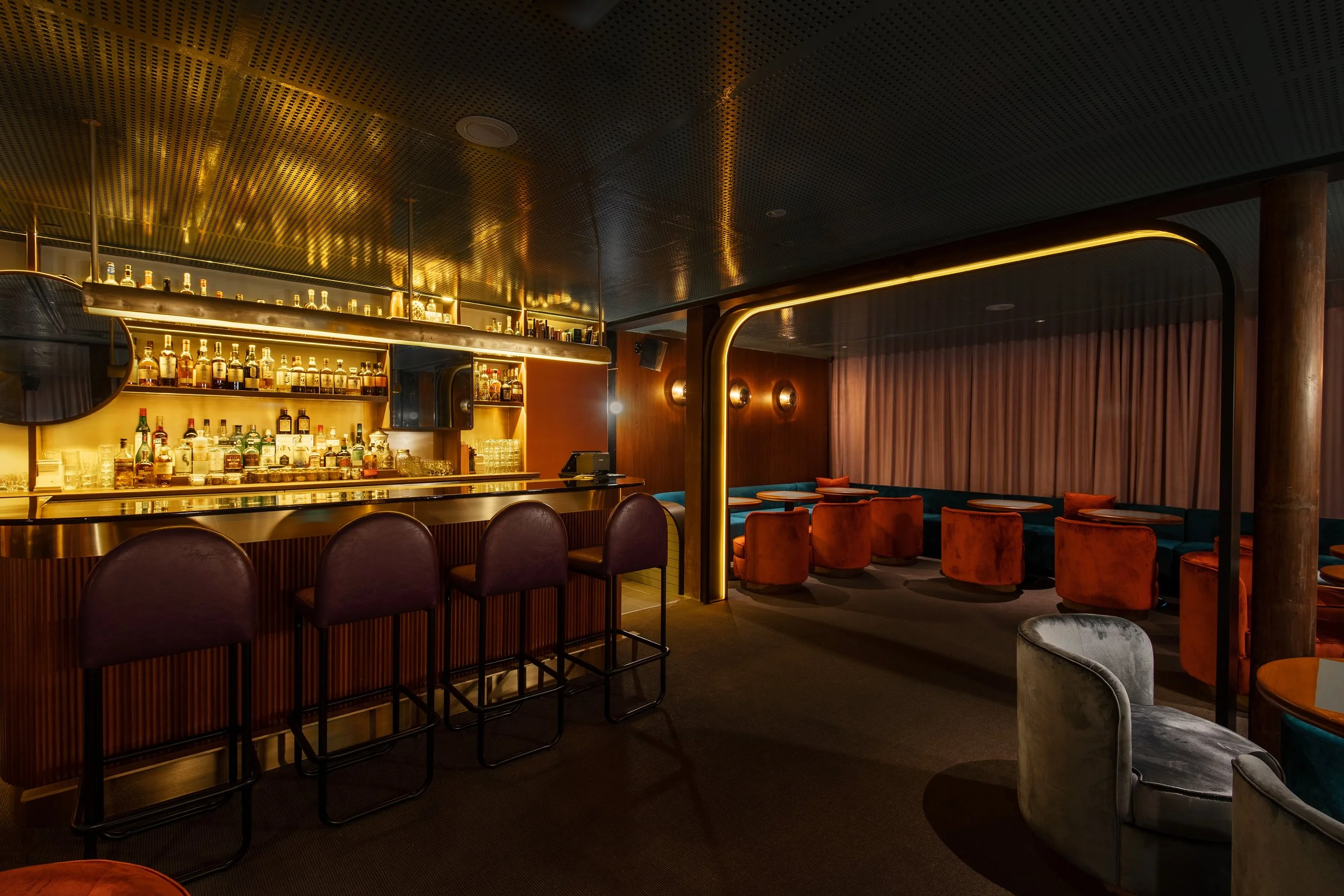
At a Glance
- Classic
- Casual Hangout
Casual hawker stall atmosphere in an open-air coffeeshop with a focus on fresh roast meats displayed in a trophy cabinet.