Bee Cheng Hiang at Changi Airport brings one of Singapore's most recognised bak kwa traditions to one of the world's busiest transit hubs. The brand has built its reputation on a specific style of grilled, sweetened pork, a product with deep roots in Hokkien-Chinese preservation and gifting culture. For travellers moving through Changi, it functions as both a last-taste-of-Singapore moment and a studied introduction to a specific strand of the city's food heritage.
Pearl is the En Primeur Club membership app — saves, bookings, and concierge access live there. Same editors, same standards.
- Address
- Changi Airport
- Directions
- Get directions
 Saves & bookings on Pearl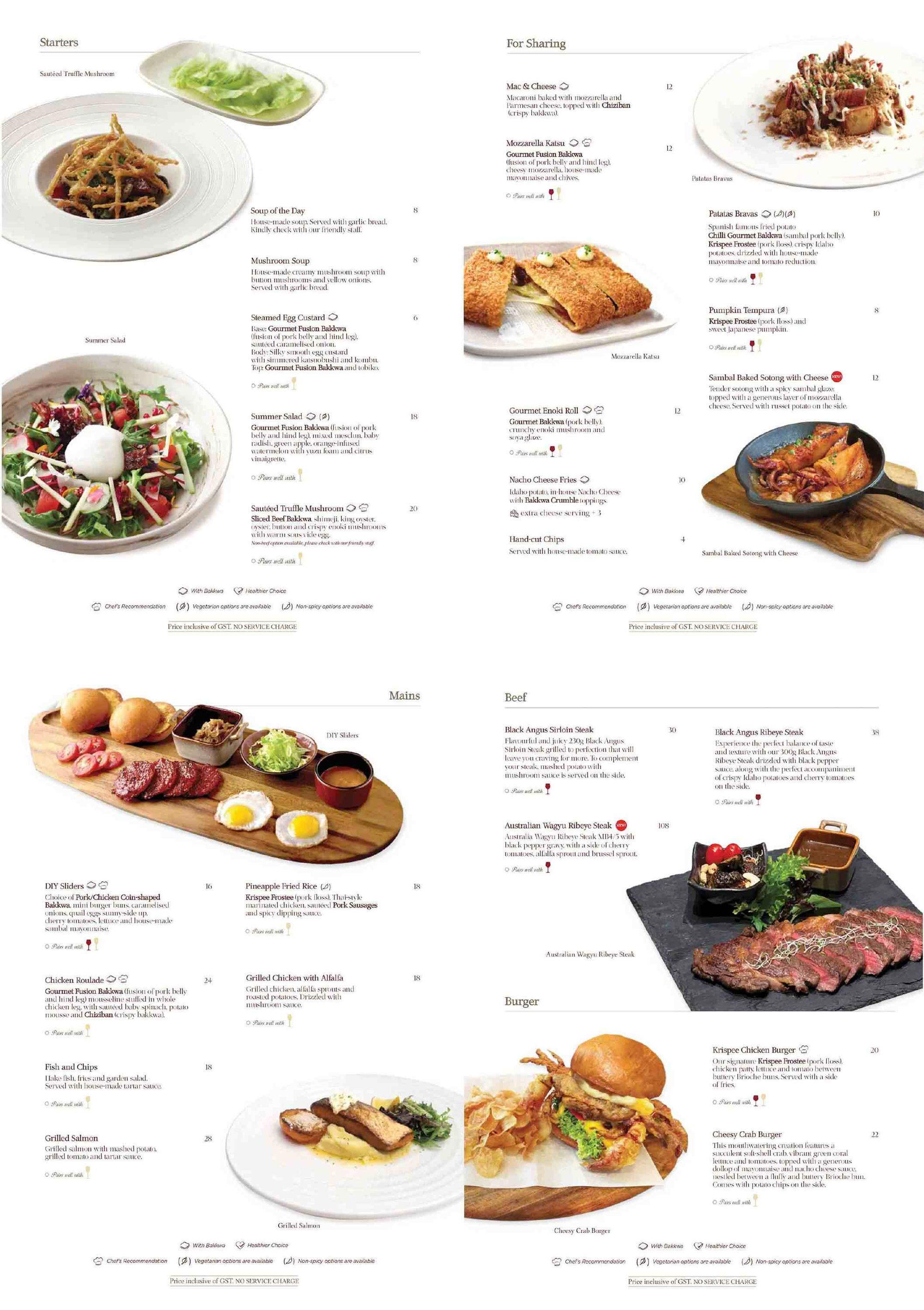
Where a Preservation Tradition Meets the World's Transit
Changi Airport operates as more than a logistics hub. For many international travellers, its departure halls represent a final edit of Singapore's food culture, a curated last encounter with the city before the flight home. Within that context, bak kwa occupies a specific and telling position. The dried, grilled, sweetened pork product is not airport food in the diminished sense; it is one of the city's most deliberate edible exports, a category with centuries of Hokkien-Chinese preservation logic behind it and a particular cultural weight around Lunar New Year gifting. Bee Cheng Hiang, with its Changi Airport presence, sits at the point where that tradition intersects with global footfall.
The product category itself is worth understanding before the brand. Bak kwa belongs to a broader family of dried meats developed across southern China and Southeast Asia as a way of extending the life of pork through salt, sugar, and heat. The Hokkien variant, which became central to Singapore's food identity through waves of immigration in the nineteenth and early twentieth centuries, leans toward a sweeter, thinner slice than its regional cousins, grilled over charcoal to produce a slightly caramelised exterior with a yielding interior. The technique is specific, and the ingredient sourcing has always been a point of differentiation between producers. Pork quality, sugar type, and marination duration each leave a legible trace in the finished product.
The Ingredient Logic Behind the Product
In a category where the product is simultaneously simple and technically demanding, sourcing matters proportionally more than it does in cuisines where sauces and plating can compensate for middling raw materials. Bak kwa has no such cover. The pork is the product, and its provenance, fat distribution, breed, freshness at the point of processing, determines the outcome. The leading producers in Singapore have historically treated this as a non-negotiable, and the competition among established bak kwa houses has long been partly a competition over supply chain discipline rather than just recipe.
Bee Cheng Hiang's position in the Singapore bak kwa market is long-established. The brand has operated across multiple decades, and its airport presence at Changi means its product reaches a customer base that extends well beyond the local Singaporean who knows the category intimately. That dual audience, the returning local buying for family and the international traveller encountering bak kwa for the first time, is not easily served by a single product line, which is why established houses in this category have typically maintained a range of formats, from the traditional whole-slice to minced and formed variants, and from pork to chicken and beef alternatives for dietary considerations.
Within Singapore's broader food geography, bak kwa producers occupy a distinct tier. They are not the high-end tasting-menu establishments that have drawn international attention, the Michelin three-star counters like Odette, the progressive fine dining of Zén, or the French-rooted formalism of Les Amis. Nor are they the casual street-food anchors that define neighbourhood eating across the island. They occupy a middle category that is, in Singapore terms, deeply serious: a specialist craft product tied to specific occasions and specific ingredient standards, sold at a premium relative to supermarket alternatives because the sourcing and preparation justify it.
Changi as Context
The decision to position a bak kwa counter at Changi Airport rather than limiting distribution to shophouse retail is itself an editorial statement about who the product is for. Changi consistently ranks among the world's most connected aviation hubs, handling travellers from across Asia, Europe, and beyond. An airport counter means the product functions simultaneously as a souvenir, a gift, and an introduction, and the customer making a first purchase in the departure hall is likely to be buying on trust in the brand's airport-level visibility rather than on years of personal product knowledge.
That context shapes the purchase experience. Unlike a neighbourhood bak kwa shop in Chinatown or Bedok, where regulars might arrive early during peak periods and where the product rotates through freshness cycles tied to daily production, an airport counter operates on different rhythms, with consistency across service hours being a higher priority than the just-off-the-grill freshness a local specialist might offer at its leading. Both models have their logic. The airport format trades peak freshness for accessibility and reliability, which is appropriate for a traveller with a fixed departure time.
For those with time to explore Singapore's broader food culture beyond the departure gate, the city rewards lateral movement. The neighbourhood eating scene across areas like Bedok and Queenstown offers a different register of the same Hokkien-Chinese culinary tradition. Specialist Chinese cuisine at a higher price point is available in the city centre at places like Imperial Treasure Fine Chinese Cuisine.
A Quick Peer Check
Comparable venues nearby, for context on price, style, and recognition.
| Venue | Cuisine | Price | Notes |
|---|---|---|---|
| Bee Cheng HiangThis venue — the venue you are viewing | Bakkwa Fusion Grillery | $$ | Not listed |
| Paradise Dynasty | Northern and Southern Chinese Dim Sum | $$ | BOULEVARD |
| Da Dong Prawn Noodles | Singaporean Prawn Noodles | $$ | KATONG |
| Tim Ho Wan 添好運 | Hong Kong-style Dim Sum | $$ | KALLANG BAHRU |
| Dian Xiao Er 店小二 | Traditional Chinese Herbal Roast Duck & Zi Char | $$ | CHANGI AIRPORT |
| Chatterbox | Singaporean Chinese | $$$ | SOMERSET |
Continue exploring
More in Singapore
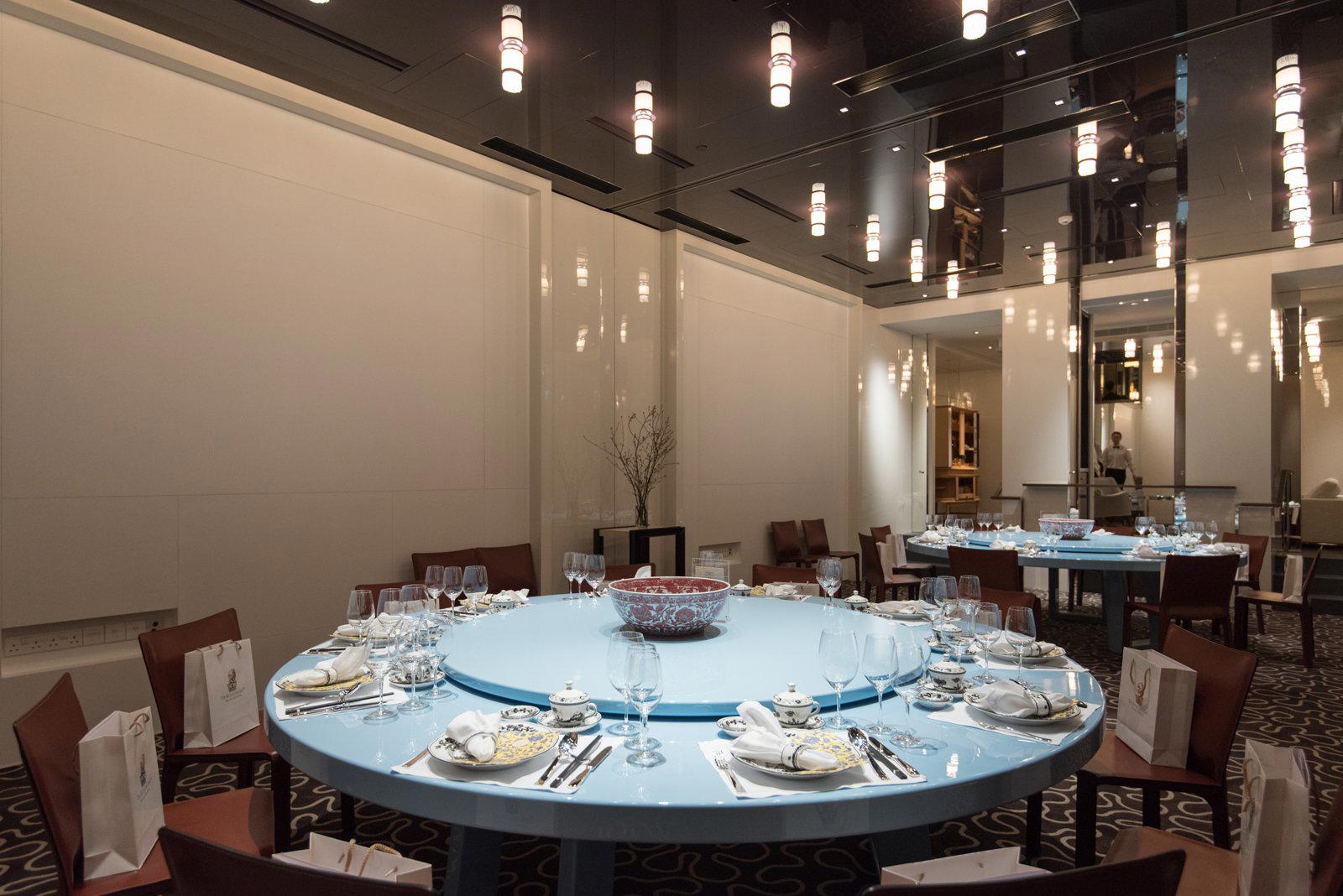
Restaurants in Singapore
Browse all →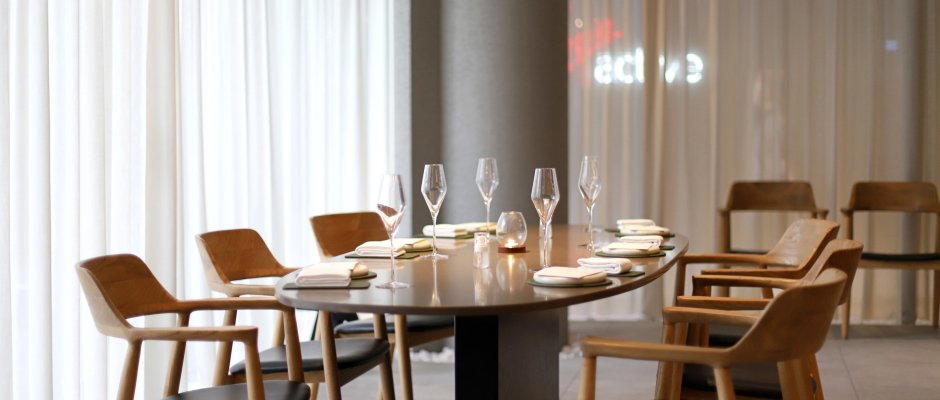
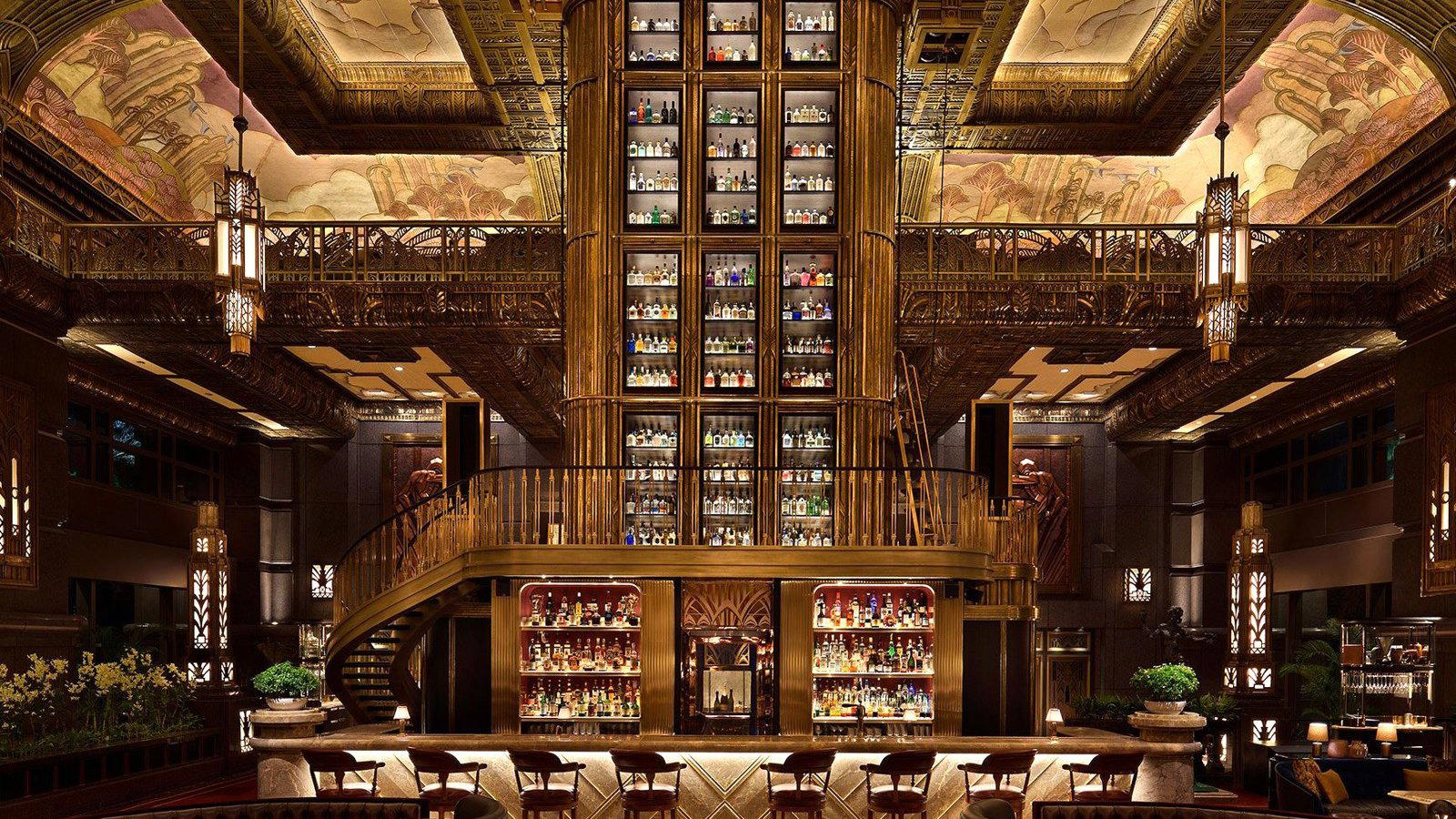
Bars in Singapore
Browse all →
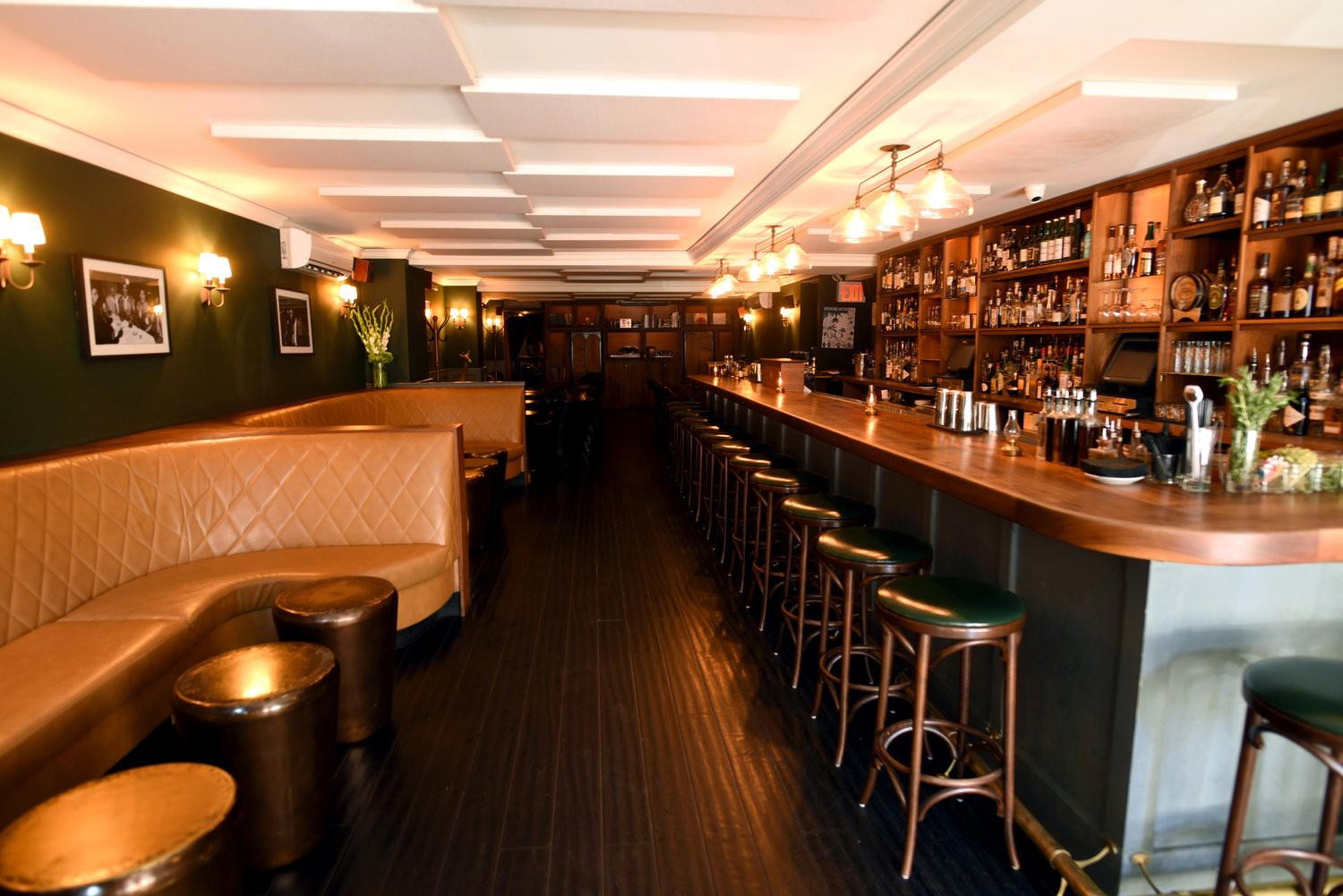
At a Glance
- Lively
- Modern
- Casual Hangout
- Group Dining
- Open Kitchen
Relaxing atmosphere with friendly, attentive service in a bistro-grillery setting.