Dim Sum at Scale: What the Kallang Outpost Tells You About Singapore's Appetite for Accessible Precision The queue forms before the doors open. At the Lavender Aperia location on Kallang Avenue, Tim Ho Wan operates the way it has across its...
Pearl is the En Primeur Club membership app — saves, bookings, and concierge access live there. Same editors, same standards.
- Address
- 01-01/02/03, Lavender Aperia, 12 Kallang Ave, Singapore 339511
- Phone
- +65 6684 2000
- Website
- timhowan.com
- Directions
- Get directions
 Saves & bookings on Pearl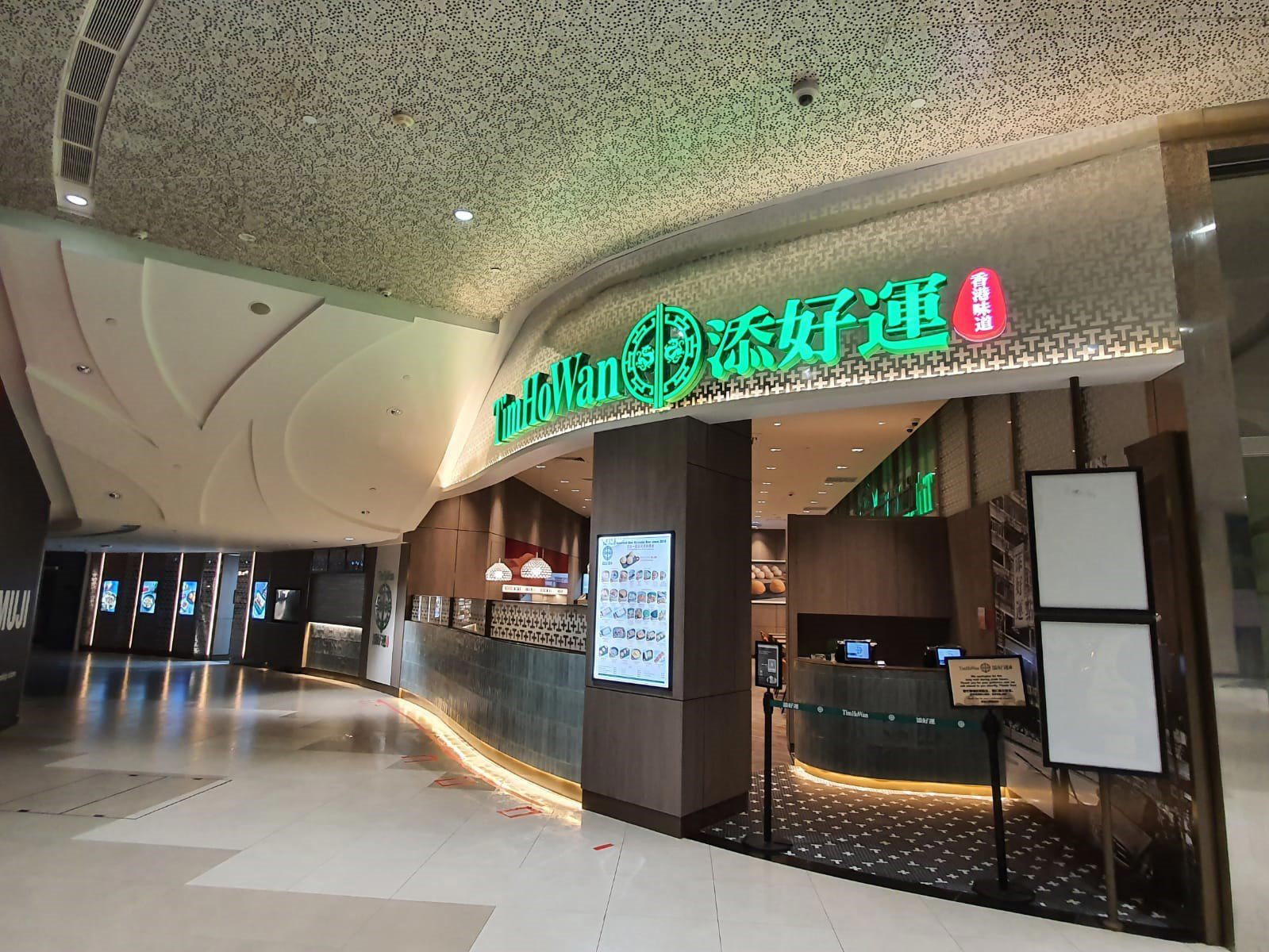
Dim Sum at Scale: What the Kallang Outpost Tells You About Singapore's Appetite for Accessible Precision
The queue forms before the doors open. At the Lavender Aperia location on Kallang Avenue, Tim Ho Wan operates with high turnover, modest surroundings, and dim sum executed with a consistency that most full-service Cantonese restaurants struggle to match. The space itself is functional rather than atmospheric, with the draw entirely on the plate. That dynamic, a Michelin-pedigreed kitchen operating inside the constraints of a casual format, defines what Tim Ho Wan represents in Singapore's dining ecology.
Cantonese Technique in a City That Demands Both Rigour and Value
Singapore's Cantonese restaurant tier splits roughly in two. At one end sit formal full-service houses such as Imperial Treasure Fine Chinese Cuisine in Downtown Core, where the price point, tablecloths, and trolley service signal a particular kind of occasion dining. At the other end sits a large casual sector that produces competent har gow and siu mai but rarely applies the kind of technical rigour that drives differentiation. Tim Ho Wan occupies a third position: it applies precision Cantonese technique at a price structure that makes Michelin-associated dim sum accessible to a far broader audience than the fine-dining tier allows.
Hong Kong-style dim sum is built on incremental technique: the thickness of the har gow wrapper, the ratio of fat to lean in a char siu mixture, the lamination on a turnip cake. These are not outcomes of improvisation; they are the product of standardised practice. Tim Ho Wan's founding model was designed to transfer that technical standard into a format that stripped away the overhead of full-service Cantonese dining. The result is a kitchen operating with a different approach from most competitors at its price level.
The Intersection of Imported Method and Local Setting
In Singapore, the editorial angle of "local ingredients, global technique" plays out differently in dim sum than in, say, the modern European kitchens of Odette or Zén. For contemporary French or Scandinavian-influenced cuisine, the intersection is often visible: local protein or produce filtered through imported plating and sauce idioms. For Cantonese dim sum, the technique is the import. The method arrived from Hong Kong and Guangdong, carried through training lineages and standardised recipes, and it sits on top of a Southeast Asian supply context where pork, seafood, and rice flour are abundant but the specific quality demands of high-level dim sum require consistent sourcing discipline.
That sourcing discipline, applied within Singapore's food-and-beverage environment, is what separates the better dim sum operations from the rest. Singapore diners have access to both extremes, from hawker-centre dim sum at a few dollars per basket to formal Cantonese houses where a dim sum lunch runs well above SGD 100 per head. Tim Ho Wan sits closer to the hawker end on price while maintaining a technical standard that the casual tier rarely reaches. That positioning has held across multiple Singapore locations and through the brand's international expansion into Southeast Asia, Australia, and the United States.
Kallang as Context: Eating Beyond the Orchard-Marina Axis
The Kallang neighbourhood has been developing a modest food cluster around its mixed-use developments. The Lavender Aperia site places Tim Ho Wan in an area that draws a primarily local crowd rather than the tourist density of Marina Bay or the hotel-restaurant circuit of Orchard Road, where venues like Béni in Orchard operate in a different competitive register entirely. Eating in Kallang means eating with the city rather than performing a version of it for visitors. The crowd at this location reflects that: families, office workers, and neighbourhood regulars whose standard for dim sum is set by years of practice rather than occasion.
Nearby, in the broader Kallang dining scene, venues like 大巴窟93茶粿 in Kallang offer a different angle on casual Chinese eating in the area. Across Singapore's outer neighbourhoods, the pattern repeats: accessible, technically grounded Chinese food operating in informal settings, from Fu He Delights 福和 in Rochor to KTMW chicken rice tea-cafe in Bedok. Tim Ho Wan belongs to this broader decentralised eating culture, even as its Michelin history distinguishes it within that group.
How Tim Ho Wan Compares to Singapore's Wider Restaurant Field
For visitors whose Singapore itinerary already includes the upper tier of the city's restaurant scene, with tables at Les Amis, Jaan by Kirk Westaway, or Meta, Tim Ho Wan reads as a deliberate counterpoint. Where those kitchens charge for a total experience comprising service, room, and creative authorship, Tim Ho Wan charges almost entirely for the food itself. The trade-off is transparency: you know exactly what you are getting, and what you are getting is dim sum made to a technical standard that is difficult to replicate at the price point. That clarity is its own form of editorial argument.
Singapore's wider dining field includes far more experimental territory: the fermentation-led menus at Meta, the seafood rigour of globally recognised kitchens like Le Bernardin in New York City or the Korean-American precision of Atomix as comparative benchmarks for technique-first cooking elsewhere in the world. Tim Ho Wan operates in a different register, but the underlying commitment to technical repeatability and format discipline connects it to the same broader argument: that cooking at a consistent standard requires systems, training, and discipline regardless of price tier.
For a broader view of where Singapore's restaurant scene sits, our full Singapore restaurants guide maps the field from Michelin multi-star formal dining to the neighbourhood casual sector. Other accessible options across the city include Asian Twist by 365 Food in Queenstown, Haidilao Hot Pot at Sun Plaza in Sembawang, and Du Du Shou Shi in Jurong West, each offering a different angle on affordable eating across Singapore's outer districts. For non-Chinese options in the mid-range, Etna Restaurant in Outram and Little Italy Katong in Marine Parade round out the accessible end of Singapore's international casual dining.
Planning Your Visit
The Kallang Avenue location sits within the Lavender Aperia complex at 12 Kallang Ave, Singapore 339511, occupying units 01-01, 01-02, and 01-03. Arriving early or at off-peak hours reduces wait times substantially; dim sum crowds in Singapore typically peak at weekend mid-morning and early lunch. It operates on a walk-in basis, consistent with the brand's casual format elsewhere. Budget accordingly for a mid-morning or early-lunch sitting.
Credentials Lens
Comparable venues nearby, for context on price, style, and recognition.
| Venue | Cuisine | Price | Notes |
|---|---|---|---|
| Tim Ho Wan 添好運This venue — the venue you are viewing | Hong Kong-style Dim Sum | $$ | Not listed |
| FOOK KIN 福劲 | Cantonese Roast Meats | $$ | OXLEY |
| Famous Treasure | Modern Nanyang Chinese Zi Char | $$ | CITY HALL |
| Bao Zai | Traditional Handmade Bao & Dim Sum | $ | ALEXANDRA HILL |
| Chin Huat Live Seafood Restaurant 镇发活海鲜 | Singaporean Live Seafood Zichar | $$$ | SUNSET WAY |
| Ng Ah Sio Bak Kut Teh | Teochew-Style Peppery Bak Kut Teh | $$ | CLARKE QUAY |
Continue exploring
More in Singapore
Restaurants in Singapore
Browse all →
Bars in Singapore
Browse all →
At a Glance
- Lively
- Trendy
- Casual Hangout
- Family
- Group Dining
- Open Kitchen
Current opening hours
- Monday
- 11 AM–8:30 PM
- Tuesday
- 11 AM–8:30 PM
- Wednesday
- 11 AM–8:30 PM
- Thursday
- 11 AM–8:30 PM
- Friday
- 11 AM–9 PM
- Saturday
- 9 AM–9 PM
- Sunday
- 9 AM–9 PM
Hours can change for holidays and private events. Last verified .
Casual and bustling atmosphere typical of popular dim sum spots with quick service and lively queues.