Keystone Ranch
Set on a working Colorado cattle property at roughly 9,000 feet, Keystone Ranch is among the few fine-dining rooms in the Rockies where the sourcing story is literal: the land outside the window is the same land that informs what arrives on the plate. The log-and-stone lodge format places it in a specific American West dining tradition that has few direct peers at elevation.
Pearl is the En Primeur Club membership app — saves, bookings, and concierge access live there. Same editors, same standards.
- Address
- 1437 Co Rd 150, Keystone, CO 80435
- Phone
- +19704961481
- Website
- keystoneresort.com
- Directions
- Get directions
 Saves & bookings on Pearl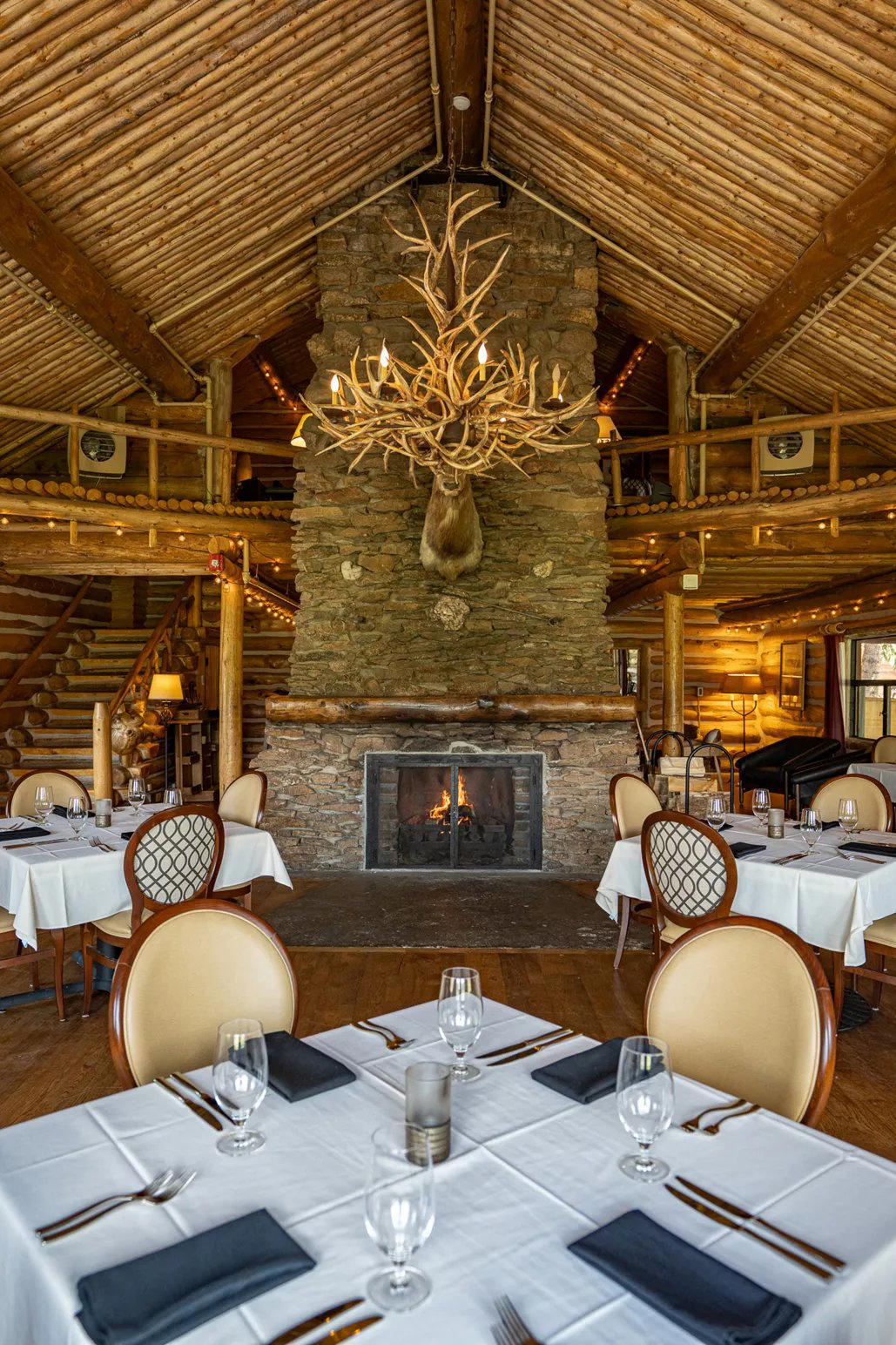
Dining at Elevation: The Ranch Table Tradition in the Colorado High Country
There is a particular kind of American dining room that only makes sense when the surrounding geography is doing real agricultural work. The ranch-house format, where the building, the land, and the kitchen operate in genuine proximity, represents one of the oldest through-lines in Western American hospitality, predating any formal fine-dining movement. At altitude, that tradition carries additional weight: the growing season is short, the protein sources are specific, and the logic of cooking close to source is not a philosophical stance so much as a practical one. Keystone Ranch, located at 1437 Co Rd 150 in Keystone, Colorado, is a restaurant serving Contemporary American Steakhouse cuisine, priced at about $75 per person, in Summit County.
Colorado's resort corridors have historically split between ski-focused casual formats and a smaller tier of destination dining rooms that treat the mountain setting as culinary context rather than backdrop. The latter category is thin at this altitude. For comparable commitment to sourcing integrity in the broader Rocky Mountain West, you are generally looking at properties like Single Thread Farm in Healdsburg or Blue Hill at Stone Barns in Tarrytown, both of which operate farm-to-table programs where the agricultural infrastructure is owned and managed by the restaurant itself. Keystone Ranch occupies a regional version of that tier, within a state where that model is rare outside of Front Range cities like Boulder, where Frasca Food and Wine has long anchored serious dining, or Denver, where Brutø represents a newer generation of sourcing-led work.
The Physical Setting as Culinary Argument
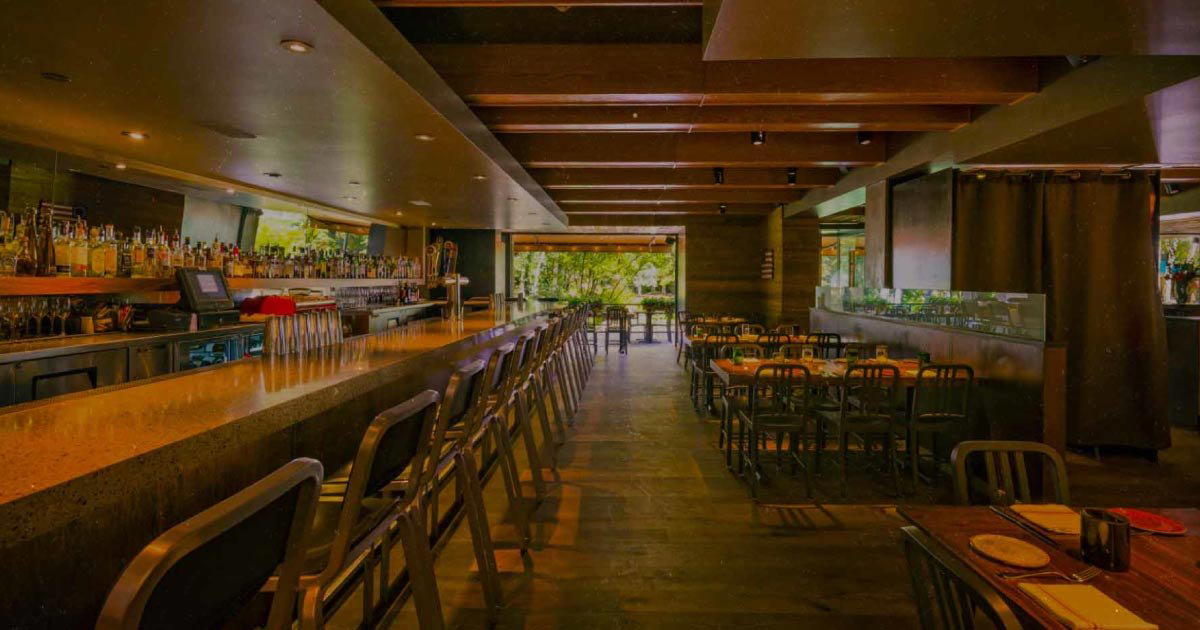
Approaching the property along County Road 150, the dining room context is immediately legible: this is not a hotel restaurant that has adopted ranch aesthetics, but a structure built in and for the landscape. Log construction, stone detailing, and the specific quality of mountain light at this elevation create an interior atmosphere that reads as earned rather than designed. The fireplace, the timber framing, the sightlines across the ranch land, these are not decorative choices operating independently of the food program. They are part of the argument that what arrives on the plate has a geographic address.
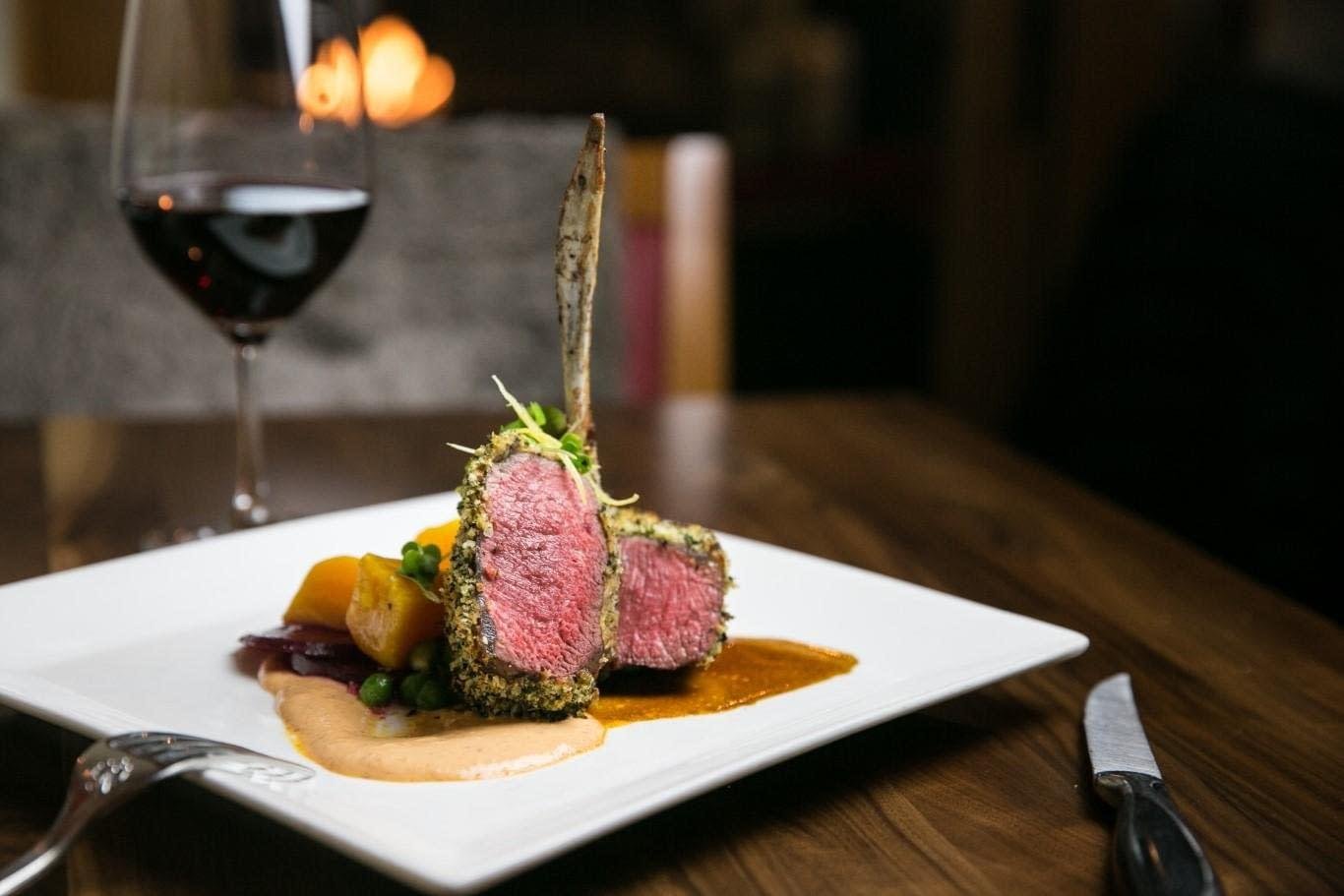
That argument matters most when the sourcing is traceable. Colorado's cattle ranching tradition runs deep in Summit and Eagle Counties, and the quality of beef produced at altitude, where animals graze on high-elevation grasses, is distinct from lowland production. Game, elk in particular, is a regional protein with genuine culinary specificity. Root vegetables, cold-hardy brassicas, and foraged elements follow a compressed seasonal calendar that forces menu decisions the way farming at altitude always has: you cook what survived the growing conditions, not what you wished you could grow.
Where Keystone Ranch Sits in the Sourcing-Led Dining Conversation
The sourcing-led fine-dining model has produced particularly discussed American restaurants of the past two decades. The French Laundry in Napa maintains its own garden across the road from the kitchen. Le Bernardin in New York City applies equivalent rigor to fish sourcing, building supplier relationships over decades. Lazy Bear in San Francisco frames ingredient origin as central to the communal dining experience. What these programs share is the premise that knowing where something comes from changes how you cook it and how a guest understands eating it.
At the regional scale, that premise is expressed differently. The ranch-table format common across the Mountain West, from Wyoming to New Mexico, draws on livestock and game traditions that predate restaurant culture. A Colorado property like Keystone Ranch is operating inside that lineage, where the sourcing story is less a marketing position than a structural fact about what the land produces and what the kitchen can access. This distinguishes it from urban farm-to-table programs, which source well but do not occupy the land directly. The closest national analogues in spirit, if not in setting, include Bacchanalia in Atlanta, which has long maintained a farm operation to support its dining room, and Addison in San Diego, which builds sourcing relationships into a fine-dining format with genuine depth.
For readers interested in how sourcing shapes a contemporary menu at the highest level of ambition, Alinea in Chicago and Atomix in New York City represent formats where ingredient origin is one variable inside a technically complex program. Providence in Los Angeles and ITAMAE in Miami demonstrate how sourcing specificity can define an entire cuisine identity. The Inn at Little Washington in Washington, Virginia, and Emeril's in New Orleans represent the destination-dining tradition where setting and region are inseparable from the plate. Causa in Washington, D.C. and 8 1/2 Otto e Mezzo Bombana in Hong Kong show how sourcing identity translates across culinary traditions and geographies. The restaurant occupies a narrower, more regionally specific position than any of these, which is part of its value in a dining landscape where altitude and terrain still dictate the menu.
Planning Your Visit
The restaurant is located at 1437 Co Rd 150, Keystone, CO 80435, within the Keystone Resort corridor in Summit County. The property is accessible year-round but the experience tracks closely with mountain seasonality: winter visits align with the ski season and the heartier cold-weather cooking that high-altitude ranching traditions produce, while summer and fall bring a shorter but distinct harvest window. Given the destination character of the dining room and the resort setting, advance reservations are advisable, particularly during peak ski season (December through March) and summer holiday weekends. The property's position inside a resort corridor means it draws both hotel guests and visitors making a specific dinner trip from Breckenridge, Dillon, or the broader I-70 mountain corridor.
Side-by-Side Snapshot
Comparable venues nearby, for context on price, style, and recognition.
| Venue | Cuisine | Price | Notes |
|---|---|---|---|
| Keystone RanchThis venue — the venue you are viewing | Contemporary American Steakhouse | $$$$ | Not listed |
| West End Social | Farm-to-Table Contemporary American | $$$ | Aspen Flyover 1/4 Section Grid |
| The Kitchen American Bistro | American Bistro with Global Influences | $$$ | LoDo |
| Ellyngton's | Classic American Breakfast & Brunch | $$$ | Central Business District |
| Ollie & Park's | Modern American Tapas | $$$ | City Park West |
| American Elm | Polished American Comfort | $$$ | Berkeley |
At a Glance
- Rustic
- Elegant
- Cozy
- Scenic
- Sophisticated
- Date Night
- Special Occasion
- Family
- Celebration
- Historic Building
- Hotel Restaurant
- Panoramic View
- Extensive Wine List
- Local Sourcing
- Mountain
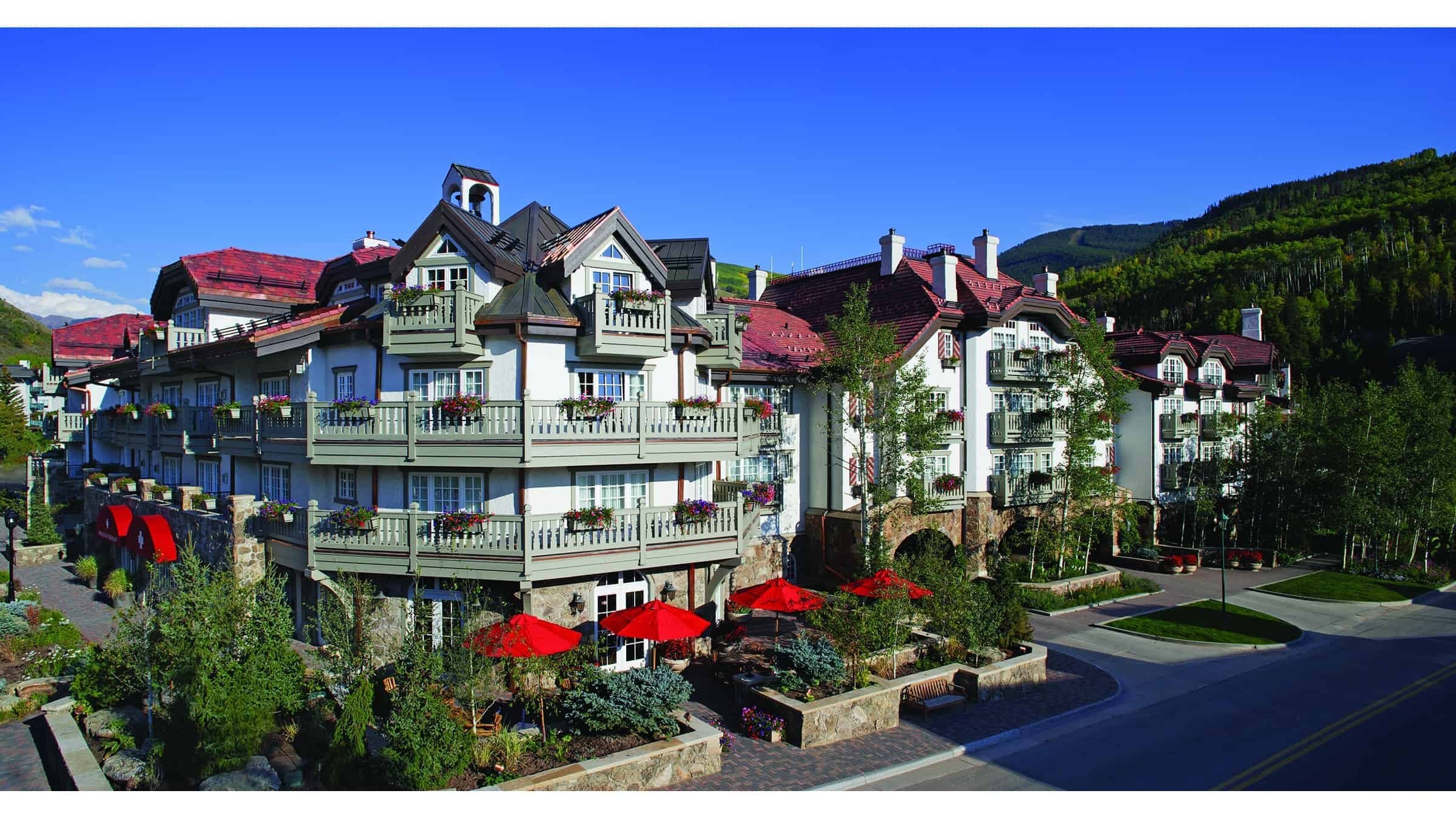
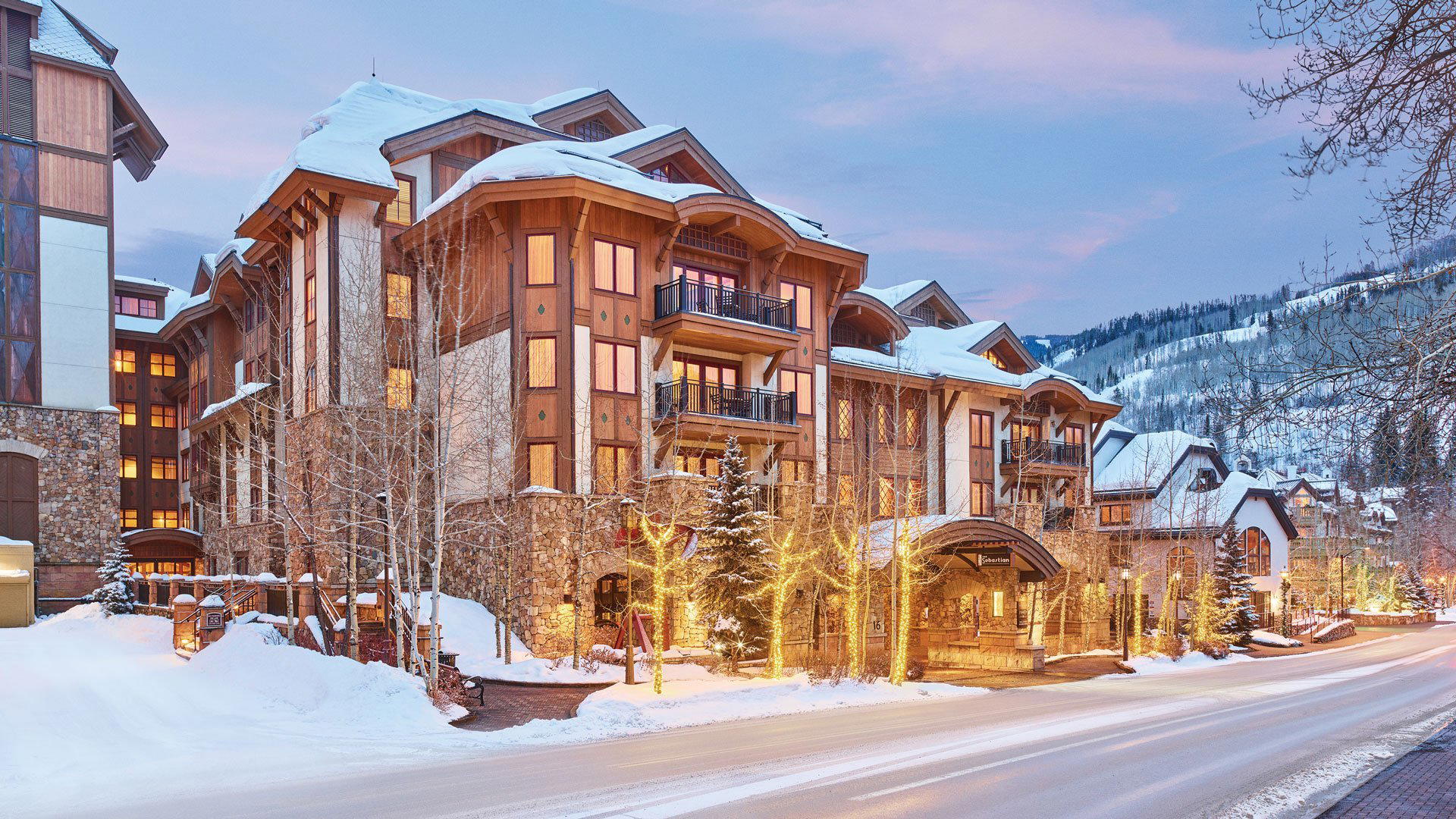
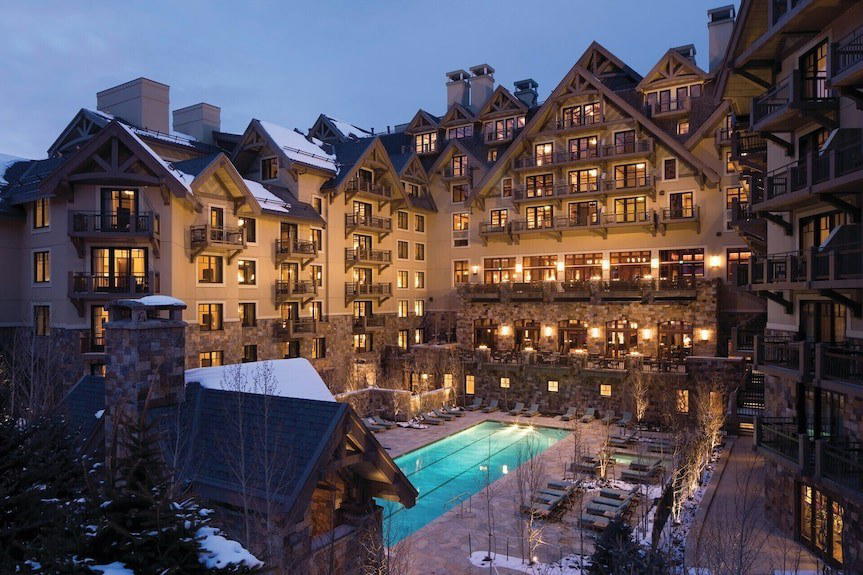
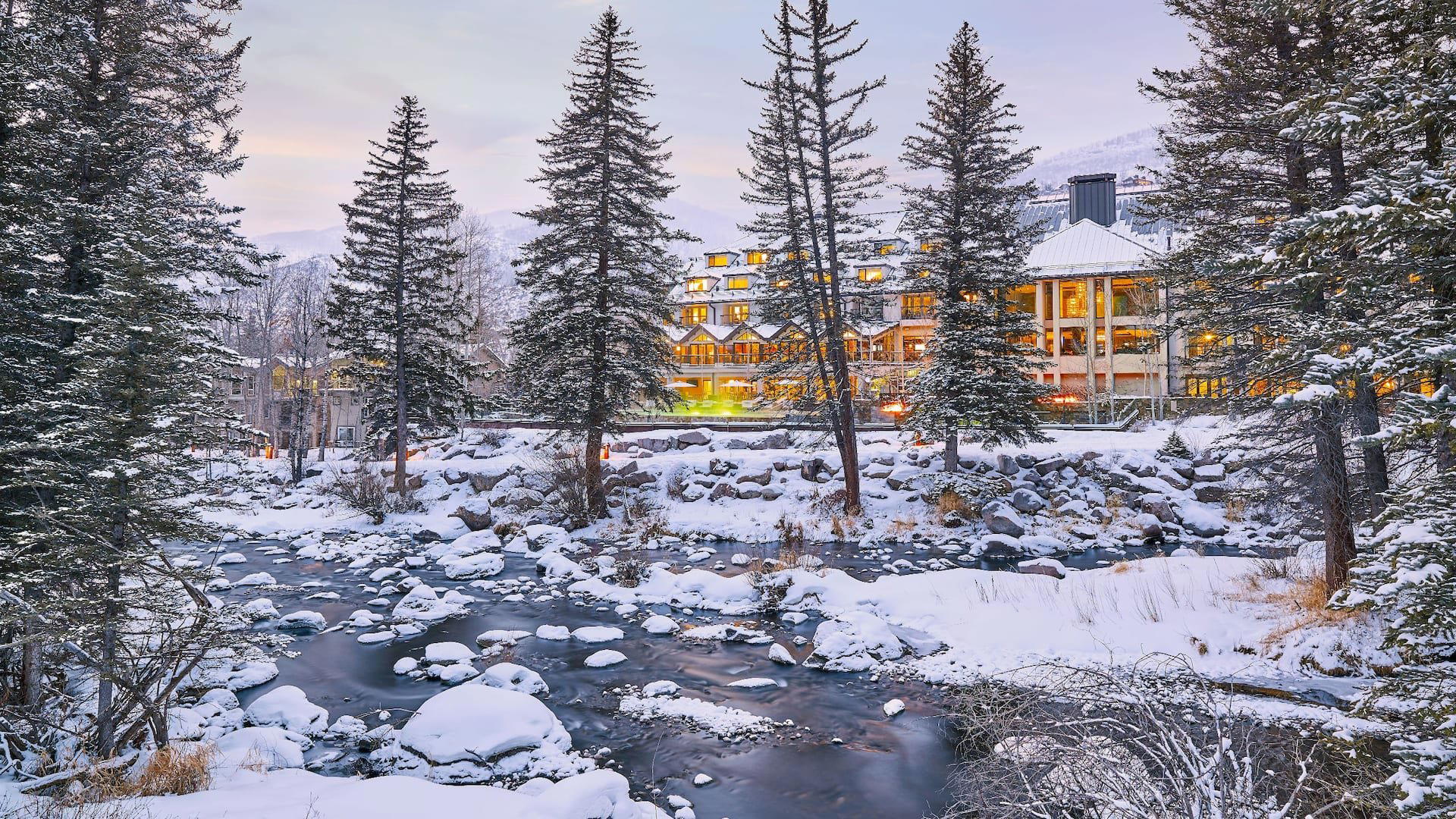
Rustic yet upscale atmosphere featuring stone fireplaces, wooden beams, and cozy living room setting with dramatic mountain views.