Google: 4.4 · 283 reviews
Ketchum Grill
Ketchum Grill has anchored the dining scene on East Avenue since Ketchum was still better known for skiing than restaurants. The kitchen operates in a tradition of American regional cooking that prizes sourced ingredients over decorative technique, making it a reference point for visitors weighing the town's options against the resort's more transient offerings. It sits on the approachable side of Ketchum's mid-range dining tier.
 Discover on Pearl
Pearl is the En Primeur Club membership app — saves, bookings, and concierge access live there. Same editors, same standards.
Where Ketchum Eats When It Isn't Performing
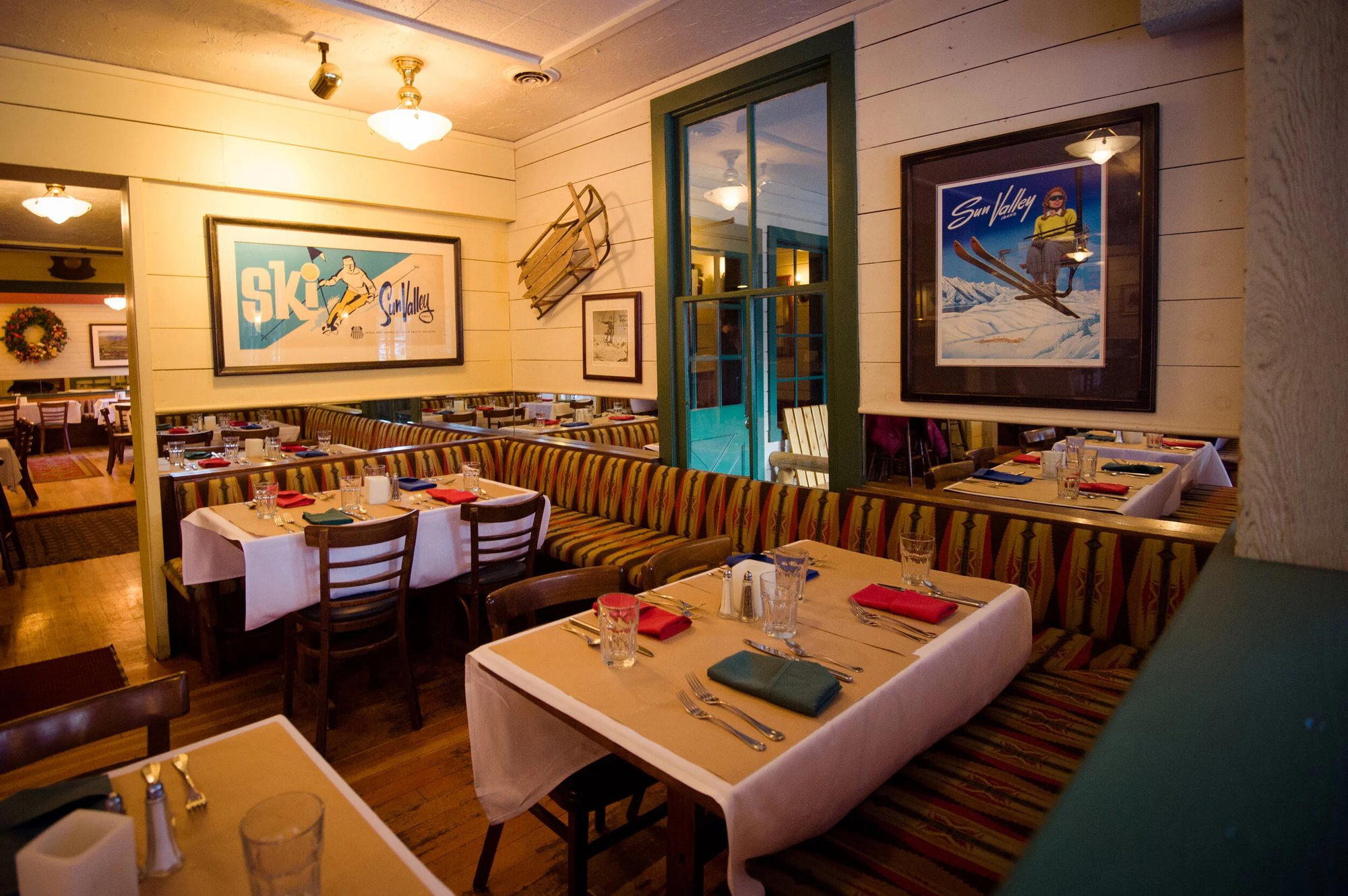
East Avenue in Ketchum runs parallel to the resort economy without fully belonging to it. The stretch around 520 East Ave draws a different crowd than the slope-adjacent bars: locals who eat here on a Tuesday, not just visitors filling a ski-trip itinerary. Ketchum Grill has occupied this address long enough to become part of the town's institutional fabric, the kind of place that survives multiple ownership cycles in ski towns precisely because it isn't built around a trend. The room reads as lived-in rather than designed, which in a mountain town this size carries its own credibility.
Ketchum's dining scene has always split between venues serving the resort economy and those serving the permanent community. The resort tier trends toward high-margin, high-turnover formats calibrated to visitors who won't return for months. The community tier moves slower, builds repeat custom, and tends to anchor its cooking in regional supply rather than imported prestige ingredients. Ketchum Grill falls into the second category, which is why it attracts a more mixed room than venues positioned squarely at the après-ski bracket. For a full picture of where it sits relative to the town's other options, our full Ketchum restaurants guide maps the tiers clearly.
The Sourcing Logic Behind Mountain Regional Cooking
The American mountain West has developed a coherent ingredient story over the past two decades. Idaho's agricultural output, historically associated with commodity potatoes, has diversified substantially: the Snake River Plain now supports ranching operations producing beef and lamb that reach regional kitchens, while the surrounding valleys produce stone fruits, root vegetables, and trout from cold-water systems that rival anything flown in from coastal suppliers. Restaurants that build their menus around this supply chain aren't making a virtue of limitation — they're working with ingredients that happen to be geographically proximate and logistically direct.
This is the context in which Ketchum Grill's approach makes sense. Mountain regional cooking at its most coherent isn't about rusticity as aesthetic; it's about the practical advantage of short supply chains in a region where the raw materials are genuinely strong. Idaho trout, raised in some of the coldest and cleanest water in the continental United States, doesn't need to travel to be good. Local lamb and beef, finished at altitude, develops a flavor profile that differs measurably from feedlot product. When a kitchen in this region chooses local sourcing, it's an argument about quality, not a branding position.
That sourcing logic places Ketchum Grill in a broader national conversation about ingredient-first American cooking. Operations like Blue Hill at Stone Barns in Tarrytown and Single Thread Farm in Healdsburg have made farm-to-table a fine-dining proposition at the $$$$ tier. Brutø in Denver and Frasca Food & Wine in Boulder have brought a similar discipline to the Mountain West at a price point that doesn't require a special occasion. Ketchum Grill operates within this regional tradition at an accessible register, where the sourcing commitment is present in the cooking without announcing itself on every line of the menu.
The Room and the Rhythm
The physical environment at Ketchum Grill reflects the practical aesthetics of a mountain town restaurant that has been running long enough to stop worrying about its own look. Ski towns have a tendency to over-theme — reclaimed wood pushed past the point of sincerity, lodge references applied with a heavy hand. The Ketchum Grill room avoids the more theatrical versions of this instinct. What you get instead is a space calibrated to the actual use patterns of a community restaurant: functional, comfortable in the way that a place used regularly by locals tends to become, without the studied informality that newer venues sometimes perform.
The comparison that comes to mind is not with the high-ceremony rooms of, say, The French Laundry in Napa or Alinea in Chicago, but with the mid-register community anchors that American dining culture actually depends on: the Bacchanalia in Atlanta model, or the neighborhood-institution approach that Emeril's in New Orleans established before the celebrity economy overtook it. These are restaurants that serve their city rather than performing for a visitor audience, and that distinction shows in how the room feels on an ordinary evening.
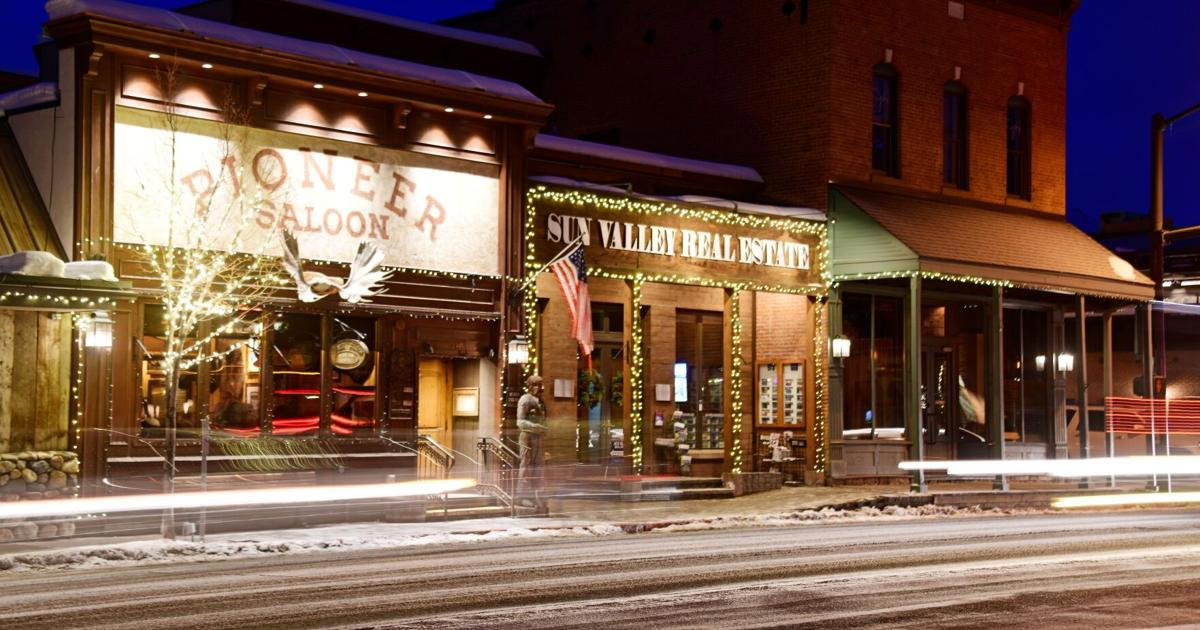
Closest competitor in Ketchum for the community-institution slot is Pioneer Saloon, which takes a different approach , steakhouse-adjacent, louder, more explicitly tied to Western atmosphere. The two venues address different moods rather than the same occasion, which means visitors choosing between them are really making a decision about what kind of evening they want rather than which kitchen is more accomplished.
Planning Your Visit
Ketchum operates on ski-season logic even in summer: the shoulder months of late spring and early fall see lighter demand and more available tables, while the winter peak and summer festival calendar compress reservations across the board. East Avenue is walkable from the town's central accommodations, which makes Ketchum Grill a practical choice for visitors without a car. The address at 520 East Ave places it within the walkable core rather than on the resort periphery. For visitors comparing the full range of options in the Sun Valley corridor, venues like Providence in Los Angeles, Le Bernardin in New York City, Atomix in New York City, Lazy Bear in San Francisco, Addison in San Diego, Causa in Washington, D.C., The Inn at Little Washington, and 8½ Otto e Mezzo Bombana in Hong Kong serve as useful reference points for how regional sourcing programs operate at different price tiers globally , context that clarifies what Ketchum Grill is doing at its own register.
Fast Comparison
These are the closest comparables we have in our database for quick context.
| Venue | Cuisine | Price | Awards | Notes |
|---|---|---|---|---|
| Ketchum Grill | This venue | |||
| Le Bernardin | French, Seafood | $$$$ | Michelin 3 Star | French, Seafood, $$$$ |
| Atomix | Modern Korean, Korean | $$$$ | Michelin 2 Star | Modern Korean, Korean, $$$$ |
| Lazy Bear | Progressive American, Contemporary | $$$$ | Michelin 2 Star | Progressive American, Contemporary, $$$$ |
| Alinea | Progressive American, Creative | $$$$ | Michelin 3 Star | Progressive American, Creative, $$$$ |
| Atelier Crenn | Modern French, Contemporary | $$$$ | Michelin 3 Star | Modern French, Contemporary, $$$$ |
At a Glance
- Cozy
- Rustic
- Historic
- Date Night
- Group Dining
- Special Occasion
- Historic Building
- Private Dining
- Extensive Wine List
- Local Sourcing
Cozy rustic atmosphere with indoor fireplace and seasonal patio seating.