Our verdict
Restorāns 1815 occupies a specific address on Spriņģu iela in Līgatne, a small riverside town in Latvia's Gauja Valley corridor that has quietly accumulated a concentration of serious kitchens relative to its size. The restaurant sits in a region where seasonal forest and river ingredients define the table, and where proximity to Cēsis places it within a dining cluster worth planning a full day around.

Pearl is the En Primeur Club membership app — saves, bookings, and concierge access live there. Same editors, same standards.
- Address
- Spriņģu iela 1, Līgatne, Līgatnes pilsēta, Cēsu novads, LV-4110, Latvia
- Phone
- +37127222555
- Directions
- Get directions
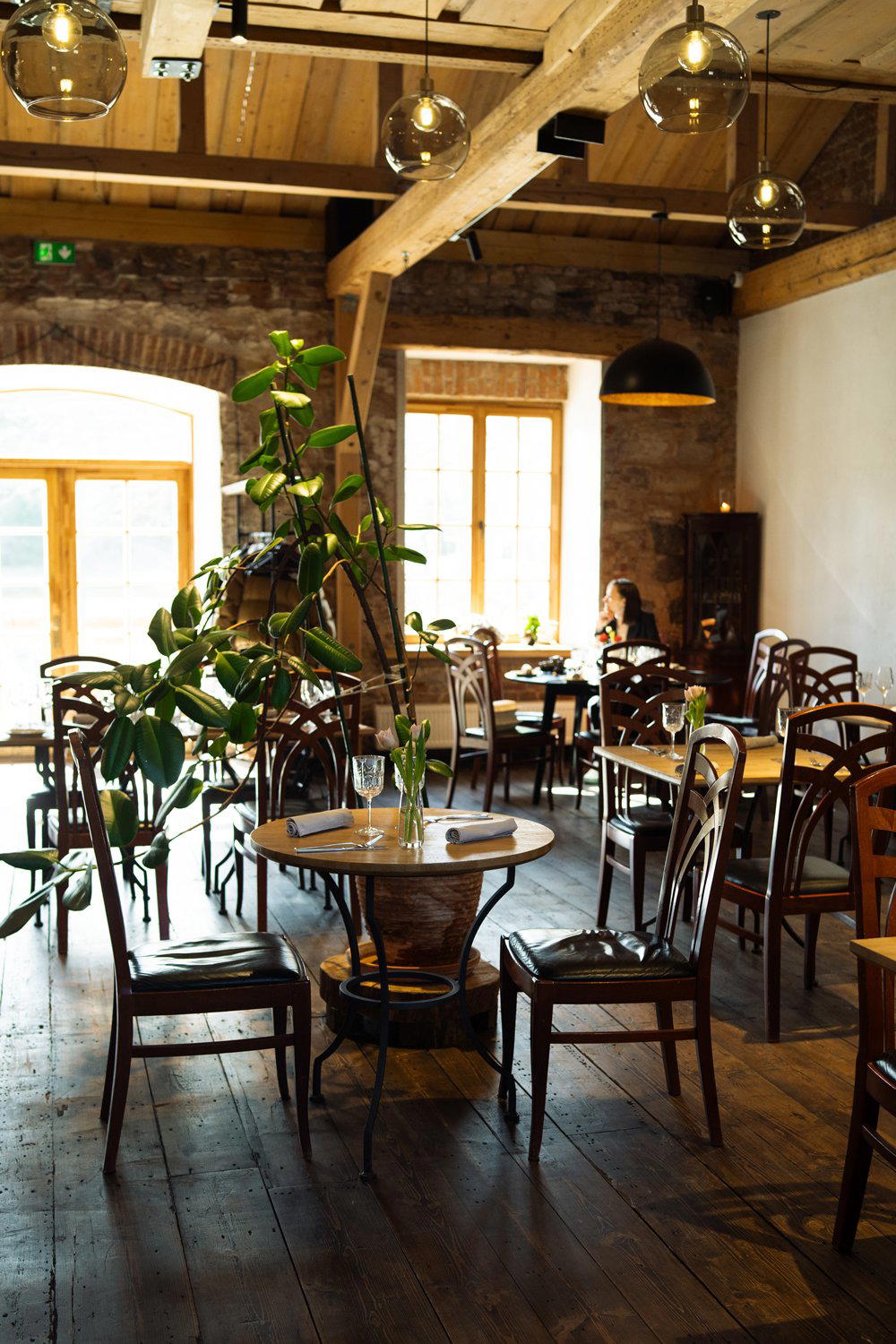
The menu
What to order
- Cauliflower steak
- Zander
- Chocolate fondant
Gauja Valley's Quiet Kitchen Tradition
Līgatne is not a city that announces itself. Arriving along the Gauja River valley, through birch stands and sandstone ravines, the town presents itself in layers: the old paper mill history, the Soviet-era bunker beneath the recreation area, the nature reserve that abuts the residential streets. What has emerged more recently is a pattern of small, serious restaurants operating at a remove from Riga's competitive noise, drawing ingredients from the surrounding forest, river, and farmland in ways that urban kitchens cannot easily replicate. Restorāns 1815, addressed at Spriņģu iela 1, sits within that pattern.
The Gauja Valley corridor, running roughly between Sigulda and Valmiera, has developed a culinary character tied directly to its geography. Mushrooms foraged from the pine forests, freshwater fish pulled from the Gauja itself, wild herbs that shift with the seasons — these are the raw materials that define regional cooking here, and they give restaurants in towns like Līgatne a sourcing advantage that is structural, not merely aspirational. A kitchen operating in central Riga sources regionally by choice and effort; a kitchen in Līgatne sources locally almost by default.
Restorāns 1815 in Context
Līgatne's restaurant scene is compact enough that each address carries weight. Pavāru māja, the other notable kitchen in town, has established the area's credibility as a destination dining stop rather than a convenience meal. Restorāns 1815, named for the address year encoded in its title, occupies a different register in that small ecosystem. The address on Spriņģu iela places it close to the river and the older residential fabric of the town, a physical context that tends to shape the tone of dining rooms in places this size.
For visitors arriving from Cēsis, roughly 15 kilometres to the northeast, Kest in Cēsis represents the kind of benchmark that the broader Vidzeme region has been building toward: kitchens that take local sourcing seriously without performing it theatrically. That same orientation appears to be present in Līgatne's dining scene, where the scale of the town enforces an intimacy that larger venues in Riga or Jūrmala cannot reproduce. At Laivas in Jūrmala or Piano in Liepāja, regional ingredient sourcing is one tool in a larger hospitality apparatus; in a town the size of Līgatne, it tends to be the premise.
What the Region Puts on the Table
The editorial case for ingredient-led cooking in the Gauja Valley is not difficult to make. Latvia's forest cover, among the highest proportions in Europe, means that foraged ingredients are genuinely local rather than imported from a more biodiverse region elsewhere. Chanterelles from the surrounding pine forests appear in Latvian kitchens from mid-summer through early autumn at a volume and freshness that sets them apart from anything arriving via a Riga wholesale market. River fish, particularly pike-perch and brown trout from the Gauja watershed, are available to kitchens with direct supplier relationships that urban restaurants can rarely establish with the same consistency.
The broader Latvian dining shift of the past decade has moved in this direction. Kitchens that once looked toward French or Scandinavian templates as primary references have progressively folded local ingredient identity more explicitly into their menus. Restaurants like JOHN Chef's Hall in Riga operate at the higher-budget end of that shift; the regional kitchens of Vidzeme tend to express similar sourcing values at a more accessible price point and with less self-conscious framing. The Gauja Valley's restaurants do not need to reach for imported prestige ingredients because the local ones are genuinely competitive.
This places Restorāns 1815 within a regional tradition that has real substance. Similar dynamics appear further afield: Nurmuiža Restaurant in Lauciene and ZOLTNERS in Tērvete both operate from a premise of deep provincial rootedness, where the sourcing geography is part of the editorial logic of the menu. At the international reference tier, kitchens like Lazy Bear in San Francisco or Alinea in Chicago demonstrate what happens when local-seasonal sourcing is combined with high technical ambition; the Latvian countryside equivalent operates with less spectacle but often with more honest material.
Planning a Visit to Līgatne
Līgatne sits approximately one hour by car from Riga via the A2 and regional roads through the Gauja National Park. The drive itself is part of the proposition: the sandstone cliffs along the river valley are among the most geologically distinctive landscapes in the Baltic states. Visitors who plan the trip as a half-day or full-day itinerary can combine the restaurant with the Līgatne nature trails or the bunker museum, which draws a specific kind of historically curious traveller. The town does not have the accommodation infrastructure of Sigulda, so most visitors arrive from Riga or from Cēsis on a day basis; Cēsis, with its own strengthening dining scene including Kest, makes a natural pairing stop.
Small provincial restaurants in Latvia's regional towns commonly operate on limited weekly schedules or by prior arrangement, particularly outside the summer high season when tourist volumes across Vidzeme drop substantially. Arriving without a confirmed booking at a restaurant this size in a town this small carries risk; contact via the address or local directories before the trip is advisable.
For wider context on what Līgatne's dining scene currently offers, our full Līgatne restaurants guide maps the options and their respective positioning. For those building a broader Latvia itinerary, Ahh-meat in Valmiera, Goldingen Room in Kuldīga, and Albatross in Engure each represent the regional-restaurant character of different parts of the country and extend the picture beyond the Gauja corridor.
Frequently asked questions
Would Restorāns 1815 be comfortable with kids?
Līgatne is a town-scale destination rather than an urban dining circuit, which tends to produce restaurants oriented toward unhurried, mixed-group meals. The address on Spriņģu iela 1 places it in a low-key residential setting, consistent with a relaxed pace.
What is the atmosphere like at Restorāns 1815?
Restorāns 1815 sits in Līgatne, a town defined by sandstone ravines, birch forest, and the Gauja River rather than urban density. Restaurants here tend toward quiet, unhurried rooms where the setting outside does much of the work. The address on Spriņģu iela 1 places it at the town's edge, removed from any significant foot traffic, which shapes the experience toward something closer to a destination meal than a casual drop-in.
Is Restorāns 1815 a good base for exploring Gauja National Park?
Līgatne sits within the Gauja National Park boundary, placing Restorāns 1815 at Spriņģu iela 1 roughly one hour by car from Riga via the A2 and regional roads through the park. The town itself is a recognised access point for the park's sandstone cave trails and river valley walks, making the restaurant a practical stop before or after time outdoors. For visitors spending a full day in the park rather than a weekend, it functions as the kind of sit-down meal the area otherwise lacks within easy reach.
What's the must-try dish at Restorāns 1815?
What the Gauja Valley region consistently offers is a larder shaped by Latvia's high forest cover and the river corridor: wild mushrooms, freshwater fish, and foraged herbs that define this stretch of Latvian cooking. Visiting with an appetite for whatever the kitchen is running seasonally is the more reliable approach than seeking a fixed signature dish.
What's the address for Restorāns 1815?
Restorāns 1815 is located at Spriņģu iela 1, Līgatne, Līgatnes pilsēta, Cēsu novads, LV-4110, Latvia, Līgatne.
Do they take walk-ins at Restorāns 1815?
In a town the size of Līgatne, where the restaurant count is small and each kitchen serves a catchment area that includes both locals and visitors from Riga, capacity can fill without much notice on weekends or during peak Gauja National Park season. Contacting the venue in advance is the practical approach, particularly for groups arriving from outside the region.
Side-by-Side Snapshot
Comparable venues nearby, for context on price, style, and recognition.
| Venue | Cuisine | Price | Awards | Notes |
|---|---|---|---|---|
| Restorāns 1815This venue — the venue you are viewing | Modern Latvian | $20–30 | Not listed | Not listed |
| Pavāru māja | Modern Latvian Seasonal | Not listed | Michelin Plate · Star Wine List | Līgatne |
| Vina bars Garage | Modern European Tapas & Wine Bar | $50–100 | Not listed | Centrs |
| Meat Chef | Modern Charcoal-Grilled Steakhouse | $50–100 | Not listed | Centrs |
| Muusu | Modern European with Latvian Accents | Not listed | Not listed | Vecpilsēta |
| BURZUJS | Latvian Seasonal European with Oyster Focus | $20–30 | Not listed | Centrs |
Continue exploring
More in Līgatne
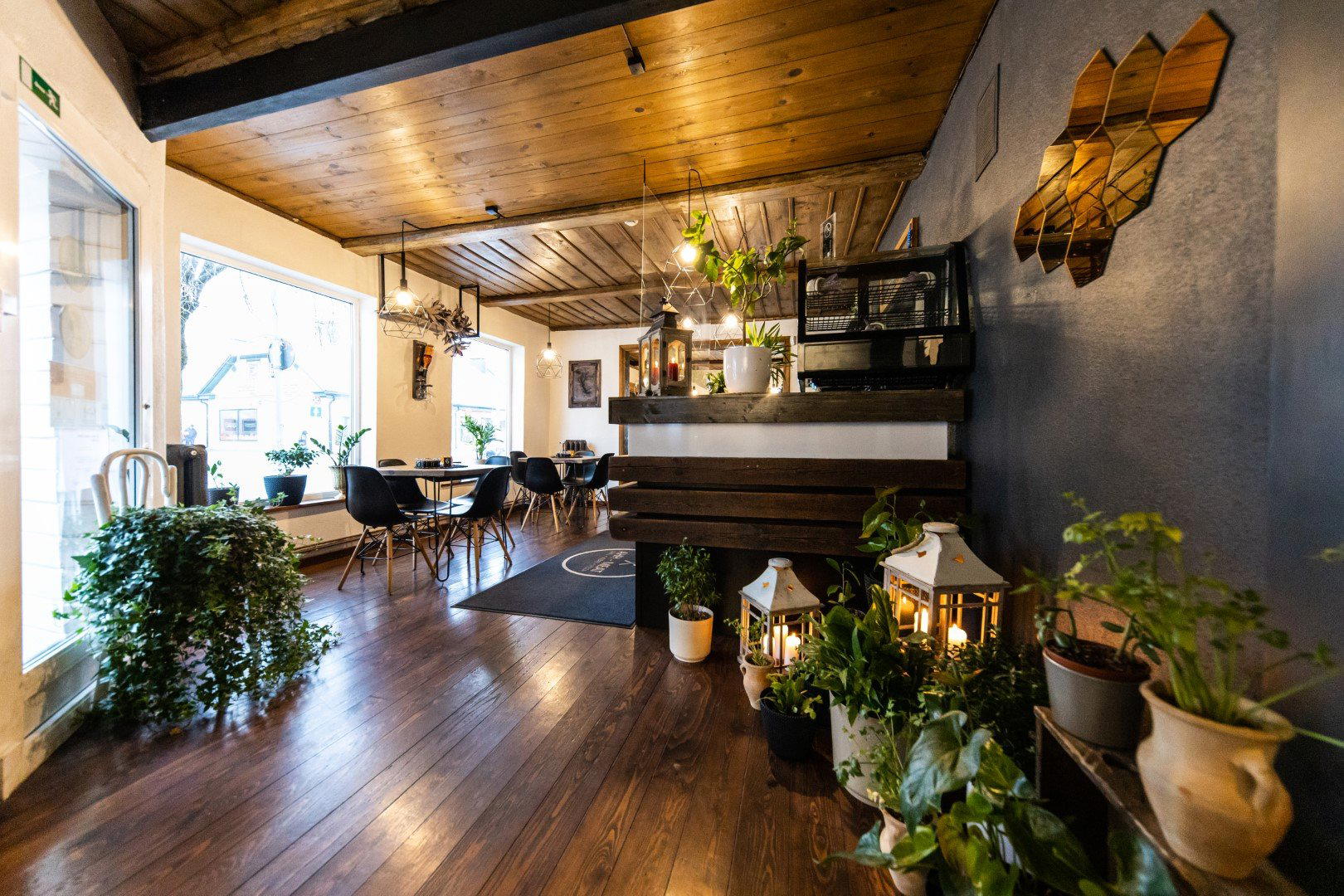
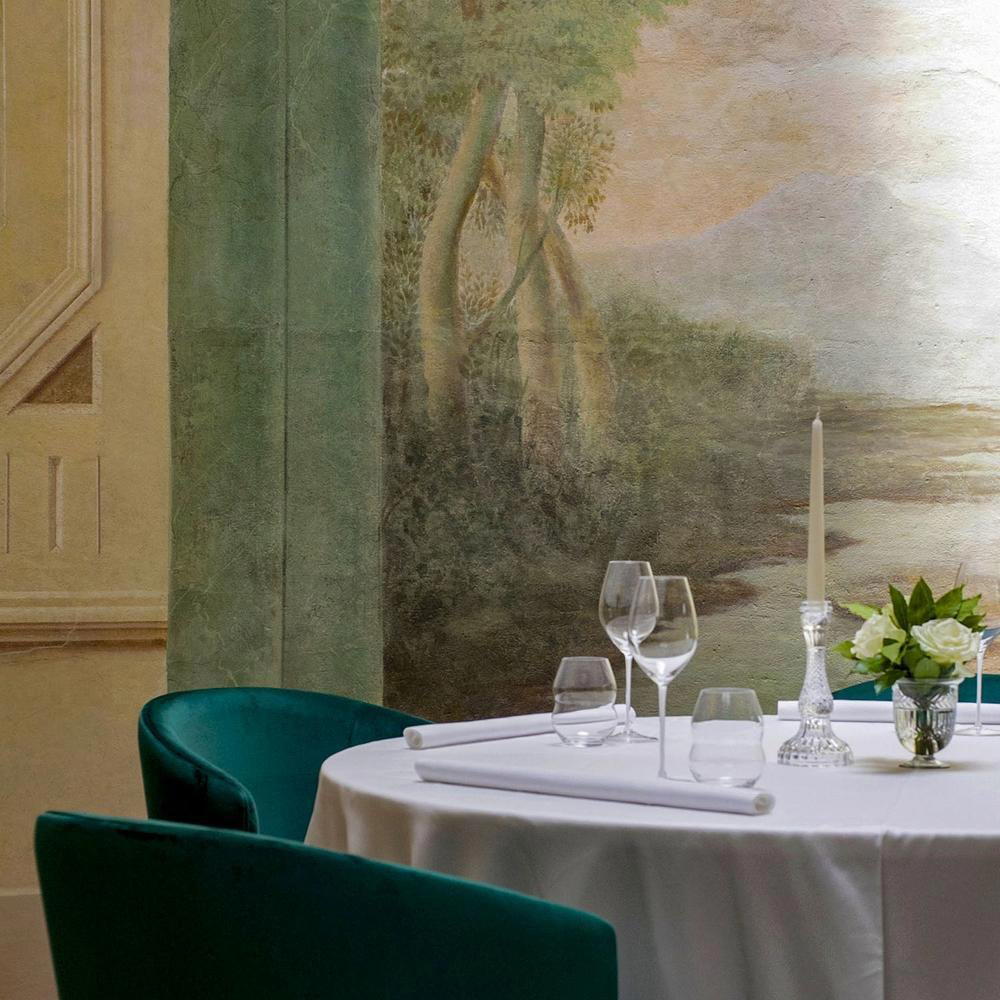
Details
- Cozy
- Elegant
- Industrial
- Business Dinner
- Date Night
- Family
- Casual Hangout
- Historic Building
- Waterfront
- Standalone
- Local Sourcing
- Waterfront
- A La Carte
- Vegetarian Friendly
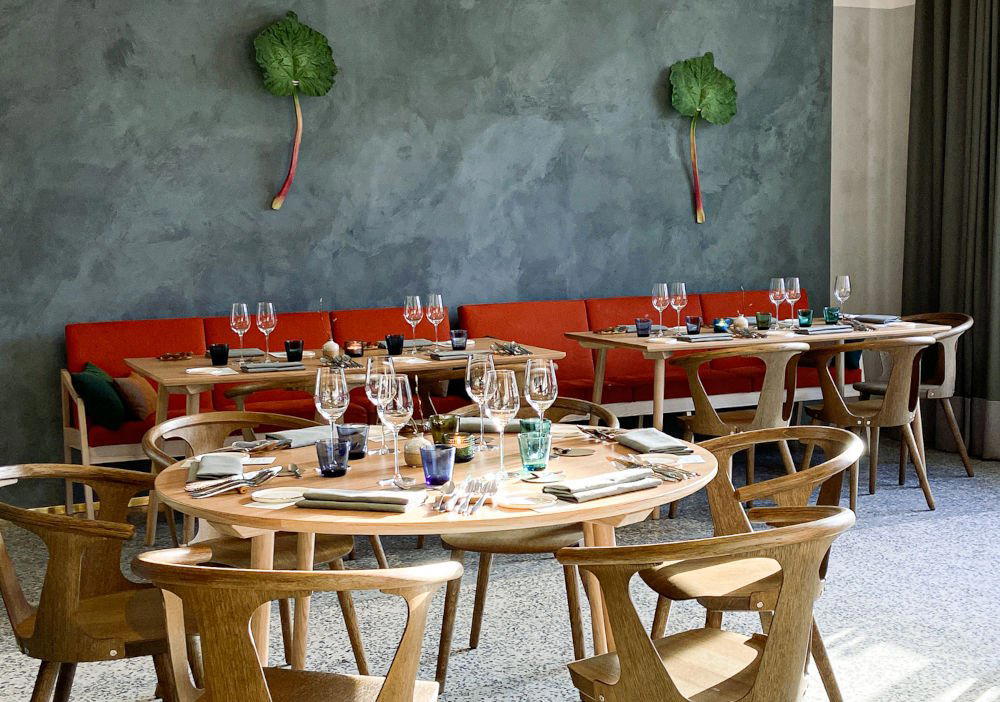
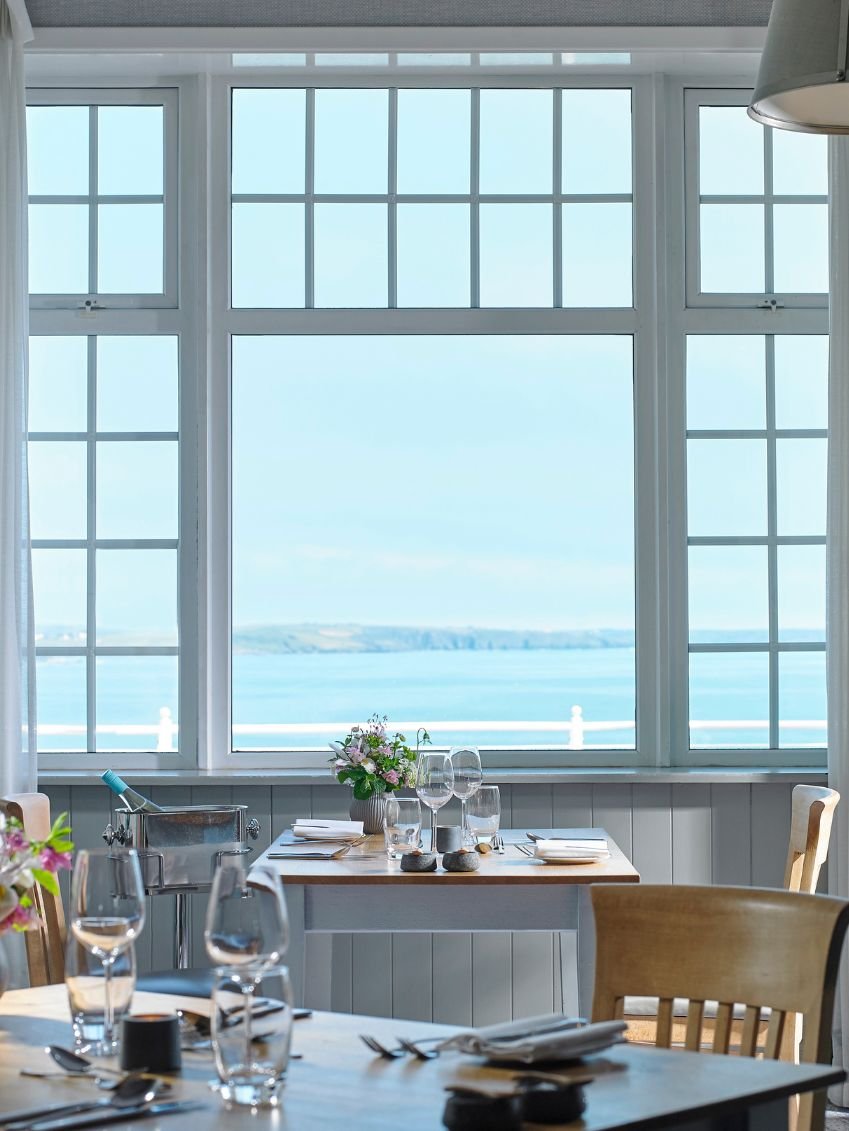
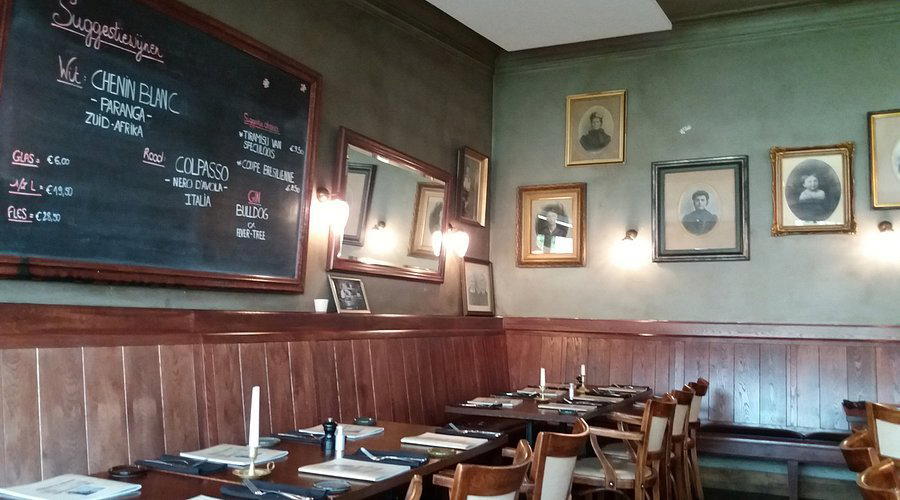
Charming and refined atmosphere housed in a historic building with industrial heritage elements and modern design touches, creating an elegant yet approachable setting.