Kenji Omakase
An omakase counter on Camp Street places Japanese precision inside one of America's most flavour-driven cities. Kenji Omakase sits in the small cohort of chef-driven tasting formats that have taken root in New Orleans over the past decade, offering a deliberately narrow, sequenced experience in a neighbourhood better known for Creole grandeur and Cajun exuberance.
Pearl is the En Primeur Club membership app — saves, bookings, and concierge access live there. Same editors, same standards.
- Address
- 217 Camp St, New Orleans, LA 70130
- Phone
- +15049094851
- Website
- kenjinola.com
- Directions
- Get directions
 Saves & bookings on Pearl
Camp Street, and What It Means to Eat Japanese in New Orleans
The streetscape here is defined by mid-rise commercial architecture and the occasional converted warehouse, which makes it an unlikely address for the kind of focused, counter-led dining that omakase demands. Yet that tension is precisely what gives Kenji Omakase its editorial interest. Japanese tasting counter formats have spread well beyond their coastal strongholds in New York and Los Angeles, and New Orleans represents a particularly pointed test of how omakase translates when planted in a city whose dining culture is as codified and locally specific as any in the United States.
New Orleans diners have long tolerated, even celebrated, length and ceremony at the table. A traditional Commander's Palace lunch can run three hours without anyone feeling inconvenienced. That cultural patience for sequenced eating creates a more hospitable environment for omakase than many American cities can claim, even if the flavour vocabulary is entirely different. Where Creole cooking at places like Emeril's layers fat, spice, and the slow concentration of roux, omakase operates through restraint and single-ingredient clarity. The contrast is instructive rather than incompatible.
The Omakase Format in a City That Doesn't Need It to Survive
One of the more telling signs of a maturing dining scene is when specialist formats arrive not because the local market lacks options, but because there is enough appetite for contrast. New Orleans already has depth in contemporary American cooking through venues like Saint-Germain and Zasu, and the city's New American tradition runs through places such as Bayona. Omakase, however, occupies a different register entirely. It is a format structured around trust: the diner surrenders the menu entirely and accepts whatever the kitchen judges to be at peak quality on that particular evening.
That format has proven commercially durable across American cities that are far less food-focused than New Orleans. In San Francisco, Lazy Bear built its reputation on a related model of chef-led sequencing. In New York, Atomix applies similar discipline to Korean fine dining with consistent critical recognition. The ambition at Kenji Omakase, at 217 Camp Street, is to hold that same structural standard in a city whose identity runs counter to the format's minimalism, and to make the contrast feel earned rather than incongruous.
Where This Sits in the American Fine Dining Conversation
The past decade of American fine dining has seen tasting menus consolidate at the summit of the price-tier hierarchy. Counters and intimate rooms have replaced large formal dining rooms as the preferred format for high-commitment meals. Le Bernardin in New York City and The French Laundry in Napa represent the established tier of this format. Alinea in Chicago, Providence in Los Angeles, and Addison in San Diego each occupy specific positions within their regional markets. What they share is a commitment to the sequenced experience as the core product rather than a premium add-on.
Regionally, venues like Bacchanalia in Atlanta and The Inn at Little Washington demonstrate that tasting-format dining can develop loyal audiences in markets outside the two dominant coastal cities. Kenji Omakase is operating in that same regional-expansion logic: the bet is that New Orleans, with its history of serious food culture and its visitors who arrive specifically to eat well, can sustain a counter-format operation at the high end of the price tier.
For international context, the omakase counter model has its clearest precedent in Japan, where counter dining at this level is a distinct cultural institution. Venues like 8½ Otto e Mezzo Bombana in Hong Kong show how fine dining formats translate across cultural geographies when the underlying execution is precise enough. The question for any omakase counter operating outside Japan is always whether the sourcing and technique meet the structural demands the format creates: with no printed menu and no à la carte fallback, every course carries the full weight of the evening's success or failure.
Neighbourhood Context and Practical Considerations
Camp Street in the lower CBD is accessible on foot from the French Quarter and the Warehouse District, two of the city's principal hotel concentrations. The immediate block is commercial rather than tourist-facing, which tends to keep omakase counters in this position somewhat insulated from walk-in traffic. Omakase formats across American cities typically require advance booking, and counters at this level run on reservation-only seatings with limited seats per service. Diners planning a visit should expect to book well ahead, particularly on weekends and during New Orleans's dense festival calendar, when accommodation and restaurant demand spike simultaneously across the city.
The city's dining scene benefits from a strong year-round visitor base, but the shoulder months between festival periods tend to offer more flexibility for securing reservations at high-demand venues. Re Santi e Leoni and other contemporary venues operating at a similar tier in the city face the same seasonal booking dynamics.
Venues in this format category typically require dietary and allergy information at the time of booking rather than at the door, since the sequenced menu is prepared with specific quantities and timings. Diners with serious allergies or dietary restrictions should communicate those details during the reservation process rather than on arrival.
Cuisine Context
Comparable venues nearby, for context on price, style, and recognition.
| Venue | Cuisine | Price | Notes |
|---|---|---|---|
| Kenji OmakaseThis venue — the venue you are viewing | Japanese Omakase | $$$$ | Not listed |
| Nobu - Caesars New Orleans | Japanese-Peruvian Fusion | $$$$ | Central Business District |
| Sake Cafe | Modern Japanese Sushi Fusion | $$$ | Garden District |
| The Chloe | Modern Creole | $$$$ | Milan |
| Seaworthy | Modern Seafood Oyster Bar | $$$ | Arts District |
| Toups Meatery | Contemporary Cajun | $$$ | City Park |
Continue exploring
More in New Orleans
Restaurants in New Orleans
Browse all →
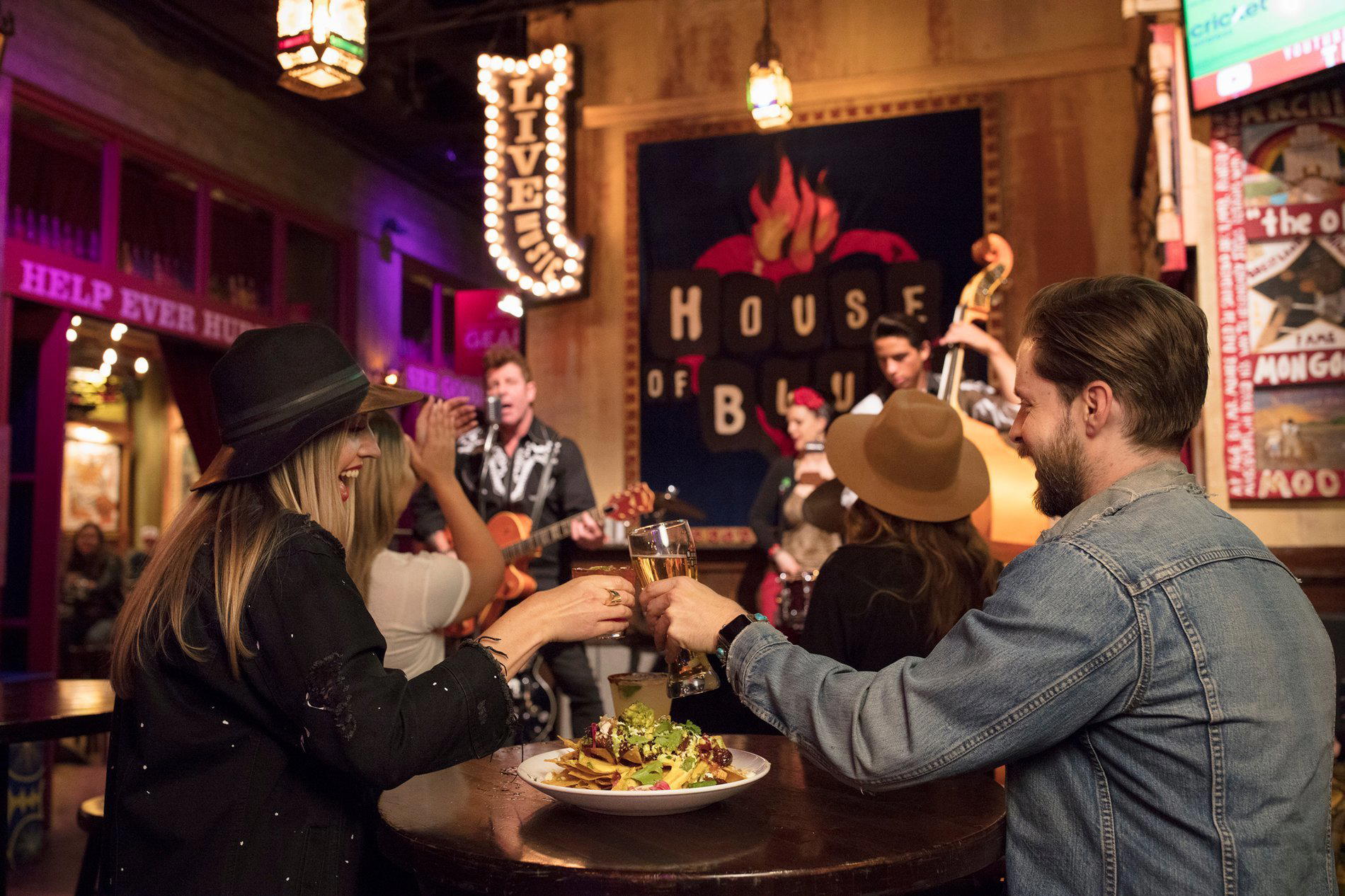
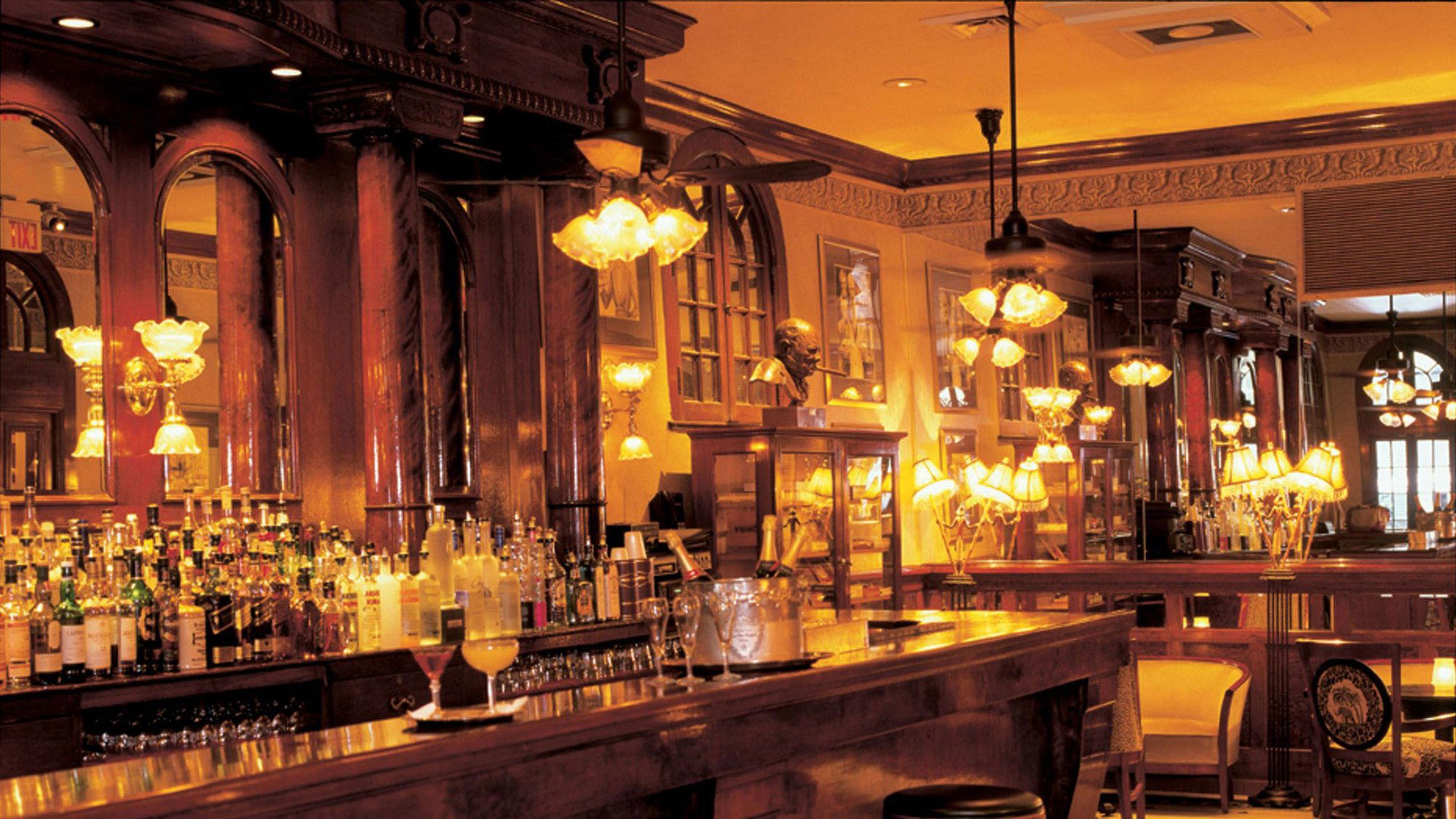
Bars in New Orleans
Browse all →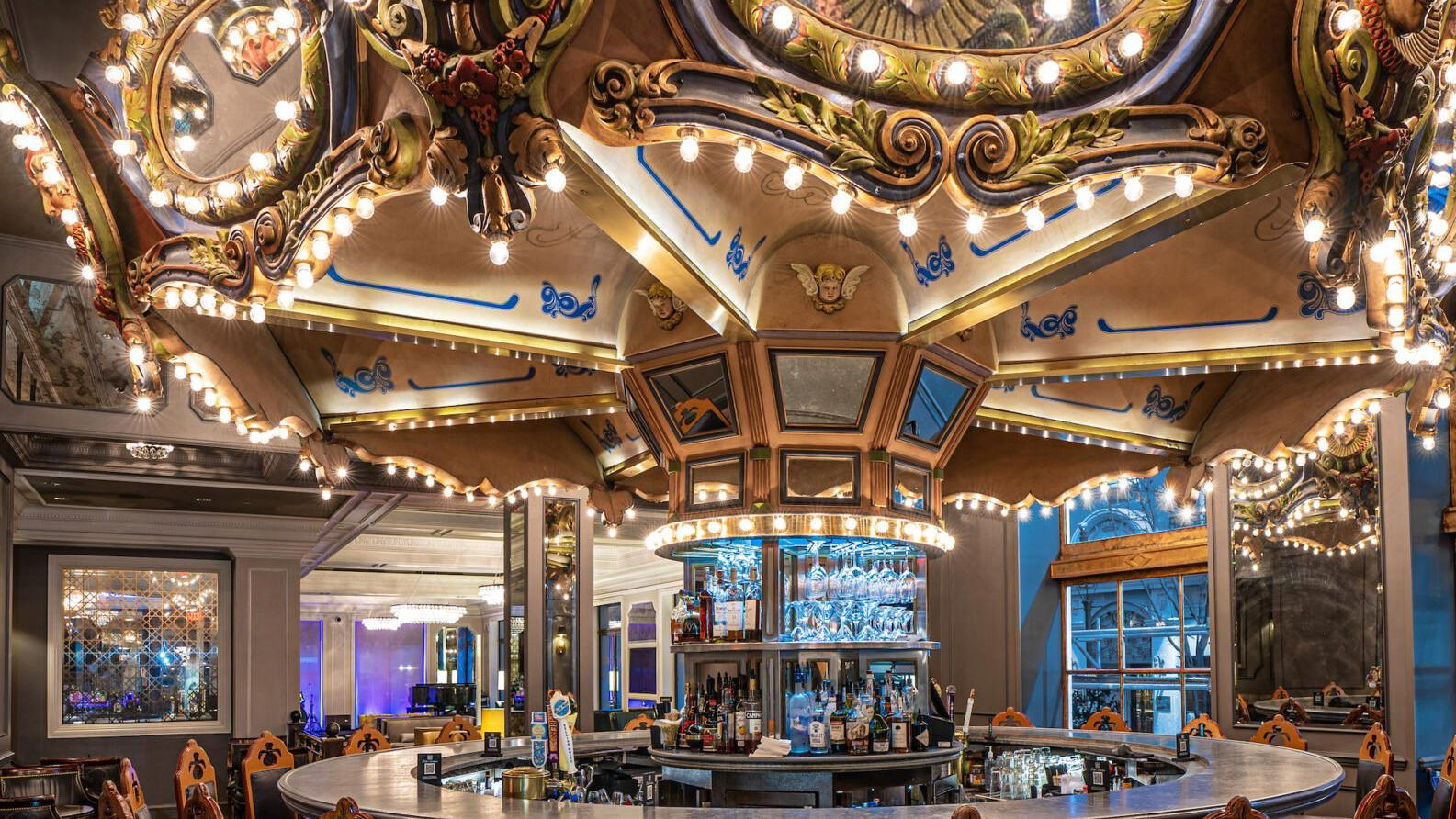
At a Glance
- Intimate
- Elegant
- Modern
- Sophisticated
- Date Night
- Special Occasion
- Chefs Counter
- Sake Program
Current opening hours
- Monday
- Closed
- Tuesday
- 5–10 PM
- Wednesday
- 5–10 PM
- Thursday
- 11 AM–2 PM, 5–10 PM
- Friday
- 11 AM–2 PM, 5–10:30 PM
- Saturday
- 11 AM–2 PM, 5–10:30 PM
- Sunday
- 5–10 PM
Hours can change for holidays and private events. Last verified .
Modern yet traditional Japanese aesthetic in a cozy, inviting space with counter seating at the sushi bar.