
Rouge sits on Rue de Foresta in Nice's residential quarter, serving Mediterranean cuisine at accessible prices with a Michelin Plate recognition in 2025.
Pearl is the En Primeur Club membership app — saves, bookings, and concierge access live there. Same editors, same standards.
- Address
- 2 Rue de Foresta, 06300 Nice, France
- Phone
- +33 9 77 94 22 39
- Website
- rouge-restaurant.fr
- Directions
- Get directions
 Saves & bookings on Pearl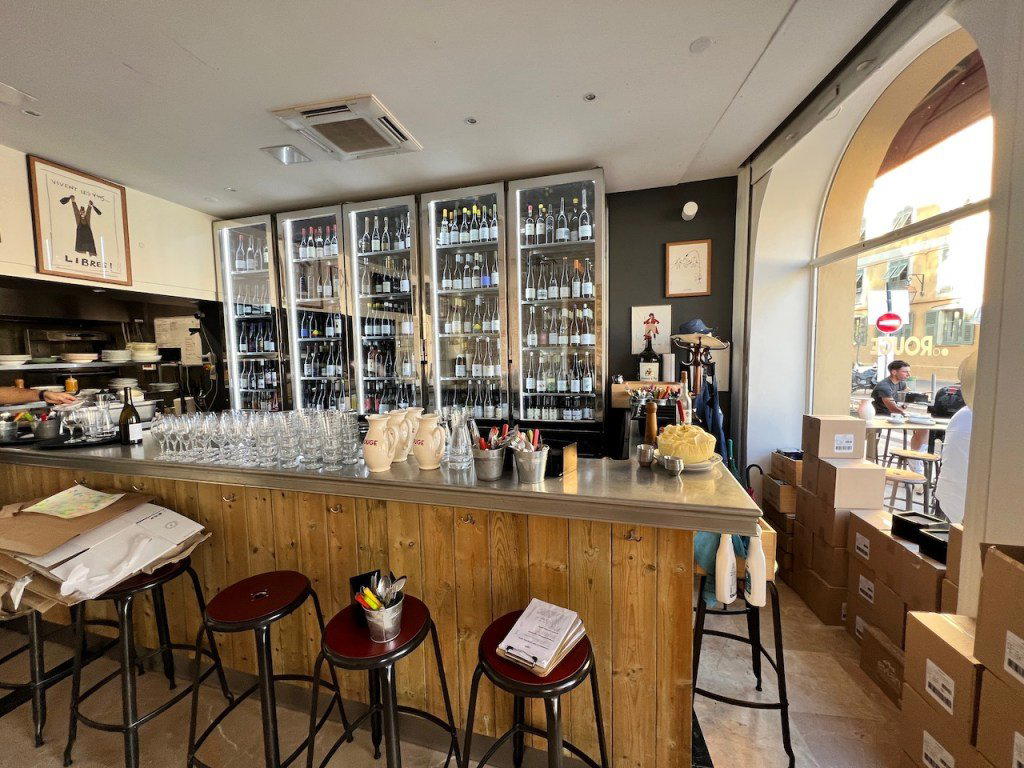
Where the Côte d'Azur Plate Stays Honest
Rue de Foresta sits away from the postcard-ready sprawl of the Vieux-Nice tourist corridor, and that remove tells you something about the kind of restaurant that takes up residence there. The streets in this part of Nice's 06300 district move at a slower register: residents rather than visitors, neighbourhood trattorie rather than terrace theatrics. Rouge belongs to that cadre. Arriving at the address on Rue de Foresta, the setting signals a restaurant that is less interested in the performance of Mediterranean dining than in the thing itself.
That distinction matters more than it might appear. Nice's dining economy operates across several clearly stratified tiers. At the summit sit places such as Mirazur in Menton, just along the coast, where the Mediterranean tradition is filtered through a highly technical, internationally celebrated lens. The city itself has creative modern French addresses like Flaveur (Modern French, Creative) operating at the €€€€ tier. Closer to the ground, places like La Merenda work the Niçoise-Provençal seam at the €€ level. Rouge sits within that more accessible bracket, earning a 2025 Michelin Plate, which signals that the guide's inspectors found cooking worth noting without pushing the venue into the starred hierarchy. At the single-euro price point, that recognition is significant context: it places Rouge among restaurants delivering quality above their price band.
The Mediterranean and Its Fish
The Mediterranean's relationship with fish and shellfish is older than any restaurant that claims to express it. Along the Ligurian coast that bends into Provence, the tradition runs from the bouillabaisse of Marseille to the Niçoise pissaladière and the stockfish preparations that have fed this city for centuries. The sea here is not especially deep or cold, which means its yields are particular: rouget, daurade, loups de mer, sea urchin, tellines, and small bream pulled from waters that shift between turquoise and iron-grey depending on the season. What the Mediterranean offers is not abundance in the North Atlantic sense but specificity, and the kitchens that handle it well are the ones that resist the impulse to overload those flavours with technique.
Rouge's Mediterranean cuisine positioning places it within the tradition that prioritises that specificity. At this price level, the expectation is that market proximity drives the menu rather than elaborate construction. Nice is served by the Marché du Cours Saleya, one of the more active produce and fish markets in southern France, where the morning catch shapes what appears on neighbourhood tables by midday. Restaurants working at the honest end of the Mediterranean spectrum, without the infrastructure of starred kitchens, depend on that proximity more directly than their higher-budget peers.
Compare this with what the starred Mediterranean tier looks like elsewhere along the French coast and further afield. Arnaud Donckele & Maxime Frédéric at Louis Vuitton in Saint-Tropez represents the Mediterranean tradition processed through the luxury fashion-house register. La Brezza in Ascona applies the same Mediterranean framework to Alpine-adjacent Switzerland. Rouge occupies a different point on that spectrum entirely: it answers the question of what the tradition looks like when the priority is accessibility and direct ingredient integrity over ceremony.
Reading the 2025 Michelin Plate
The Michelin Plate, introduced to the guide as a recognition below the star tiers, marks kitchens where inspectors found the cooking to be genuinely good without the consistency or ambition profile needed for a star. In the context of a restaurant priced at the single-euro tier in a city where the mid-range is saturated with undifferentiated tourist-facing brasseries, the Plate carries real weight. It separates Rouge from the purely functional neighbourhood eateries and places it in a smaller cohort of accessible addresses with genuine kitchen credibility.
Among Nice restaurants, the Michelin-recognised addresses cluster heavily in the higher price brackets. The Plate at this price level is, in that context, a more pointed signal than it might appear at first glance.7 across 1,101 reviews adds a volume dimension that the guide's inspection process does not capture: that score, at that sample size, is not statistical noise. It reflects sustained satisfaction across a diverse cross-section of guests, which in a neighbourhood restaurant context often reflects consistency of execution more reliably than single-visit critical assessments.
The combination of Michelin Plate recognition and that review profile positions Rouge differently from some of Nice's more discussed addresses. Taulissa, MARMAR, and Apopino each occupy distinct positions in the city's current dining conversation, and the wider Nice restaurant scene, covered in our full Nice restaurants guide, maps the full range from neighbourhood plates to formally ambitious kitchens.
Nice in the Broader French Dining Context
Nice sits at some remove from the French fine dining centres that have defined the country's international reputation. The grandes maisons, from Paul Bocuse - L'Auberge du Pont de Collonges near Lyon to Alléno Paris au Pavillon Ledoyen and Troisgros in Ouches, are expressions of a different culinary ambition. Mountain kitchens like Flocons de Sel in Megève and Bras in Laguiole draw on terroir logic that is conceptually adjacent to Mediterranean ingredient fidelity but operates in an entirely different register.
What Nice produces at its leading is Mediterranean cooking that remains close to its source without the mediating layer of high-concept cuisine. Rouge's positioning at 2 Rue de Foresta, at this price point and with this recognition profile, is consistent with that tradition at its most direct. For a city as well-resourced in terms of raw ingredients as Nice, the honest execution of those materials is its own form of culinary ambition.
Planning Your Visit
Rouge is at 2 Rue de Foresta, 06300 Nice. The address sits in a residential district removed from the main tourist zones, which means the atmosphere runs closer to local neighbourhood restaurant than to visitor-facing dining. At the single-euro price tier, it is among the more accessible Michelin Plate addresses in the city. Rouge can be busy, but it is walk-in friendly. The La Rotonde address rounds out options at a different register if the evening calls for a change of scale.
Credentials Lens
Comparable venues nearby, for context on price, style, and recognition.
| Venue | Cuisine | Price | Awards | Notes |
|---|---|---|---|---|
| RougeThis venue — the venue you are viewing | Mediterranean Wine Bar Tapas | $$$ | Michelin Plate | Not listed |
| MARMAR | Modern Mediterranean | $$$ | Michelin Plate | Nice Historique |
| La Calade Rooftop Restaurant | Modern Mediterranean Rooftop | $$$ | Not listed | Nice Ouest |
| Pinpin | Modern Mediterranean Sharing Plates | $$ | Not listed | Nice Historique |
| SEEN by Olivier Nice | Mediterranean-Asian Fusion Rooftop | $$$$ | Not listed | Cœur de Nice |
| Épicentre | Modern French with Global Spices | $$$ | Michelin Plate | Nice Historique |
Recognition history
Dated appearances from independent guides and award organizations, with the underlying list record or original source where available.
Michelin Plate
Michelin
Continue exploring
More in Nice
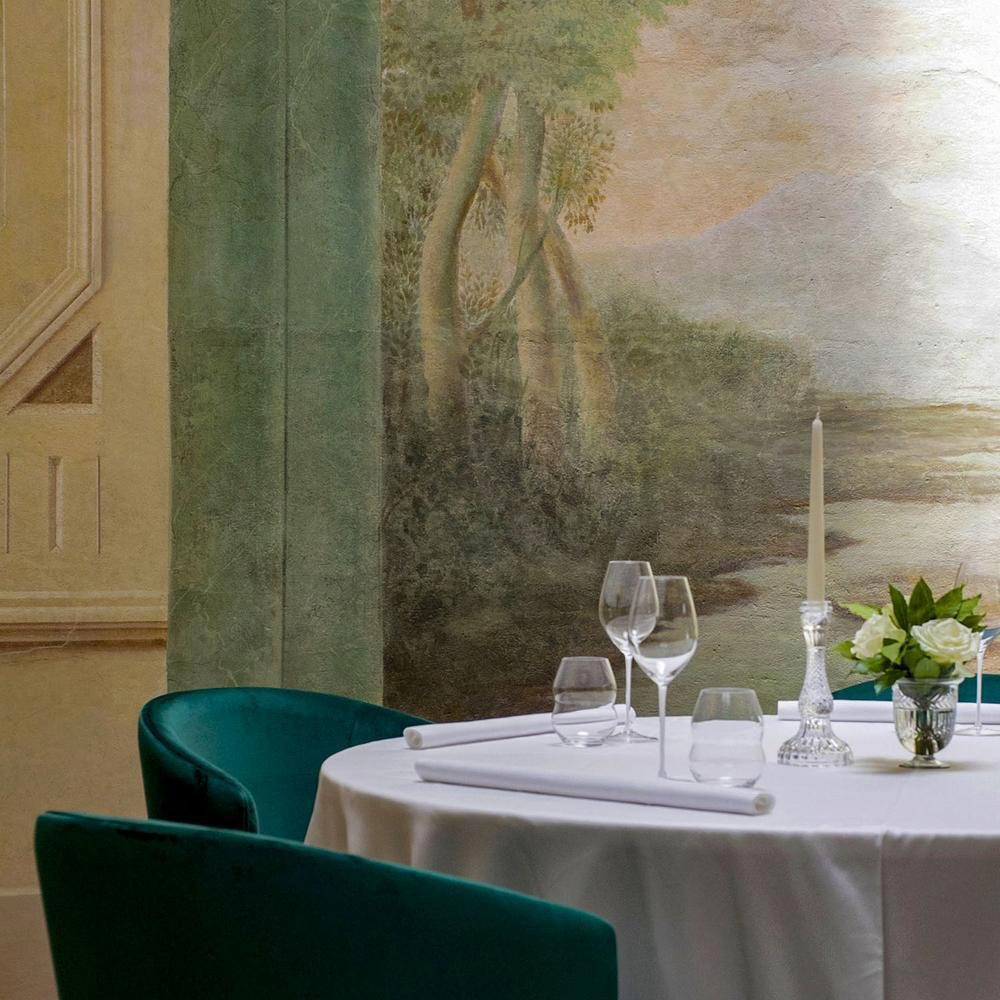
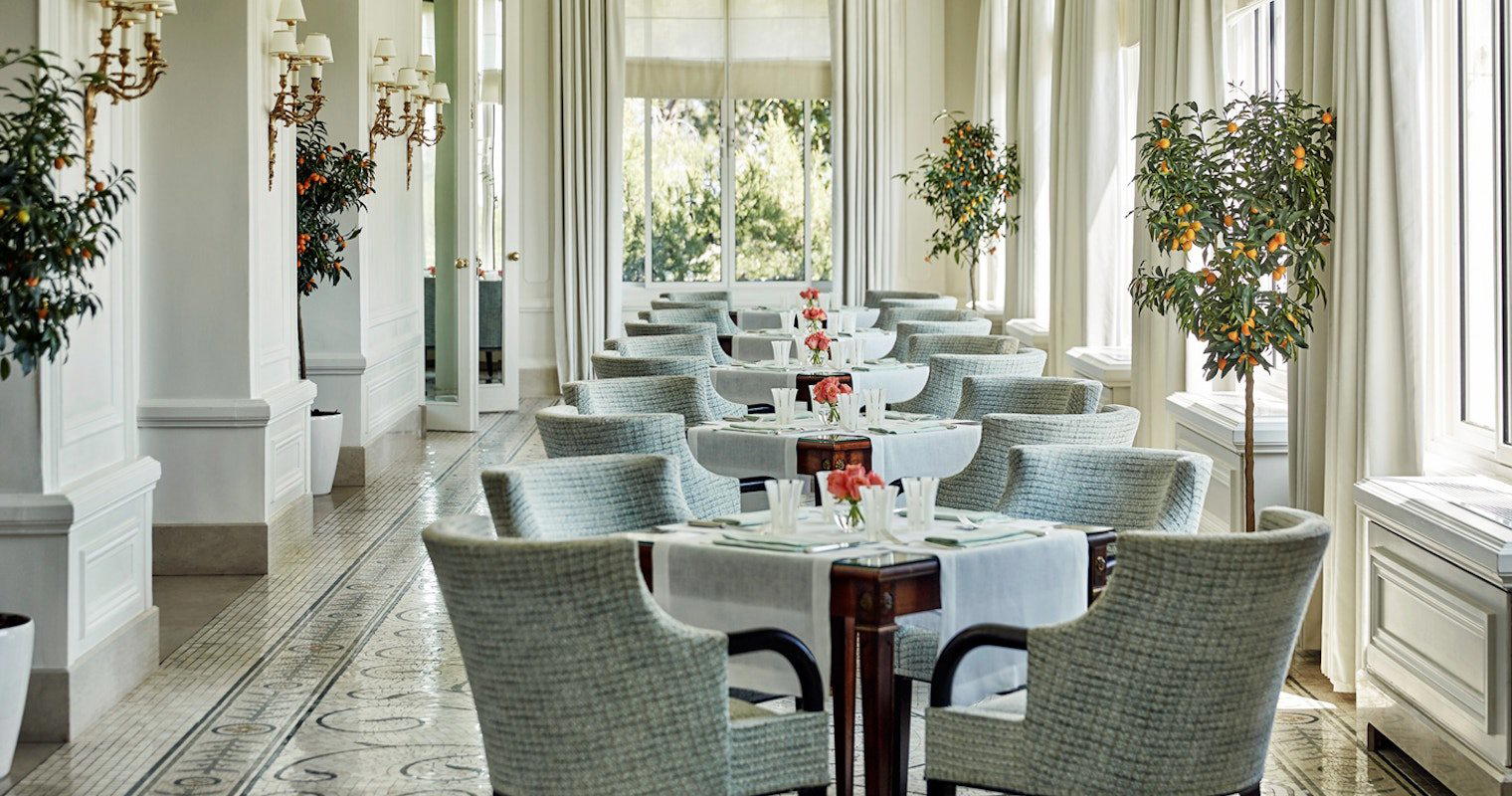
Restaurants in Nice
Browse all →
Bars in Nice
Browse all →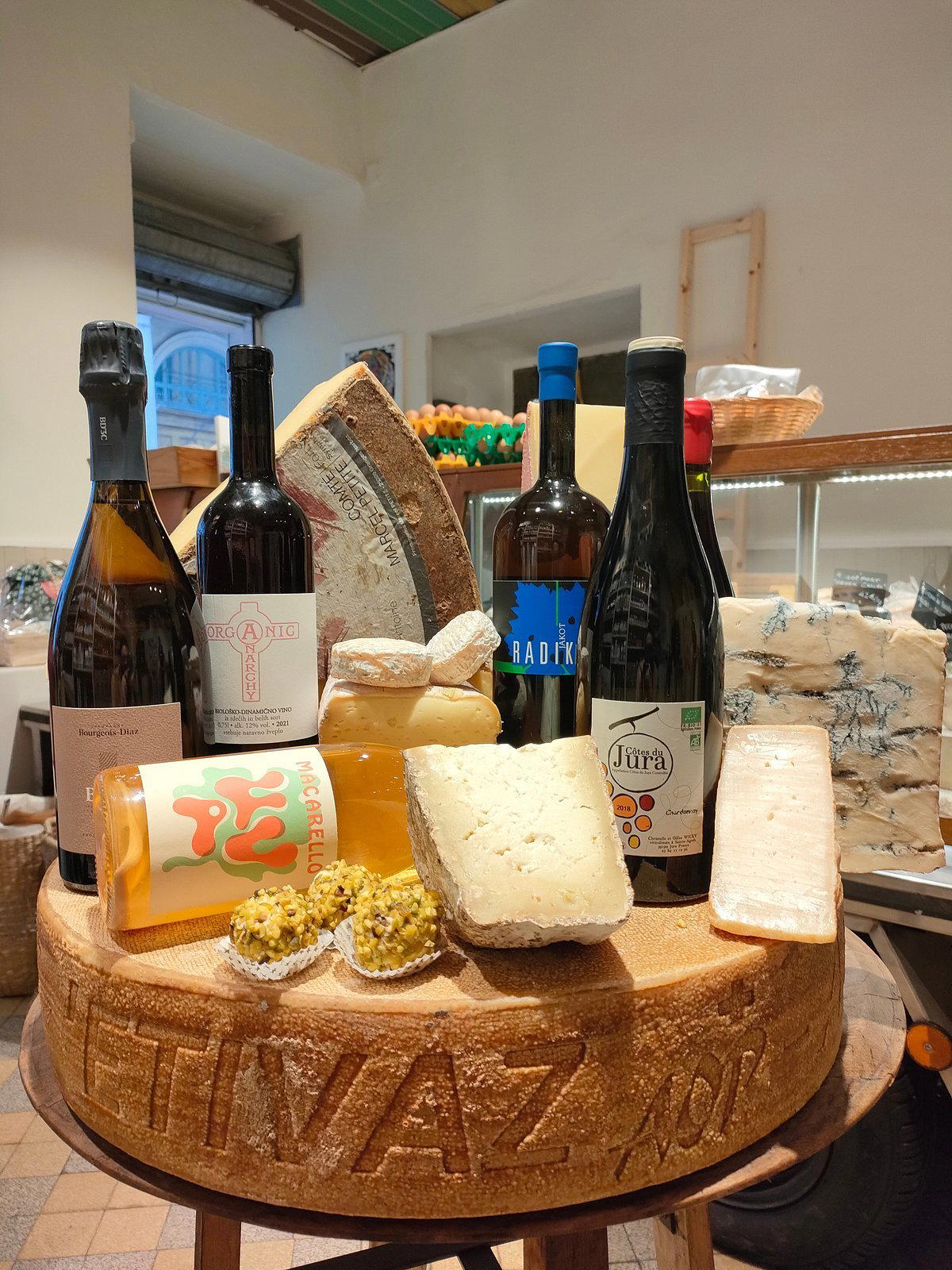
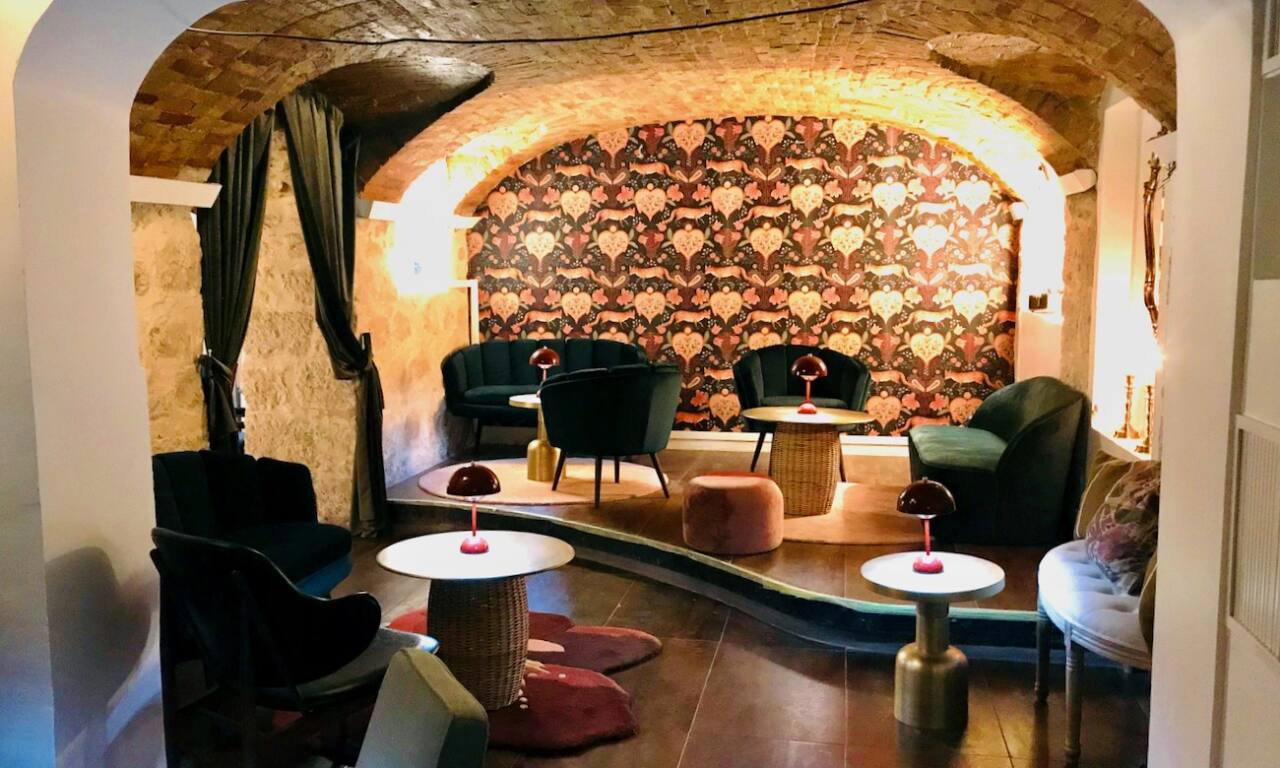
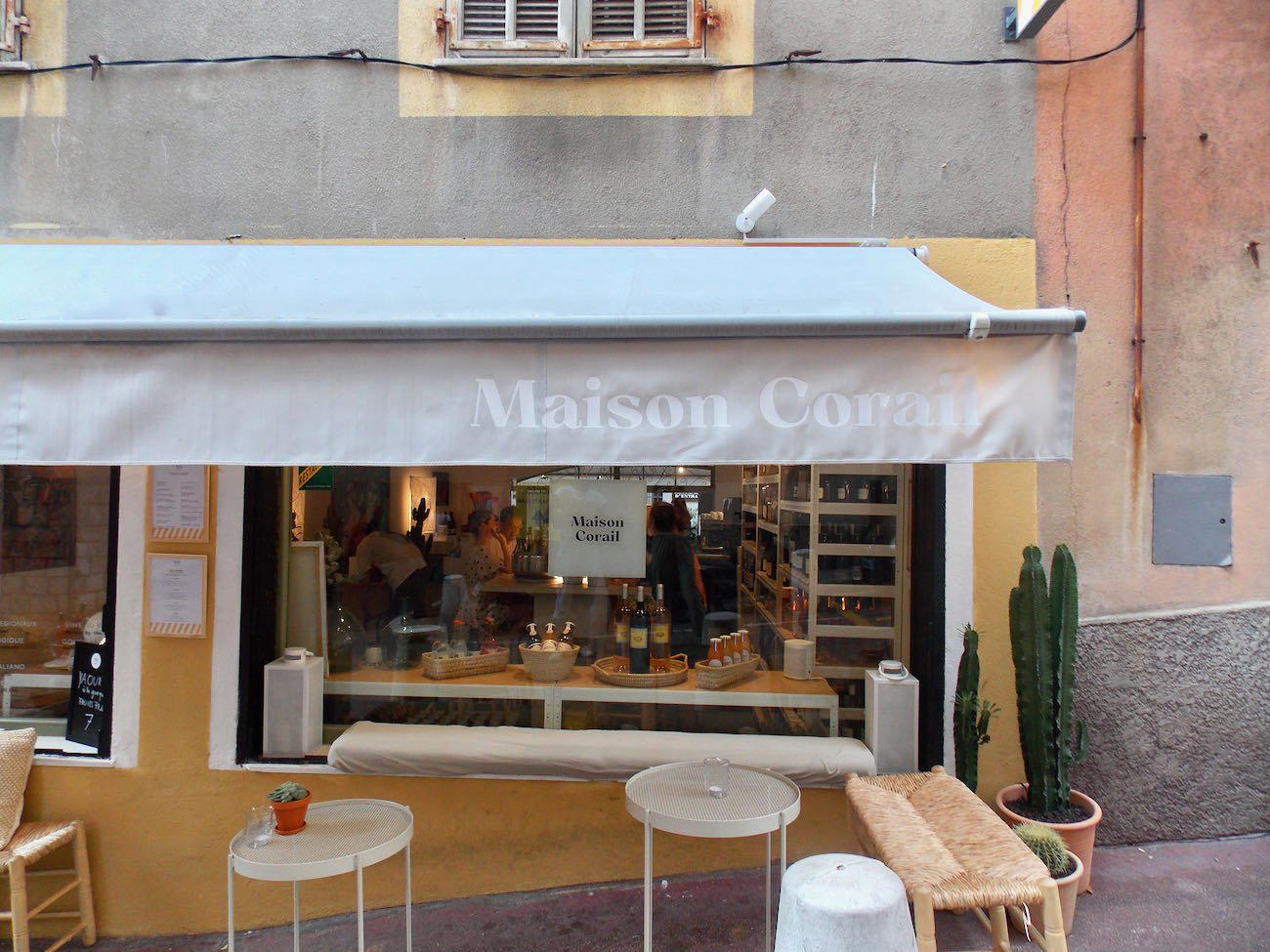
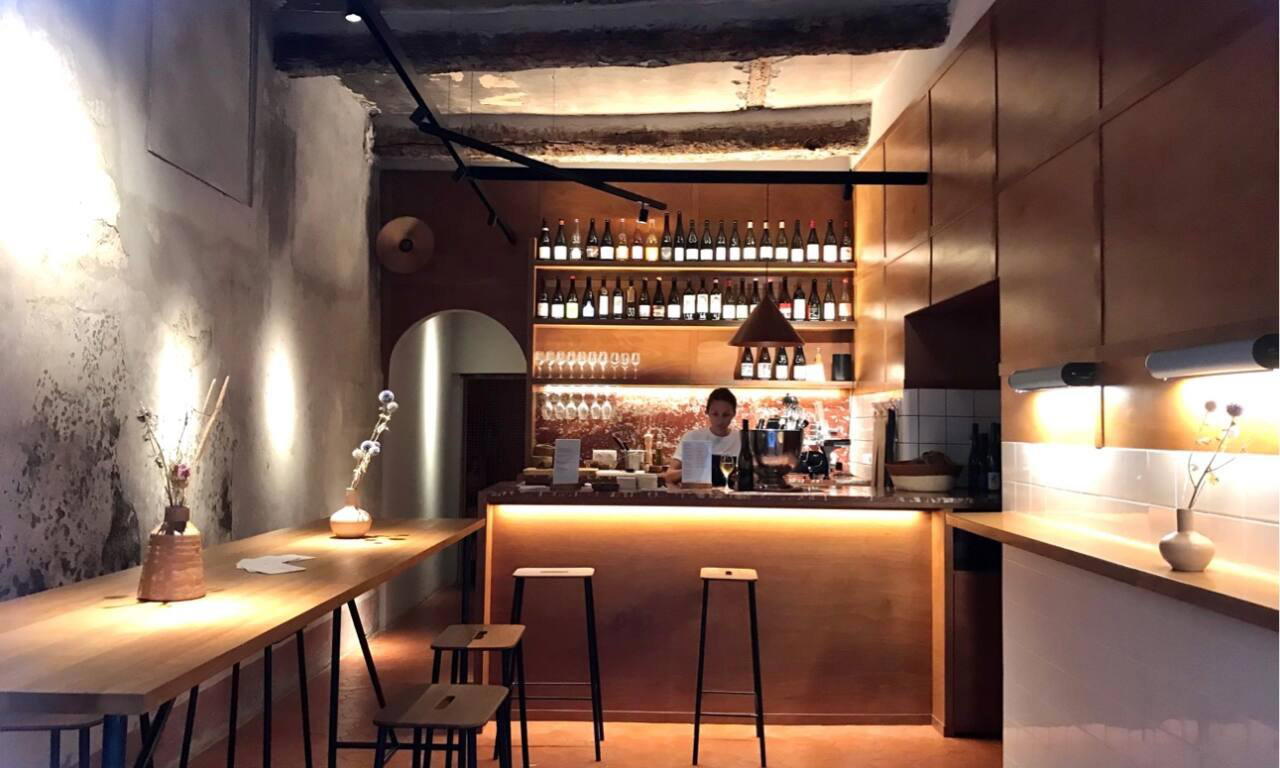
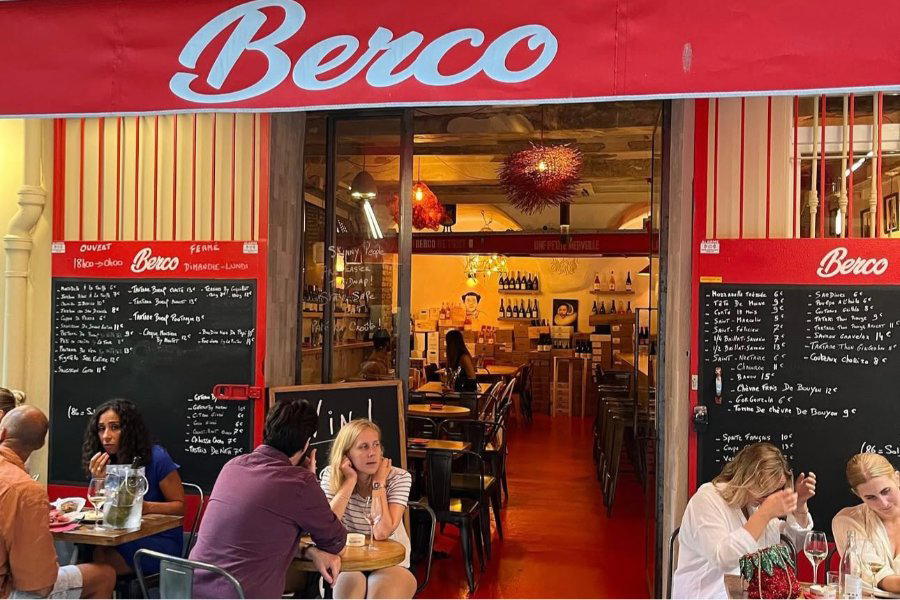
Hotels in Nice
Browse all →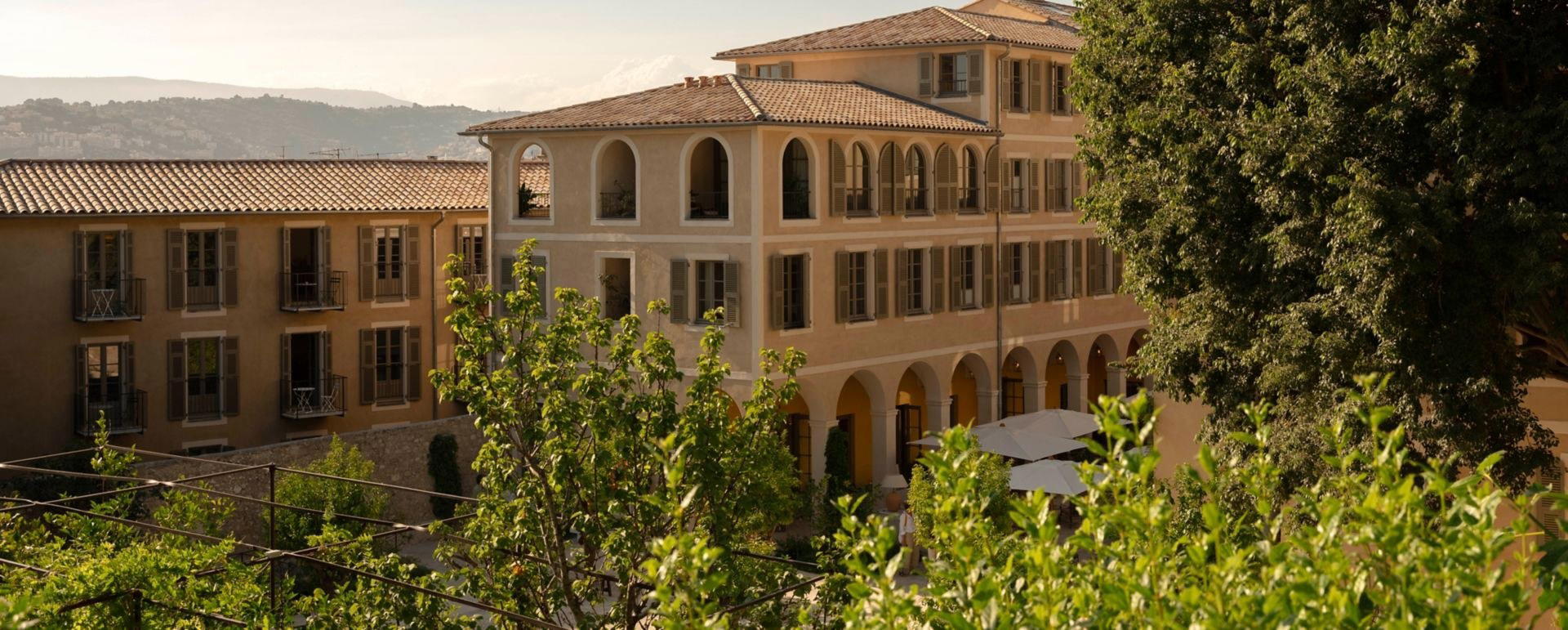

At a Glance
- Cozy
- Intimate
- Trendy
- Date Night
- Casual Hangout
- Wine Cellar
- Extensive Wine List
- Natural Wine
- Local Sourcing
- Street Scene
Current opening hours
- Monday
- 12 PM–12 AM
- Tuesday
- 12 PM–12 AM
- Wednesday
- 12 PM–12 AM
- Thursday
- 12 PM–12 AM
- Friday
- 12 PM–12 AM
- Saturday
- 12 PM–12 AM
- Sunday
- 12 PM–12 AM
Hours can change for holidays and private events. Last verified .
Casual bistro atmosphere with simple decor, impressive wine fridges, cozy and unpretentious neighborhood feel.